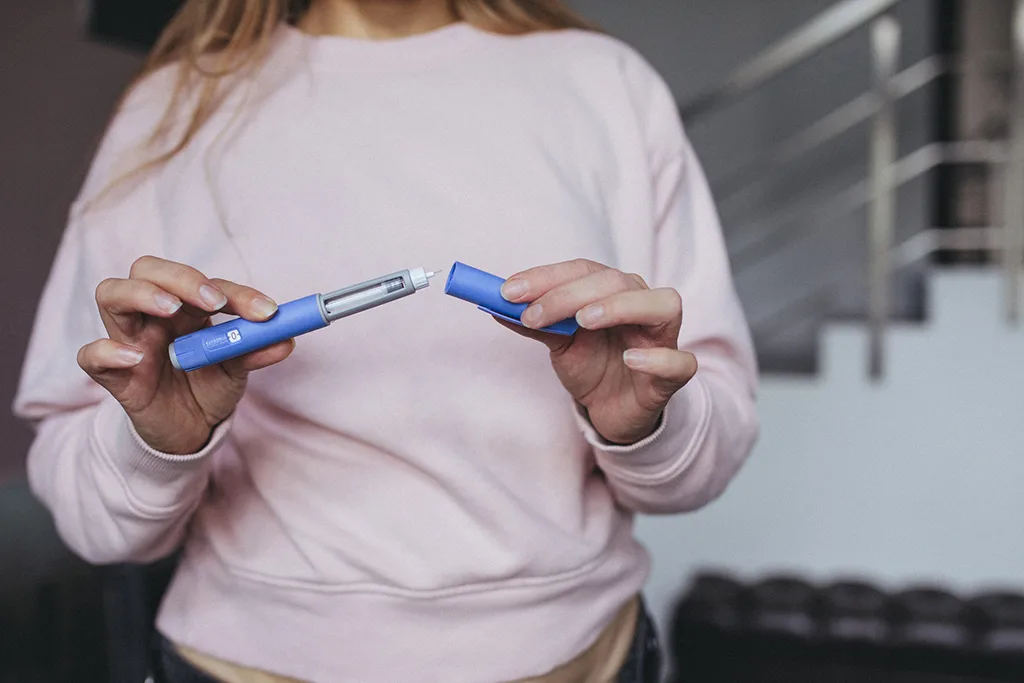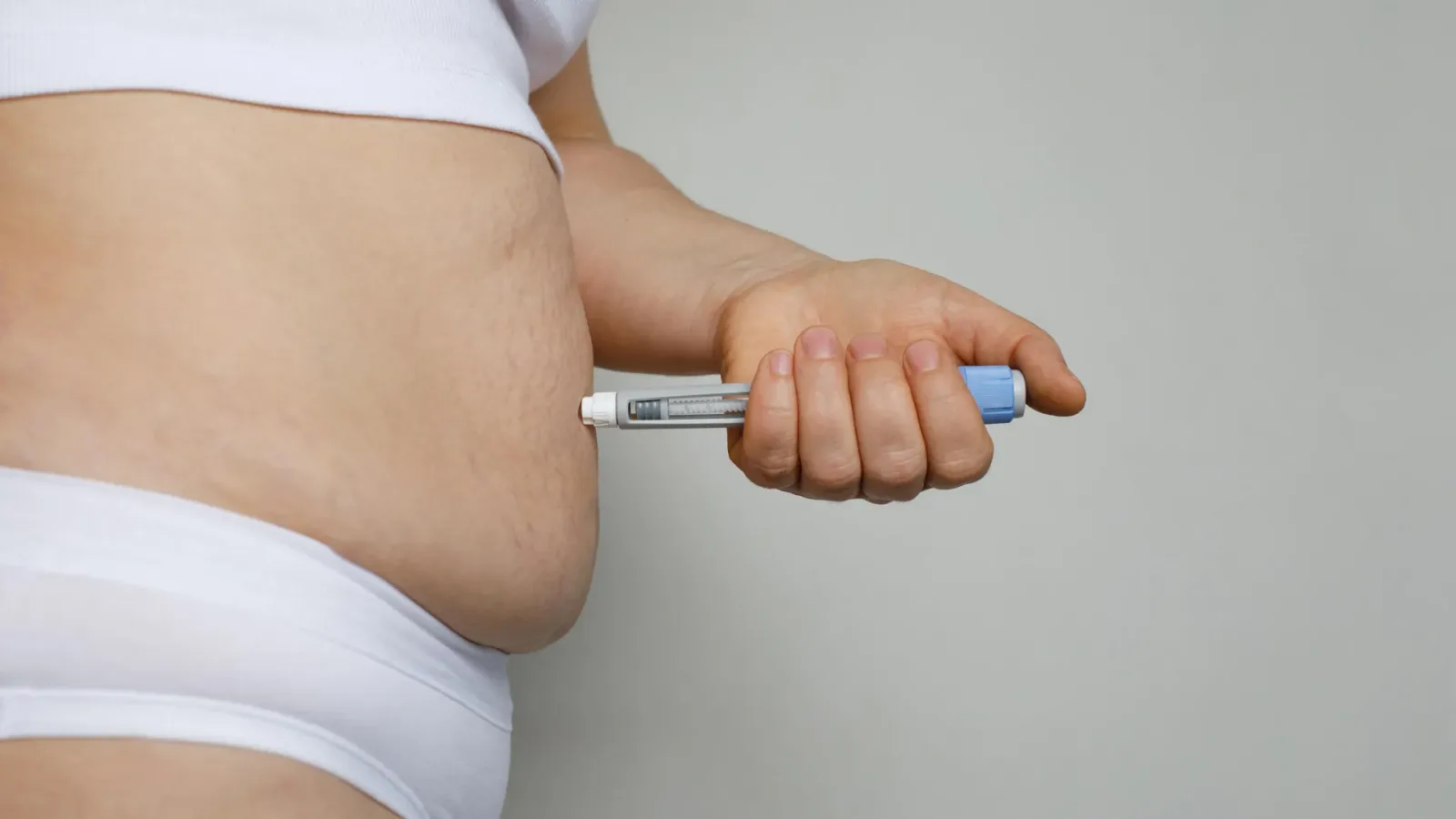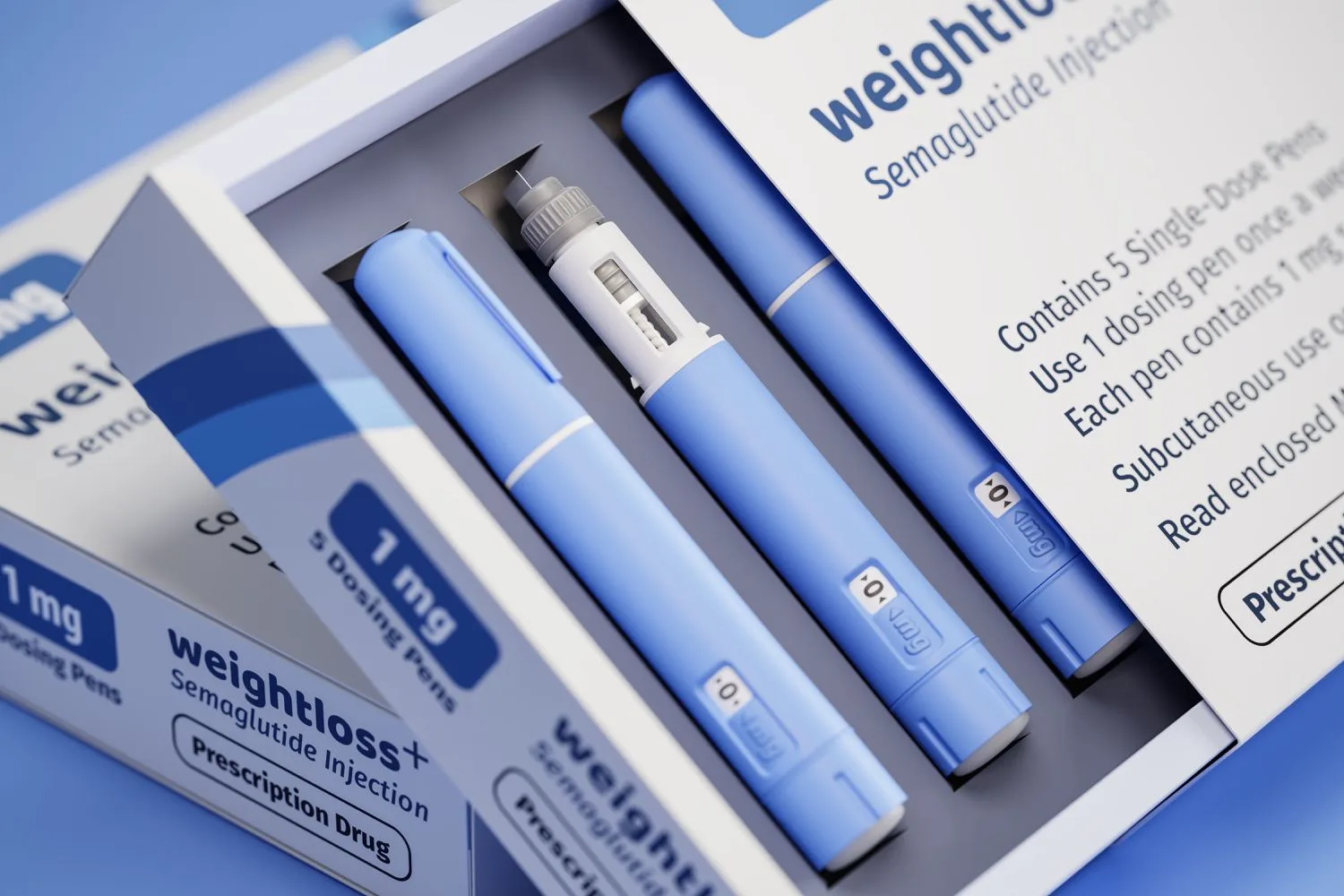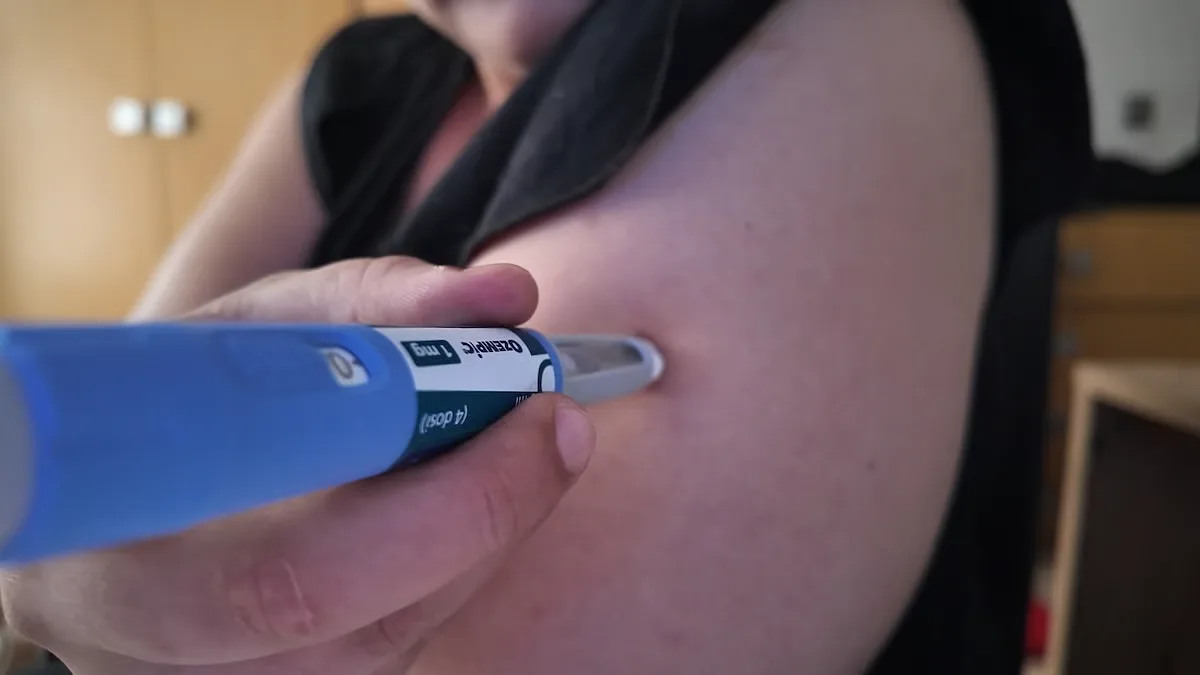

In a promising development for obesity treatment, a small new study published in the journal Obesity suggests that some patients taking GLP-1 weight loss drugs, such as Wegovy and Ozempic, may maintain their weight loss and health improvements with fewer injections. This finding addresses a common patient concern: the need for lifelong weekly shots. Led by Dr. Mitch Biermann, an obesity and internal medicine specialist at Scripps Clinic in San Diego, the research reviewed medical charts from 34 patients who had already achieved weight loss on standard GLP-1 therapy.
Understanding GLP-1 Medications and Their Role in Weight Management
GLP-1 receptor agonists like Wegovy (semaglutide) and Ozempic mimic the glucagon-like peptide-1 hormone, which regulates blood sugar, slows gastric emptying, and signals fullness to the brain. This mechanism not only aids diabetes management but also promotes significant weight loss by reducing appetite and caloric intake. Clinically, these drugs have transformed obesity care, with trials showing 15-20% body weight reduction over 68 weeks on weekly dosing.
However, adherence challenges arise from weekly injections, cost (often $1,000+ monthly without insurance), and variable coverage. Only about 6% of Americans use GLP-1 drugs, despite 51% of U.S. adults qualifying based on BMI criteria. Patients frequently ask, as Dr. Biermann notes, "Will I have to take this every week forever?" This study explores spacing out GLP-1 injections as a potential strategy post-weight loss.
The Study: How Fewer GLP-1 Injections Were Tested
Dr. Biermann's observations began anecdotally: several patients reported spacing injections to every second or third week while maintaining weight. "By the time the third person told me they were taking it every second or third week and still maintaining their weight, I started recommending it to other patients," Biermann told The New York Times.
The study analyzed 34 patients who had lost weight on GLP-1 medications and then stretched dosing intervals. After 36 weeks:
- Most patients kept their weight off.
- Blood pressure and blood sugar levels remained improved.
- Additional weight lost was primarily fat, not muscle.
Average BMI dropped from 30 (obese range) to 25.2 (overweight) pre-study, and further to 24.6 (normal) by the end. Dosing schedules varied:
- 17 patients: every other week.
- 6 patients: every 10 to 14 days.
- 7 patients: beyond two weeks, up to six weeks.
Most continued losing small amounts or maintained weight; only five regained minimally. Four patients who gained weight returned to weekly injections.
Patient Story: Scott McMillin's Experience
Scott McMillin, 65, exemplifies the approach. After starting weekly Wegovy in late 2023, he lost 20 pounds, normalizing blood pressure and cholesterol. Stopping entirely led to 10-pound regain, so he restarted weekly, then spaced to every two weeks. "It made no difference for me whether I was taking injections every week or every two weeks, and I just thought, well, less is better," McMillin told The Times. He now combines dosing with elliptical exercise and two meals daily, no snacks.
Expert Perspectives and Study Limitations
Dr. Fatima Stanford, an obesity specialist at Harvard Medical School, cautions that participants agreeing to reduce frequency may be more adherent or metabolically responsive. About 12% returned to weekly doses after regain. Still, she views it as reframing: "Chronic treatment does not necessarily mean maximal weekly dosing forever." Individualized plans could enhance effectiveness.
Precision tracking for your journey
Join thousands using Shotlee to accurately track GLP-1 medications and side effects.
📱 Get the Shotlee App
Track your GLP-1 medications, peptides, and health metrics on the go with our mobile app!
Limitations include the small sample (mostly white, privately insured patients), retrospective design without a control group, and focus on post-goal maintenance—not initial loss or full cessation. Results may not generalize broadly.
Mechanisms Behind Sustained Benefits with Spaced Dosing
GLP-1 drugs' long half-life (semaglutide: ~1 week) allows sustained effects beyond dosing. Spacing may leverage metabolic adaptations like improved insulin sensitivity and habit formation from prior loss. Fat-specific loss suggests preserved lean mass, critical for long-term health. Blood sugar and pressure improvements persist via ongoing receptor activation and lifestyle synergies.
Safety Considerations and Side Effects
Standard GLP-1 side effects—nausea, vomiting, diarrhea—often wane over time. Spacing might reduce cumulative exposure, potentially lowering risks like gastrointestinal issues or rare thyroid concerns. However, monitor for regain signals. Tools like Shotlee can help track symptoms, weight, and schedules between doses, aiding doctor discussions.
Who Might Benefit from Fewer Injections?
- Patients at weight loss goals with stable labs.
- Those with strong lifestyle adherence (diet, exercise).
- Metabolically responsive individuals.
Always consult providers; abrupt changes risk rebound. Compare to alternatives: older drugs like phentermine offer short-term use but less efficacy; bariatric surgery suits severe cases but is invasive.
Practical Guidance for Patients
Discuss spacing with your obesity specialist after goal achievement. Track BMI, A1C, lipids quarterly. Combine with 150+ minutes weekly exercise and protein-rich diets to preserve muscle. Insurance may require weekly proof; explore patient assistance programs.
Key Takeaways
- Encouraging Results: 34 patients mostly maintained weight/BMI drops (30 to 24.6) on spaced GLP-1 injections up to every 6 weeks.
- Health Markers: Sustained blood pressure, sugar improvements; fat-focused loss.
- Real-World Fit: Addresses lifelong dosing fears amid low U.S. uptake (6% vs. 51% eligible).
- Caveats: Small, non-randomized study; not for everyone.
- Next Steps: Personalize with doctors; monitor closely.
Implications for Obesity Treatment
This study highlights GLP-1s' flexibility, potentially improving adherence and affordability. Larger trials are needed, but it shifts paradigms toward tailored therapy. For eligible patients, fewer GLP-1 injections could sustain benefits without weekly commitment.
Disclaimer: Statistical data provide general trends. Individual factors vary; seek personalized medical advice.
In summary, while not universal, spacing GLP-1 injections offers hope for maintenance. Patients like McMillin show it's possible with lifestyle integration. Talk to your doctor about your options.