Parents Putting Kids on GLP-1 Weight Loss Jabs as Experts Remain Divided
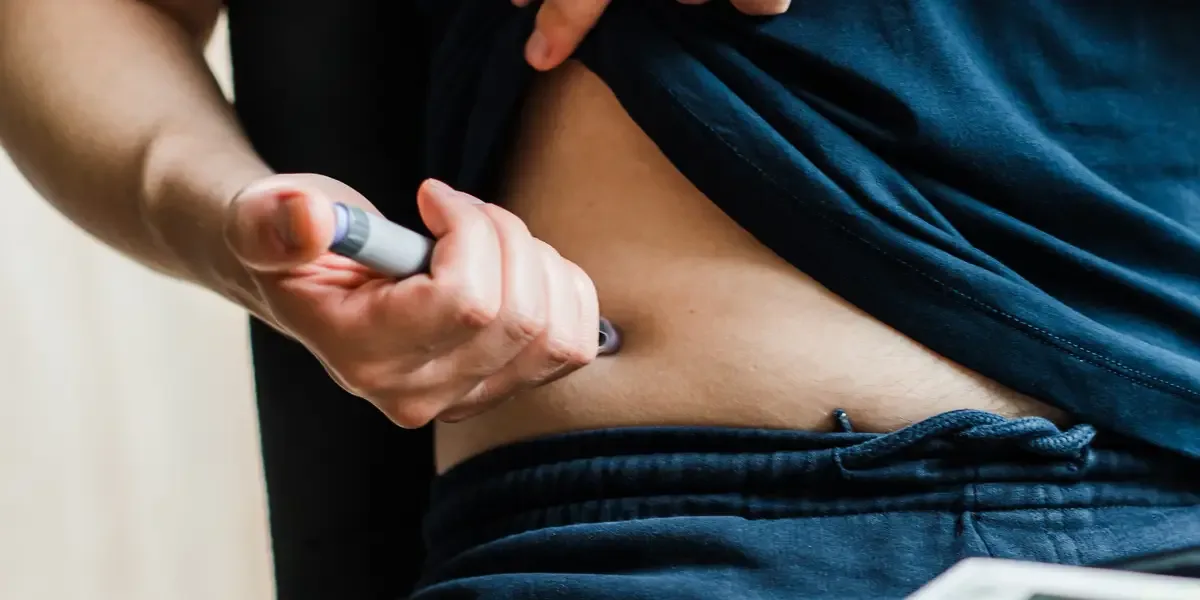
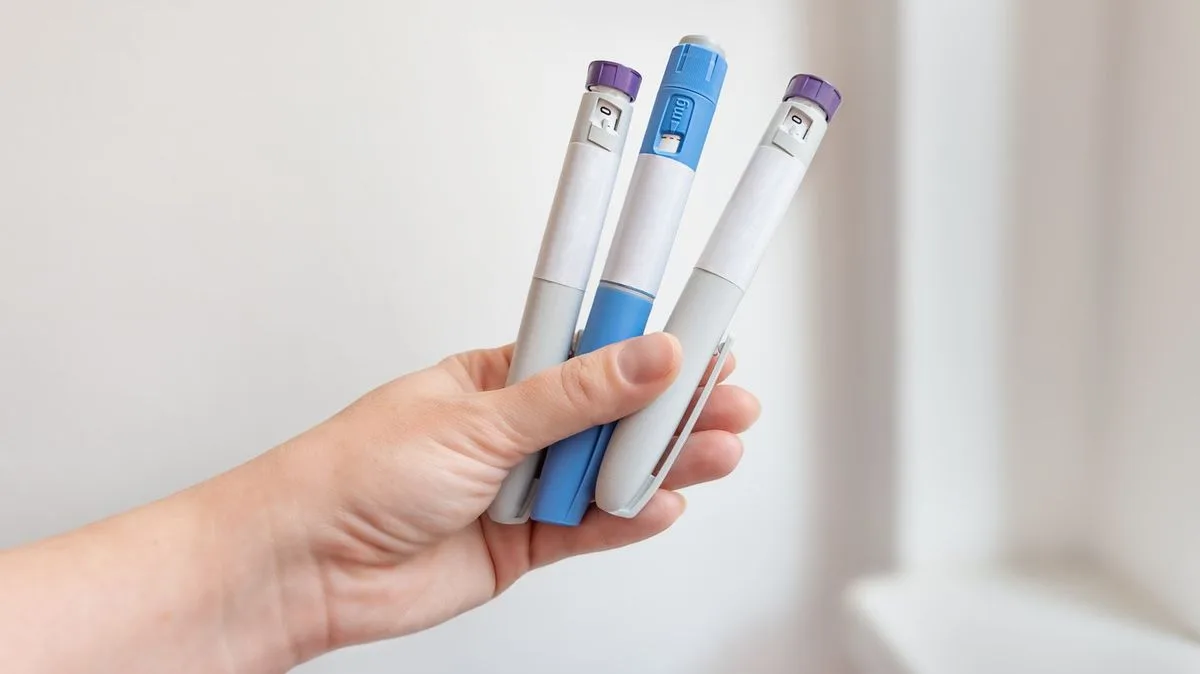
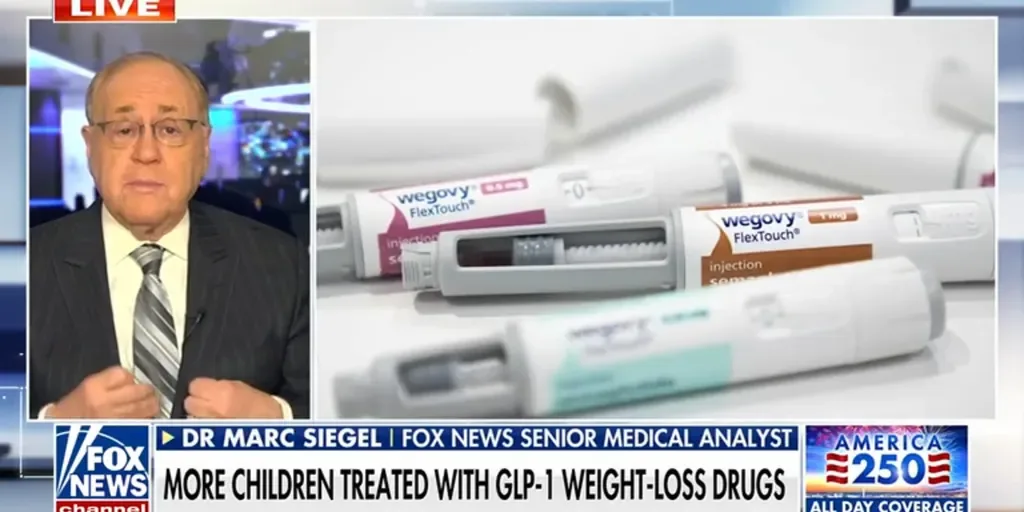
Childhood obesity rates in the United Kingdom have reached record highs, creating a complex dilemma for families navigating weight management options. Parents are increasingly considering powerful hormone-based medications like semaglutide and tirzepatide for their children, hoping to reverse health trends before permanent damage occurs. However, the medical community is not entirely united on the appropriateness of these treatments for minors. While new data points to short-term safety, the long-term implications for developing bodies remain a subject of intense debate. This article explores the current landscape of pediatric weight loss injections, the risks involved, and how families are making these difficult choices in the absence of clear NHS funding.
What Does Recent Research Say About GLP-1 Safety in Children?
Recent clinical trials presented at the International Congress on Obesity in Mexico City suggest that glucagon-like peptide-1 agonists may be safe for adolescents over the age of twelve. The study analyzed data from nearly 800 children and found they shed an average of five kilos with only limited side effects reported during the observation period. While this data offers hope to families struggling with severe pediatric obesity, it does not guarantee absolute safety for every child. Doctors emphasize that short-term efficacy does not necessarily equate to lifelong health stability, especially during critical developmental windows. Parents must weigh these immediate weight loss benefits against unknown long-term risks that could affect bone density and growth potential throughout the teenage years.
The research highlighted that vomiting and diarrhoea were more common in the treatment group compared to those not on the drug, though serious issues like pancreatitis were rare. Despite these findings, the lack of longitudinal data means we do not yet know how these drugs affect a child's development into adulthood. The study authors argue that the evidence now supports wider use for obese adolescents, but this view is not universally accepted by all endocrinologists in the UK.
What Are The Primary Medical Risks Associated With These Injections?
Medical experts remain deeply divided regarding the potential for long-term developmental risks when minors take these hormone-based medications. Professor David Strain from Exeter University warns that osteoporosis and stunted growth are significant concerns because bone health is vital during adolescence. There is also a specific fear that these drugs could interfere with normal physical growth patterns or cause pancreatic damage later in life. Although serious complications like pancreatitis are reportedly low in frequency, the uncertainty surrounding lifetime consequences drives caution among specialists. Consequently, some cardiometabolic health experts advise waiting until young adulthood unless the child is in immediate danger of severe health complications.
There is also a concern regarding the impact on the gallbladder and pancreas, which are organs responsible for digestion and blood sugar regulation. While the study cited in Mexico claimed these risks were minimal, UK-based doctors urge families to remain vigilant. The possibility of stunted growth is particularly worrying for parents of tall children, although some fathers have noted that their sons are already tall enough that minor growth suppression might not be clinically significant compared to the mental health benefits of weight loss.
How Do Parents Navigate The Decision Between Bullying And Side Effects?
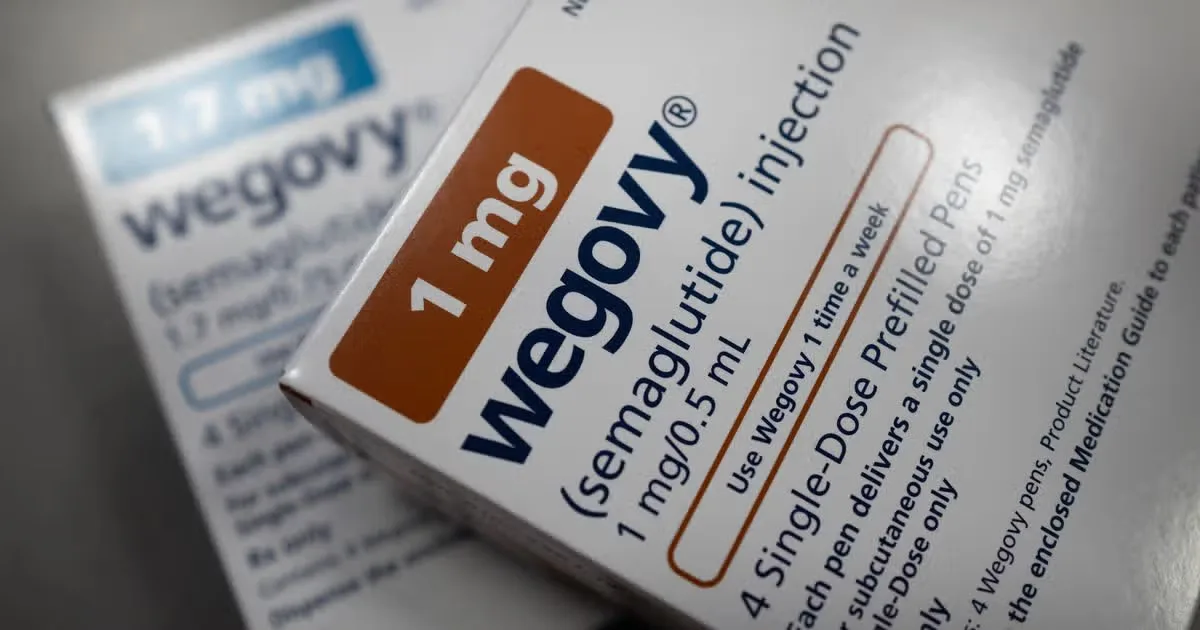
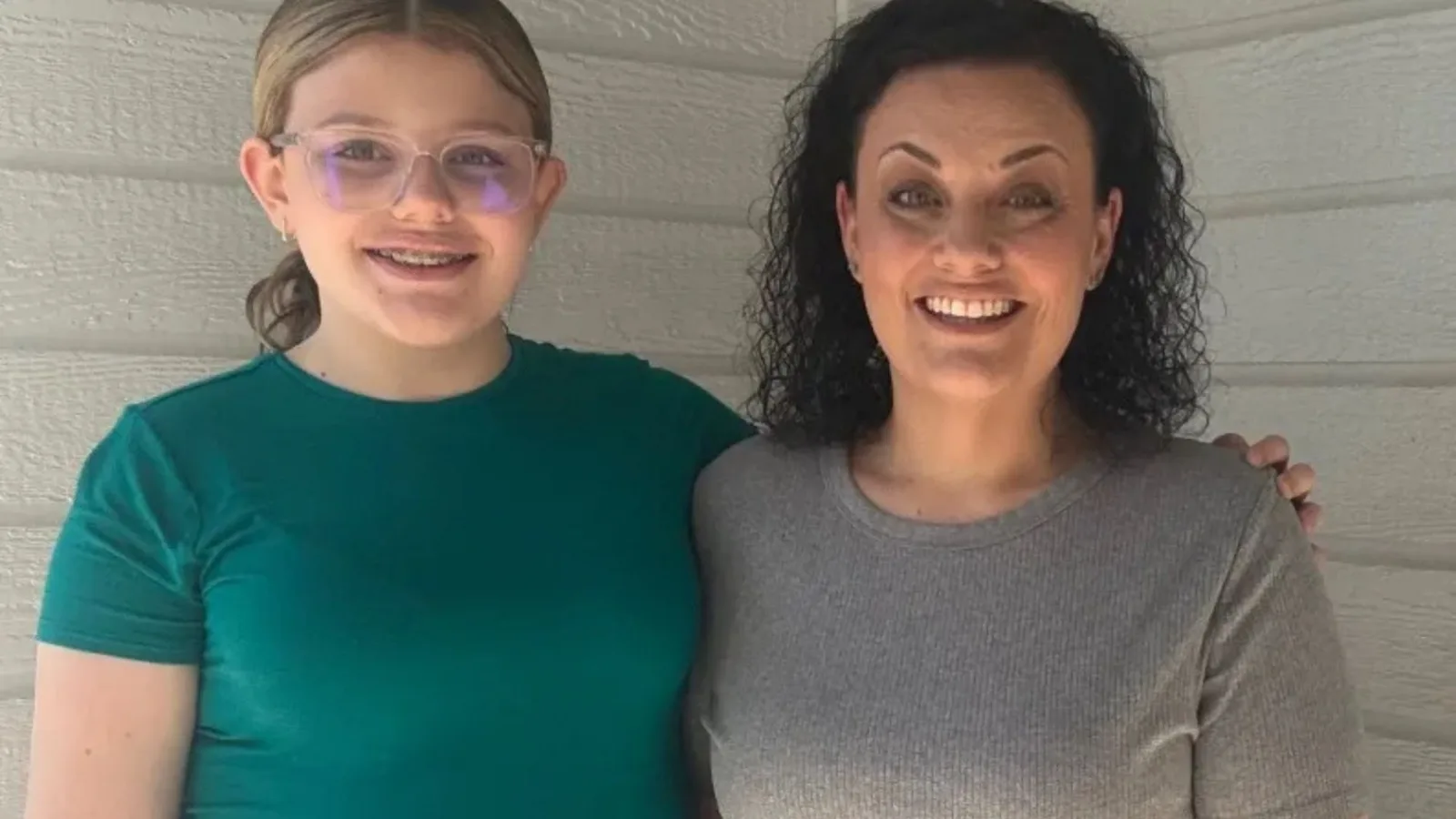
Many parents are making desperate decisions to prescribe these injections privately when their children face severe bullying or mental health crises related to their weight. Ashley Hamilton allowed her daughter Sophia to start Wegovy after school taunts caused significant distress, resulting in rapid weight loss but also painful side effects like severe constipation. Similarly, Joe prescribed medication for his son Drew to prevent depression caused by his inability to participate in sports with friends. While private clinics charge around £180 a month, families often prioritize mental health stability over potential physical risks. Using a health tracking app like Shotlee can help parents monitor dosage and symptom changes more closely during this private treatment phase.
For Ashley, the decision was driven by the trauma of her daughter being called "fatty" at school, which mirrored her own painful childhood experiences. After Sophia experienced a severe night of pain and vomiting, hospital checks confirmed it was constipation rather than a gallbladder issue, providing relief. These personal narratives highlight that for many, the psychological toll of obesity is just as dangerous as the physical health risks of the medication itself.
What Are The Eligibility Criteria For NHS Versus Private Treatment?
Accessing weight loss injections on the NHS requires meeting strict criteria regarding Body Mass Index and existing comorbidities that increase health risks. Individuals typically need a BMI of 40 or more, or 37.5 for specific ethnic groups, alongside conditions like type 2 diabetes or high blood pressure. Private clinics offer more immediate access for those who can afford the monthly fees, bypassing the waiting lists associated with public healthcare systems. The NHS has treated over 6,400 obese children since 2021, yet funding for under-eighteens remains inconsistent across different regions. Families must understand that eligibility is not guaranteed and depends heavily on local clinical commissioning groups and specific medical guidance.
The following table outlines the general eligibility requirements for NHS weight loss injections:
Precision tracking for your journey
Join thousands using Shotlee to accurately track GLP-1 medications and side effects.
📱 Get the Shotlee App
Track your GLP-1 medications, peptides, and health metrics on the go with our mobile app!
| Criteria | Requirement |
|---|---|
| BMI Threshold | 40 or higher (or 37.5 for specific ethnic groups) |
| Comorbidities | At least 3-4 conditions (e.g., Type 2 Diabetes, High BP, Sleep Apnoea) |
| Age Group | Generally adults, though some pediatric clinics exist privately |
| Support | Must be part of a structured weight management programme |
Could GLP-1 Medications Impact Adolescent Brain Development?
Researchers are also investigating whether these drugs rewire the brain’s response to reward and risk during late adolescence when neural systems are still maturing. Professor Strain suggests that hampering this development could lead to long-term mental health impacts and behavioral changes beyond physical weight loss. The psychological burden of obesity is real, but introducing potent medications might alter how a teenager relates to food and self-image permanently. Some experts argue that good parenting involves considering common sense on a case-by-case basis rather than relying solely on pharmaceutical interventions. Parents need to consider whether the drug addresses the root cause of the eating behavior or merely masks the symptoms of a complex psychological issue.
This psychological dimension is critical because adolescence is a period where the brain learns to regulate emotions and impulses. If the brain's reward system is altered by medication during this window, there is a theoretical risk of long-term behavioral changes. Parenting coaches suggest that while medication can be a tool, it should not replace the emotional support needed to build a healthy relationship with food and body image.
Practical Takeaways for Families
- Monitor Symptoms: Keep a detailed log of any side effects, from nausea to mood changes.
- Track Doses: Ensure the correct dosage is administered and recorded for medical review.
- Support Nutrition: Medication works best when paired with a structured diet and lifestyle plan.
- Consult Specialists: Always seek advice from a qualified endocrinologist before starting treatment.
Conclusion
The use of GLP-1 agonists in children represents a significant shift in how society approaches childhood obesity, balancing immediate physical needs against potential future risks. While new studies offer a glimmer of hope regarding safety, the medical community urges caution and further research into long-term outcomes. Parents must weigh the immediate relief from bullying and health risks against the unknowns of developmental side effects. Ultimately, the decision requires careful consideration of the individual child's health, mental state, and family circumstances.
Frequently Asked Questions
Are GLP-1 injections approved for children under 12?
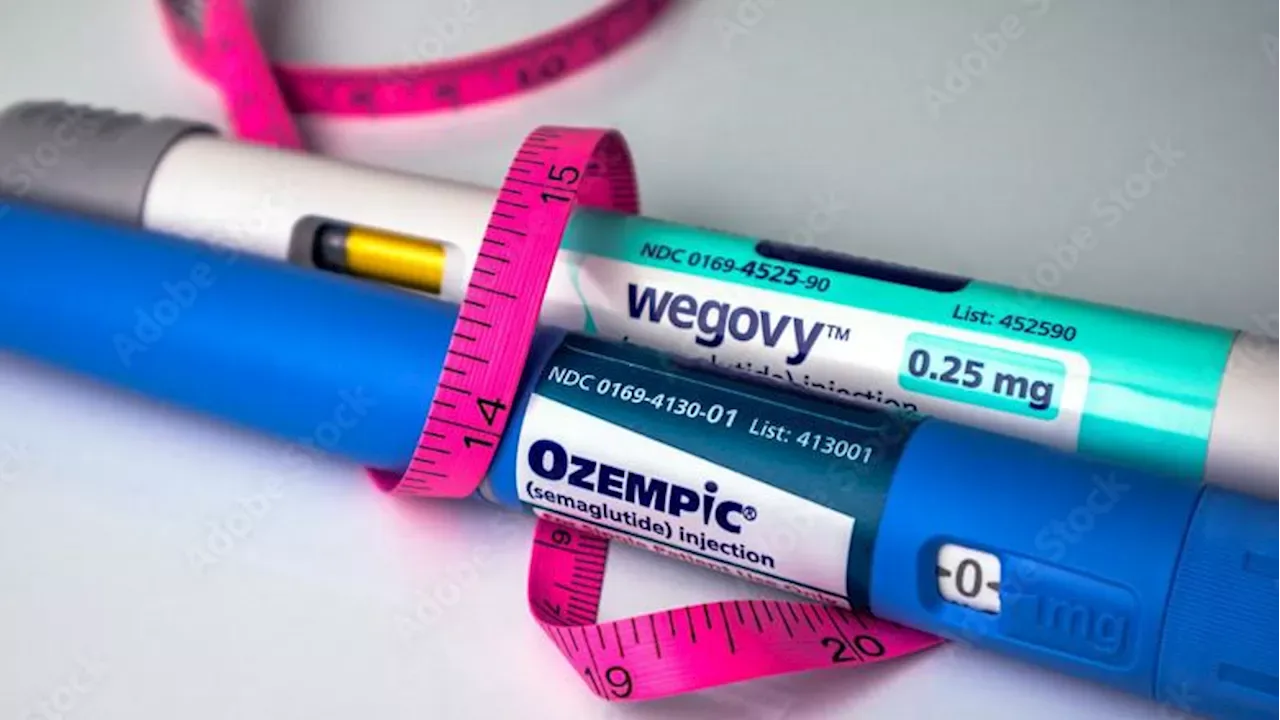
Currently, medications like Wegovy and Ozempic are generally licensed for use in adolescents aged 12 and over who meet specific obesity criteria, though NHS funding for under-18s is not routine.
What are the most common side effects for children on these drugs?
The most frequently reported side effects include nausea, vomiting, and constipation, with studies noting a higher rate of these issues compared to placebo groups in recent trials.
Can GLP-1 medications cause stunted growth in teenagers?
There is a theoretical risk that rapid weight loss or hormonal changes could impact bone density and growth velocity, though specific long-term data on this effect in children is still being gathered.
How much do private GLP-1 injections cost for children?
Private clinics typically charge between £180 and £250 per month for these medications, depending on the dosage and the specific brand of semaglutide or tirzepatide prescribed.
Does the NHS fund weight loss injections for obese children?
The NHS does not routinely fund these injections for weight loss in under-18s, although some specialized clinics have treated over 400 schoolchildren since 2021 under specific local guidelines.