
The Double-Edged Sword of Rapid Weight Loss
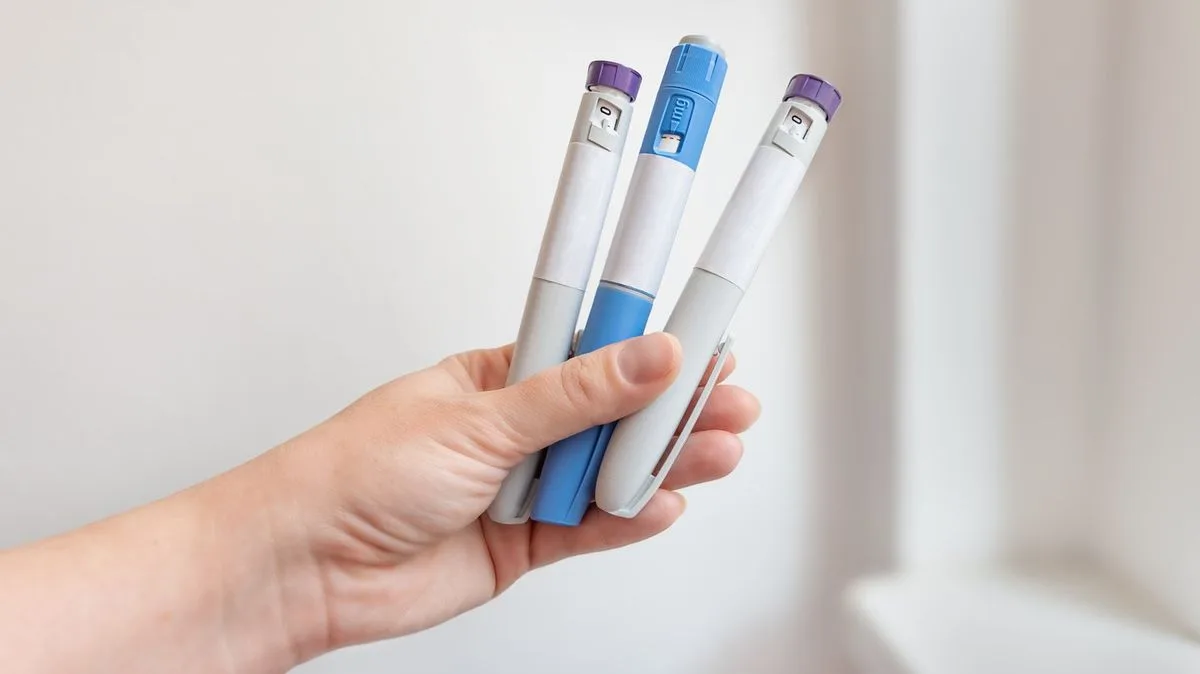
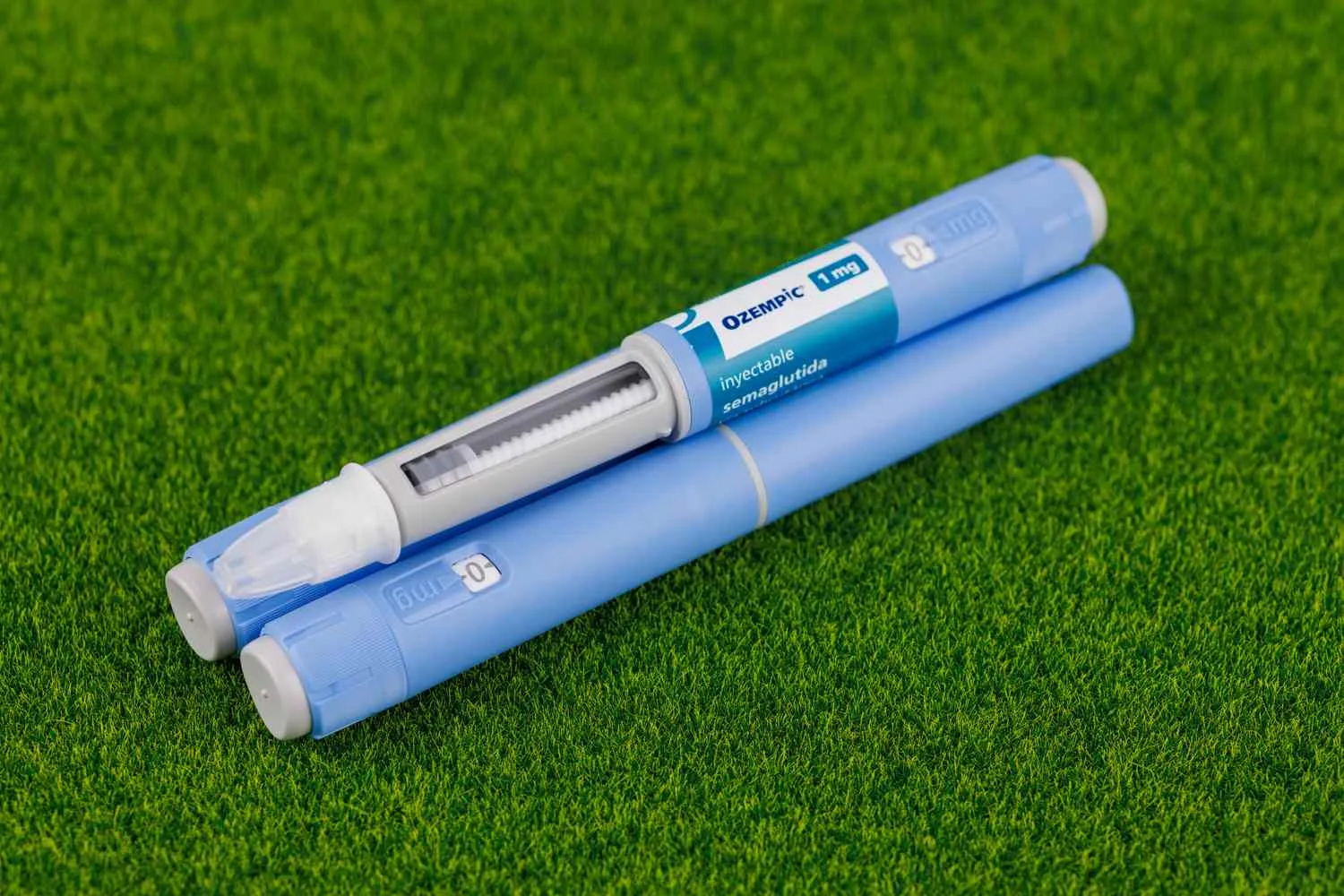
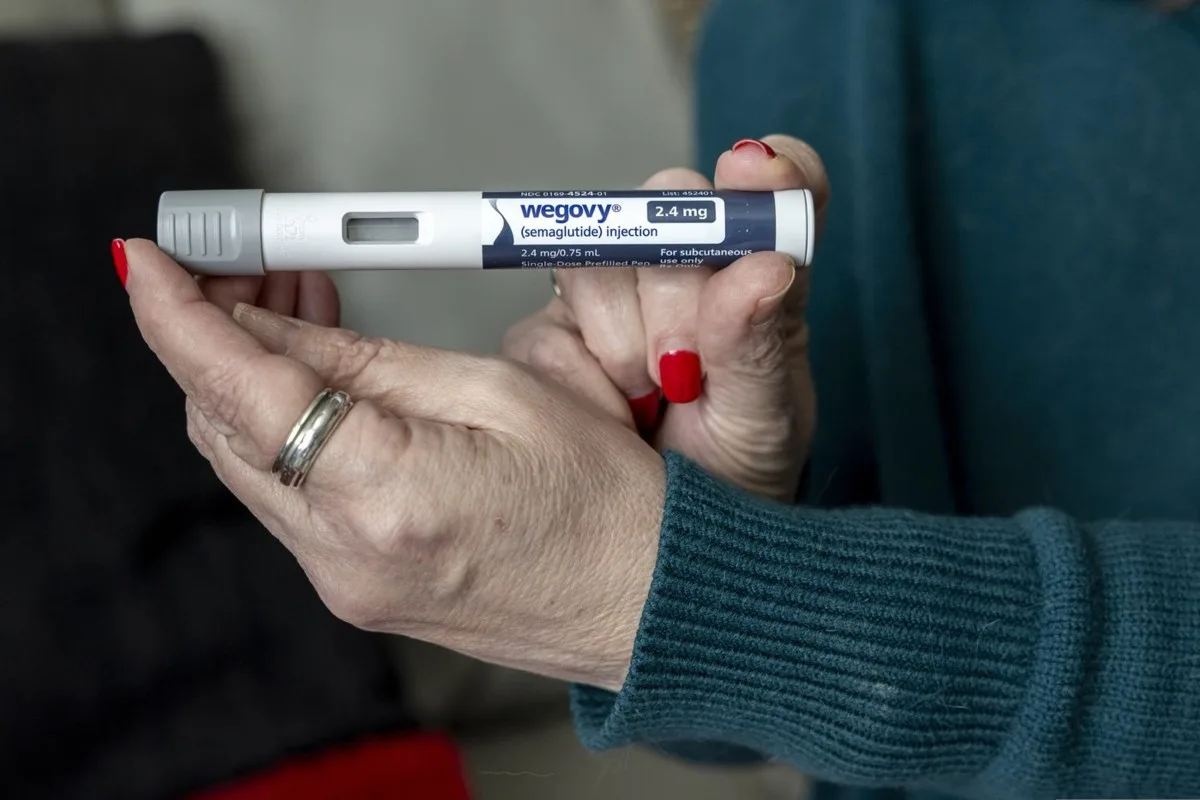
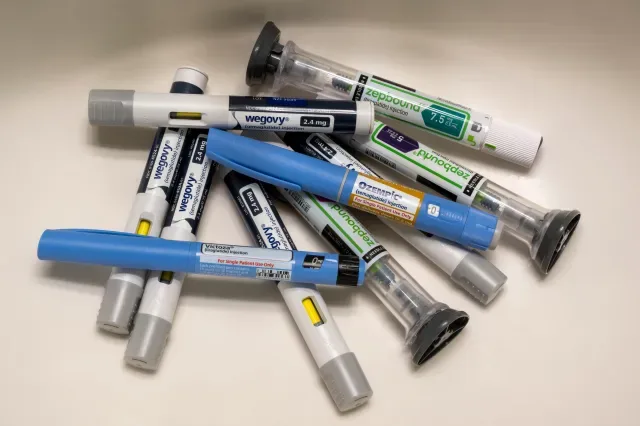
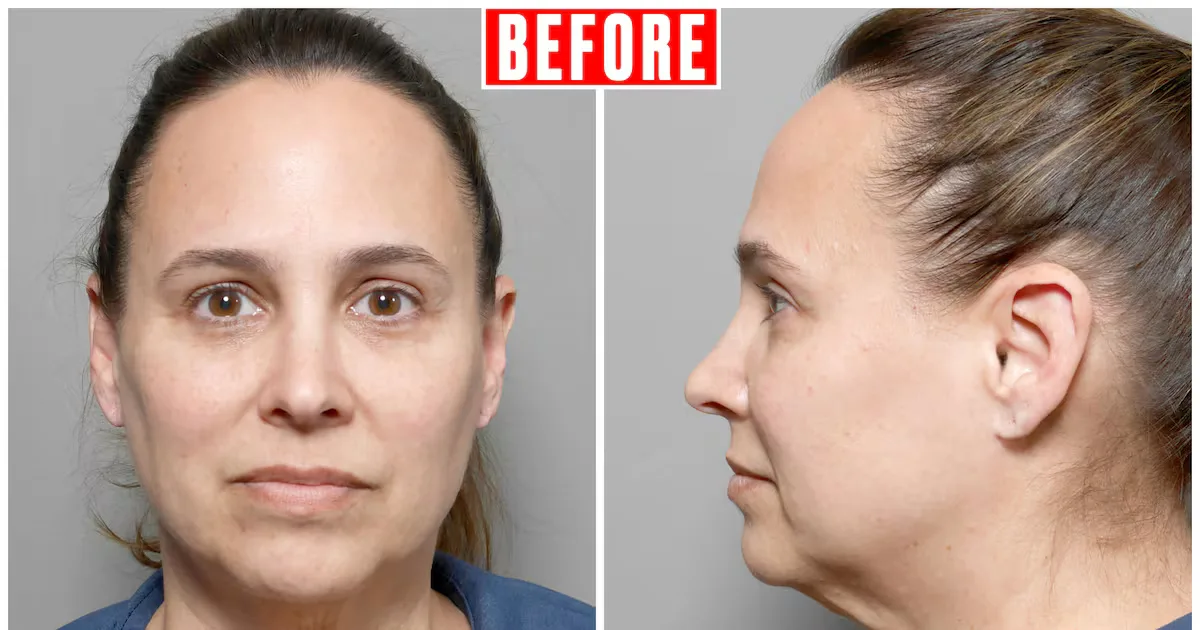
The advent of GLP-1 receptor agonists, including popular medications like semaglutide (Ozempic, Wegovy) and tirzepatide (Mounjaro), has revolutionized weight management for millions. These powerful drugs have enabled individuals to achieve remarkable weight loss, often exceeding 80 pounds, leading to significant improvements in health markers and overall well-being. However, this rapid transformation, while celebrated, can also bring about unforeseen physical changes, most notably a phenomenon now widely dubbed "Ozempic Face." This term refers to the apparent sagging and loss of facial volume that can occur after significant weight reduction.
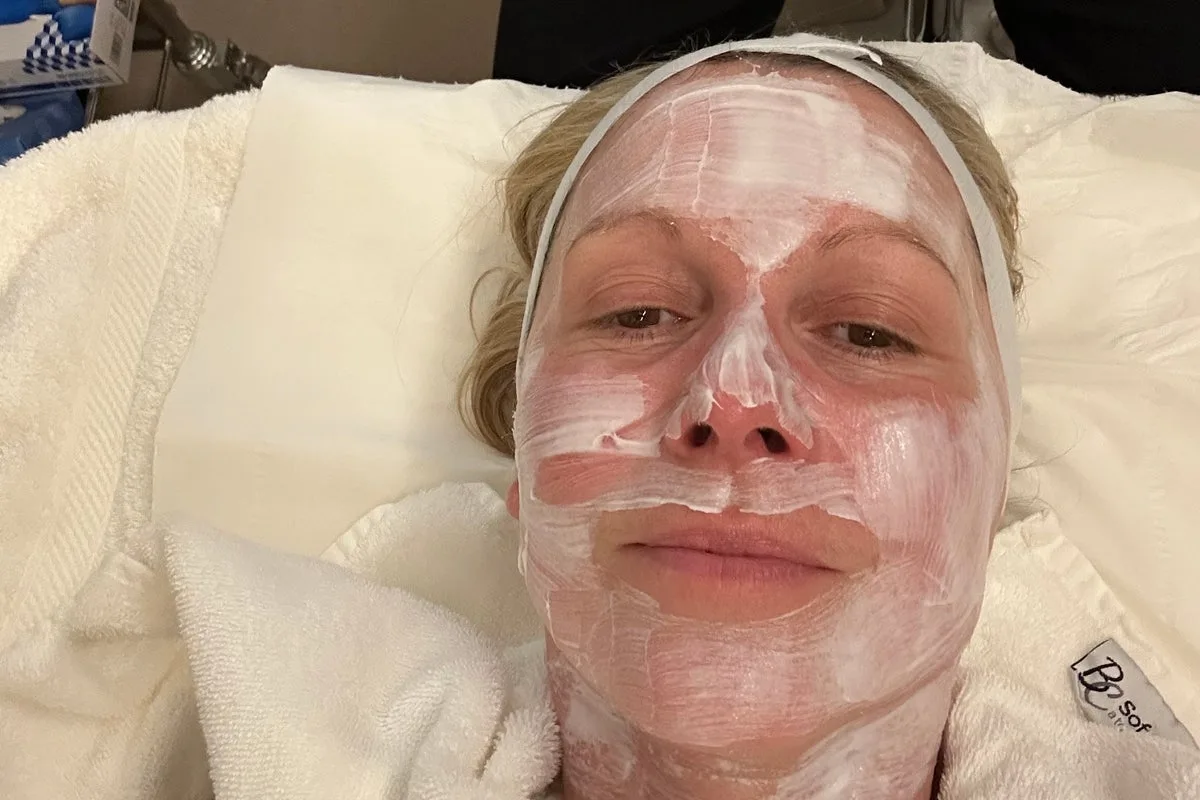
Leah, a woman in her early forties, exemplifies this experience. After successfully losing 80 pounds over two years with the help of GLP-1 medication, she began to notice that her skin appeared looser and less lifted, particularly in her face and neck. This is not an isolated incident; many patients undergoing substantial weight loss are encountering similar concerns, prompting a surge in interest in cosmetic procedures to address these changes.
Understanding 'Ozempic Face' and Skin Laxity
The term "Ozempic Face" has gained traction as a shorthand for the aesthetic consequences of rapid weight loss, particularly when facilitated by potent medications like semaglutide. While the name is catchy, the underlying issue is a well-documented consequence of losing a significant amount of body mass quickly.
Why Does Skin Become Loose After Weight Loss?
Our skin has a certain elasticity, allowing it to stretch and retract. When we gain weight, the skin expands to accommodate the increased volume. Over time, especially with significant or prolonged weight gain, the collagen and elastin fibers within the skin can become stretched and damaged. When rapid weight loss occurs, the underlying fat and tissue that once supported the skin are diminished, and the skin may not have the ability to fully retract to its previous tightness. This can lead to:
- Loss of Facial Volume: Fat pads in the face, which contribute to a youthful, plump appearance, can shrink considerably during weight loss. This loss of volume can make the skin appear to hang more loosely.
- Reduced Collagen and Elastin: The structural proteins responsible for skin's firmness and elasticity can be depleted or damaged by rapid weight fluctuations.
- Gravity's Effect: Over time, gravity naturally pulls tissues downward. With less underlying support from fat and muscle, the skin is more susceptible to sagging.
- Skin Quality Changes: Some experts suggest that GLP-1 medications themselves may influence skin quality, though the exact biological mechanisms are still being studied. This could potentially affect how the skin responds to volume loss.
Dr. Daniel Gould, a board-certified plastic surgeon in Beverly Hills, notes that GLP-1 medications are now a primary driver behind cosmetic procedures, with a significant percentage of his patients currently using them. He has observed a notable shift, with younger patients, previously not candidates for facelifts, now seeking such procedures due to skin laxity resulting from substantial weight loss.
The Impact on Different Age Groups and Concerns
Previously, Dr. Gould's practice typically involved performing facelifts on patients over 45. However, the efficacy of GLP-1s in promoting rapid weight loss has lowered this age threshold. He now sees an increasing number of individuals in their thirties and forties who have lost anywhere from 80 to 150 pounds and are experiencing lax and loose skin.
Beyond general facial laxity, specific areas are often a major concern for weight-loss patients:
- The Neck: The neck area is particularly prone to showing signs of aging and volume loss. Dr. Gould explains that even minor drooping on each side of the face can accumulate and become more pronounced in the neck, leading to a less defined jawline and a "turkey neck" appearance.
- Temporal Area: The temples can also lose volume, contributing to a gaunt look and potentially making the mid-face appear heavier.
Expert Requirements for Cosmetic Procedures
For patients considering surgical interventions after significant weight loss, particularly those on GLP-1 medications, surgeons like Dr. Gould often have specific requirements to ensure the best and most sustainable outcomes. A key criterion is weight stability.
Dr. Gould emphasizes the importance of maintaining a steady weight for at least six months prior to any cosmetic surgery. This period of stability indicates that the patient has likely adjusted to their new lifestyle and is less prone to weight rebound. It also suggests that they are content with their current weight and are ready to focus on refining their appearance.
| Factor | Importance | Rationale |
|---|---|---|
| Weight Stability | High | Ensures patient has adapted to new lifestyle and is less likely to regain weight, which could compromise surgical results. |
| Skin Elasticity | Moderate | Affects how well skin can be lifted and redraped. Younger patients generally have better elasticity. |
| Psychological Readiness | Critical | Addresses underlying motivations and expectations to ensure patient is emotionally prepared for surgical outcomes. |
| Realistic Expectations | Critical | Helps patient understand achievable results and avoid disappointment, especially when comparing to filtered online images. |
Surgical Solutions for a Refined Appearance
For individuals like Leah, who desired a more contoured and lifted appearance, a multi-faceted surgical approach is often recommended. Dr. Gould typically combines several procedures to achieve natural-looking and harmonious results.
Precision tracking for your journey
Join thousands using Shotlee to accurately track GLP-1 medications and side effects.
📱 Get the Shotlee App
Track your GLP-1 medications, peptides, and health metrics on the go with our mobile app!
Leah's transformation involved a comprehensive plan:
- Deep-Plane Facelift: This advanced technique lifts not just the skin but also the deeper facial tissues, providing a more significant and longer-lasting rejuvenation.
- Temporal Lift: Addressing the outer brow and temple area, this lift helps to balance the overall facial structure and prevent a heavy look after the mid-face is lifted.
- Neck Lift: Essential for addressing sagging skin and excess fat in the neck and jawline, creating a more defined profile. Dr. Gould notes that lifting the neck is crucial because excess skin from this area needs to be addressed in conjunction with facial lifts.
Beyond these primary lifts, other techniques are employed to enhance the results and improve skin quality:
- Nano Fat Transfer: This procedure involves harvesting a patient's own fat, processing it into a very fine particulate, and reinjecting it into areas of volume loss. It can help to improve skin texture and add subtle volume.
- Fat Transfer to the Face: Larger volumes of fat can be used to restore lost volume in areas like the cheeks and under the eyes, providing a fuller and more youthful contour.
- Earlobe Augmentation: As we age and lose weight, the earlobes can also lose volume and appear shriveled. Adding a small amount of fat to the upper earlobe can significantly improve the overall facial balance and appearance.
These techniques work synergistically to restore lost volume, tighten lax skin, and improve overall skin quality, helping patients feel more confident and "own their body, face, and experience" after their weight loss journey.
Navigating Expectations and Psychological Readiness
While the physical results of weight loss and subsequent cosmetic procedures can be life-changing, Dr. Gould stresses that not everyone who has lost weight is psychologically ready for plastic surgery. The decision to undergo cosmetic procedures should be based on more than just the physical changes.
He cautions that if underlying psychological issues such as impulsivity, addiction, or an unhealthy pursuit of perfection are present, plastic surgery can be a dangerous path, potentially leading to a "turbid and tumultuous" experience. It's crucial for individuals to address these deeper issues before seeking surgical intervention.
The Influence of Social Media and Realistic Portrayals
The rise of social media has also contributed to unrealistic expectations. Filtered "after" photos and heavily edited images can create a distorted perception of what is achievable through surgery. This can lead patients to have expectations that are not aligned with natural surgical outcomes.
To combat this, Dr. Gould advocates for transparency and education. He recommends that individuals considering plastic surgery seek out medical-grade before-and-after photos and videos. These resources offer a more realistic portrayal of surgical results, allowing potential patients to make informed decisions based on achievable outcomes rather than idealized digital representations.
For individuals actively managing their health and weight loss journey, using tools like Shotlee can be invaluable. Tracking weight loss progress, noting changes in skin texture or energy levels, and logging medication doses can provide a comprehensive overview of one's health journey. This detailed record can be beneficial when discussing options with healthcare providers or surgeons, ensuring all aspects of the transformation are considered.
Practical Takeaways
For those experiencing skin laxity after significant weight loss, particularly with GLP-1 medications:
- Be Patient: Allow your weight to stabilize for at least six months before considering surgical options.
- Consult Experts: Seek advice from board-certified plastic surgeons experienced in post-weight loss body contouring.
- Manage Expectations: Understand that surgical results are natural and not always perfectly symmetrical. Avoid comparing yourself to heavily filtered online images.
- Address Psychological Factors: Ensure you are emotionally ready for surgery and have realistic expectations about the outcomes and recovery.
- Track Your Progress: Utilize health tracking tools to monitor your weight, symptoms, and overall well-being, which can be helpful information for your medical team.
Conclusion
The journey of significant weight loss, often empowered by modern medications like semaglutide and tirzepatide, is a remarkable achievement. While the benefits to health and self-esteem are profound, it's important to acknowledge and address the potential physical changes, such as skin laxity or "Ozempic Face." By understanding the causes, consulting with qualified professionals, managing expectations, and prioritizing psychological readiness, individuals can navigate these transformations effectively. Cosmetic procedures, when approached thoughtfully and realistically, can play a role in helping people feel confident and comfortable in their newly achieved bodies, completing their health and wellness journey.