
The GLP-1 Revolution and an Unexpected Side Effect
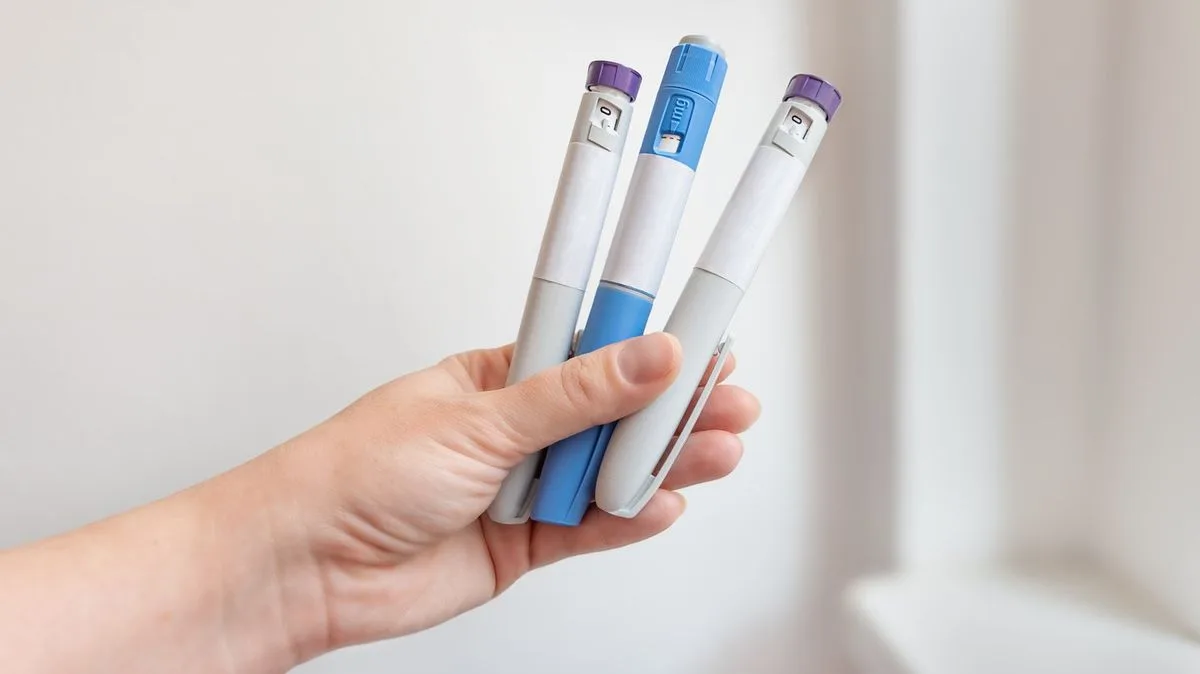
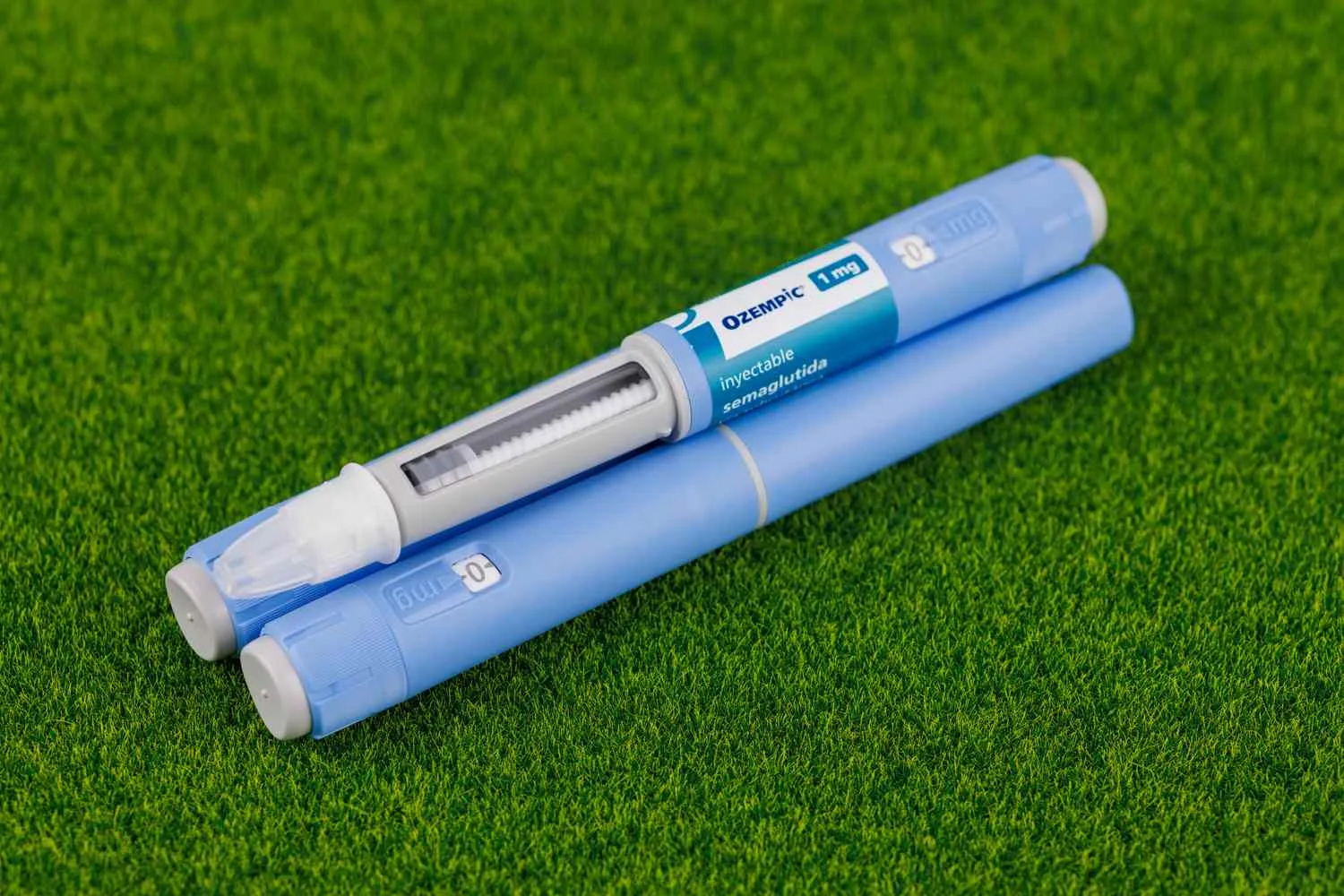
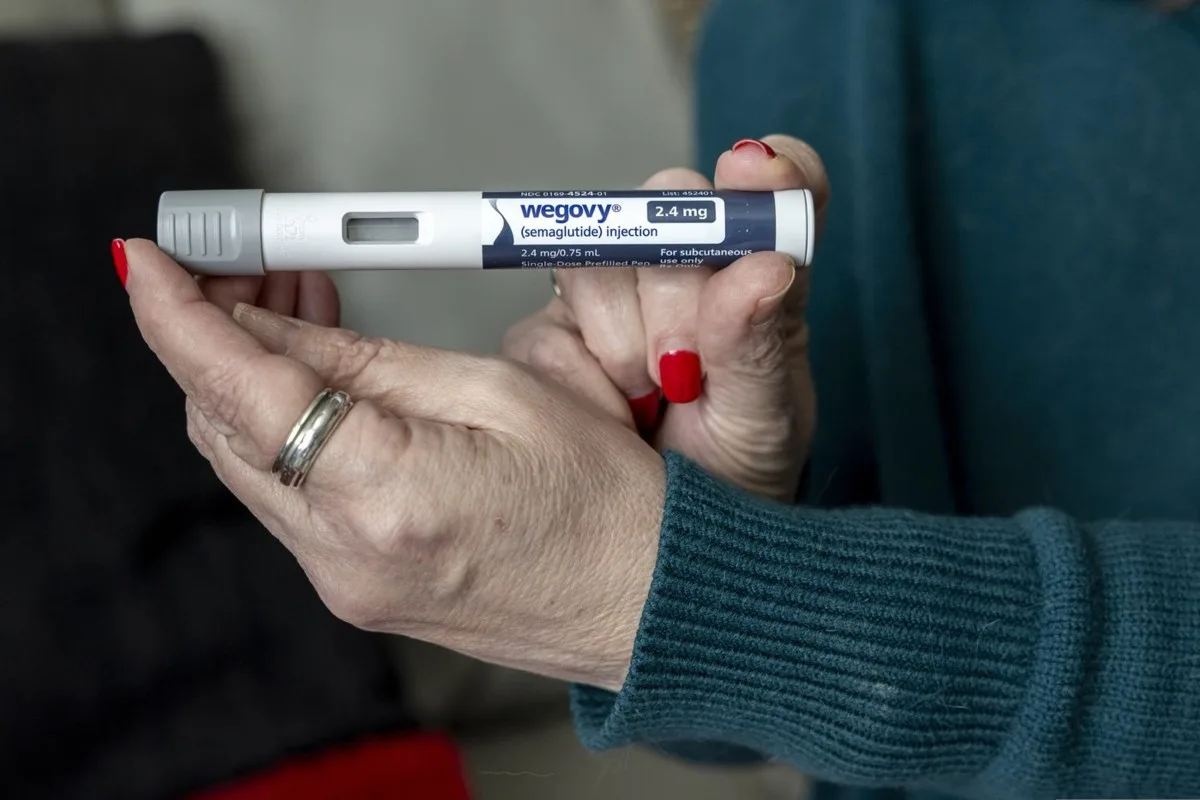
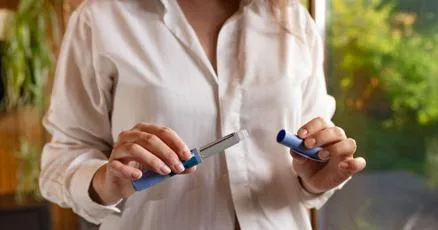
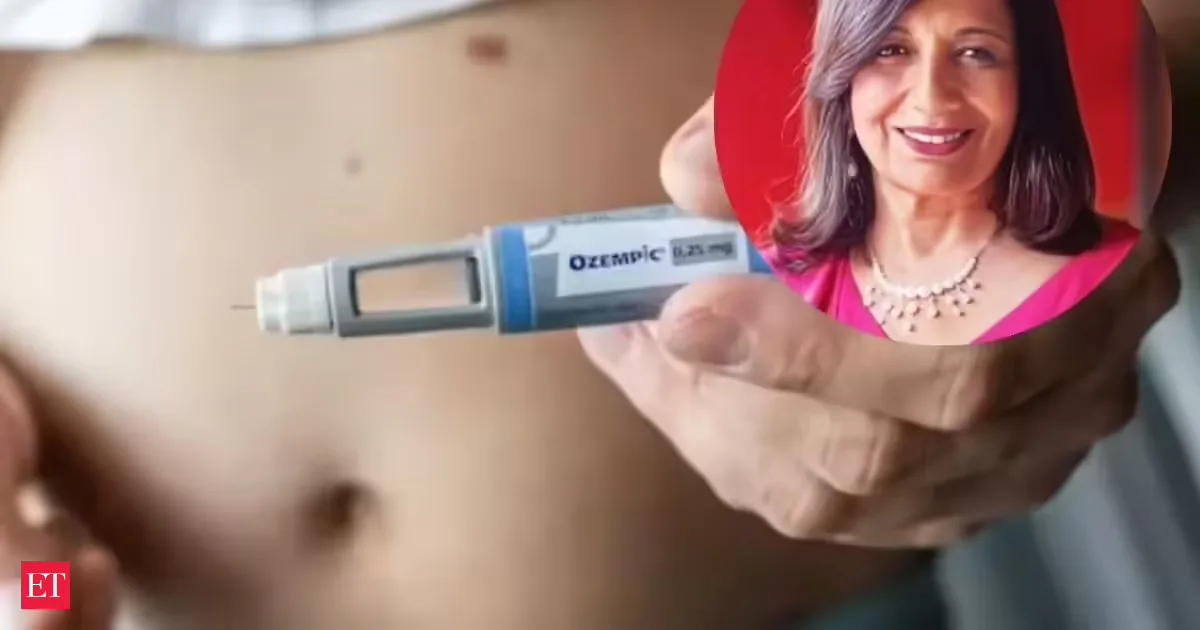
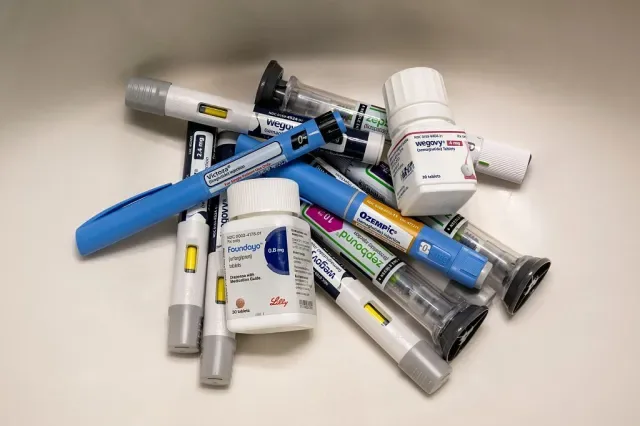
The advent of GLP-1 receptor agonists, including popular medications like semaglutide (Ozempic, Wegovy) and tirzepatide (Mounjaro, Zepbound), has revolutionized weight management and the treatment of type 2 diabetes. These powerful drugs mimic natural hormones, helping to regulate blood sugar and promote satiety, leading to significant weight loss for many individuals. However, as these medications become increasingly widespread, a common, albeit often temporary, side effect has emerged: hair loss.
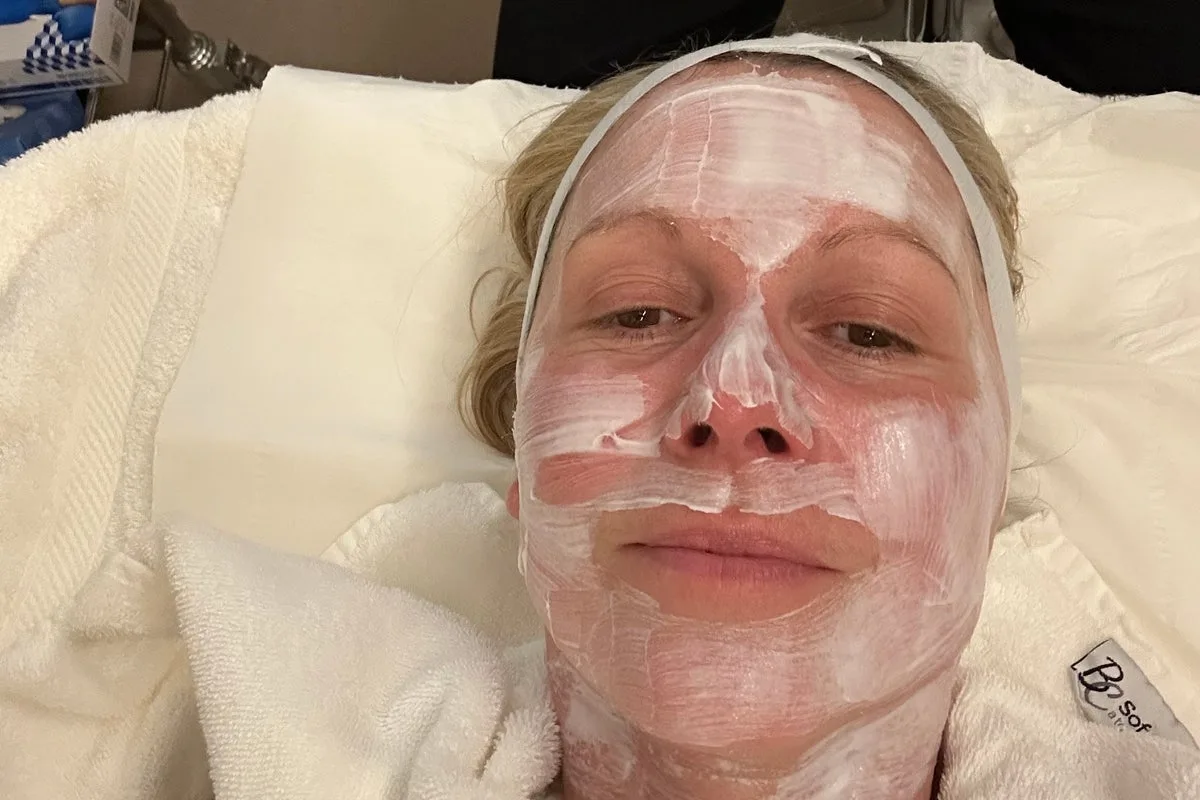
Branneisha Cooper, a 29-year-old who began taking Mounjaro in late 2022, experienced this firsthand. While she was aware of the potential for temporary hair thinning from online discussions, the reality of losing hair in clumps a year into her treatment was still a shock. "I was really hoping it wouldn't happen," Cooper shared. Her provider explained that the rapid rate of weight loss facilitated by the medication could be the culprit. This experience is becoming increasingly common, fueling a growing market for hair treatments aimed at those using GLP-1s.
Cooper's journey highlights a shared concern among many GLP-1 users. She found solace and shared strategies with a growing online community of individuals experiencing similar hair thinning. While the conversation was less frequent at the beginning of her weight-loss journey, the surge in GLP-1 prescriptions has led to more people seeking advice on managing and potentially preventing this side effect. "There has been an increase of people wanting to know how to tackle it, but it's also a lot of people who are wanting to know how they can possibly prevent it, and that's just something that I don't have the answer to," Cooper noted.
The statistics underscore the widespread adoption of these medications. According to Gallup, GLP-1 drug usage has more than doubled since early 2024. A KFF Health Tracking Poll revealed that approximately 13% of U.S. adults are currently taking a GLP-1 drug, indicating a substantial population potentially navigating this side effect.
Understanding the Link: Why Do GLP-1s Cause Hair Loss?
The primary driver behind GLP-1-induced hair loss is generally attributed to rapid weight loss, a phenomenon known medically as telogen effluvium. This condition is a temporary form of hair shedding that occurs when the body experiences a significant physical or emotional stressor. Rapid weight loss is a potent stressor because it can lead to:
- Nutritional Deficiencies: When you lose weight quickly, your body may not be able to absorb or utilize nutrients efficiently. Deficiencies in essential vitamins and minerals crucial for hair health, such as iron, zinc, biotin, and protein, can disrupt the hair growth cycle.
- Metabolic Shifts: The dramatic changes in metabolism and hormonal balance associated with significant weight loss can shock the hair follicles, pushing a larger-than-usual percentage of hairs into the resting (telogen) phase prematurely.
- Stress Response: The physiological stress of rapid weight loss can trigger the body's stress response, which can negatively impact the hair growth cycle.
It's important to note that GLP-1 medications themselves are not directly causing hair follicles to die. Instead, they facilitate a rapid weight loss that, in turn, triggers telogen effluvium. This means the hair loss is typically reversible once the body adjusts to its new weight and nutritional status, and any underlying deficiencies are addressed.
When Does Hair Loss Typically Occur?
The onset of telogen effluvium can vary, but it often appears a few months after the initiating event – in this case, the start of GLP-1 therapy and subsequent rapid weight loss. For Branneisha Cooper, it took about a year. This delay is because the hair growth cycle has distinct phases:
- Anagen (Growth Phase): This is the active growing phase, lasting several years.
- Catagen (Transitional Phase): A short phase where the hair follicle shrinks.
- Telogen (Resting Phase): The hair follicle rests, and the hair sits dormant.
- Exogen (Shedding Phase): The old hair is released, and a new hair begins to grow.
When a stressor like rapid weight loss occurs, it can push a significant number of hairs from the anagen phase into the telogen phase. It then takes approximately 2-4 months for these resting hairs to enter the shedding phase (exogen), leading to noticeable hair fall. This is why individuals might not see thinning for several months after starting their weight loss journey.
Strategies for Managing and Mitigating Hair Loss
While hair loss associated with GLP-1s is often temporary, proactive management can help mitigate its severity and support hair regrowth. Branneisha Cooper's approach of prioritizing protein and taking supplements is a common and sensible strategy. Here are several key areas to focus on:
Precision tracking for your journey
Join thousands using Shotlee to accurately track GLP-1 medications and side effects.
📱 Get the Shotlee App
Track your GLP-1 medications, peptides, and health metrics on the go with our mobile app!
1. Nutritional Optimization
Adequate nutrition is paramount. As you lose weight, ensure you are consuming enough protein, which is the building block of hair. Aim for lean protein sources with every meal. Additionally, focus on micronutrients essential for hair health:
- Iron: Crucial for oxygen transport to hair follicles.
- Zinc: Plays a role in hair tissue growth and repair.
- Biotin: A B vitamin often associated with hair strength.
- Vitamin D: May play a role in hair follicle cycling.
- Omega-3 Fatty Acids: Can help reduce inflammation and support scalp health.
Consult with your healthcare provider or a registered dietitian to assess your nutritional status and identify any potential deficiencies. They may recommend specific supplements based on your individual needs.
2. Scalp Care and Stimulation
A healthy scalp is the foundation for healthy hair growth. Gentle scalp massage can improve circulation, which may help stimulate hair follicles. Consider using:
- Gentle Shampoos and Conditioners: Avoid harsh chemicals that can strip the scalp of its natural oils.
- Scalp Massagers: Use during showering or with hair oils.
- Topical Treatments: Products containing ingredients like minoxidil (Rogaine) can be effective for some individuals, though it's best to discuss this with your doctor.
3. Stress Management
While weight loss itself is a goal, the process can be stressful. Incorporating stress-reducing activities into your routine can be beneficial:
- Mindfulness and meditation
- Gentle exercise (yoga, walking)
- Adequate sleep
- Engaging in hobbies
4. Patience and Monitoring
Remember that telogen effluvium is typically temporary. Hair regrowth can take several months. Consistent application of these strategies, along with patience, is key. For individuals using GLP-1s, meticulously tracking their weight, symptoms, and medication adherence can be invaluable. Tools like the Shotlee app can help users log their doses, monitor side effects like hair thinning, and track nutritional intake, providing a comprehensive overview of their health journey and helping identify patterns.
GLP-1s and Hair Loss: A Comparative Look
While telogen effluvium is the most common form of hair loss associated with rapid weight loss from GLP-1s, it's important to distinguish it from other types of hair loss. The key characteristics of GLP-1-related hair loss are:
| Feature | GLP-1 Associated Hair Loss (Telogen Effluvium) | Other Hair Loss Types (e.g., Androgenetic Alopecia) |
|---|---|---|
| Cause | Rapid weight loss, nutritional deficiencies, physiological stress | Genetics, hormonal imbalances (e.g., DHT), aging |
| Onset | Delayed (2-4 months after stressor) | Gradual, often over years |
| Pattern | Diffuse thinning all over the scalp | Receding hairline, thinning crown (men); widening part (women) |
| Duration | Temporary, reversible with resolution of stressor | Often progressive and permanent without treatment |
| Treatment Focus | Nutritional support, stress management, patience | Medications (minoxidil, finasteride), lifestyle changes, procedures |
Understanding this distinction is crucial for effective management. If you experience hair loss that doesn't fit the pattern of diffuse thinning or doesn't improve with time and nutritional support, it's essential to consult a dermatologist to rule out other underlying causes.
Practical Takeaways for GLP-1 Users
If you are using or considering GLP-1 medications for weight loss, be aware of the potential for temporary hair thinning. Proactive steps can make a significant difference:
- Prioritize Nutrition: Focus on a balanced diet rich in protein and essential micronutrients.
- Stay Hydrated: Drink plenty of water to support overall bodily functions.
- Manage Stress: Incorporate relaxation techniques into your daily routine.
- Gentle Hair Care: Use mild products and avoid excessive heat styling.
- Monitor Your Progress: Use tools like Shotlee to track your weight, diet, and any emerging symptoms, including hair changes.
- Consult Your Doctor: Discuss any concerns about hair loss with your healthcare provider.
Conclusion
The effectiveness of GLP-1 medications in promoting weight loss and managing chronic conditions is undeniable. While temporary hair loss is a recognized side effect, it is generally a manageable and reversible consequence of rapid weight reduction. By understanding the underlying mechanisms, prioritizing nutrition, managing stress, and practicing patience, individuals can navigate this aspect of their weight loss journey with greater confidence. Open communication with healthcare providers and leveraging tools for health tracking can further empower users to achieve their health goals while addressing potential side effects effectively.