
The Unexpected Impact of GLP-1 Medications on Bridal Fashion
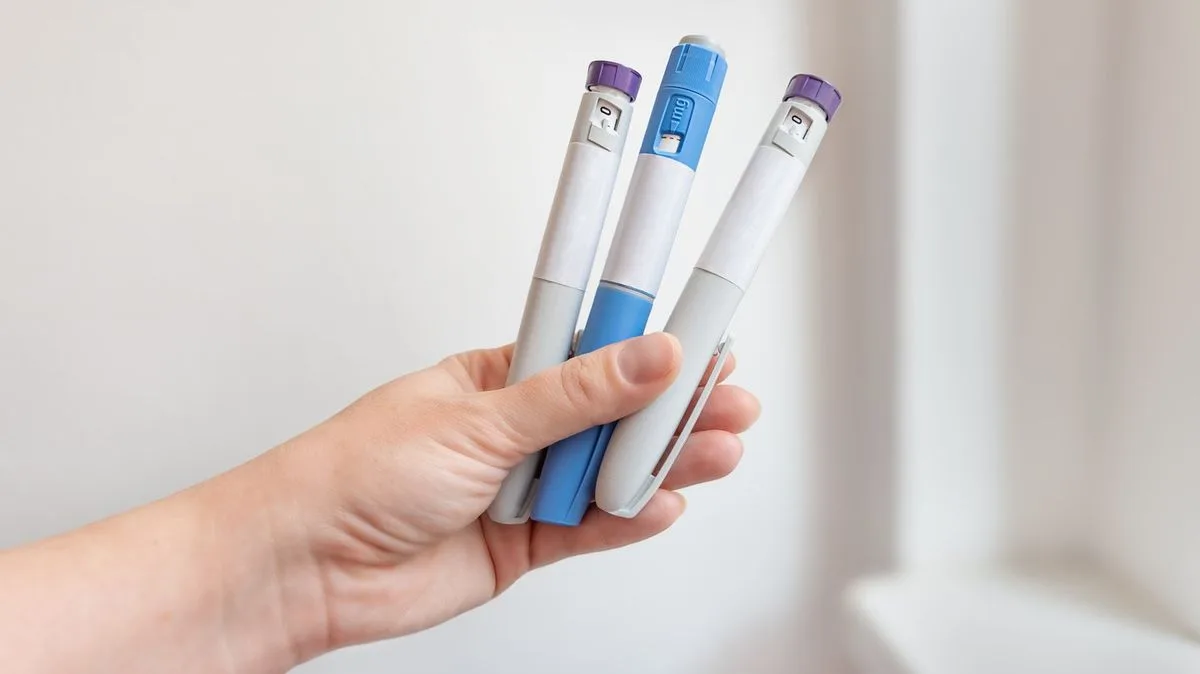
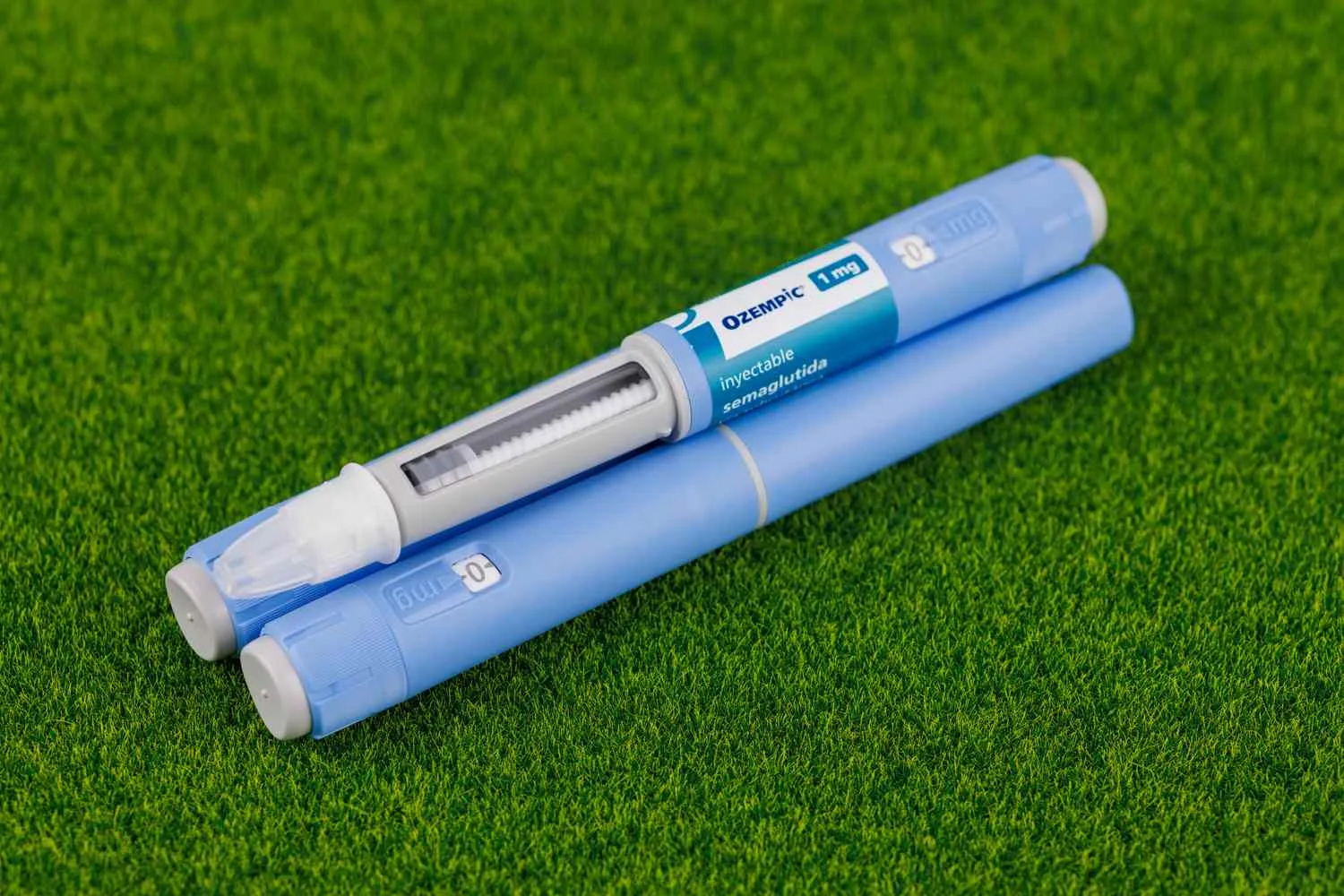
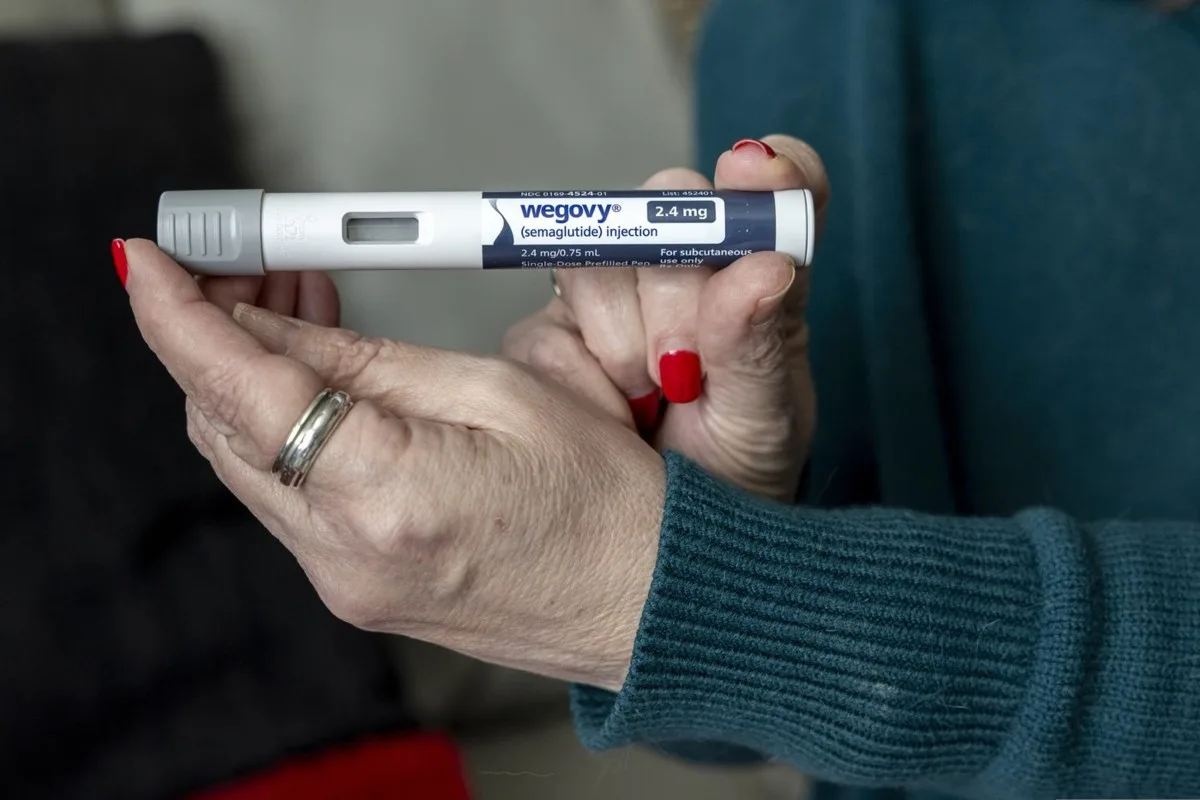
The landscape of weight management has been significantly altered by the advent of GLP-1 receptor agonists, a class of drugs that includes popular medications like semaglutide (Ozempic, Wegovy) and tirzepatide (Mounjaro). Initially developed for managing type 2 diabetes, these medications have shown remarkable efficacy in promoting substantial weight loss, leading to their widespread off-label use for obesity treatment. While the health benefits for many individuals are profound, this surge in popularity is creating ripples in various industries, including the deeply personal and time-sensitive world of bridal fashion.
For brides-to-be, the journey to their wedding day often involves meticulous planning, and a significant part of that is selecting and fitting the perfect wedding gown. Traditionally, this process allows ample time for alterations as the bride's body naturally fluctuates or settles. However, the rapid and often dramatic weight loss experienced by some individuals on GLP-1 medications is challenging these established timelines and practices, forcing bridal shops to adapt to a new reality.
Redefining the Wedding Dress Timeline and Fitting Process
The traditional timeline for ordering and altering a wedding dress typically spans six to nine months. This allows for the initial selection, ordering of the gown in the bride's current size, and subsequent fittings as the wedding date approaches. This buffer is crucial because wedding dresses are often ordered in standard sizes and then tailored to the bride's exact measurements for a flawless fit. However, brides utilizing GLP-1 medications are experiencing weight loss at a pace that can outstrip this traditional schedule.
The Challenge of Predicting Body Changes
Bridal shop owners and consultants are finding it increasingly difficult to predict how a bride's body will transform between the initial fitting and the wedding day. "They could have been apple-shaped before, and now it's like their entire midsection is dramatically smaller than it ever was before," noted one bridal shop owner in a report by The Wall Street Journal. This unpredictability means that a gown perfectly fitted at one stage might be significantly too large by the time the wedding arrives, necessitating extensive, and sometimes costly, alterations or even the purchase of a completely new gown.
Waivers and New Protocols
To mitigate the risks associated with rapid weight loss, some bridal boutiques are implementing new protocols. One such measure is requiring brides to sign waivers. These legal documents acknowledge that the bride is intentionally ordering a gown that may not fit at the time of purchase, anticipating future weight loss. The waiver typically states that the bride understands major alterations or a replacement gown may be necessary, and that the shop is not liable for these additional costs or changes. This practice highlights the significant shift in how bridal appointments and gown orders are being managed.
The Broader Implications of GLP-1 Medications
The impact of GLP-1 medications extends far beyond the bridal industry. These drugs, including semaglutide and tirzepatide, are transforming the approach to weight management for millions. Their effectiveness in promoting satiety and reducing appetite has led to significant health improvements for many, including better blood sugar control and reduced cardiovascular risk factors. However, the rapid adoption of these powerful medications also necessitates a comprehensive understanding of their effects across various aspects of life.
Precision tracking for your journey
Join thousands using Shotlee to accurately track GLP-1 medications and side effects.
📱 Get the Shotlee App
Track your GLP-1 medications, peptides, and health metrics on the go with our mobile app!
Beyond the Wedding Dress: A New Era of Health Tracking
For individuals managing their weight with GLP-1 therapies, consistent health tracking is more important than ever. This includes monitoring weight changes, noting shifts in body composition, and understanding how these changes affect overall well-being. Tools that can help track medication adherence, side effects, and progress can be invaluable. For instance, using a health tracking app like Shotlee can empower individuals to log their medication doses, record their weight, and document any symptoms or changes they experience, providing a comprehensive overview for themselves and their healthcare providers.
Considerations for Other Industries
The bridal industry is just one example of how GLP-1 medications are prompting adaptations. Other sectors that rely on predictable body measurements or timelines, such as bespoke tailoring, certain athletic apparel, and even some medical device fittings, may also need to consider the implications of widespread GLP-1 use. The emphasis is shifting towards flexibility, personalized approaches, and a greater acknowledgment of individual physiological responses to treatment.
Navigating Your Wedding Journey with GLP-1 Therapy
For brides-to-be who are on GLP-1 medications, open communication with your bridal consultant is paramount. Here are some practical steps to consider:
- Consult Your Doctor: Discuss your wedding timeline and any potential weight loss goals with your healthcare provider. Understanding your expected rate of weight loss is crucial.
- Be Transparent with Your Bridal Shop: Inform your bridal consultant early on about your use of GLP-1 medication and your anticipated weight loss. This allows them to guide you on the best ordering strategy and timeline.
- Consider Ordering Later: If possible, and depending on the designer's lead times, consider ordering your gown closer to your wedding date to better align with your expected final size.
- Factor in Alteration Costs: Be prepared for potentially more extensive alterations and budget accordingly.
- Embrace Flexibility: Understand that some flexibility may be needed. The goal is to feel beautiful and confident on your big day, regardless of minor adjustments.
A Table of Considerations for Brides on GLP-1 Medications
| Factor | Traditional Approach | GLP-1 Medication Impact | Recommendation |
|---|---|---|---|
| Gown Ordering Timeline | 6-9 months before wedding | Rapid weight loss can make early orders ill-fitting | Consult doctor and bridal shop; consider later ordering if feasible. |
| Fitting Appointments | Scheduled at intervals, allowing for minor adjustments | May require more frequent or significant alterations | Be prepared for multiple fittings and potential major adjustments. |
| Gown Size | Ordered based on current measurements | Bride may shrink out of ordered size significantly | Discuss ordering a slightly smaller size with the shop, or be prepared for a new gown. |
| Alteration Costs | Standard alteration fees | Potentially higher due to extensive adjustments or replacement | Budget for increased alteration expenses or a new gown. |
| Communication | Standard bridal consultation | Requires open and honest communication about medication use | Inform your bridal consultant about your GLP-1 therapy upfront. |
The Future of Bridal and Weight Management
The integration of GLP-1 medications into mainstream health practices is a relatively new phenomenon, and its long-term effects will continue to unfold. For the bridal industry, this means an ongoing need for adaptability and a willingness to embrace new client needs. For individuals on these medications, it underscores the importance of holistic health management, where medical treatment, lifestyle choices, and even significant life events like weddings require careful coordination.
As more people benefit from the weight loss and health improvements offered by semaglutide, tirzepatide, and similar therapies, industries will continue to adjust. The key is proactive communication, informed decision-making, and a collaborative approach between patients, healthcare providers, and service providers to ensure that life's special moments are celebrated without unnecessary stress.
Conclusion
The rise of GLP-1 medications like Ozempic and Wegovy has introduced a dynamic element into the wedding dress industry, challenging traditional timelines and fitting processes. Brides experiencing rapid weight loss are prompting bridal shops to implement new protocols, including waivers, to manage expectations and potential complications. This trend highlights the broader societal impact of these powerful weight-loss drugs, emphasizing the need for adaptability across various sectors. For brides-to-be on GLP-1 therapy, open communication with healthcare providers and bridal consultants, coupled with a flexible approach, is essential for a smooth and joyful journey toward their wedding day.