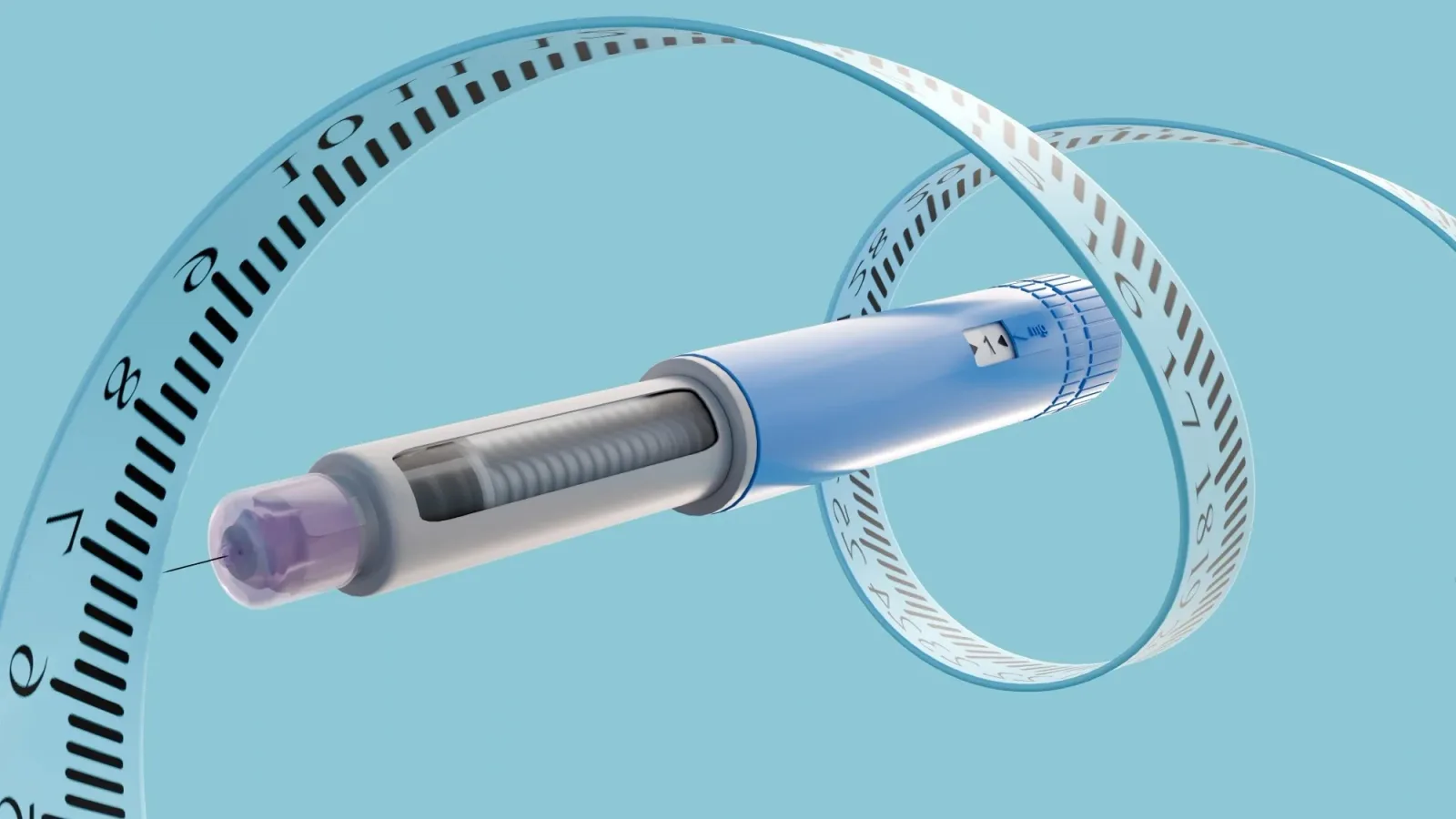

The Rise of GLP-1s and a New Concern: Hair Loss
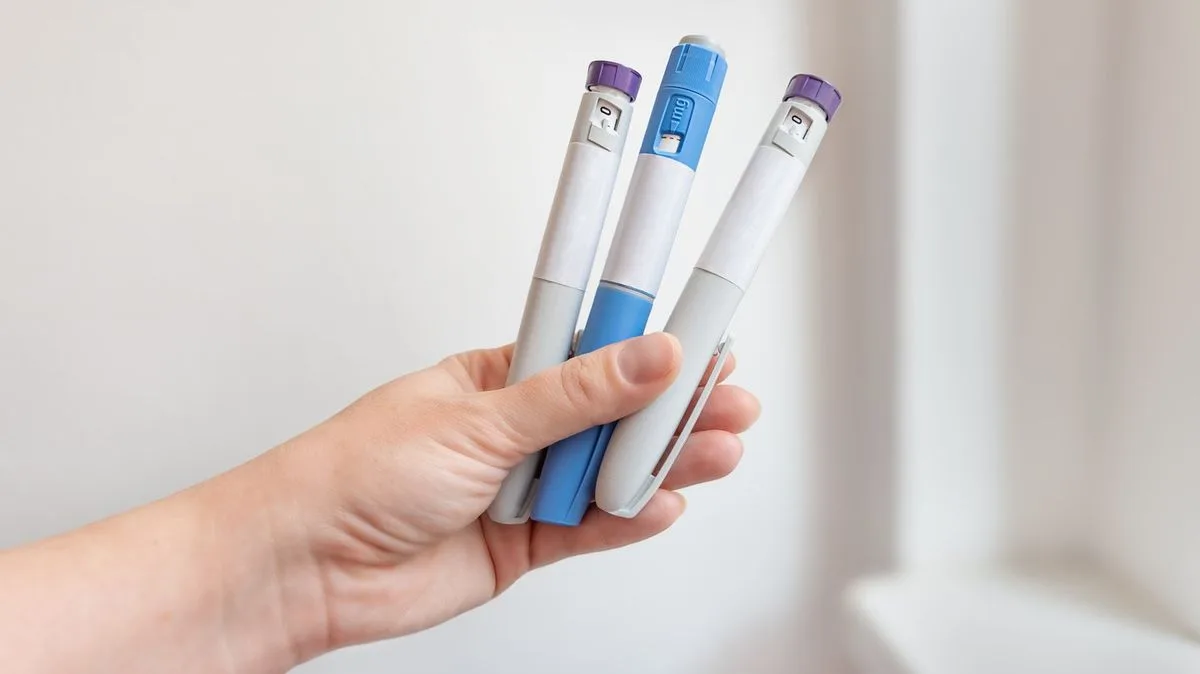
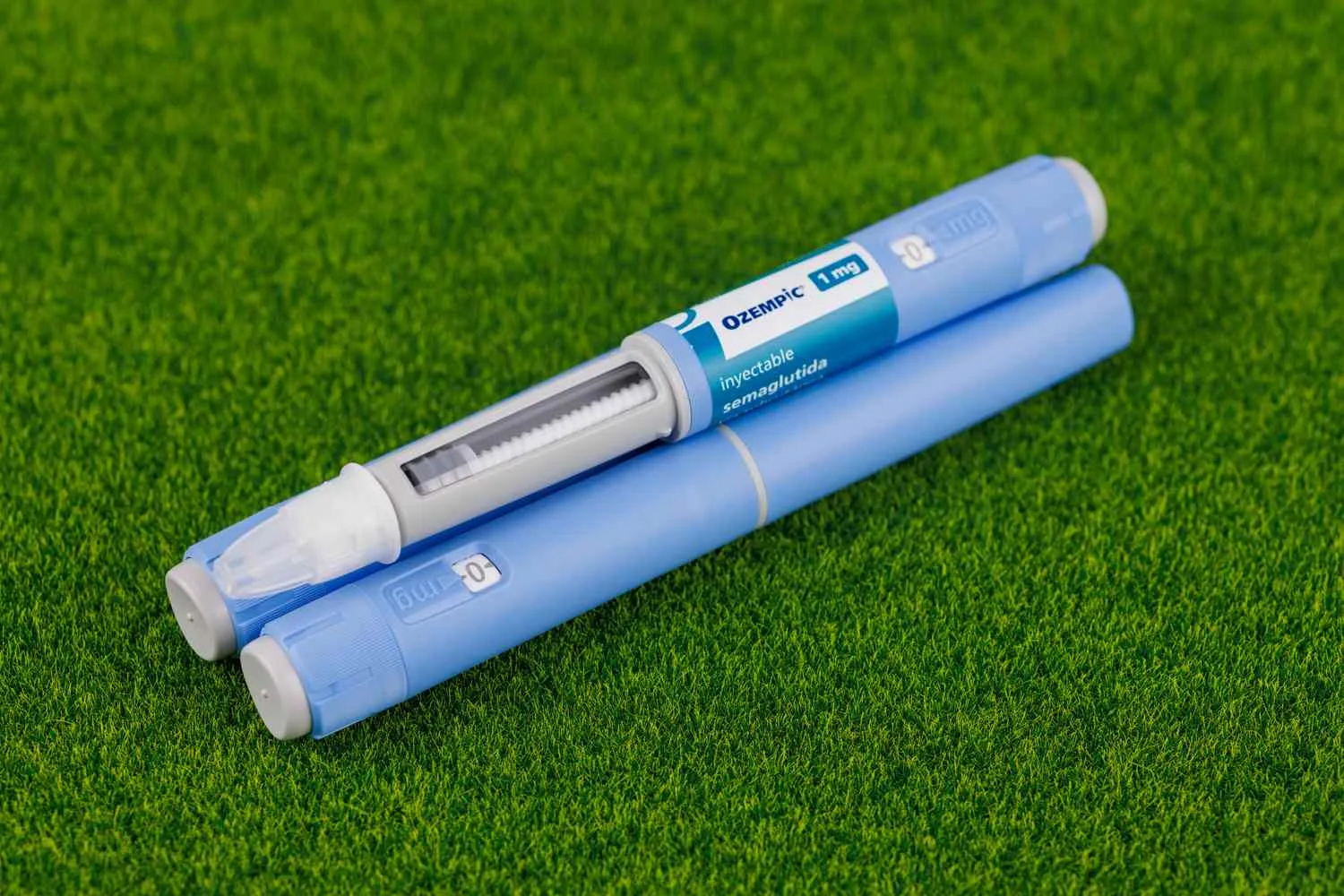
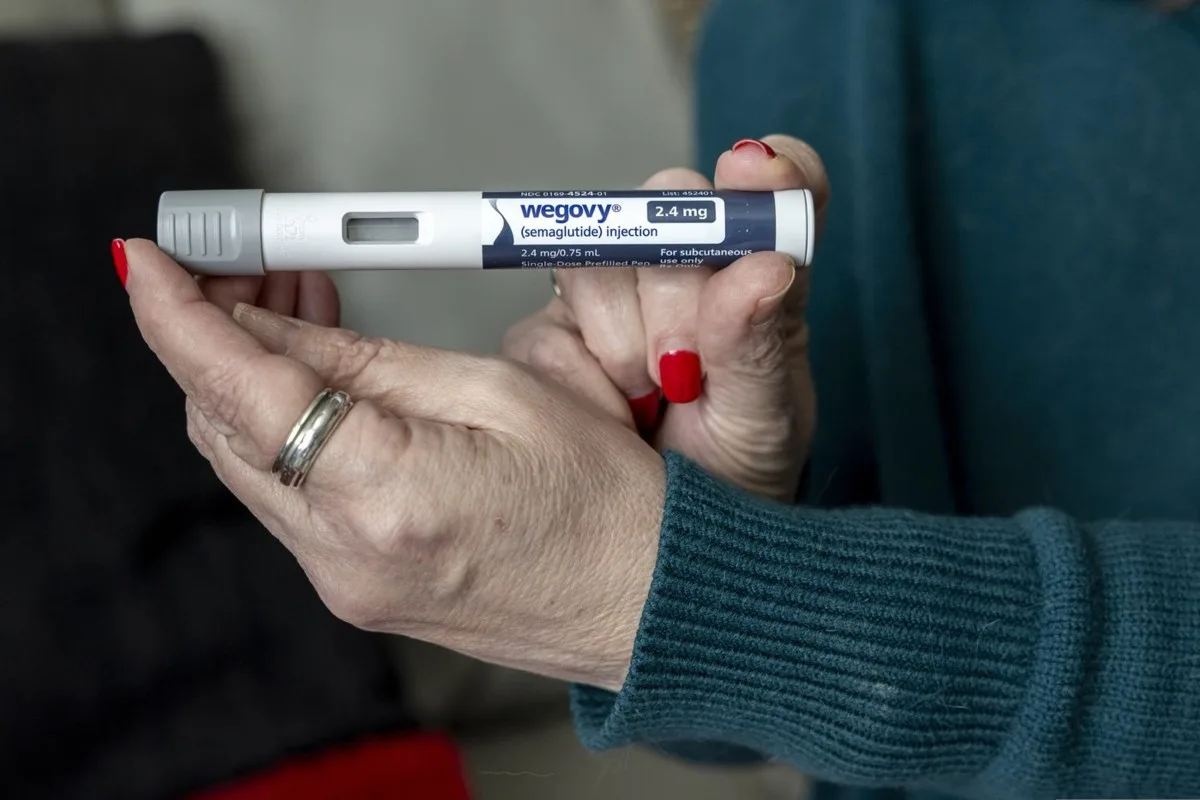
In recent years, Glucagon-Like Peptide-1 (GLP-1) receptor agonists have revolutionized the landscape of weight management and diabetes treatment. Medications such as semaglutide (brand names Ozempic, Wegovy) and tirzepatide (brand name Mounjaro) have demonstrated remarkable efficacy in helping individuals achieve significant weight loss and improve glycemic control. However, as these powerful medications become more widely prescribed, a growing number of users are reporting a specific side effect: hair loss. A recent study is shedding light on this phenomenon, suggesting a direct link between GLP-1 drugs and temporary hair shedding.
This emerging concern, while not universally experienced, is significant enough to warrant attention from both medical professionals and patients. Understanding the potential causes, prevalence, and management strategies for GLP-1-associated hair loss is crucial for those considering or currently undergoing treatment. This article delves into the findings of the latest research, explores the underlying mechanisms, and offers practical advice for navigating this common side effect.
Understanding the Connection: Rapid Weight Loss and Hair Shedding
The link between rapid weight loss and hair shedding is a well-established phenomenon in dermatology, often referred to as telogen effluvium. When the body undergoes significant physiological stress, such as a drastic reduction in calorie intake or rapid weight loss, it can disrupt the normal hair growth cycle. This disruption causes a larger-than-usual number of hair follicles to enter the resting (telogen) phase prematurely. Several months later, these hairs are shed, leading to noticeable thinning.
GLP-1 medications are highly effective at promoting substantial weight loss, often at a rapid pace. This rapid weight loss, rather than the drug itself directly causing hair follicles to fall out, is believed to be the primary driver behind the observed hair thinning. As Rod Sickler, a salon and spa owner and GLP-1 user, shared, "when you first take them, a lot of times you'll have a lot of rapid weight loss. And with rapid weight loss, it will always say this, that whatever happens inside your body affects your hair like a few months later." This sentiment highlights the indirect nature of the connection: the drug facilitates rapid weight loss, which in turn can trigger hair shedding.
The Timing of Hair Loss
Patients often report experiencing hair thinning approximately two to three months after starting GLP-1 therapy. This delay aligns with the typical timeline for telogen effluvium, where the shedding phase occurs some time after the initial stressor. For individuals like Sickler, the thinning became noticeable within this timeframe, but he also noted that continuing the medication, with proper management, could help stabilize the situation. "I think as long as you take the right product, I think you won't see hair growth immediately. But I think what will happen if you start that, it stops," he stated, suggesting that once the body adjusts and weight loss stabilizes, hair shedding may cease.
Study Findings and Key Takeaways
The research published in venues like Science Progress indicates that hair shedding associated with GLP-1 medications is generally temporary. The study's contributors suggest that maintaining steady, healthy weight loss and adopting a balanced diet are key strategies for mitigating this side effect. Importantly, discontinuing the medication is not always necessary. The focus is on managing the consequences of rapid weight loss.
The study also highlighted demographic differences in the experience of hair thinning:
- Gender Differences: Women were found to be more likely to experience hair thinning than men. This could be due to hormonal differences, varying body fat composition, or other physiological factors that influence the impact of rapid weight loss on hair cycles.
- Individual Variability: As with many medical treatments, the experience of side effects can vary significantly from person to person. Not everyone on GLP-1 medications will experience hair loss, and the severity can differ greatly among those who do. Sickler noted, "It's, not a side effect that everyone suffers from, but occasionally it is."
Furthermore, the research suggests that the dosage of the GLP-1 medication might play a role. Lower doses could potentially lead to less pronounced weight loss and, consequently, a reduced likelihood or severity of hair thinning. This underscores the importance of individualized treatment plans and careful titration of medication under medical supervision.
Managing GLP-1 Associated Hair Loss
For individuals experiencing hair loss while on GLP-1 therapy, the good news is that it is typically reversible once the body adapts to the weight loss or if the underlying cause is addressed. The primary recommendation from researchers and experienced users is to focus on sustainable lifestyle changes and consult with healthcare providers.
Precision tracking for your journey
Join thousands using Shotlee to accurately track GLP-1 medications and side effects.
📱 Get the Shotlee App
Track your GLP-1 medications, peptides, and health metrics on the go with our mobile app!
Dietary and Nutritional Support
A balanced diet rich in essential nutrients is paramount. Hair growth requires adequate protein, iron, zinc, biotin, and vitamins. During rapid weight loss, ensuring sufficient intake of these nutrients is critical to support existing hair and promote new growth. Consulting with a registered dietitian can be invaluable in creating a meal plan that supports both weight management goals and nutritional needs.
Consulting Healthcare Professionals
Open communication with your prescribing physician is essential. They can assess whether the hair loss is indeed related to the GLP-1 medication and rapid weight loss, or if another underlying medical condition might be contributing. Your doctor can also discuss strategies such as adjusting the dosage, if appropriate, or exploring alternative treatments if the side effect is particularly distressing.
Leveraging Technology for Health Tracking
For individuals managing their health journey with GLP-1 medications, tools like Shotlee can be incredibly beneficial. Tracking medication doses, weight loss progress, dietary intake, and any emerging symptoms, including hair thinning, provides a comprehensive overview of your health data. This detailed log can empower you during conversations with your healthcare team, helping them to better understand the impact of the medication and tailor your treatment plan effectively. Monitoring your progress with Shotlee can help identify patterns and ensure you're on the right track for both weight management and overall well-being.
Seeking Professional Hair Care Advice
As Rod Sickler suggests, hair professionals can also offer practical advice. "If it's thinning out, talk to them and they should have a good recommendation for you," he advises. Stylists and trichologists can recommend gentle hair care practices, appropriate products to minimize breakage, and styling techniques that can help manage thinning hair while it recovers.
Risk vs. Benefit: A Balanced Perspective
It's important for patients and prescribers to weigh the benefits of GLP-1 medications against potential side effects. For many, these drugs offer life-changing improvements in metabolic health, cardiovascular risk reduction, and weight management. The temporary nature of hair loss, coupled with effective management strategies, often means that the overall benefits continue to outweigh this particular side effect.
The following table summarizes key aspects of GLP-1 associated hair loss:
| Aspect | Details |
|---|---|
| Primary Cause | Rapid weight loss induced by GLP-1 medications (telogen effluvium) |
| Onset | Typically 2-3 months after starting medication |
| Duration | Generally temporary, often resolves as weight loss stabilizes |
| Prevalence | Not universal; varies by individual |
| Higher Risk Group | Women |
| Management Strategies | Nutrient-rich diet, steady weight loss, physician consultation, gentle hair care |
| Medication Discontinuation | Often not necessary; focus on managing the side effect |
Conclusion
The emergence of hair loss as a potential side effect of GLP-1 medications like Ozempic, Wegovy, and Mounjaro is a valid concern for many patients. However, research indicates that this is typically a temporary consequence of rapid weight loss, a common and often desired outcome of these therapies. By understanding the underlying mechanisms, maintaining a nutrient-dense diet, working closely with healthcare providers, and utilizing tools for comprehensive health tracking, individuals can effectively manage this side effect. The overwhelming benefits of GLP-1s for metabolic health and weight management often mean that with proactive management, the journey towards a healthier weight can continue with confidence, even with temporary hair thinning.
Practical Takeaways:
- Educate Yourself: Understand that hair loss is often linked to rapid weight loss, not the drug itself directly.
- Prioritize Nutrition: Focus on a balanced diet rich in protein, vitamins, and minerals.
- Communicate Openly: Discuss any concerns about hair loss with your doctor and consider consulting a dietitian or hair care professional.
- Track Your Progress: Use tools like Shotlee to monitor medication, weight, diet, and symptoms, providing valuable data for your healthcare team.
- Be Patient: Hair loss associated with GLP-1s is usually temporary and often resolves with time and proper management.