
Structure's GLP-1 Pill Shows 16% Weight Loss in Phase 2 Trial
Structure Therapeutics has reported promising mid-stage results for its daily oral GLP-1 pill, demonstrating significant weight loss in obesity patients. In a Phase 2 study, participants lost about 16% of their body weight relative to placebo after 44 weeks. These findings highlight the potential of oral GLP-1 medications to compete in the rapidly evolving market dominated by injectables from giants like Eli Lilly and Novo Nordisk.
Key Details from the Phase 2 Study
Structure Therapeutics announced on Monday that its investigational daily obesity pill delivered substantial weight reduction. The Phase 2 trial results showed patients achieving approximately 16% body weight loss compared to placebo over 44 weeks. This mid-stage data underscores the pill's efficacy in promoting sustained weight management, a critical factor for long-term obesity treatment success.
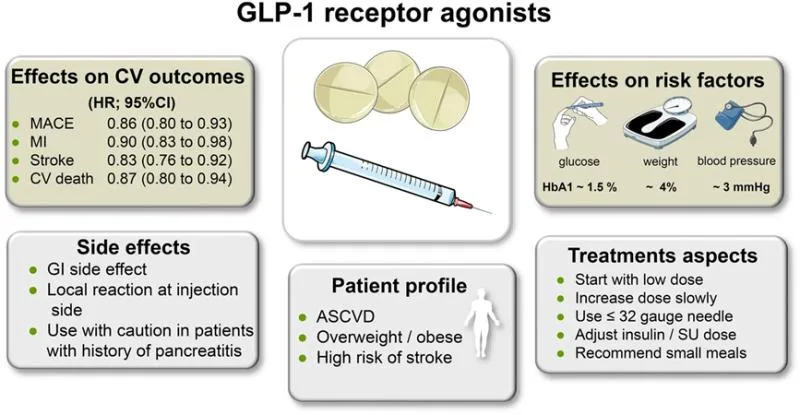
Obesity affects millions worldwide, contributing to conditions like type 2 diabetes, cardiovascular disease, and metabolic syndrome. GLP-1 receptor agonists, the class of drugs Structure is developing, mimic the glucagon-like peptide-1 hormone to regulate appetite, slow gastric emptying, and improve insulin sensitivity. Structure's oral formulation aims to make this therapy more accessible by eliminating the need for injections.
Study Design and Patient Outcomes
The Phase 2 study evaluated the safety and efficacy of the oral GLP-1 pill in patients with obesity. After 44 weeks, the treatment arm showed a mean weight loss of 16% versus placebo, indicating robust dose-dependent effects. While full details on adverse events and dropout rates await publication, these topline results suggest the pill could offer a convenient alternative for patients averse to needles.
Positioning Against Eli Lilly and Novo Nordisk
Structure Therapeutics' results could position the company to compete against Eli Lilly and Novo Nordisk in the high-stakes race to develop oral versions of blockbuster GLP-1 injections. Eli Lilly reported last year that its experimental GLP-1 pill, orforglipron, led to only about 11% weight loss in a 72-week trial. Orforglipron is expected to win U.S. regulatory approval in the coming weeks.
Meanwhile, Novo Nordisk launched an oral version of its drug Wegovy late last year. Wegovy's injectable form has transformed obesity care, but its oral counterpart expands options. Structure's 16% loss in just 44 weeks outperforms orforglipron's trajectory, potentially giving it an edge in efficacy per time frame, though direct head-to-head trials are needed.
Comparative Weight Loss Landscape
- Structure Therapeutics' pill: 16% at 44 weeks (Phase 2)
- Orforglipron (Lilly): 11% at 72 weeks (prior trial)
- Oral Wegovy (Novo): Recently launched; ongoing data collection
This comparison illustrates the competitive dynamics, where faster, greater weight loss could accelerate adoption. Oral GLP-1s address key barriers like injection phobia, improving patient adherence.
Precision tracking for your journey
Join thousands using Shotlee to accurately track GLP-1 medications and side effects.
📱 Get the Shotlee App
Track your GLP-1 medications, peptides, and health metrics on the go with our mobile app!
How Oral GLP-1 Medications Work
GLP-1 receptor agonists like Structure's pill target multiple pathways in metabolic health. They enhance satiety signals in the brain, reduce food intake, and promote energy expenditure. Unlike injections, oral versions must withstand gastrointestinal degradation, often using specialized formulations to ensure bioavailability.
Structure's approach leverages peptide engineering for stability, allowing once-daily dosing. This mechanism not only aids weight loss but also supports glycemic control, making it relevant for patients with obesity-related comorbidities.
Implications for Patients and Clinical Practice
For patients considering GLP-1 therapy, Structure's results signal a shift toward pill-based options. Those who struggle with injectables—due to discomfort, travel, or lifestyle—may find orals more feasible. Discuss with your healthcare provider if you have obesity (BMI ≥30) or overweight with comorbidities, as eligibility varies.
Practical guidance includes starting with lifestyle changes and monitoring progress. Tools like Shotlee can help track symptoms, side effects, or medication schedules during trials. Always prioritize FDA-approved therapies while awaiting Structure's Phase 3 data.
Safety Considerations with Oral GLP-1s
Common GLP-1 side effects include nausea, vomiting, and diarrhea, often transient. Structure's Phase 2 data will clarify its profile, but comparisons to orforglipron (similar tolerability) are encouraging. Long-term cardiovascular outcomes, a strength of injectables like Wegovy, remain to be seen for orals. Contraindications include history of medullary thyroid carcinoma or multiple endocrine neoplasia syndrome type 2.
What This Means for the Future of Obesity Treatment
Structure Therapeutics' Phase 2 success amplifies momentum in oral GLP-1 development. With Lilly's orforglipron nearing approval and Novo's oral Wegovy available, competition will drive innovation in efficacy, tolerability, and cost. Patients stand to benefit from more choices, potentially lowering barriers to sustained weight loss.
Key Takeaways
- Structure's daily oral GLP-1 pill showed 16% weight loss vs placebo at 44 weeks in Phase 2.
- Outperforms Lilly's orforglipron (11% at 72 weeks) in speed and magnitude.
- Positions Structure to rival Novo Nordisk's oral Wegovy.
- Oral formats enhance accessibility for obesity management.
- Consult providers for personalized therapy options.
In summary, these results reinforce oral GLP-1s as a viable path forward. Stay informed on Phase 3 trials for Structure's pill, which could reshape metabolic health care. Reported by Jason Mast, a general assignment reporter at STAT focused on new medicines.