
Shotlee LogoShotlee
Blog
Download on theApp Store
Get it onGoogle Play
Skip to main content
GLP-1s, Hormones, and Weight Loss: What Women Need to Know - Featured image
Health & Wellness

GLP-1s, Hormones, and Weight Loss: What Women Need to Know

Dr. Adrian Vale, MD
Reviewed by Dr. Adrian Vale, MDInternal Medicine · Board-Certified Obesity Medicine
·6 min read

On this page

  • The Unexpected Hormonal Shift: GLP-1s and Women's Health
  • Understanding the Estrogen-Fat Connection
  • The Perimenopause Collision: Symptoms Misattributed
  • Why Prescribers May Miss the Connection
  • Comparing Outcomes: Weight Loss vs. Holistic Health
  • Practical Takeaways for GLP-1 Users
  • Conclusion
  • Aromatase: The Backup Estrogen Factory
  • The Consequence of Sleep Disruption
  • Establishing a Hormonal Baseline

Track Smart

Calculate active GLP-1 levels automatically with Shotlee.

Download →

Many women starting GLP-1 therapies experience significant weight loss, only to find their menopausal symptoms—like hot flashes and sleep issues—intensify. This phenomenon is often overlooked because rapid fat loss directly interacts with the body's declining estrogen production, creating a complex hormonal shift that many prescribers are not trained to address.

Share

On this page

  • The Unexpected Hormonal Shift: GLP-1s and Women's Health
  • Understanding the Estrogen-Fat Connection
  • The Perimenopause Collision: Symptoms Misattributed
  • Why Prescribers May Miss the Connection
  • Comparing Outcomes: Weight Loss vs. Holistic Health
  • Practical Takeaways for GLP-1 Users
  • Conclusion
  • Aromatase: The Backup Estrogen Factory
  • The Consequence of Sleep Disruption
  • Establishing a Hormonal Baseline

The Unexpected Hormonal Shift: GLP-1s and Women's Health

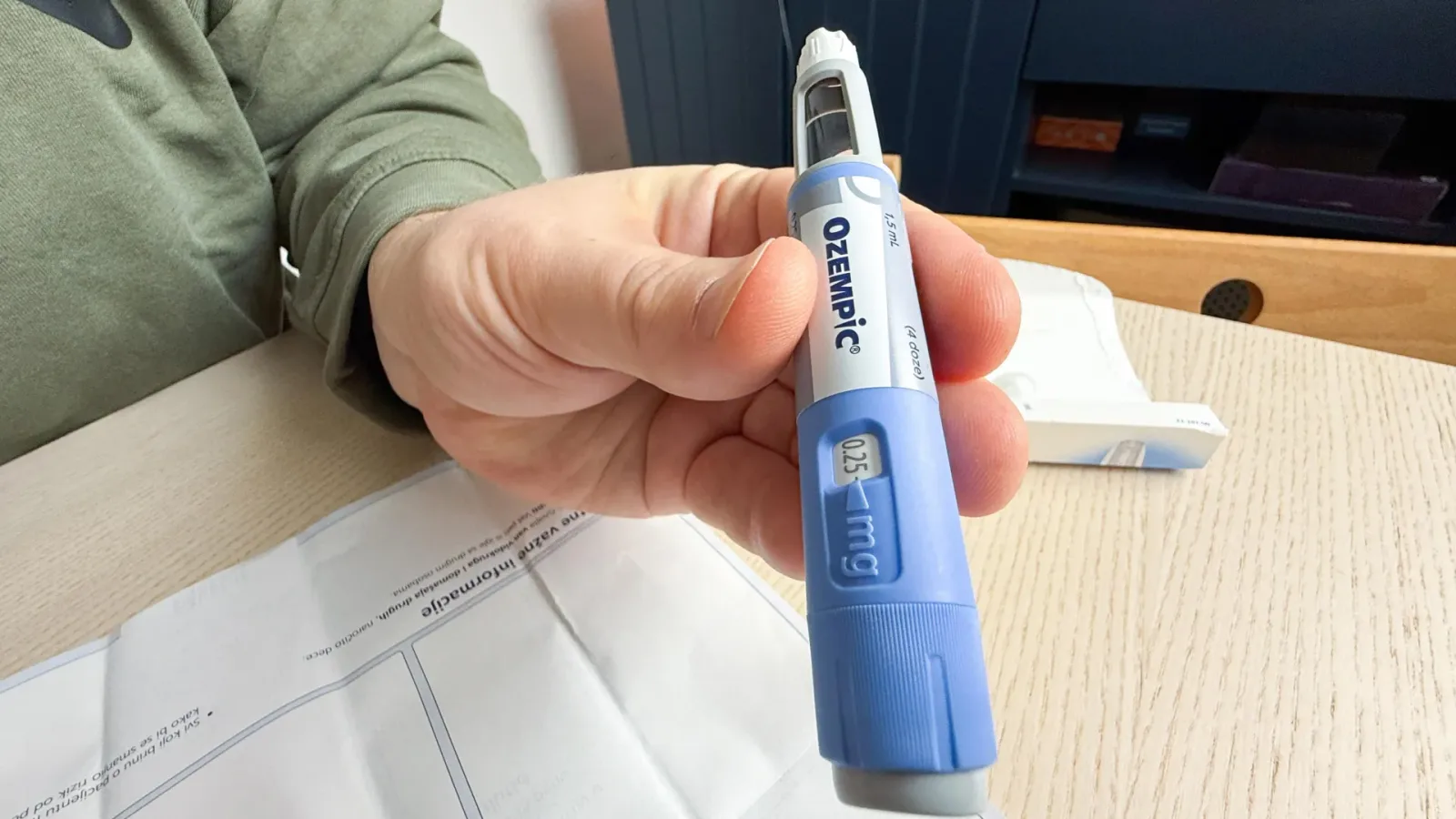
The rise of GLP-1 receptor agonists—medications like Ozempic, Wegovy, Mounjaro, and Zepbound—has revolutionized the approach to weight management and metabolic health. Patients are achieving remarkable, often rapid, weight loss. However, for many women navigating their late 30s through their 50s, this success story comes with an unexpected and often undiscussed side effect: worsening hormonal symptoms.

In online communities dedicated to perimenopause and menopause, a consistent narrative emerges: A woman loses significant weight on a GLP-1 medication, yet feels inexplicably worse. Hot flashes intensify, sleep becomes fragmented, and mood swings become unpredictable. When questioned, doctors often attribute these changes to the natural progression of menopause or a temporary adjustment period. The crucial missing piece of the conversation, experts suggest, is the direct link between rapid fat loss and hormonal regulation.

Dr. Jessica Duncan, Chief Medical Officer at Ivim Health and a board-certified obesity medicine physician, highlights that the intersection of rapid weight reduction and hormonal flux is a clinically significant event that is frequently missed by prescribers focused primarily on metabolic markers.

Understanding the Estrogen-Fat Connection

To understand why this happens, we must look at how fat tissue (adipose tissue) interacts with sex hormones, particularly estrogen. Fat is not just storage; it is an active endocrine organ.

Aromatase: The Backup Estrogen Factory

Fat tissue contains the enzyme aromatase, which converts androgens (male hormones present in women) into estrogen. As women approach menopause, ovarian estrogen production naturally declines. Research indicates that the body compensates by upregulating this process in adipose tissue. For women in perimenopause, this fat-derived estrogen often becomes the primary circulating source.

When GLP-1 medications facilitate substantial fat loss—sometimes 20% or more of total body weight—they are effectively shrinking this crucial backup estrogen source. This reduction in adipose tissue can lead to meaningful decreases in circulating estradiol, especially in postmenopausal women. While it is still an area of active research whether GLP-1s induce these changes solely through weight loss or via a direct mechanism, the clinical result is the same: a rapid dip in available estrogen.

“Most GLP-1 prescribers are focused on metabolic outcomes, which makes sense. But they're not always thinking about what rapid fat loss means hormonally for a woman who's already in perimenopause or close to it. Those are not two separate conversations—they're the same conversation.” - Dr. Jessica Duncan

The Perimenopause Collision: Symptoms Misattributed

Women starting GLP-1 therapy in their 40s and early 50s are already experiencing the natural, fluctuating decline of estrogen and progesterone that defines perimenopause. Rapid weight loss does not cause this decline, but it can significantly accelerate the shift toward lower overall estrogen levels, pushing women into symptomatic menopause faster than they might have otherwise experienced.

The resulting symptoms—worsened hot flashes, increased nighttime waking, and mood instability—mimic both expected menopausal changes and common GLP-1 side effects. This overlap leads to diagnostic confusion, where the underlying hormonal trigger is dismissed.

The Consequence of Sleep Disruption

Sleep deterioration is perhaps the most underestimated consequence. A systematic review spanning 86 studies found strong evidence linking declining perimenopausal estrogen and progesterone levels directly to reduced total sleep time and increased nighttime awakenings. Poor sleep, in turn, elevates cortisol, disrupts appetite-regulating hormones, and can sabotage weight management efforts.

When a patient on a GLP-1 starts waking consistently at 2 a.m., it may not be a temporary medication side effect to simply endure; it could be a critical hormonal signal demanding investigation. The same applies to persistent fatigue, uncharacteristic mood swings, or a noticeable drop in libido.

Precision tracking for your journey

Join thousands using Shotlee to accurately track GLP-1 medications and side effects.

📱 Get the Shotlee App

Track your GLP-1 medications, peptides, and health metrics on the go with our mobile app!

Download on theApp Store
Get it onGoogle Play

Why Prescribers May Miss the Connection

The current prescribing landscape for GLP-1s is heavily weighted toward primary care providers and telehealth platforms, disciplines that focus intensely on metabolic health metrics like A1C and BMI. Gynecologists and endocrinologists, who possess deeper expertise in hormonal health, are often not the first point of contact.

Furthermore, the biological interaction between GLP-1s and sex hormones is not fully elucidated. Research suggests that estrogen modulates GLP-1 receptor expression in the hypothalamus. Interestingly, women often report both greater weight loss and a higher incidence of side effects compared to men on the same agonists, underscoring that biology is not sex-neutral—yet the prescribing conversation often defaults to a gender-neutral approach.

Establishing a Hormonal Baseline

For providers managing women in this demographic, integrating hormonal awareness is essential. Dr. Duncan emphasizes the need for a baseline assessment before initiating therapy:

  1. Symptom Inventory: Assessing current hormonal status (e.g., cycle regularity, sleep quality, mood stability).
  2. Pre-Treatment Planning: Understanding that rapid fat loss will impact estrogen availability.
  3. Ongoing Monitoring: Establishing clear benchmarks for when symptoms warrant further investigation beyond standard medication side effects.

For patients utilizing tools like Shotlee to meticulously track their medication schedule, dosage adjustments, and daily symptoms, this data becomes invaluable for identifying patterns that correlate with hormonal shifts rather than just medication tolerance.

Comparing Outcomes: Weight Loss vs. Holistic Health

The ultimate goal should not merely be achieving a number on the scale, but achieving sustainable health and well-being. Emerging research supports the idea that treating hormonal health concurrently with weight management yields superior results.

A significant retrospective cohort study published in 2026 followed postmenopausal women on tirzepatide. The findings were compelling:

Treatment Group Average Weight Loss (15 Months) Cardiometabolic Outcomes
Tirzepatide Alone 14% Improved
Tirzepatide + MHT* 17% Significantly Improved

*MHT: Menopause Hormone Therapy

This study suggests that addressing both systems simultaneously—metabolic regulation via GLP-1s and hormonal support via MHT—can enhance weight loss efficacy while dramatically improving overall quality of life.

Practical Takeaways for GLP-1 Users

If you are a woman in your late 30s to 50s starting or currently taking a GLP-1 medication, proactive communication with your healthcare provider is key:

  • Ask About Hormones: Explicitly ask if your current hormonal status (perimenopause, menopause) has been factored into your weight loss plan.
  • Define Red Flags: Establish what symptoms (e.g., persistent 2 a.m. waking, sudden severe hot flashes) warrant investigation into hormonal shifts rather than just medication side effects.
  • Track Everything: Use a symptom tracker to log weight changes alongside sleep quality, mood, and vasomotor symptoms. This objective data helps differentiate between expected medication adjustments and underlying hormonal distress.
  • Discuss Labs: If appropriate, discuss baseline testing for estradiol, FSH, and progesterone, timed appropriately with your menstrual cycle if applicable.

Conclusion

GLP-1 medications represent a powerful tool for metabolic improvement, but their impact on female physiology, especially concerning estrogen regulation during the menopausal transition, cannot be ignored. The question, “Is this the medication or is this menopause?” often has the answer: “It’s both.” Achieving successful, sustainable weight loss means treating the whole patient—metabolism and hormones together. Women deserve comprehensive care that acknowledges these deep biological connections.


?Frequently Asked Questions

Why do GLP-1s seem to worsen hot flashes and sleep issues in women?

Rapid weight loss achieved through GLP-1 medications can significantly reduce the amount of circulating estrogen produced by fat tissue (adipose tissue). Since estrogen levels are naturally declining during perimenopause, this accelerated reduction can intensify classic menopausal symptoms like hot flashes and disrupt the sleep cycles already affected by hormonal fluctuations.

What is the role of adipose tissue in female hormones?

Adipose tissue contains the enzyme aromatase, which converts androgens into estrogen. For women entering menopause, this fat-derived estrogen becomes a primary source. Losing significant body fat quickly reduces this crucial peripheral source of estrogen, leading to lower overall levels.

Should I stop taking my GLP-1 if my menopausal symptoms worsen?

Not necessarily. Worsening symptoms require investigation. It is crucial to discuss the pattern of symptoms with your provider. They need to determine if the issue is a temporary medication side effect, the natural progression of menopause, or an accelerated hormonal shift caused by rapid fat loss, which may require concurrent hormonal support rather than stopping the weight loss medication.

Which doctors are best equipped to discuss GLP-1s and hormonal health?

While primary care providers often prescribe GLP-1s, gynecologists or endocrinologists specializing in hormonal health are typically better equipped to assess the interplay between rapid weight loss and menopausal transition symptoms. Ask your current provider for a referral if you suspect a hormonal component.

What lab markers might be relevant to track while on a GLP-1?

If you are experiencing symptoms suggestive of hormonal changes, relevant markers to discuss with your doctor include estradiol, Follicle-Stimulating Hormone (FSH), and progesterone. Thyroid function should also be ruled out if fatigue and mood changes are prominent.

Source Information

Originally published by The Grand Junction Daily Sentinel.Read the original article →

Read next

Keep exploring

More on Ozempic

Articles covering Ozempic dosing, side effects, and clinical updates.

Ozempic Price Cut: Generic Semaglutide Arrives in Canadian Pharmacies
Health & Wellness

Ozempic Price Cut: Generic Semaglutide Arrives in Canadian Pharmacies

Two generic versions of Ozempic have arrived in Canadian pharmacies, offering diabetes and weight loss patients significant cost savings compared to the brand-name medication.

7 min read
Retatrutide Breaks Records: What Phase 3 TRIUMPH-1 Data Means
Health & Wellness

Retatrutide Breaks Records: What Phase 3 TRIUMPH-1 Data Means

Eli Lilly's Retatrutide has shown remarkable weight loss potential in Phase 3 trials. We break down the TRIUMPH-1 results, safety data, and what patients can expect.

9 min read
Driving on Ozempic & Mounjaro: Avoiding the £1,000 DVLA Fine
Health & Wellness

Driving on Ozempic & Mounjaro: Avoiding the £1,000 DVLA Fine

New regulations warn that GLP-1 medication users could face significant fines if side effects impair driving. Here is the complete guide to staying safe and compliant.

8 min read

Same topic: Endocrinology

All Endocrinology articles →
GLP-1 Drugs and Vision Loss: Understanding NAION Lawsuits
Health & Wellness

GLP-1 Drugs and Vision Loss: Understanding NAION Lawsuits

Recent lawsuits are raising serious questions about the potential for GLP-1 medications, widely used for diabetes and weight loss, to cause a rare but devastating eye condition known as NAION, leading to permanent vision loss. This article delves into the allegations, scientific evidence, and ongoing legal proceedings.

6 min read
GLP-1 Agonists: A New Frontier in Liver Disease Treatment
Medical Innovations

GLP-1 Agonists: A New Frontier in Liver Disease Treatment

GLP-1 receptor agonists, renowned for their impact on type 2 diabetes and obesity, are now emerging as powerful allies in the fight against liver diseases like MASH and alcohol-associated liver disease. Discover how these groundbreaking medications are reshaping hepatology.

6 min read
GLP-1s, Liver Health, and Digestive Innovations: A Medical Update
Medical Research

GLP-1s, Liver Health, and Digestive Innovations: A Medical Update

This comprehensive update delves into groundbreaking research on GLP-1 receptor agonists and their impact on liver health, alongside crucial developments in inflammatory bowel disease (IBD) management and innovative approaches to digestive symptom relief. Discover how cutting-edge science is shaping patient care and explore practical implications for managing chronic conditions.

7 min read

More in Health & Wellness

Retatrutide: Eli Lilly's New Drug Challenges Ozempic in Weight Loss
Health & Wellness

Retatrutide: Eli Lilly's New Drug Challenges Ozempic in Weight Loss

Eli Lilly's experimental drug Retatrutide is making waves with unprecedented weight loss results in clinical trials, potentially setting a new benchmark in obesity treatment. This comprehensive look examines its efficacy, mechanism, and comparison to existing GLP-1 and GIP agonists.

8 min read
GLP-1 Drugs: A New Frontier in Addiction Treatment?
Health & Wellness

GLP-1 Drugs: A New Frontier in Addiction Treatment?

Could the same medications revolutionizing weight loss and diabetes management also hold the key to treating addiction? Emerging research suggests GLP-1 receptor agonists may play a significant role.

8 min read
Michelle Obama's Weight: Addressing Speculation and GLP-1 Rumors
Health & Wellness

Michelle Obama's Weight: Addressing Speculation and GLP-1 Rumors

Recent public appearances by Michelle Obama have sparked widespread discussion about her appearance and weight. This article delves into the speculation, explores the role of GLP-1 medications in weight management, and discusses the broader implications of public observation on health and wellness.

6 min read
Share this article
  1. Home
  2. Blog
  3. GLP-1s, Hormones, and Weight Loss: What Women Need to Know
Dr. Adrian Vale, MD — Internal Medicine · Board-Certified Obesity Medicine
Medically reviewed

Dr. Adrian Vale, MD

Internal Medicine · Board-Certified Obesity Medicine

Dr. Adrian Vale is a board-certified internal medicine physician with a clinical focus on obesity medicine and metabolic health. He reviews Shotlee guides and articles on GLP-1 medications, peptide therapy, and weight-management protocols for clinical accuracy.

View all articles reviewed by Dr. Adrian Vale, MD
Shotlee LogoShotlee

Your comprehensive health tracking companion. Track, analyze, and optimize your journey with advanced metrics and community support.

Product

  • Medication Trackers
  • Health Guides
  • Calculators
  • Compare Medications
  • Pricing

Resources

  • Health Blog
  • Support Center

Legal

  • Privacy Policy
  • Terms of Service
  • Community Guidelines
  • Refund Policy

© 2026 Shotlee. All rights reserved.

Made with for the community♥ for the community