
Shotlee LogoShotlee
Blog
Download on theApp Store
Get it onGoogle Play
Skip to main content
GLP-1 Agonists: A New Frontier in Liver Disease Treatment - Featured image
Medical Innovations

GLP-1 Agonists: A New Frontier in Liver Disease Treatment

Dr. Adrian Vale, MD
Reviewed by Dr. Adrian Vale, MDInternal Medicine · Board-Certified Obesity Medicine
·6 min read

On this page

  • The Evolving Landscape of Liver Disease Treatment
  • Semaglutide's Breakthrough in Metabolic-Associated Steatohepatitis (MASH)
  • Beyond Weight Loss: Unraveling the Hepatic Benefits
  • A Versatile Agent: Addressing Alcohol-Associated Liver Disease (AUD)
  • Bridging the Gap: Metabolic and Alcohol-Associated Liver Disease (MetALD)
  • Practical Takeaways for Patients and Clinicians
  • Conclusion
  • ESSENCE Trial Highlights
  • Adapting Clinical Pathways
  • Extrahepatic and Intrahepatic Mechanisms
  • Supporting Evidence
  • Impact on Alcohol Consumption and Craving
  • Mechanisms of Action in AUD
  • Hepatoprotection Independent of Alcohol Intake?
  • A Unified Therapeutic Approach

Track Smart

Calculate active GLP-1 levels automatically with Shotlee.

Download →

GLP-1 receptor agonists, renowned for their impact on type 2 diabetes and obesity, are now emerging as powerful allies in the fight against liver diseases like MASH and alcohol-associated liver disease. Discover how these groundbreaking medications are reshaping hepatology.

Share

On this page

  • The Evolving Landscape of Liver Disease Treatment
  • Semaglutide's Breakthrough in Metabolic-Associated Steatohepatitis (MASH)
  • Beyond Weight Loss: Unraveling the Hepatic Benefits
  • A Versatile Agent: Addressing Alcohol-Associated Liver Disease (AUD)
  • Bridging the Gap: Metabolic and Alcohol-Associated Liver Disease (MetALD)
  • Practical Takeaways for Patients and Clinicians
  • Conclusion
  • ESSENCE Trial Highlights
  • Adapting Clinical Pathways
  • Extrahepatic and Intrahepatic Mechanisms
  • Supporting Evidence
  • Impact on Alcohol Consumption and Craving
  • Mechanisms of Action in AUD
  • Hepatoprotection Independent of Alcohol Intake?
  • A Unified Therapeutic Approach

The Evolving Landscape of Liver Disease Treatment

For years, GLP-1 receptor agonists have been a cornerstone in managing type 2 diabetes and obesity, revolutionizing how we approach these chronic conditions. Now, the medical community is increasingly recognizing their profound impact on liver health, marking a significant shift in the field of hepatology. This expansion of their therapeutic utility is driven by compelling research and recent regulatory approvals, positioning these agents as potential game-changers for a spectrum of liver ailments.

Semaglutide's Breakthrough in Metabolic-Associated Steatohepatitis (MASH)

A pivotal moment in this evolving narrative occurred in August 2025 when the U.S. Food and Drug Administration (FDA) granted accelerated approval to Wegovy (semaglutide) for the treatment of metabolic-associated steatohepatitis (MASH) in adults with moderate-to-advanced fibrosis. This landmark decision was based on promising interim results from the ongoing Phase 3 ESSENCE trial, which demonstrated significant improvements in key histological endpoints.

ESSENCE Trial Highlights

The ESSENCE trial's interim analysis revealed that a substantial 63% of participants receiving semaglutide achieved MASH resolution without worsening of fibrosis, a significant improvement compared to the 34% observed in the placebo group. This efficacy data underscores semaglutide's potential to halt or even reverse liver damage associated with MASH.

The approval of semaglutide for MASH follows closely on the heels of resmetirom, a selective thyroid hormone receptor-beta agonist. While both agents target steatohepatitis with fibrosis, they operate through distinct mechanisms. Resmetirom directly influences hepatic thyroid hormone receptor-beta signaling, whereas semaglutide primarily exerts its benefits through systemic metabolic effects mediated by GLP-1 receptor agonism. The question of whether a combination therapy could offer additive benefits remains an active area of research.

Adapting Clinical Pathways

Recognizing the growing evidence, clinical guidelines are already being updated. The American Gastroenterological Association has incorporated both semaglutide and resmetirom into its MASLD (Metabolic-Associated Fatty Liver Disease) care pathway. Treatment selection is now guided by a comprehensive assessment of disease stage, the presence of metabolic comorbidities, and patient tolerability.

Beyond Weight Loss: Unraveling the Hepatic Benefits

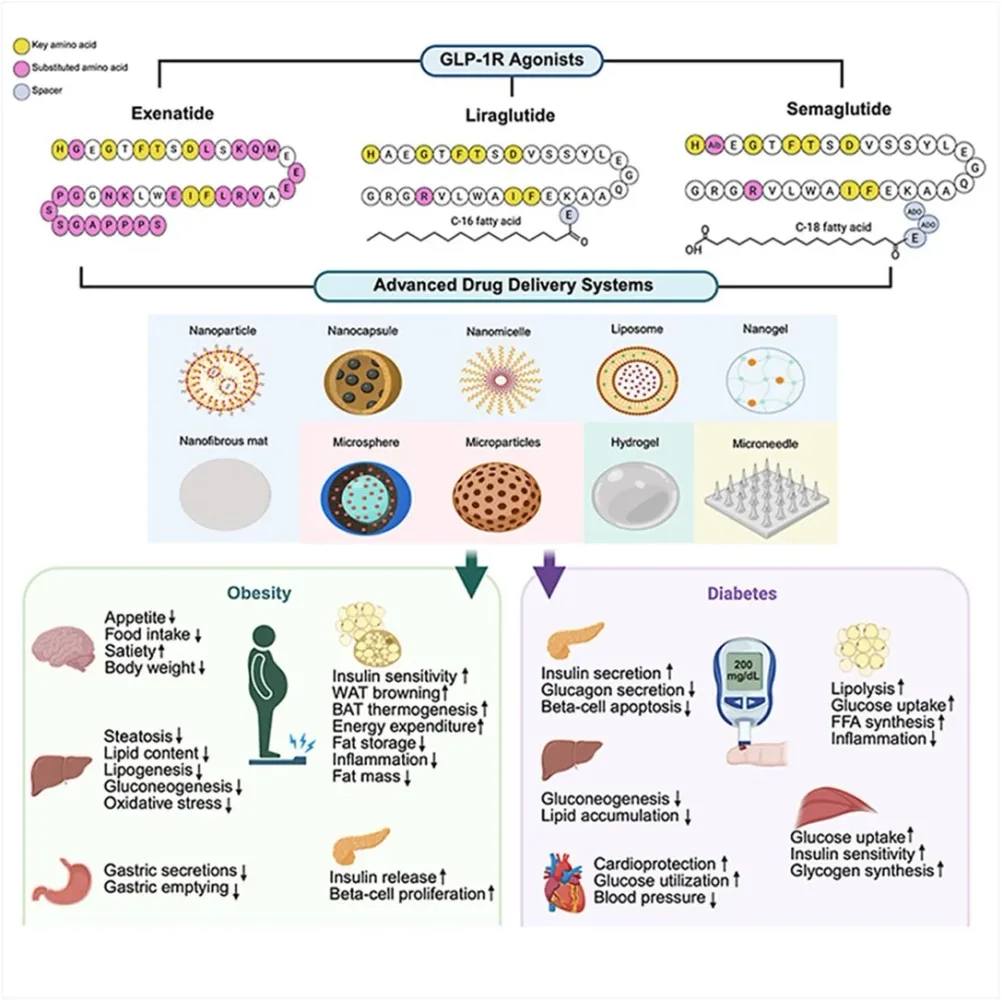
A common misconception is that the liver benefits of GLP-1 receptor agonists are solely attributable to weight loss. While weight reduction is a crucial component of their action, it does not fully account for the observed improvements in liver health. Emerging evidence suggests that the therapeutic effects are mediated through complex, multi-organ pathways.

Extrahepatic and Intrahepatic Mechanisms

GLP-1 receptors are not directly expressed on hepatocytes or hepatic stellate cells, the primary cells involved in liver damage and fibrosis. Instead, much of semaglutide's benefit appears to stem from extrahepatic pathways. These involve intricate signaling through the brain, gastrointestinal tract, adipose tissue, and pancreas, all of which influence metabolic regulation and inflammation.

Furthermore, recent research points to the potential role of liver sinusoidal endothelial cells, which may express GLP-1 receptors. These cells could contribute to weight-independent hepatoprotection, offering a direct intrahepatic mechanism of action.

Supporting Evidence

Multiple datasets reinforce the concept of weight-independent benefits. A secondary analysis of the ESSENCE trial, for instance, demonstrated improvements in liver enzymes (aminotransferases), MASH resolution, elastography metrics, and fibrosis that were not entirely explained by changes in body weight. Proteomic studies have also identified specific biomarker patterns in semaglutide-treated patients that indicate resolution of MASH, reflecting improvements in metabolic, inflammatory, and fibrotic pathways that extend beyond weight loss alone.

It is important to note that semaglutide's accelerated approval was based on surrogate histologic endpoints. Future research will focus on confirming whether these histological improvements translate into tangible clinical outcomes, such as reduced rates of hepatic decompensation, liver transplantation, and liver-related mortality.

Precision tracking for your journey

Join thousands using Shotlee to accurately track GLP-1 medications and side effects.

📱 Get the Shotlee App

Track your GLP-1 medications, peptides, and health metrics on the go with our mobile app!

Download on theApp Store
Get it onGoogle Play

A Versatile Agent: Addressing Alcohol-Associated Liver Disease (AUD)

While semaglutide has been making significant strides in MASH, a parallel and equally compelling body of evidence is emerging regarding its efficacy in alcohol use disorder (AUD) and alcohol-associated liver disease (ALD).

Impact on Alcohol Consumption and Craving

Clinical studies have shown that semaglutide can significantly reduce the number of drinks per drinking day, diminish alcohol craving, and alter heavy drinking trajectories in adults with AUD when compared to placebo. This suggests a direct impact on the reward pathways associated with alcohol consumption.

Mechanisms of Action in AUD

The likely mechanism involves the activation of GLP-1 receptors within the mesolimbic reward circuitry of the brain. Receptor activation appears to attenuate the reinforcing effects of alcohol, similar to how it modulates the reward associated with food intake. This neurobiological effect offers a novel therapeutic avenue for managing AUD.

Hepatoprotection Independent of Alcohol Intake?

A critical question is whether GLP-1 receptor agonists can protect the liver even when alcohol intake remains unchanged. Preclinical and translational data suggest that GLP-1 receptor agonism can indeed mitigate ethanol-related hepatotoxicity. This protective effect may be achieved by modulating ethanol metabolism and limiting the formation of toxic metabolites that drive liver cell injury. Notably, these hepatoprotective effects have been observed even in settings where alcohol consumption did not decrease.

Bridging the Gap: Metabolic and Alcohol-Associated Liver Disease (MetALD)

Many patients with liver disease present with a complex interplay of metabolic dysfunction and alcohol use. This combined phenotype is now increasingly categorized as metabolic and alcohol-associated liver disease (MetALD) under updated nomenclature for steatotic liver diseases. In these individuals, both obesity-related lipogenesis and alcohol-mediated hepatotoxicity contribute to the progression of liver fibrosis.

A Unified Therapeutic Approach

Historically, no single pharmacological class has effectively addressed both the metabolic and alcohol-driven pathways contributing to MetALD. GLP-1 receptor agonists may represent a significant step towards a unified therapeutic approach. They can:

  • Improve metabolic risk factors and the underlying biology of steatohepatitis.
  • Potentially reduce alcohol craving and heavy drinking behaviors.
  • Attenuate alcohol-related liver injury through liver-directed metabolic pathways.

Early data specific to MetALD suggests that GLP-1 receptor agonists can indeed slow the progression of liver disease in patients with this complex condition.

Practical Takeaways for Patients and Clinicians

The expanding role of GLP-1 receptor agonists in liver disease management offers new hope for patients. For individuals with MASH or AUD, these medications represent a significant advancement beyond traditional treatments. For clinicians, understanding the multifaceted mechanisms of these drugs—beyond simple weight loss—is crucial for optimizing patient care. Tracking key health metrics, including liver enzymes, fibrosis markers, and alcohol consumption patterns, can be invaluable. Tools like Shotlee can help patients and their care teams monitor progress, manage medication schedules, and record any symptoms or side effects, ensuring a more informed and effective treatment journey.

Conclusion

GLP-1 receptor agonists are rapidly transitioning from their well-established roles in diabetes and obesity to become increasingly vital in the field of hepatology. The growing body of evidence demonstrating hepatic benefits independent of weight loss, coupled with promising early signals of hepatoprotection in alcohol-associated liver disease, suggests a broad and transformative role across the entire spectrum of steatotic liver disease. As research continues to illuminate their complex mechanisms, these powerful medications are poised to redefine the standard of care for millions of individuals affected by liver conditions.


?Frequently Asked Questions

How do GLP-1 agonists like semaglutide help with MASH if they aren't directly acting on liver cells?

While GLP-1 receptors are not abundant on hepatocytes, semaglutide's benefits for MASH are believed to be mediated through extrahepatic pathways affecting the brain, gut, adipose tissue, and pancreas. Emerging research also suggests potential direct effects via liver sinusoidal endothelial cells, contributing to weight-independent hepatoprotection and metabolic improvements.

Can GLP-1 agonists help with liver damage caused by alcohol, even if someone continues to drink?

Yes, preclinical and translational data indicate that GLP-1 receptor agonism may offer hepatoprotection against ethanol-related toxicity by influencing alcohol metabolism and reducing the formation of harmful byproducts. These effects can occur even if alcohol intake doesn't change, suggesting a direct protective mechanism for the liver.

What is the difference between MASH and MASLD?

MASH stands for Metabolic-Associated Steatohepatitis, which is a more specific term indicating inflammation and liver cell damage with fibrosis. MASLD (Metabolic-Associated Fatty Liver Disease) is a broader term that includes simple fatty liver (steatosis) without inflammation or fibrosis, as well as MASH and its more advanced form, advanced fibrosis or cirrhosis.

Are GLP-1 agonists the only new treatment option for MASH?

No, semaglutide is one of the newer therapeutic options. Resmetirom, a selective thyroid hormone receptor-beta agonist, has also been approved for MASH with fibrosis. These agents work through different mechanisms, and research is ongoing to understand their combined use.

How can tracking tools like Shotlee assist patients on GLP-1 agonists for liver disease?

Shotlee can be invaluable for patients managing GLP-1 agonists for liver conditions by helping them meticulously track medication doses, record any emerging symptoms or side effects, monitor key health metrics (like liver enzymes or weight changes), and log alcohol consumption. This detailed data can empower patients and provide crucial information for their healthcare providers to optimize treatment and assess progress.

Source Information

Originally published by Medscape.Read the original article →

Read next

Keep exploring

More on Ozempic

Articles covering Ozempic dosing, side effects, and clinical updates.

Ozempic Price Cut: Generic Semaglutide Arrives in Canadian Pharmacies
Health & Wellness

Ozempic Price Cut: Generic Semaglutide Arrives in Canadian Pharmacies

Two generic versions of Ozempic have arrived in Canadian pharmacies, offering diabetes and weight loss patients significant cost savings compared to the brand-name medication.

7 min read
Retatrutide Breaks Records: What Phase 3 TRIUMPH-1 Data Means
Health & Wellness

Retatrutide Breaks Records: What Phase 3 TRIUMPH-1 Data Means

Eli Lilly's Retatrutide has shown remarkable weight loss potential in Phase 3 trials. We break down the TRIUMPH-1 results, safety data, and what patients can expect.

9 min read
Driving on Ozempic & Mounjaro: Avoiding the £1,000 DVLA Fine
Health & Wellness

Driving on Ozempic & Mounjaro: Avoiding the £1,000 DVLA Fine

New regulations warn that GLP-1 medication users could face significant fines if side effects impair driving. Here is the complete guide to staying safe and compliant.

8 min read

Same topic: Endocrinology

All Endocrinology articles →
GLP-1 Drugs and Vision Loss: Understanding NAION Lawsuits
Health & Wellness

GLP-1 Drugs and Vision Loss: Understanding NAION Lawsuits

Recent lawsuits are raising serious questions about the potential for GLP-1 medications, widely used for diabetes and weight loss, to cause a rare but devastating eye condition known as NAION, leading to permanent vision loss. This article delves into the allegations, scientific evidence, and ongoing legal proceedings.

6 min read
GLP-1s, Liver Health, and Digestive Innovations: A Medical Update
Medical Research

GLP-1s, Liver Health, and Digestive Innovations: A Medical Update

This comprehensive update delves into groundbreaking research on GLP-1 receptor agonists and their impact on liver health, alongside crucial developments in inflammatory bowel disease (IBD) management and innovative approaches to digestive symptom relief. Discover how cutting-edge science is shaping patient care and explore practical implications for managing chronic conditions.

7 min read
Oral GLP-1s for Weight Loss Maintenance: A New Frontier
Weight Management

Oral GLP-1s for Weight Loss Maintenance: A New Frontier

A groundbreaking study reveals that switching to an oral GLP-1 medication like orforglipron can help individuals maintain a significant portion of their weight loss achieved with injectable therapies, offering a new avenue for long-term obesity management.

6 min read

More in Medical Innovations

GLP-1 Weight Loss Drugs: Usage Trends and What You Need to Know
Health & Wellness

GLP-1 Weight Loss Drugs: Usage Trends and What You Need to Know

The popularity of GLP-1 receptor agonists for weight management is soaring. This article delves into the latest trends, the science behind these medications, and essential considerations for patients and healthcare providers.

7 min read
GLP-1 Medications and Supplement Needs: What You Should Know
Health & Wellness

GLP-1 Medications and Supplement Needs: What You Should Know

As GLP-1 medications gain popularity for weight loss and diabetes management, understanding their impact on nutrient absorption is crucial. This article explores the link between these powerful drugs and the rising demand for supplements, offering insights from medical professionals and research.

6 min read
GLP-1 Drugs: A New Frontier in Addiction Treatment?
Health & Wellness

GLP-1 Drugs: A New Frontier in Addiction Treatment?

Could the same medications revolutionizing weight loss and diabetes management also hold the key to treating addiction? Emerging research suggests GLP-1 receptor agonists may play a significant role.

8 min read
Share this article
  1. Home
  2. Blog
  3. GLP-1 Agonists: A New Frontier in Liver Disease Treatment
Dr. Adrian Vale, MD — Internal Medicine · Board-Certified Obesity Medicine
Medically reviewed

Dr. Adrian Vale, MD

Internal Medicine · Board-Certified Obesity Medicine

Dr. Adrian Vale is a board-certified internal medicine physician with a clinical focus on obesity medicine and metabolic health. He reviews Shotlee guides and articles on GLP-1 medications, peptide therapy, and weight-management protocols for clinical accuracy.

View all articles reviewed by Dr. Adrian Vale, MD
Shotlee LogoShotlee

Your comprehensive health tracking companion. Track, analyze, and optimize your journey with advanced metrics and community support.

Product

  • Medication Trackers
  • Health Guides
  • Calculators
  • Compare Medications
  • Pricing

Resources

  • Health Blog
  • Support Center

Legal

  • Privacy Policy
  • Terms of Service
  • Community Guidelines
  • Refund Policy

© 2026 Shotlee. All rights reserved.

Made with for the community♥ for the community