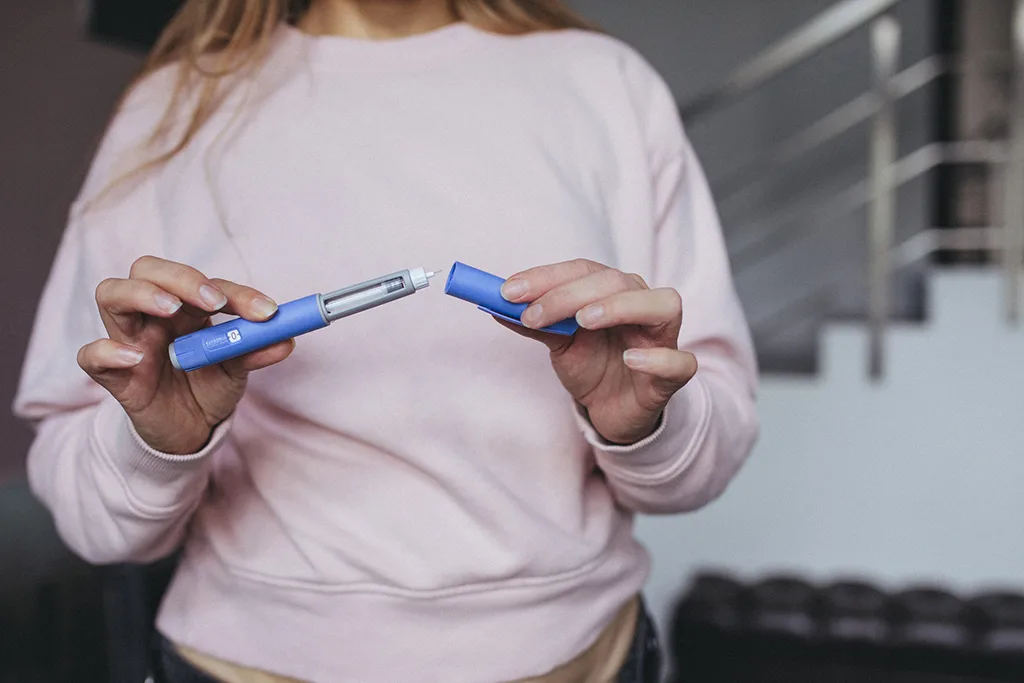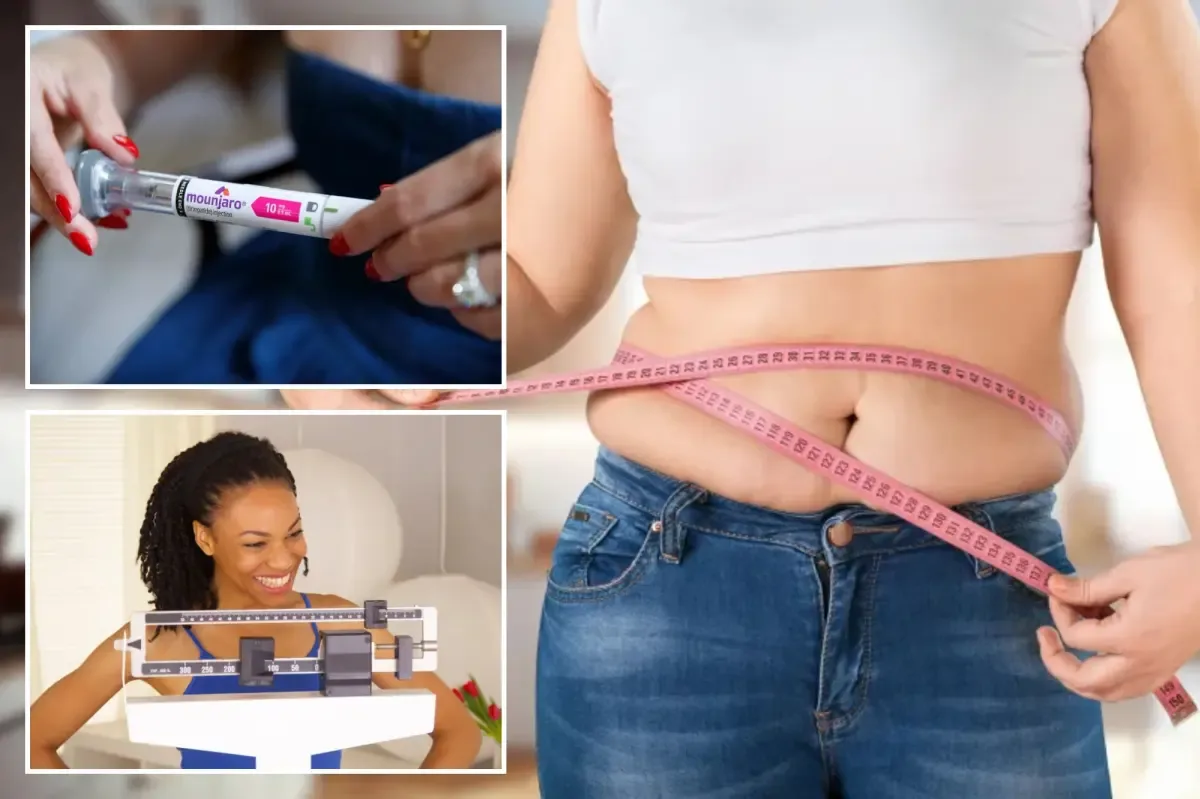

Weight loss is shifting into a new phase as doctors and drugmakers focus less on the injection itself and more on what comes after it. The emerging playbook is simple: use a shot to lose weight, then switch to a pill to help keep it off. This approach is gaining attention as Eli Lilly's weight-loss tablet and oral Wegovy enter a market already shaped by weekly injections and the problems that come with them. For patients managing obesity with GLP-1 medications like semaglutide (Wegovy) or tirzepatide (Zepbound), this two-step strategy addresses a critical gap in long-term adherence and maintenance.
Why the Pill Stage Matters in GLP-1 Weight Loss
The appeal of transitioning to oral GLP-1 formulations is practical and rooted in real-world challenges. GLP-1 injections, such as weekly doses of Zepbound or Wegovy, are highly effective for inducing significant weight loss—often 15-20% of body weight in clinical trials—but they require refrigeration, precise weekly timing, and can disrupt travel or busy lifestyles. For some patients, the burden becomes harder to ignore once the initial weight-loss phase slows and maintenance begins.
Akshay Jain, a clinical instructor at the University of British Columbia, said the strain can build over time, especially when patients move from active treatment into long-term maintenance. He described the psychological burden of ongoing injections as more noticeable in that stage. Jain has consulted for both Eli Lilly and Novo Nordisk.
GLP-1 receptor agonists like these mimic the gut hormone glucagon-like peptide-1, which regulates appetite, slows gastric emptying, and improves insulin sensitivity. While injections deliver consistent blood levels for potent effects, oral versions aim to simplify this mechanism for sustained use. This matters because studies show up to 70% of patients regain weight after stopping GLP-1 injections, underscoring the need for easier maintenance options.
Challenges of Long-Term Injection Adherence
Weekly injections demand routine adherence, but life interruptions—vacations, work travel, or even needle phobia—can lead to missed doses. In maintenance, where weight loss plateaus, motivation wanes, amplifying these issues. Tools like apps for medication reminders or symptom trackers (such as Shotlee for logging side effects and schedules) can help, but a pill-based shift offers inherent convenience.
What the New Oral GLP-1 Drugs Offer
Eli Lilly recently debuted a weight-loss tablet that is less effective than its injectable drug Zepbound. Oral Wegovy, which reached the market in December, can match the shot version more closely, but only under strict rules: it must be taken on an empty stomach with fewer than four ounces of water.
These oral formulations represent a leap in GLP-1 delivery. Oral semaglutide (the active in Wegovy) uses a specialized absorption enhancer to survive stomach acid, achieving bioavailability far higher than prior attempts. Eli Lilly's orforglipron tablet, still in late-stage trials but referenced in recent debuts, targets similar tirzepatide-like dual GLP-1/GIP action but in pill form.
Both pills also share common side effects with the shots, including nausea and diarrhea. Gastrointestinal issues affect 20-40% of users initially, often improving over time, but they persist across formats. That means the convenience of a tablet does not erase the trade-offs that still shape GLP-1 treatment.
Effectiveness Comparison: Injections vs. Oral Options
- Zepbound Injection: Up to 21% weight loss in trials; weekly subcutaneous.
- Eli Lilly Weight-Loss Tablet: Lower efficacy than Zepbound; daily oral dosing.
- Wegovy Injection: ~15% weight loss; weekly.
- Oral Wegovy: Matches injection efficacy with compliance to fasting rules; daily.
For now, the central question is whether the practical gain outweighs the drop in flexibility or the persistence of side effects. In this new weight loss model, the goal is not just to start treatment, but to make staying on it easier.
Doctors See a Maintenance Problem in GLP-1 Therapy
Doctors have had limited options for patients trying to hold onto their results. Some have tried older weight-loss pills like phentermine or orlistat, while others have suggested stretching injection schedules to every few weeks.
Precision tracking for your journey
Join thousands using Shotlee to accurately track GLP-1 medications and side effects.
📱 Get the Shotlee App
Track your GLP-1 medications, peptides, and health metrics on the go with our mobile app!
David Cummings, a professor at the University of Washington, said the older drugs have been tested after bariatric surgery, but not in people coming off GLP-1 treatment. Catherine Varney, director of obesity medicine at UVA Health, said many patients regain all of their weight. Varney has done paid speaking gigs for Eli Lilly.
The reduced-frequency injection approach also remains unproven in a large randomized clinical trial. That leaves weight loss maintenance in a difficult place, with few clean answers and no perfect handoff from shot to tablet.
Patient Guidance: Who Should Consider the Shots-to-Pills Switch?
Ideal candidates include those who've lost 10%+ body weight on injections and seek sustainable maintenance. Discuss with your doctor if you experience injection fatigue, travel frequently, or prefer daily routines. Monitor progress with regular weigh-ins and consider metabolic markers like A1C or waist circumference. Always taper injections gradually under supervision to avoid rebound hunger.
Safety note: All GLP-1s carry risks like pancreatitis (rare, <1%) or gallbladder issues. Oral versions may increase reflux due to delayed emptying. Start low, titrate slowly, and report severe GI symptoms promptly.
Comparing to Alternatives: GLP-1s vs. Traditional Options
Unlike lifestyle interventions alone (5-10% loss, high regain), GLP-1s offer superior results but require combo therapy. Bariatric surgery provides 25-30% loss but invasiveness. Older orals like Contrave add modest 5-8% loss with CNS effects. The GLP-1 playbook uniquely pairs rapid induction with adherence-friendly maintenance.
What Happens Next in the GLP-1 Weight Loss Playbook
The next phase will test whether pills can become the bridge between initial success and long-term maintenance. If they can, the weight loss market may look less like a one-drug race and more like a two-step system built around convenience, adherence, and staying power.
For patients and doctors, the central question is whether the new routine can turn weight loss into something easier to maintain without sacrificing too much effectiveness. That is the promise now hanging over weight loss care. Ongoing trials, like Eli Lilly's orforglipron Phase 3 data expected soon, will clarify efficacy gaps.
Key Takeaways for GLP-1 Weight Loss Maintenance
- Use injections for initial aggressive weight loss.
- Transition to pills like oral Wegovy or Eli Lilly's tablet for easier adherence.
- Expect similar side effects; strict dosing rules apply for max efficacy.
- No proven alternatives yet; monitor with doctors.
- Adherence tools can bridge the gap during transition.
What This Means for Patients
If you're on GLP-1 injections, ask your provider about pill switches post-loss. Track symptoms via apps like Shotlee to optimize dosing and catch issues early. This playbook could make obesity management chronic-care viable, reducing regain risks.
In summary, America's new GLP-1 playbook prioritizes practicality, positioning oral therapies as maintenance heroes after injection-led success.