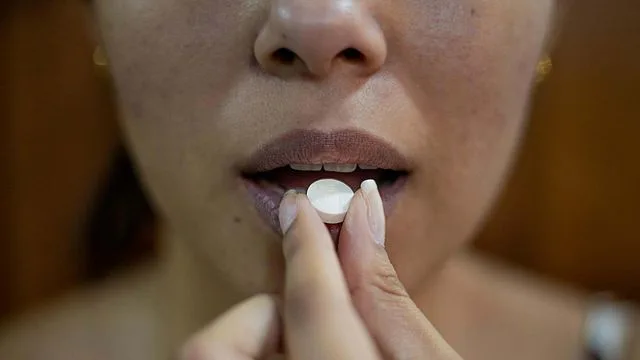

Oral GLP-1 therapies are advancing rapidly, with a new study highlighting a plant-based delivery platform using lettuce chloroplasts. Led by Henry Daniell of the School of Dental Medicine, this research investigates oral delivery of exenatide and lixisenatide—two FDA-approved GLP-1 receptor agonists traditionally given as injections—to tackle longstanding barriers in diabetes and obesity management.
The Rise of GLP-1 Receptor Agonists
Few drugs have entered mainstream awareness as quickly or as dramatically as glucagon-like peptide-1, or GLP-1 receptor agonists. Initially approved by the FDA for the treatment of type 2 diabetes, they have since also transformed the therapeutic landscape of obesity and weight management.
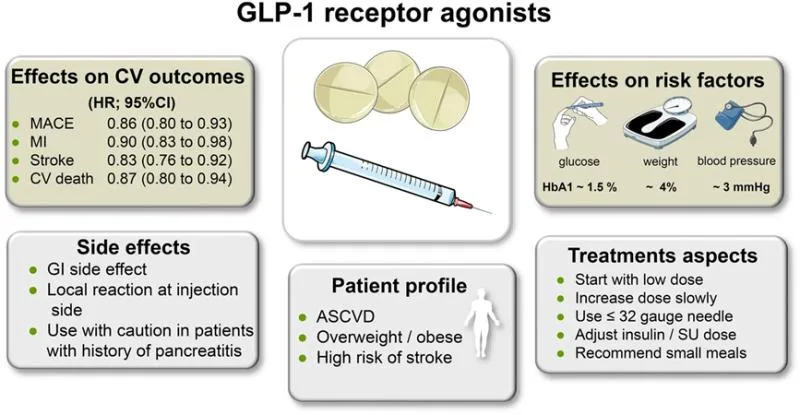
These medications are clearly effective. They stimulate the release of insulin and suppress the release of glucagon, another hormone, to help control blood sugar levels, and they also reduce appetite and delay gastric emptying to aid in weight reduction. However, hurdles to their widespread use, such as manufacturing cost, delivery system, and side effects remain, especially in low- and middle-income countries.
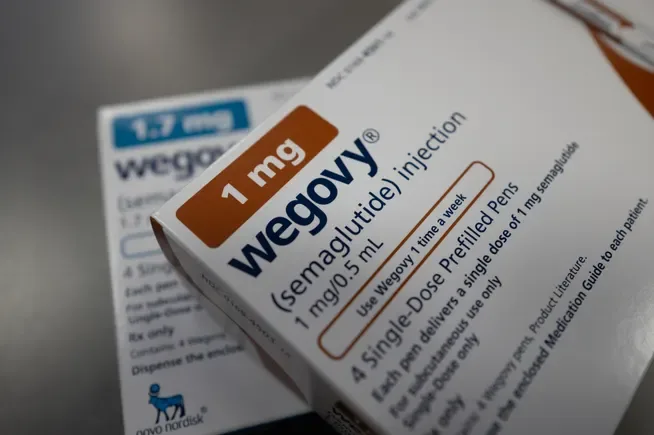
For patients, the primary challenge with current GLP-1 therapies like Ozempic (semaglutide) is the need for injections—often weekly—which many find inconvenient. "People don't want injections, even just one a week," says Daniell, the W.D. Miller Professor in the Department of Basic & Translational Sciences in the School of Dental Medicine. "They want pills."
The Challenges of Oral Peptide Delivery
Oral delivery of peptides like GLP-1 receptor agonists is complicated by both digestion in the stomach and poor absorption in the gut. Overcoming these hurdles using conventional approaches has been challenging. For example, the recently approved oral formulation of semaglutide—the active ingredient in Ozempic®—requires patients to follow specific fasting and timing instructions (fasting, 4 oz. water, and a 30-minute wait) to be effective, and side effects such as nausea, vomiting, and diarrhea are still common.
These gastrointestinal issues highlight the need for better-tolerated options. Patients considering GLP-1 therapies should discuss with their healthcare providers the balance between efficacy, convenience, and tolerability, especially if they have a history of digestive sensitivities.
A Novel Plant-Based Approach: Engineering Lettuce Chloroplasts
The new study, published in Plant Biotechnology Journal, shows that lettuce chloroplasts can produce functional GLP-1 peptides, paving the way to more affordable and better-tolerated oral medications for diabetes and obesity (Reference: Singh R, Daniell H. Engineering marker-free lettuce chloroplast genome to express functional glucagon-like peptide-1 receptor agonists exenatide and lixisenatide. Plant Biotechnol J. 2026. doi: 10.1111/pbi.70554).
Building on his pioneering work using plant encapsulation as a delivery method, Daniell and his team genetically engineered lettuce chloroplasts to express exenatide and lixisenatide, thereby protecting the peptides from degradation in the stomach and facilitating their absorption in the gut.
"We eat plant cells all the time," says Daniell. "And we deliberately chose exenatide and lixisenatide because they have been used very successfully in the clinic and have a long safety record."
How Plant Cell Protection Works
Human enzymes cannot digest plant cells, explains Daniell. But when plant cells go to the gut, the bacteria there release enzymes to break down their cell walls. This natural process allows controlled release and absorption of the GLP-1 peptides exactly where needed.
Precision tracking for your journey
Join thousands using Shotlee to accurately track GLP-1 medications and side effects.
📱 Get the Shotlee App
Track your GLP-1 medications, peptides, and health metrics on the go with our mobile app!
Incorporating these GLP-1 therapies into the genome of lettuce also bypasses synthesis challenges faced by oral formulations, such as the need to adjust the stomach acid pH to be less acidic to prevent degradation.
Avoiding Post-Translational Modifications
This delivery platform also avoids a step in the production of conventional GLP-1 receptor agonists—the post-translational modifications, or chemical changes made to peptides after synthesis, required to make them functional. "For us, the chloroplasts do this naturally," says Daniell. "Plant cells do these modifications on an everyday basis. And so, the system is already there to make these peptides functional."
Potential Benefits for Patients and Global Access
By using natural versions of these peptides, the approach potentially lowers the risk of side effects. The current GLP-1 drugs have two artificial amino acids incorporated in them to make them last longer in the body. "The GI problems are most likely associated with synthetic GLPs," Daniell says, "because such complaints were not frequent with natural GLP-1RAs like lixisenatide or exenatide for the past 45 years."
Finally, reducing the steps in the production of GLP-1 receptor agonists also means that the overall cost should be lower. "The cost is different because of the simplicity of our approach. How much can you charge for a leaf of lettuce?" says Daniell.
This could be particularly impactful in low- and middle-income countries, where injectable GLP-1 access is limited by cost and infrastructure. Patients managing type 2 diabetes or obesity might find this platform offers a more accessible alternative, potentially improving adherence through simpler dosing.
Comparing to Existing Options
- Injectables (Exenatide, Lixisenatide): Proven efficacy but require needles; weekly or daily shots.
- Oral Semaglutide (Rybelsus/Ozempic equivalent): First oral GLP-1, but strict administration rules and persistent GI side effects.
- Lettuce-Based Platform: Aims for no special instructions, natural peptides for fewer side effects, and lettuce-scale production for affordability.
For those tracking symptoms or side effects during GLP-1 therapy trials, tools like Shotlee can help log daily responses, aiding discussions with doctors about switching to emerging oral options.
Next Steps and Scalability
Daniell and his team are now focused on preparing more batches of their plant-encapsulated GLP-1 receptor agonists, drawing on their experience preparing kilograms of oral insulin. "We have learned how to scale up the preparation here at Penn," he says. "We have the facilities to produce early-stage clinical trials."
While still in preclinical stages, this lettuce chloroplast method represents a promising step toward oral GLP-1 therapies that could rival injectables in efficacy while surpassing them in convenience and cost.
Key Takeaways: What This Means for Patients
- Lettuce chloroplasts can produce functional exenatide and lixisenatide, enabling protected oral delivery of these GLP-1 agonists.
- This plant-based platform may reduce GI side effects by using natural peptides, avoiding synthetic modifications.
- Production simplicity could drastically lower costs, improving access for diabetes and obesity treatment worldwide.
- Patients should consult physicians about current GLP-1 options and monitor for updates on oral advancements.
- Discuss with your doctor if injection aversion or cost is a barrier to GLP-1 therapy.
Conclusion
This study by Henry Daniell opens exciting possibilities for oral GLP-1 therapies through innovative plant biotechnology. By preserving the efficacy of exenatide and lixisenatide while addressing delivery, cost, and tolerability challenges, it holds potential to make metabolic health treatments more equitable and patient-friendly. Stay informed on clinical trial progress, and consider tracking your health metrics to prepare for these advancements.