
Peptide Gold Rush: Deregulation Set to Supercharge Shadow Industry
Peptides, the gray-market supplements flooding Silicon Valley's wellness scene, stand on the brink of mainstream legitimacy. Impending deregulation under the Trump administration, led by Health Secretary Robert F. Kennedy Jr., could transform this shadow industry into a regulated powerhouse. Search interest in the US for "peptides" has skyrocketed, now surpassing even "Ozempic," signaling massive consumer demand.
The global peptide therapeutics market is currently valued at approximately $52 billion and is projected to reach $87 billion by 2035, according to Precedence Research. This surge reflects growing fascination with these amino acid chains for fat loss, muscle building, skin health, and cognitive enhancement—benefits often touted in biohacking circles, though many lack thorough clinical research.
What Are Peptides?
Peptides are short chains of amino acids, the building blocks of proteins. Well-known examples include insulin, a peptide used by millions to manage diabetes, and semaglutide, the active ingredient in Ozempic for weight loss and diabetes control. These work by mimicking natural hormones to regulate blood sugar, appetite, and metabolism.
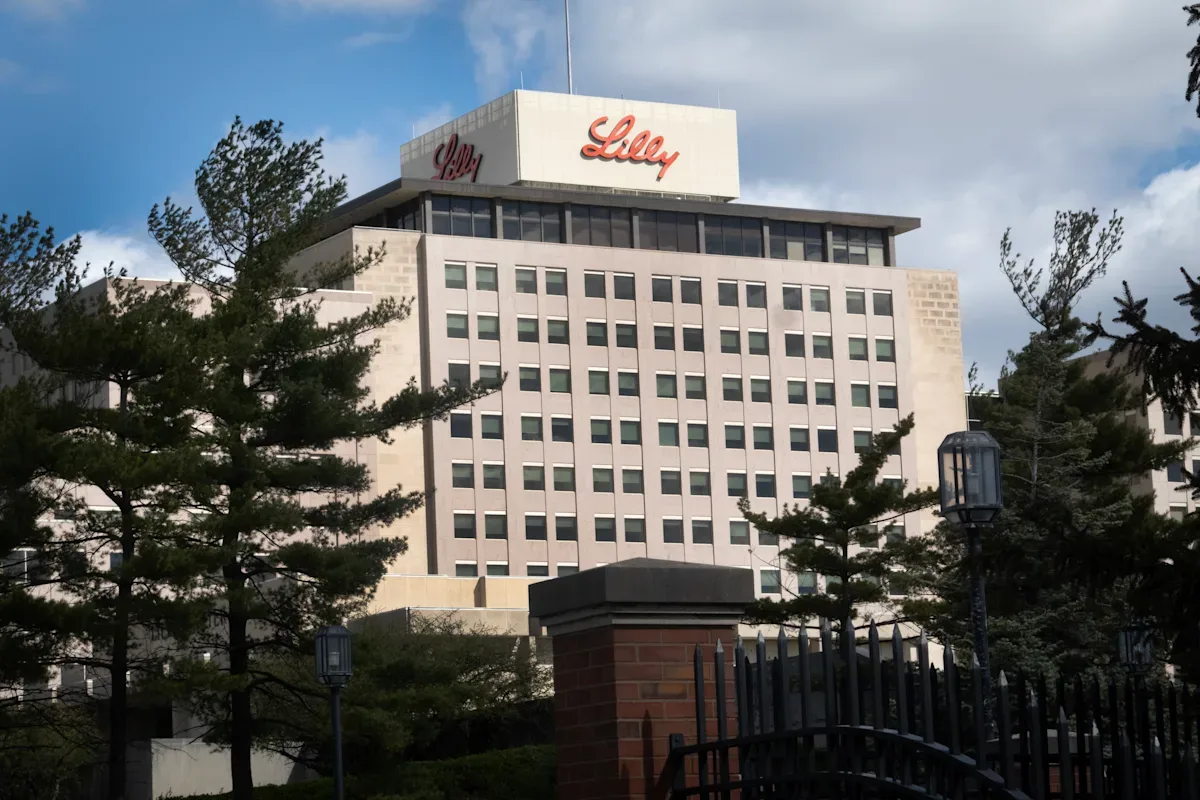
However, the term "peptides" in popular discourse often refers to injectable supplements embraced by the tech elite. Popular ones like BPC-157 are claimed to offer regenerative effects, such as tissue repair and gut healing, while retatrutide—the active component in Eli Lilly's next-generation GLP-1 drug in late-stage trials—shows promise for advanced weight loss. Unlike insulin or Ozempic, BPC-157 and retatrutide are not FDA-approved medications.
Peptides function by binding to specific receptors in the body, triggering responses like hormone release or inflammation reduction. For instance, GLP-1 peptides like semaglutide slow gastric emptying and signal fullness to the brain, aiding metabolic health. This mechanism explains their appeal in peptide therapy for weight management and beyond, though unregulated versions carry risks of impurities or inconsistent dosing.
The Gray Market Peptide Boom in Silicon Valley
Peptides have become a staple of Silicon Valley's wellness underground. Consumers currently bypass FDA restrictions by purchasing vials labeled "for research use only" and self-administering—a practice dubbed self-research. "Everyone has a Chinese peptide dealer now," proclaimed the San Francisco Standard in September. That momentum peaked with December's "Chinese Peptide Rave" in San Francisco, hosted by Peptide Partners, drawing hundreds.
China supplies many active pharmaceutical ingredients, including peptides, fueling this gray market via sketchy WhatsApp groups. Yet, interest exploded post-2023, despite regulatory hurdles.
The FDA's 2023 'Peptide Apocalypse' and Path to Deregulation
In September 2023, the FDA restricted over a dozen popular peptides, including BPC-157, barring compounding pharmacies from dispensing them. Zak David, managing partner of Pirsek Technologies and Peptide Partners, calls this the "peptide apocalypse." Compounding pharmacies, which surged due to demand for GLP-1 alternatives like semaglutide knockoffs, were key dispensers before the ban.
David notes a rush to legitimize: "There is a rush right now. We know that there's an increasing number of companies that are gearing up to move out of the gray and into the legitimate market." His company is preparing facilities to upgrade raw materials to medical-grade standards for doctors' offices.
Precision tracking for your journey
Join thousands using Shotlee to accurately track GLP-1 medications and side effects.
📱 Get the Shotlee App
Track your GLP-1 medications, peptides, and health metrics on the go with our mobile app!
Change is afoot. In August, compounding pharmacies suing the FDA paused after the agency promised a final rule by February 2027 on certain peptides. RFK Jr., overseeing the FDA's parent agency, stated on the "Joe Rogan Experience" podcast in late February that the FDA would make about 14 different peptides "more accessible." "Given the eyeballs that have increased since 2023 on this, the public interest, it might spur a lot of growth in compliant pharmaceutical compounding," David added.
Why Deregulation Matters for Metabolic Health and Peptide Therapy
This shift could integrate peptides into peptide therapy protocols for metabolic health, similar to GLP-1 medications. Patients seeking alternatives to Ozempic might access compounded versions more safely. However, discuss with healthcare providers, as self-sourcing risks contamination. Tools like Shotlee can help track symptoms, dosages, and side effects during monitored use.
Telehealth and Startups Gearing Up for the New Era
A "new era of peptide dealers" is emerging—sleeker, like telehealth sites. Andrew Dudum, CEO of Hims & Hers, told investors in February the company is exploring "peptide therapies." It boasts compounding pharmacies and a California peptide facility acquired last year.
Max Marchione, CEO of Superpower—a startup interpreting blood tests and selling supplements—says: "We have the supply chain set up." They're partnering with biotechs for clinical trials, eyeing results next year.
Peter Thiel-backed Enhanced Games, known for its "steroid Olympics," pivoted to telehealth and supplements. Pending approval, it will offer eight peptides: CJC-1295, ipamorelin, thymosin alpha-1, TB-4, GHRP-2/6, kisspeptin-10, semax, and selank. CEO Maximilian Martin stated: "Understanding how popular peptide usage has become globally we intend to invest heavily in this space."
Safety Considerations in Peptide Use
While promising, unregulated peptides pose risks like injection-site reactions, hormonal imbalances, or unknown long-term effects. FDA-approved peptides like semaglutide have established safety profiles via trials, but gray-market ones lack oversight. Deregulation via compounding could improve quality, but patients should prioritize providers with third-party testing. Compare to GLP-1s: Ozempic's side effects (nausea, GI issues) are well-documented; monitor similarly for peptides.
Key Takeaways: What This Means for Patients and Providers
- Peptide search interest exceeds Ozempic, with a $52B market heading to $87B by 2035.
- RFK Jr.'s deregulation could reverse 2023 FDA bans, enabling compounding pharmacies.
- Companies like Hims & Hers, Superpower, and Enhanced Games are building compliant supply chains.
- Popular peptides: BPC-157 (regenerative), retatrutide (GLP-1-like), and others like CJC-1295.
- Consult doctors before use; track with apps like Shotlee for safety.
This gold rush promises accessible peptide therapy but underscores the need for regulation to ensure safety in metabolic health treatments.
Conclusion
The peptide gold rush, propelled by deregulation, could legitimize a thriving shadow industry. From Silicon Valley raves to telehealth expansions, stakeholders are positioning for growth. Patients interested in peptides for fat loss or recovery should stay informed, discuss options with providers, and await clearer FDA guidance for safer access.