
Shotlee LogoShotlee
Blog
Download on theApp Store
Get it onGoogle Play
Skip to main content
The Science Behind the Peptide Craze - Featured image
Peptide Therapy

The Science Behind the Peptide Craze

Dr. Adrian Vale, MD
Reviewed by Dr. Adrian Vale, MDInternal Medicine · Board-Certified Obesity Medicine
·5 min read

On this page

  • What Are Peptides and Why the Craze?
  • Popular Peptides and Their Bold Claims
  • The Evidence Gap: Anecdotes Over Science
  • Regulatory Hurdles and Gray-Market Realities
  • Potential Shifts: RFK Jr. and FDA Moves
  • Safety Concerns and Patient Guidance
  • Key Takeaways: What This Means for You
  • Conclusion: Proceed with Caution in the Peptide Boom
  • BPC-157 and TB-500: The Healing Heroes?
  • GHK-Cu and KPV: Skin, Hair, and Anti-Inflammation
  • Ipamorelin and CJC-1295: Muscle-Building Boosters

Track Smart

Calculate active GLP-1 levels automatically with Shotlee.

Download →

Peptides are surging in popularity among influencers and biohackers for everything from injury recovery to youthful skin, but the science lags far behind the hype. With FDA bans on key ones like BPC-157 and potential changes ahead, here's what you need to know about their evidence, safety, and gray-market realities.

Share

On this page

  • What Are Peptides and Why the Craze?
  • Popular Peptides and Their Bold Claims
  • The Evidence Gap: Anecdotes Over Science
  • Regulatory Hurdles and Gray-Market Realities
  • Potential Shifts: RFK Jr. and FDA Moves
  • Safety Concerns and Patient Guidance
  • Key Takeaways: What This Means for You
  • Conclusion: Proceed with Caution in the Peptide Boom
  • BPC-157 and TB-500: The Healing Heroes?
  • GHK-Cu and KPV: Skin, Hair, and Anti-Inflammation
  • Ipamorelin and CJC-1295: Muscle-Building Boosters

The Science Behind the Peptide Craze

The wellness world is buzzing with peptides—tiny chains of amino acids touted for accelerating workout recovery, healing injuries, smoothing scars, and even building muscle. Influencers, bodybuilders, and Silicon Valley enthusiasts are injecting substances like BPC-157, TB-500, GHK-Cu, KPV, and ipamorelin, often sourced from gray markets. But while social media glows with rave reviews, the clinical evidence supporting these promises remains thin, raising serious questions about effectiveness and safety.

What Are Peptides and Why the Craze?

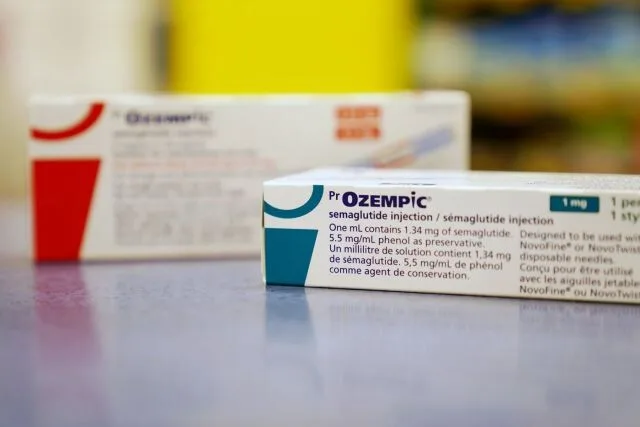
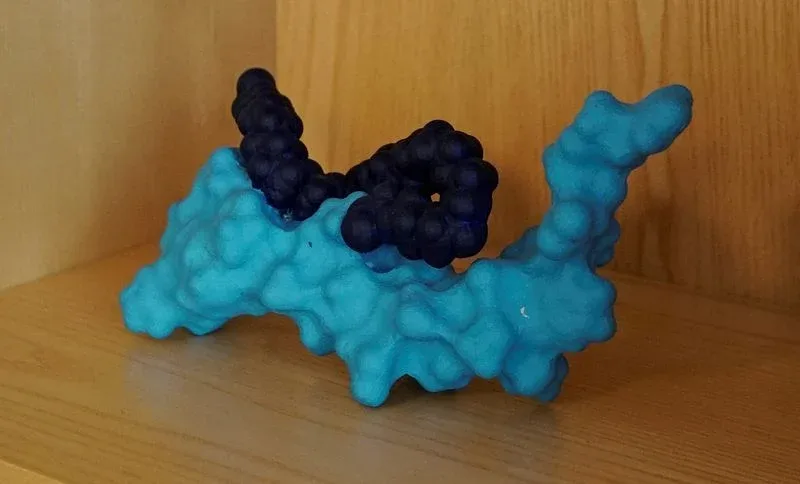
A peptide is a chain of two or more amino acids, the building blocks of proteins. The body naturally produces numerous peptides that act as signaling molecules or perform specific tasks. Familiar examples include insulin and human growth hormone. Semaglutide, the active ingredient in GLP-1 receptor agonist drugs like Ozempic and Wegovy—which are FDA-approved for type 2 diabetes management and weight loss—is also a peptide.

Buzzy peptides like BPC-157 and GHK-Cu are synthetic versions or derivations of naturally occurring ones, promoted for tissue repair, inflammation reduction, and more. The term "peptides" has become a catchall in online health circles for any injectable aimed at well-being, energy, or exercise recovery, according to Luke Turnock, a criminologist studying enhancement drugs at the University of Lincoln in England.

This surge traces back to bodybuilding and powerlifting communities, where "peptide" sounds more natural and less stigmatized than "drug," which evokes steroids—often banned in professional sports. "Because it's 'natural,' it is better or different, even though they're just drugs," says Flynn McGuire, who studies sports medicine at the University of Utah.

Popularity exploded around 2022, coinciding with GLP-1 drugs like Ozempic normalizing injectables for weight loss. Subreddits like r/peptides (over 70,000 weekly visitors) and r/biohackers (over 600,000 members) are filled with discussions on "stacks"—combinations tailored for goals like muscle-building, brainpower, or tanning. TikTok overflows with users sharing their regimens.

Popular Peptides and Their Bold Claims

BPC-157 and TB-500: The Healing Heroes?

For speeding recovery from injuries or workouts, influencers push BPC-157 and TB-500. BPC-157 is said to stimulate blood vessel formation, cell growth, muscle repair, and reduce inflammation. In the famous "Wolverine" stack—named after the X-Men character with rapid healing—users combine it with TB-500, which purportedly promotes healing but has even less research.

GHK-Cu and KPV: Skin, Hair, and Anti-Inflammation

Reddit users rave about GHK-Cu for scar-free skin, thick hair, and collagen regeneration—it's naturally found in blood plasma and FDA-approved topically in anti-aging cosmetics. KPV, derived from a body hormone, is claimed to curb inflammation. Together with BPC-157 and TB-500, they form the "glow" or "KLOW" stack.

Ipamorelin and CJC-1295: Muscle-Building Boosters

For bulking biceps, fitness influencers swear by ipamorelin, which allegedly stimulates growth hormone release. It's often stacked with CJC-1295 or even GLP-1 drugs to shed fat while gaining muscle—though no studies examine these combos.

Orthopedic surgeon Omar Rahman at Pacific Coast Sports Medicine in Los Angeles notes a spike in patient inquiries, driven by longevity and wellness trends. Sports medicine doctor Dan Cushman at the University of Utah sees patients turning to peptides for slow-healing tendons, where conventional treatments are costly and painful.

The Evidence Gap: Anecdotes Over Science

Despite glowing social media testimonials, most peptides lack robust clinical data. McGuire, Cushman, and colleagues reviewed BPC-157 last year, finding most evidence from rodent studies and just three small human pilot studies. TB-500 has even thinner backing. Ipamorelin and CJC-1295 show little clinical proof for muscle gains.

Precision tracking for your journey

Join thousands using Shotlee to accurately track GLP-1 medications and side effects.

📱 Get the Shotlee App

Track your GLP-1 medications, peptides, and health metrics on the go with our mobile app!

Download on theApp Store
Get it onGoogle Play

"FDA-approved drugs have been tested for efficacy and safety," Cushman emphasizes. Peptides? Doses are anecdotal, combos unstudied, and long-term effects unknown. Turnock links this to health autonomy: when doctors don't offer solutions, peptides fill the void.

Regulatory Hurdles and Gray-Market Realities

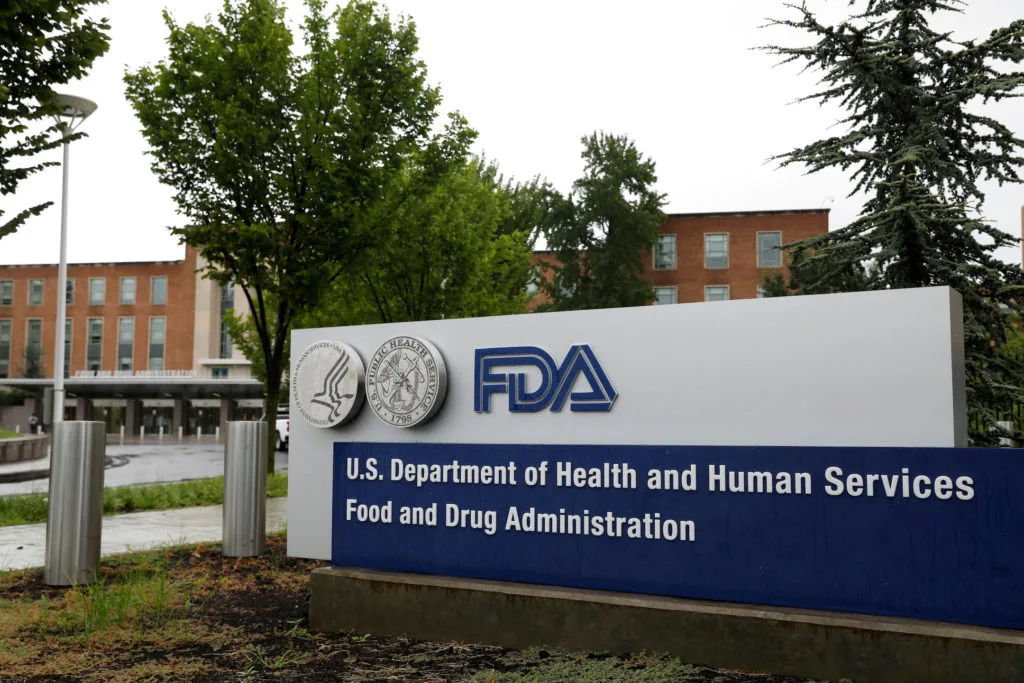
In 2023, the FDA banned compounding pharmacies from producing BPC-157, GHK-Cu, KPV, and ipamorelin in the U.S. due to "significant safety risks." Many are imported from overseas—often China—or sold as "research use only." Purity, dosing, and quality vary wildly, warns Rahman: "Patients access them through online vendors, wellness clinics, and compounding pharmacies—that variability is a huge concern."

GHK-Cu injectables risk immune reactions from impurities. Not all peptides are gray-market; some are legally compounded, but sourcing remains dubious.

Potential Shifts: RFK Jr. and FDA Moves

Access might ease soon. On February 27, 2024, on The Joe Rogan Experience, Robert F. Kennedy, Jr., HHS secretary, proposed legalizing compounding of 14 peptides. The FDA announced a July meeting with advisers to review allowing U.S. pharmacies to manufacture some, including BPC-157, TB-500, and KPV.

Kennedy argued U.S.-made peptides would be safer than imports. An HHS spokesperson told Scientific American: "Americans deserve to know the quality of the products they are buying and deserve drugs that have been proven to be safe and effective." However, the FDA doesn't approve compounded drugs—it just oversees ingredients. Even if allowed, safety and efficacy aren't guaranteed.

Cushman predicts a flood of use: "More people are going to just start trying [them]" before science catches up.

Safety Concerns and Patient Guidance

Peptides promise to make users "better than well," but risks loom large without data. For those with chronic injuries or wellness goals, consult a doctor first—discuss evidence gaps and alternatives like physical therapy or FDA-approved options (e.g., GLP-1s for metabolic health). Track symptoms or side effects with apps like Shotlee to monitor your response safely.

Supporters from the "Make America Healthy Again" movement may embrace them, but experts urge caution: benefits could come with unquantified perils.

Key Takeaways: What This Means for You

  • Peptides like BPC-157, TB-500, GHK-Cu, KPV, and ipamorelin hype healing, skin, and muscle gains, but evidence is mostly anecdotal or animal-based.
  • FDA 2023 bans highlight safety risks; gray-market sourcing adds purity concerns.
  • RFK Jr.'s push and FDA's July review could expand U.S. access, but doesn't prove safety.
  • Compare to proven peptides like semaglutide in Ozempic—stick to FDA-approved where possible.
  • Always prioritize doctor-guided care over influencer stacks.

Conclusion: Proceed with Caution in the Peptide Boom

The peptide craze reflects a desire for optimization amid slow mainstream medicine, but science demands more than hype. As regulations evolve, stay informed on evidence, source quality, and risks. For metabolic health or recovery, GLP-1s offer a regulated path; for experimental peptides, weigh promises against unknowns. Empower your health decisions with facts, not vials.
?Frequently Asked Questions

What is BPC-157 used for?

BPC-157 is promoted for tissue repair, reducing inflammation, and accelerating recovery from injuries like rotator cuff issues, but most evidence comes from rodent studies with only three small human pilots.

Why did the FDA ban certain peptides in 2023?

The FDA banned compounding of BPC-157, GHK-Cu, KPV, and ipamorelin due to significant safety risks, including impurities and lack of proven efficacy and safety data.

What is the Wolverine peptide stack?

The Wolverine stack combines BPC-157 and TB-500 for rapid healing, named after the X-Men character; adding GHK-Cu and KPV makes it the 'glow' or 'KLOW' stack for skin and inflammation benefits.

Are peptides like ipamorelin safe for muscle building?

Ipamorelin and CJC-1295 are advertised to stimulate growth hormone for muscle gains, but they have little clinical evidence; safety, especially in stacks with GLP-1 drugs, is unstudied.

Could peptides become legal for compounding in the US?

RFK Jr. proposed legalizing 14 peptides, and the FDA plans a July meeting to review allowing US pharmacies to produce some like BPC-157 and TB-500, potentially improving quality control over imports.

Source Information

Originally published by Scientific American.Read the original article →

Read next

Keep exploring

More on BPC-157

Articles covering BPC-157 dosing, side effects, and clinical updates.

Beyond the Hype: Understanding the Rise of Peptide Therapy
Health & Wellness

Beyond the Hype: Understanding the Rise of Peptide Therapy

Peptide therapy is gaining traction, with compounds like semaglutide revolutionizing weight management. But what exactly are peptides, and what are the realities behind the trending 'peptide summer'? This article delves into the science, the risks, and the future of this evolving field.

7 min read
Peptide Therapy Science: Weighing Benefits and Risks
Health & Wellness

Peptide Therapy Science: Weighing Benefits and Risks

Peptides offer targeted health benefits, from weight loss to injury healing, but safety varies significantly. Explore the science, risks, and medical guidance required.

7 min read

Same topic: Peptides

All Peptides articles →
RFK Jr.'s Peptide Policy Could Boost Hims & Hers GLP-1 Shift
Telehealth & Peptide Therapy

RFK Jr.'s Peptide Policy Could Boost Hims & Hers GLP-1 Shift

Shares of Hims & Hers surged after HHS Secretary RFK Jr. revealed FDA plans to review peptides for compounding under the 503A bulk list. This comes as the telehealth leader evolves its high-margin compounded GLP-1 business toward branded options and new peptide therapies. CEO Andrew Dudum and CMO Dr. Patrick Carroll highlight the potential for regulated, physician-led peptide access.

6 min read
What the War on Peptides Tells Us About Beauty's Future
Peptide Therapy

What the War on Peptides Tells Us About Beauty's Future

Peptides are sweeping social media as injectables for clear skin, muscle gains, and fat loss, but a regulatory crackdown signals a war on unapproved versions. With FDA seizures, RFK Jr.'s advocacy, and black market persistence, what does this mean for beauty's future? Uncover the murky truths behind the hype.

5 min read
Hims & Hers Surges After RFK Jr. Pushes Peptide Access on Joe Rogan
Peptide Therapy

Hims & Hers Surges After RFK Jr. Pushes Peptide Access on Joe Rogan

Hims & Hers shares surged Monday after HHS Secretary Robert F. Kennedy Jr. expressed urgency on the Joe Rogan Experience to make 14 peptides more accessible. He highlighted FDA's review of the science behind these GLP-1 active ingredients for diabetes and weight loss. This could signal easing regulatory headwinds for telehealth providers like Hims.

5 min read

More in Peptide Therapy

Ozempic Price Cut: Generic Semaglutide Arrives in Canadian Pharmacies
Health & Wellness

Ozempic Price Cut: Generic Semaglutide Arrives in Canadian Pharmacies

Two generic versions of Ozempic have arrived in Canadian pharmacies, offering diabetes and weight loss patients significant cost savings compared to the brand-name medication.

7 min read
Retatrutide Breaks Records: What Phase 3 TRIUMPH-1 Data Means
Health & Wellness

Retatrutide Breaks Records: What Phase 3 TRIUMPH-1 Data Means

Eli Lilly's Retatrutide has shown remarkable weight loss potential in Phase 3 trials. We break down the TRIUMPH-1 results, safety data, and what patients can expect.

9 min read
Driving on Ozempic & Mounjaro: Avoiding the £1,000 DVLA Fine
Health & Wellness

Driving on Ozempic & Mounjaro: Avoiding the £1,000 DVLA Fine

New regulations warn that GLP-1 medication users could face significant fines if side effects impair driving. Here is the complete guide to staying safe and compliant.

8 min read
Share this article
  1. Home
  2. Blog
  3. The Science Behind the Peptide Craze
Dr. Adrian Vale, MD — Internal Medicine · Board-Certified Obesity Medicine
Medically reviewed

Dr. Adrian Vale, MD

Internal Medicine · Board-Certified Obesity Medicine

Dr. Adrian Vale is a board-certified internal medicine physician with a clinical focus on obesity medicine and metabolic health. He reviews Shotlee guides and articles on GLP-1 medications, peptide therapy, and weight-management protocols for clinical accuracy.

View all articles reviewed by Dr. Adrian Vale, MD
Shotlee LogoShotlee

Your comprehensive health tracking companion. Track, analyze, and optimize your journey with advanced metrics and community support.

Product

  • Medication Trackers
  • Health Guides
  • Calculators
  • Compare Medications
  • Pricing

Resources

  • Health Blog
  • Support Center

Legal

  • Privacy Policy
  • Terms of Service
  • Community Guidelines
  • Refund Policy

© 2026 Shotlee. All rights reserved.

Made with for the community♥ for the community