
Hims & Hers Surges After RFK Jr. Pushes Peptide Access on Joe Rogan
Hims & Hers is spiking on Monday amid remarks from Health and Human Services Secretary Robert F. Kennedy Jr. on the "Joe Rogan Experience" podcast, where he advocated for greater accessibility to peptides. These short chains of amino acids are key in GLP-1 medications for diabetes management and weight loss, and RFK Jr.'s comments could reshape regulatory landscapes for compounding pharmacies and telehealth platforms like Hims & Hers.
The Joe Rogan Podcast Moment That Sparked the Surge
At around the 1.5-hour mark of the podcast, RFK Jr. indicated that he's "very anxious" to make about 14 peptides more accessible (and allow for compounding), and that the FDA is currently "looking at the science" of these treatments.
"My hope is that they're going to get moved to a place where people have access from ethical suppliers," he said.
The episode, released at 1 p.m. ET on Friday, may not have had sufficient time to be fully digested and disseminated before the weekend, explaining the muted stock reaction then. By Monday, however, Hims & Hers shares reacted strongly, reflecting investor optimism about potential policy shifts.
Understanding Peptides and Their Role in GLP-1 Medications
What Are Peptides?
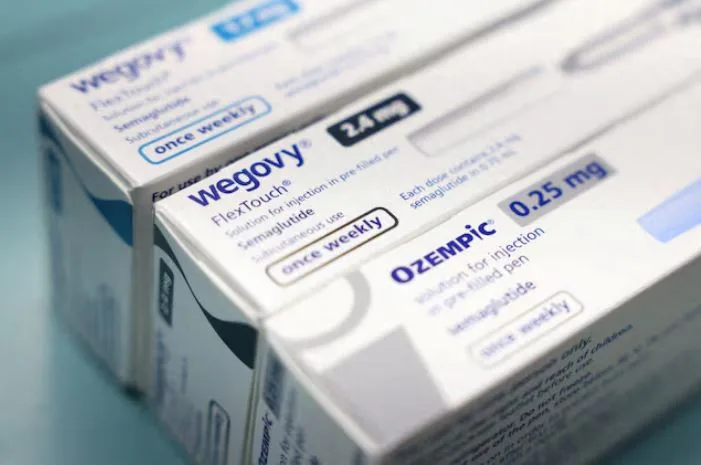
Peptides are short chains of amino acids that naturally regulate various physiological processes in the body, including hormone signaling, metabolism, and inflammation control. In the context of metabolic health, they serve as the active ingredients in GLP-1 receptor agonists—popular medications like semaglutide (found in Ozempic and Wegovy) used for type 2 diabetes and obesity treatment.
GLP-1 medications mimic the glucagon-like peptide-1 hormone, which slows gastric emptying, reduces appetite, and improves insulin sensitivity. Compounded versions of these peptides allow for customized dosages and formulations, often at lower costs than branded drugs, making them vital for broader patient access.
Why Accessibility Matters for Patients
Current FDA restrictions on compounding certain peptides have limited supply, driving up costs and creating shortages for GLP-1 therapies. Greater access from "ethical suppliers," as RFK Jr. phrased it, could lower barriers for patients seeking peptide therapy for weight management, blood sugar control, and cardiovascular risk reduction. Patients often discuss options like compounded semaglutide with their doctors when branded versions are unavailable or unaffordable.
Hims & Hers: A Leader in Telehealth for Peptide and GLP-1 Therapy
Hims & Hers has positioned itself as a key player in the telehealth space for metabolic health, offering GLP-1 medications and peptide-based weight loss programs. The company's model relies on virtual consultations, prescriptions, and home delivery, making treatments convenient for those managing diabetes or obesity.
A more permissive stance toward these peptides would potentially open up substantial new revenue opportunities for Hims. With rising demand for affordable GLP-1 alternatives, easing compounding rules could expand their market share, especially amid ongoing supply chain issues with branded injectables.
Regulatory Headwinds and the Potential Shift
The legal and regulatory apparatuses have been a big headwind for Hims in 2026, particularly around FDA scrutiny of compounded GLP-1 drugs. Recent crackdowns aimed to protect against substandard products, but they've also restricted legitimate access. RFK Jr.'s remarks—and the market's reaction—may signal that these winds might be starting to shift, with the FDA actively reviewing scientific evidence for the 14 targeted peptides.
Precision tracking for your journey
Join thousands using Shotlee to accurately track GLP-1 medications and side effects.
📱 Get the Shotlee App
Track your GLP-1 medications, peptides, and health metrics on the go with our mobile app!
This aligns with broader discussions in peptide therapy, where compounding enables tailored doses (e.g., lower starting doses to minimize nausea) and combinations for enhanced metabolic outcomes. For patients, this means discussing with healthcare providers whether compounded peptides suit their needs, always prioritizing FDA-approved options when possible.
Stock Market Reaction and Investor Implications
The surge in Hims & Hers stock underscores investor confidence in policy-driven growth for peptide accessibility. While Friday's release timing delayed immediate impact, Monday's spike highlights how podcast discussions from influential figures like RFK Jr. can influence biotech and telehealth sectors overnight.
Comparatively, other telehealth firms offering GLP-1s have faced similar regulatory pressures, but Hims' focus on direct-to-consumer peptide delivery positions it uniquely. Safety remains paramount: peptides, when sourced ethically, have established profiles for side effects like gastrointestinal upset, but patients should monitor symptoms closely—tools like Shotlee can help track side effects and medication schedules during therapy.
Clinical Context: How Peptides Support Metabolic Health
Mechanisms in Diabetes and Weight Loss
GLP-1 peptides work by activating receptors in the gut and pancreas, promoting satiety and glucose-dependent insulin release. Studies on semaglutide show sustained weight loss (up to 15-20% body weight) and cardiovascular benefits, making them a cornerstone of modern metabolic care.
Compounding expands access to these benefits for patients ineligible for brands due to cost or shortages, potentially improving adherence and outcomes in type 2 diabetes management.
Safety Considerations for Peptide Therapy
Common side effects include nausea, vomiting, and diarrhea, typically dose-dependent and manageable with gradual titration. Rare risks like pancreatitis require medical oversight. Patients starting peptide therapy should consult physicians for personalized plans, including baseline labs for thyroid and kidney function.
What This Means for Patients and Providers
RFK Jr.'s advocacy could democratize peptide therapy, reducing costs for GLP-1 treatments and fostering innovation in compounding. Patients exploring options should:
- Verify supplier credentials for ethical, high-quality peptides.
- Discuss with doctors the balance of efficacy, safety, and affordability.
- Compare compounded vs. branded GLP-1s based on insurance coverage.
For metabolic health enthusiasts, this signals a potential era of expanded access, complementing lifestyle interventions like diet and exercise.
Key Takeaways
- RFK Jr. on Joe Rogan: Pushing for 14 peptides' accessibility via compounding, with FDA reviewing science.
- Hims & Hers stock surges on revenue potential from eased regulations.
- Peptides power GLP-1 meds for diabetes/weight loss; better access aids patients.
- Regulatory shifts could alleviate 2026 headwinds for telehealth GLP-1 providers.
Conclusion: Watching the Regulatory Horizon
While RFK Jr.'s comments are promising, outcomes depend on FDA actions. Patients and investors alike should stay informed on peptide regulations, consulting professionals for metabolic health strategies. This podcast moment highlights peptides' growing role in GLP-1 therapy—accessible, effective tools for better health.