
In a development closely watched by telehealth investors and metabolic health enthusiasts, HHS Secretary Robert F. Kennedy Jr.'s peptide policy announcement has spotlighted opportunities for Hims & Hers Health. As its high-margin compounded GLP-1 business evolves, Hims & Hers may be finding a new opportunity in peptides, with shares jumping Thursday following the news.
RFK Jr.'s Announcement on FDA Peptide Review
On Wednesday, HHS Secretary Robert F. Kennedy Jr. announced that the FDA plans to convene a Pharmacy Compounding Advisory Committee meeting to review peptides for potential inclusion on the 503A bulk list. This designation allows drugs to be compounded on an individual prescribed basis rather than mass producing, marking a potential shift toward regulated access.
During a House Ways and Means Committee hearing Thursday, Kennedy stated, "Peptides were not supposed to be regulated," arguing the Biden administration restricted their use due to safety concerns he considers unfounded. The July meeting will be advisory only, so changes are not expected immediately, but the process signals a broader policy pivot.
What is the 503A Bulk List?
The 503A bulk list, part of the Federal Food, Drug, and Cosmetic Act, permits compounding pharmacies to use certain bulk drug substances for patient-specific prescriptions. For peptides—short chains of amino acids explored for health and wellness—this could mean transitioning from unregulated "gray market" sources to physician-supervised compounding, improving safety and scalability for providers like Hims & Hers.
Hims & Hers' Strategic Entry into Peptides
Hims & Hers has been building toward a peptide business for years, directing members from profitable compounded GLP-1 drugs toward branded alternatives. The bigger story for Hims is how expanding compounding for peptides could unlock new revenue streams.
In February 2025, Hims & Hers made a significant move by acquiring a California-based peptide facility. CEO Andrew Dudum called peptide demand "future-facing innovation," adding, "Many use cases have yet to be launched. Peptide innovation is at the forefront of so many categories we're excited to start offering."
Hims Chief Medical Officer Dr. Patrick Carroll applauded the news, describing it as a move away from the "gray market." He said, "Our medical team believes certain peptide therapies hold meaningful potential in helping Americans live healthier lives, and we are actively exploring how to expand access in a way that will be aligned with FDA guidance."
Peptides Explained: Building Blocks for Health
Peptides are short chains of amino acids, essentially small building blocks of proteins. They are being explored for a wide range of health and wellness uses, from metabolic support to cognitive enhancement. However, they remain controversial due to limited scientific evidence on long-term safety and effectiveness, with production largely unregulated to date.
In the context of metabolic health, peptides could complement GLP-1 medications like those offered by Hims & Hers. GLP-1 agonists mimic gut hormones to regulate blood sugar and appetite, but as Hims shifts to branded versions amid supply constraints, peptides offer diversification into areas like growth hormone modulation and tissue repair.
Specific Peptides Under FDA Consideration
Of the dozen peptides listed by Kennedy for consideration on the compounding bulk list, several stand out:
Precision tracking for your journey
Join thousands using Shotlee to accurately track GLP-1 medications and side effects.
📱 Get the Shotlee App
Track your GLP-1 medications, peptides, and health metrics on the go with our mobile app!
- MK-677: Often treated as an illegal drug when sold for human consumption, this growth hormone secretagogue has been banned by the World Anti-Doping Agency.
- GHK-Cu: Used for cosmetic benefits like skin repair and anti-aging.
- Semax: Explored for cognitive enhancement and neuroprotection.
While GHK-Cu and Semax are generally viewed as less controversial, all lack robust scientific backing. Clinical evidence for many peptide therapies remains limited, underscoring the need for cautious, regulated adoption.
Implications for Hims & Hers' GLP-1 Business Evolution
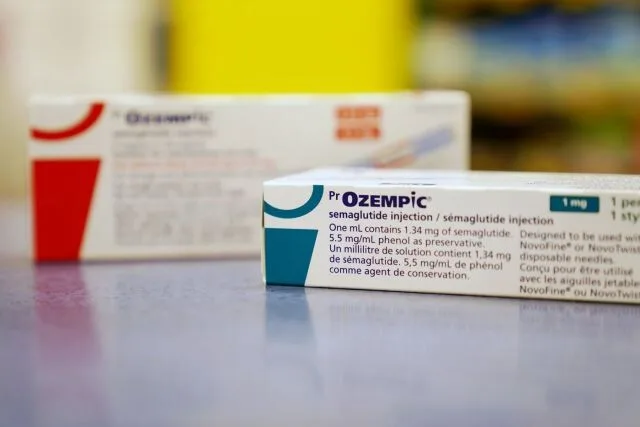
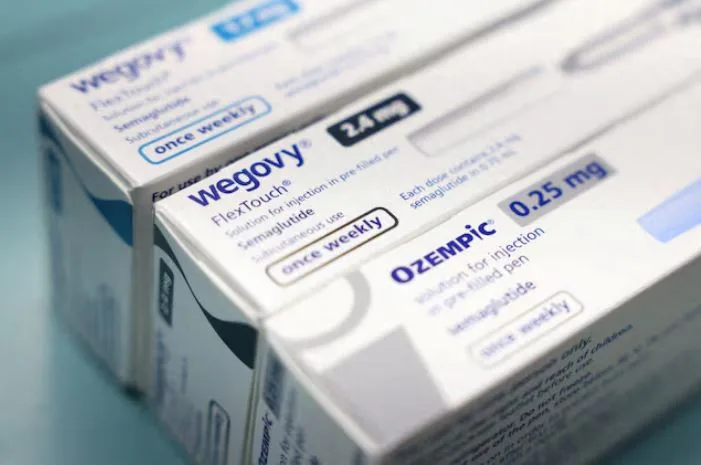
Hims & Hers' compounded GLP-1 offerings have driven high margins, but regulatory pressures and supply issues are pushing a pivot to branded drugs. Peptides emerge as a clear candidate to replace GLP-1-driven growth.
For patients, this means potential access to peptide therapies through telehealth platforms. Individuals interested in peptide therapy for metabolic health or wellness should discuss options with their physician, monitoring for side effects. Tools like Shotlee can help track symptoms, side effects, or medication schedules during such therapies.
Safety Considerations in Peptide Therapy
Peptide production's unregulated nature has raised concerns, but FDA inclusion on the 503A list could standardize quality. Patients should prioritize physician-led care, as emphasized by Dr. Carroll, and be aware of limited long-term data. Common discussions include starting with low doses and regular monitoring.
Analyst Views and Stock Impact
Leerink Partners called the FDA review a positive outcome, providing Hims a clearer regulatory path to scale peptide therapies. Analyst Michael Cherny, with a hold-equivalent rating and $25 price target, noted, "This would not immediately translate into revenue, but would seemingly be a growth avenue that HIMS would push hard on." The stock traded around $26 a share Thursday.
Investors are focusing on post-GLP-1 growth, with peptides positioned as an early but promising opportunity. Compared to traditional telehealth competitors, Hims & Hers' peptide facility acquisition gives it a first-mover edge.
Regulatory Timeline and Next Steps
The FDA process is just beginning, with the advisory meeting in July. Full inclusion on the 503A list could take time, but it aligns with Kennedy's vision for fewer restrictions on innovative therapies.
For Hims & Hers members, this evolution means watching for new peptide offerings alongside GLP-1 options. Physicians can guide on eligibility, such as those exploring adjuncts to metabolic treatments.
Key Takeaways: What This Means for Patients and Investors
- RFK Jr.'s policy signals regulatory easing for peptides, benefiting telehealth leaders like Hims & Hers.
- Hims' peptide facility and expert endorsements position it for GLP-1 diversification.
- Peptides like MK-677, GHK-Cu, and Semax show promise but require more evidence.
- Patients: Consult doctors for safe, regulated access; track progress with apps like Shotlee.
- Investors: Monitor FDA outcomes for Hims' growth beyond GLP-1.
Conclusion
RFK Jr.'s peptide policy underscores a pivotal moment for Hims & Hers, bridging its GLP-1 success with emerging therapies. By preserving high standards through FDA alignment, Hims can expand access to innovative options. Stay informed on regulatory updates and discuss with healthcare providers for personalized insights into peptide and GLP-1 therapies.