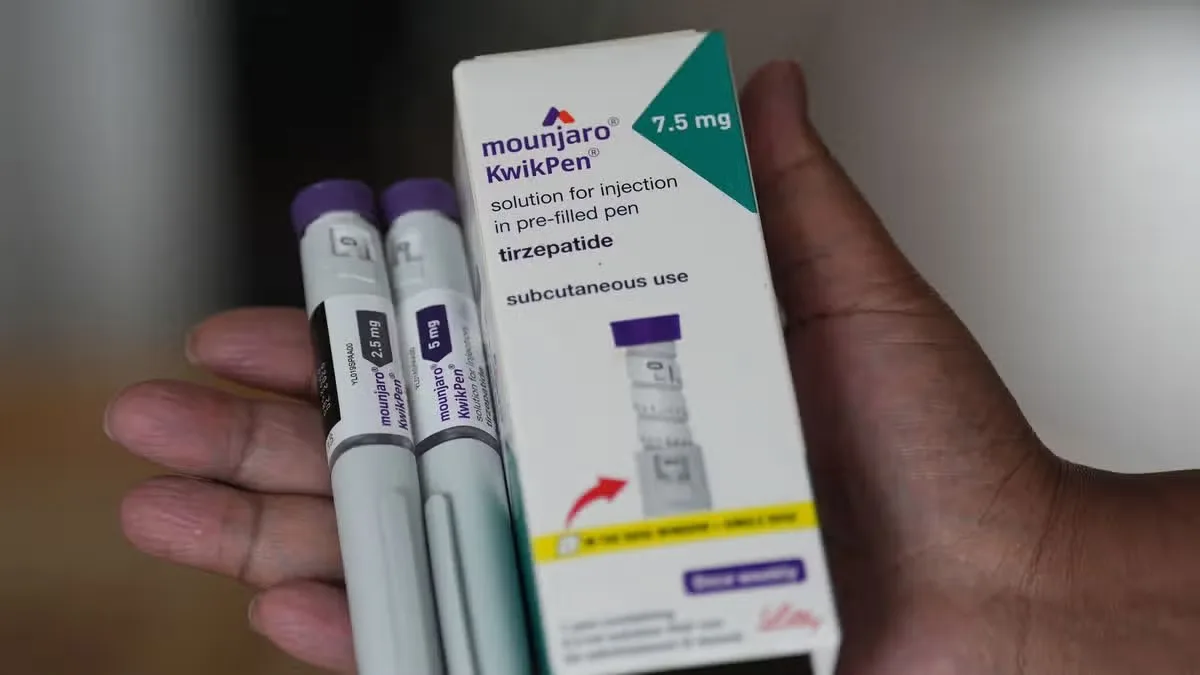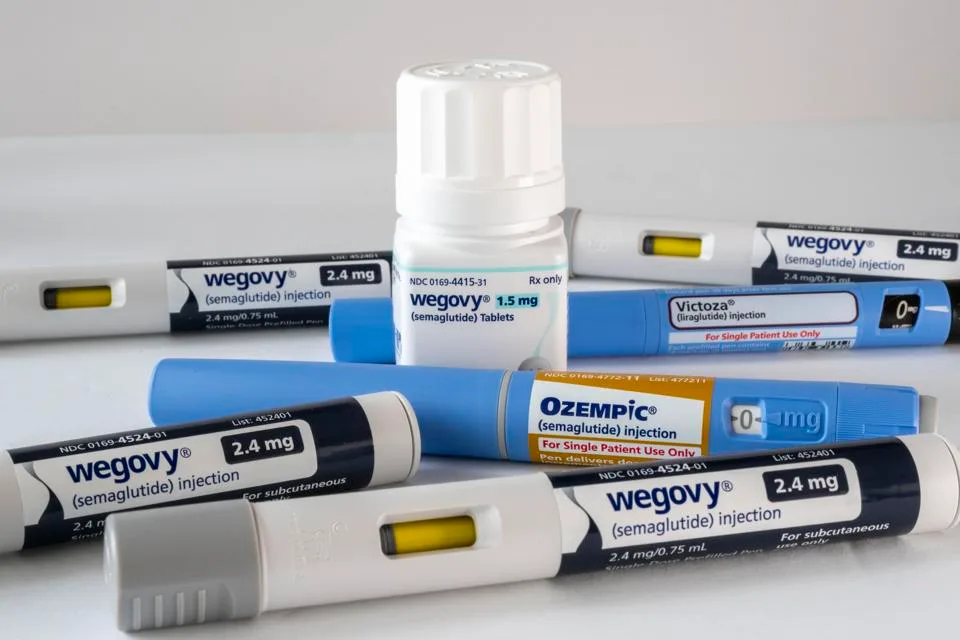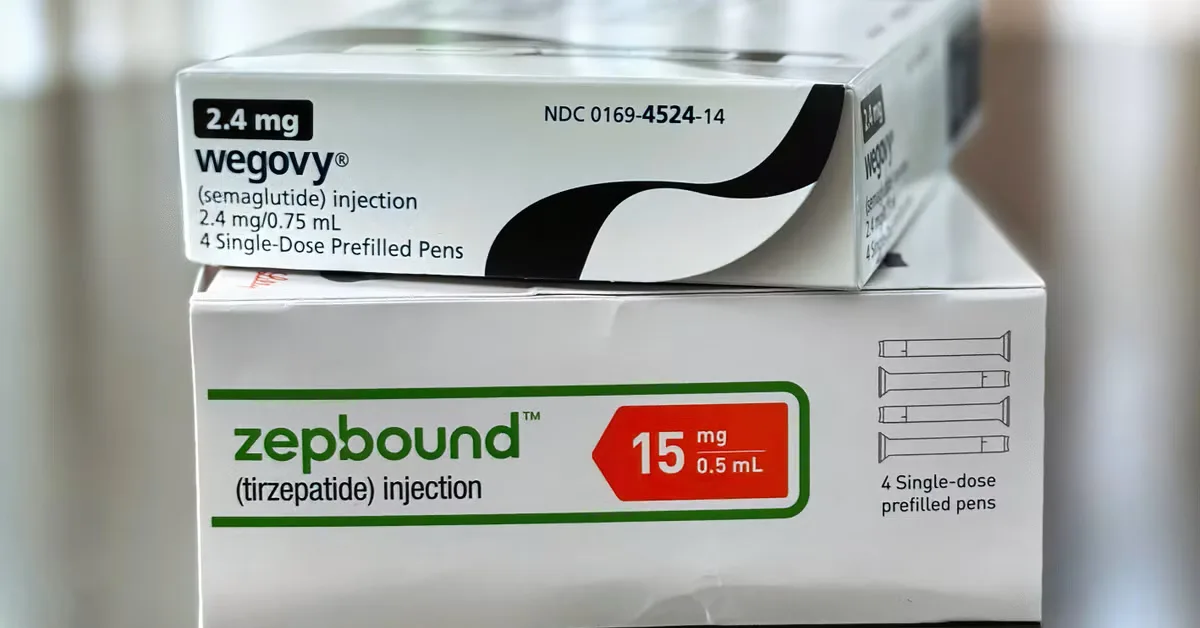
Four brand names, two active ingredients, and vastly different coverage pathways depending on your medical diagnosis. For veterans and active-duty military families navigating the world of GLP-1 medications, understanding the nuances between Ozempic, Wegovy, Mounjaro, and Zepbound is crucial, especially when it comes to insurance coverage. While seemingly similar, these medications, though sharing active ingredients, are prescribed for distinct conditions, and this distinction directly impacts what the Department of Veterans Affairs (VA) and Tricare will cover. Deciphering these differences before a medical appointment can significantly streamline the process and set realistic expectations for access.
What Are the Key Differences Between These GLP-1 Medications?
The confusion surrounding Ozempic, Wegovy, Mounjaro, and Zepbound often stems from their shared active ingredients but distinct FDA approvals and intended uses. Understanding these core differences is the first step to comprehending coverage variations. Semaglutide, for instance, is the active compound in both Ozempic and Wegovy, both manufactured by Novo Nordisk. Ozempic is primarily approved for managing Type 2 diabetes, while Wegovy, also containing semaglutide but often in higher doses, is approved for chronic weight management and, notably, for reducing the risk of major cardiovascular events in individuals with established heart disease and obesity. Similarly, tirzepatide is the active ingredient in both Mounjaro and Zepbound, produced by Eli Lilly. Mounjaro is indicated for Type 2 diabetes management, whereas Zepbound has received approval for obesity and, separately, for moderate to severe obstructive sleep apnea. The critical takeaway is that while the molecule might be the same, the specific FDA-approved indication dictates its use and, consequently, its coverage.
How Does the VA Determine Coverage for GLP-1 Medications?
The VA's approach to covering GLP-1 medications like Ozempic, Wegovy, Mounjaro, and Zepbound is highly diagnosis-dependent. Coverage is not determined by a blanket policy for weight loss but rather by whether the medication aligns with a specific, approved medical condition listed on a veteran's record. As of mid-2026 formulary guidance, veterans with a Type 2 diabetes diagnosis can typically access Ozempic and Mounjaro. Those diagnosed with obstructive sleep apnea may be prescribed Zepbound. Furthermore, veterans with a diagnosis for the prevention of major adverse cardiovascular events (MACE), indicating established heart disease coupled with obesity, can gain access to Wegovy. For individuals seeking these medications solely for weight loss without one of these qualifying diagnoses, the path to coverage is considerably more challenging. The VA often classifies obesity medications as non-formulary unless there is documented medical necessity, leading to lower approval rates for weight-loss-only indications. CHAMPVA, which serves dependents of 100% permanently and totally disabled veterans, follows a similar diagnosis-driven structure but does not cover GLP-1 medications for weight loss under any circumstances, though it does cover them for specific conditions like Type 2 diabetes or sleep apnea.
What Are the Specific VA Coverage Pathways?
The VA's formulary guidance clearly outlines which medications are covered based on specific diagnoses. This structured approach ensures that the medications are used for their most appropriate and FDA-approved indications.
- Type 2 Diabetes: Veterans diagnosed with Type 2 diabetes are eligible for coverage of Ozempic (semaglutide) and Mounjaro (tirzepatide). These medications are considered standard treatments for glycemic control in this population.
- Obstructive Sleep Apnea (OSA): For veterans diagnosed with moderate to severe obstructive sleep apnea, Zepbound (tirzepatide) may be covered. This indication highlights the medication's utility beyond metabolic disorders.
- Cardiovascular Risk Reduction: Wegovy (semaglutide) is covered for veterans who have established heart disease and obesity, specifically for the prevention of major adverse cardiovascular events (MACE). This represents a significant expansion of GLP-1 use for cardioprotective benefits.
- Weight Loss Without Specific Comorbidities: Accessing these medications solely for weight management without a qualifying diagnosis such as Type 2 diabetes, OSA, or MACE prevention is significantly restricted. Obesity is often treated as a condition requiring medical necessity justification, and approvals are rare.
How Does Tricare Cover Weight Management GLP-1s?
Tricare offers a more permissive approach to GLP-1 medications for weight management compared to the VA, particularly for active-duty families and beneficiaries enrolled in certain plans. Tricare Prime, Select, and other premium-based plans can cover Wegovy, Saxenda, and Zepbound for weight management, but this requires prior authorization. To qualify, beneficiaries must meet specific body mass index (BMI) criteria—a BMI of 30 or higher, or a BMI of 27 or higher with at least one weight-related comorbidity. Additionally, a history of attempting lifestyle modifications for a minimum of six months and prior unsuccessful attempts with oral weight-loss medications are prerequisites. It's important to note that Tricare For Life beneficiaries and those utilizing direct-care-only services are excluded from weight-loss GLP-1 coverage as of August 31, 2025. This distinction underscores the importance of understanding one's specific Tricare plan and its coverage limitations.
What Are the Requirements for Tricare Weight Loss Coverage?
Tricare's prior authorization process for weight management medications involves several key criteria that beneficiaries must meet:
Precision tracking for your journey
Join thousands using Shotlee to accurately track GLP-1 medications and side effects.
📱 Get the Shotlee App
Track your GLP-1 medications, peptides, and health metrics on the go with our mobile app!
- Body Mass Index (BMI): A BMI of 30 or greater, or a BMI of 27 or greater with a documented weight-related comorbidity (e.g., hypertension, dyslipidemia, Type 2 diabetes).
- Lifestyle Modification: A documented history of attempting lifestyle changes, including diet and exercise, for at least six months prior to the request for medication.
- Previous Medication Trials: Evidence of prior unsuccessful attempts with oral weight-loss medications.
- Prior Authorization: Approval from Tricare is mandatory before the prescription can be filled.
What Should Veterans Do Before Discussing GLP-1s with Their VA Provider?
For veterans, proactive preparation is key to a productive conversation with their VA healthcare provider about GLP-1 medications. The most impactful step is to review one's active diagnoses within the VA health record, accessible via MyHealtheVet. Identifying whether diagnoses such as Type 2 diabetes, cardiovascular disease, or obstructive sleep apnea are documented is crucial. If these qualifying conditions are present, the discussion about medication coverage becomes significantly clearer and more straightforward. For veterans seeking these medications primarily for weight management without a specific comorbid diagnosis, inquiring about enrollment in the VA's MOVE! weight management program is highly recommended. Documented participation in structured lifestyle interventions like MOVE! can strengthen the case for pharmacological treatment and is often a prerequisite for the VA's prior authorization process for weight-loss indications. The MOVE! program is a free, comprehensive resource available at all VA medical centers nationwide.
Where Can Veterans Find More Information on VA Coverage?
Veterans with specific questions regarding their formulary coverage or eligibility for GLP-1 medications can access additional resources:
- VA Pharmacy Benefits Line: Call 888-385-0235 for direct assistance with pharmacy benefits.
- VA National Formulary: Visit va.gov/formularyadvisor to search for covered medications and understand coverage policies.
Comparing Coverage: VA vs. Tricare
The differences in coverage between the VA and Tricare for GLP-1 medications highlight distinct healthcare philosophies and target populations. The VA prioritizes coverage for specific, FDA-approved indications that address serious health conditions like diabetes, cardiovascular disease, and sleep apnea, with a limited pathway for weight loss alone. This approach reflects a focus on managing chronic diseases and their associated risks. In contrast, Tricare, particularly for its active-duty beneficiaries, demonstrates a broader willingness to cover weight management medications, provided stringent criteria related to BMI, lifestyle modifications, and previous treatment attempts are met. This difference is significant for individuals whose primary concern is weight management without a pre-existing diagnosis that the VA would prioritize. For instance, a veteran might be denied coverage for weight loss by the VA, while an active-duty service member with a similar BMI and weight history could receive approval through Tricare, pending prior authorization. This disparity underscores the importance of understanding the specific benefits and limitations of one's health insurance plan, whether it's through the VA or Tricare, and how it aligns with the intended use of these powerful medications.
| Medication | Active Ingredient | Primary FDA Indications | VA Coverage Focus | Tricare Weight Loss Coverage |
|---|---|---|---|---|
| Ozempic | Semaglutide | Type 2 Diabetes | Type 2 Diabetes | Not typically covered for weight loss |
| Wegovy | Semaglutide | Chronic Weight Management; Cardiovascular Risk Reduction | Cardiovascular Risk Reduction (with obesity); limited for weight loss | Yes, with prior authorization and criteria met |
| Mounjaro | Tirzepatide | Type 2 Diabetes | Type 2 Diabetes | Not typically covered for weight loss |
| Zepbound | Tirzepatide | Obesity; Obstructive Sleep Apnea | Obstructive Sleep Apnea; limited for weight loss | Yes, with prior authorization and criteria met |
Practical Takeaways for Patients
Navigating the coverage for GLP-1 medications requires a clear understanding of both the drug's approved uses and your specific health insurance plan. For veterans, knowing your active diagnoses in your VA health record is paramount. If you have Type 2 diabetes, heart disease, or sleep apnea, your path to coverage for Ozempic, Wegovy, Mounjaro, or Zepbound is more defined. If your primary goal is weight loss without these specific conditions, explore the VA's MOVE! program. For Tricare beneficiaries, gather documentation on your BMI, weight history, and previous attempts at lifestyle changes and oral medications, as these are critical for prior authorization. Utilizing health tracking tools can help you meticulously record your progress, symptoms, and adherence to treatment plans, which can be invaluable when discussing your case with healthcare providers and insurance administrators. Understanding these details empowers you to have more informed conversations and increases your chances of accessing the treatment you need.
Conclusion
The landscape of GLP-1 medications like Ozempic, Wegovy, Mounjaro, and Zepbound is complex, particularly concerning coverage through the VA and Tricare. While the active ingredients may be shared, their distinct FDA-approved indications—ranging from Type 2 diabetes and cardiovascular risk reduction to obstructive sleep apnea and chronic weight management—dictate how they are covered. The VA's coverage is strictly tied to specific diagnoses, prioritizing conditions like diabetes and heart disease, with limited access for weight loss alone. Tricare, conversely, offers a more accessible pathway for weight management, contingent on meeting specific BMI, lifestyle, and prior medication trial criteria. For both veterans and active-duty families, thorough preparation, including understanding one's medical record and insurance plan details, is essential for navigating these coverage pathways effectively. Consulting with healthcare providers and utilizing available resources can help ensure appropriate access to these potentially life-changing therapies.