
California’s Active Lifestyle Demands New Recovery Solutions
California’s athletes survived the cold plunge, learned to sleep with readiness scores, and turned recovery into something that could be tracked, scheduled, optimized, and posted before breakfast. Now California Trim Clinic says the state’s always-active crowd is asking what comes next. From surf breaks and trailheads to pickleball courts, cycling groups, running clubs, climbing gyms, and strength studios, one name is moving across California’s fitness tribes: The Wolverine Blend, the clinic’s doctor-guided compounded peptide program combining BPC-157 and TB-500. This shift represents a broader cultural change where recovery is no longer reserved for professional athletes or major competitions. It has become part of maintaining the lifestyle they expect to enjoy all year. While some focus on metabolic health with GLP-1 agonists like Ozempic or Wegovy, others are turning to tissue repair compounds. Active adults are asking about sleep, mobility, body composition, recurring training demands, previous injuries, metabolic health, and the expanding research surrounding compounded peptide therapies. That is where The Wolverine Blend enters the conversation, offering a specific pathway for those seeking to extend their active years safely.
What Is the Wolverine Blend Peptide Program?
The Wolverine Blend is a compounded peptide program created by California Trim Clinic that combines BPC-157 and TB-500. This specific pairing is designed to support recovery, mobility, and tissue repair for active adults who face consistent physical demands throughout the year. While the name suggests a cinematic quality, the medical foundation relies on two compounds that have circulated in biohacking communities for years. Every patient undergoes a specific evaluation by a licensed doctor to review their health history, current medications, and individual goals to determine eligibility. The program is not a guaranteed cure or FDA-approved medication but a pathway for those seeking to maintain an active lifestyle year-round. It addresses the growing need for optimized recovery beyond standard rest periods. Clinics often offer a broader menu including NAD+ and compounded oral tirzepatide for weight loss management, distinguishing between metabolic support and physical repair.
Why Are BPC-157 and TB-500 Gaining Attention?
BPC-157 and TB-500 have circulated for years in fitness, biohacking, longevity, and recovery-focused communities. The pairing is commonly called the Wolverine Stack or Wolverine Blend because of the recovery and regenerative claims frequently associated with it online. The nickname has helped the combination move from specialized peptide forums into podcasts, social feeds, gym conversations, and mainstream wellness coverage. Popularity does not establish safety, effectiveness, or medical suitability. California Trim Clinic uses the recognizable name as an entry point, then evaluates the individual compounds and the patient’s circumstances through licensed doctor review. Both halves of the blend just entered the federal spotlight during the FDA Pharmacy Compounding Advisory Committee meeting held July 23, 2026. This attention highlights the demand for alternatives to traditional treatments, though evidence remains limited compared to established pharmaceuticals.
Understanding the Recent FDA Advisory Committee Votes
The closely divided recommendations represented a major federal moment for two compounds already attracting substantial consumer demand. They also intensified broader discussions about peptide access, pharmacy compounding, telemedicine, product quality, and the limits of current human evidence. The advisory votes were momentum, not FDA approval. The July committee votes did not approve BPC-157 or TB-500 as medications. They did not immediately add either substance to the final 503A Bulks List or grant every pharmacy permission to begin compounding them. FDA is not required to follow the advisory recommendations, and a final change would require additional agency action and formal rulemaking. The distinction matters because public enthusiasm can move faster than regulation or clinical evidence. Patients must understand both the significance and the limits of the federal development before interpreting it as a green light for use.
| Compound | Primary Use Case | FDA Approval Status |
|---|---|---|
| BPC-157 | Tissue repair, gut health | Not approved for human use |
| TB-500 | Inflammation, mobility | Not approved for human use |
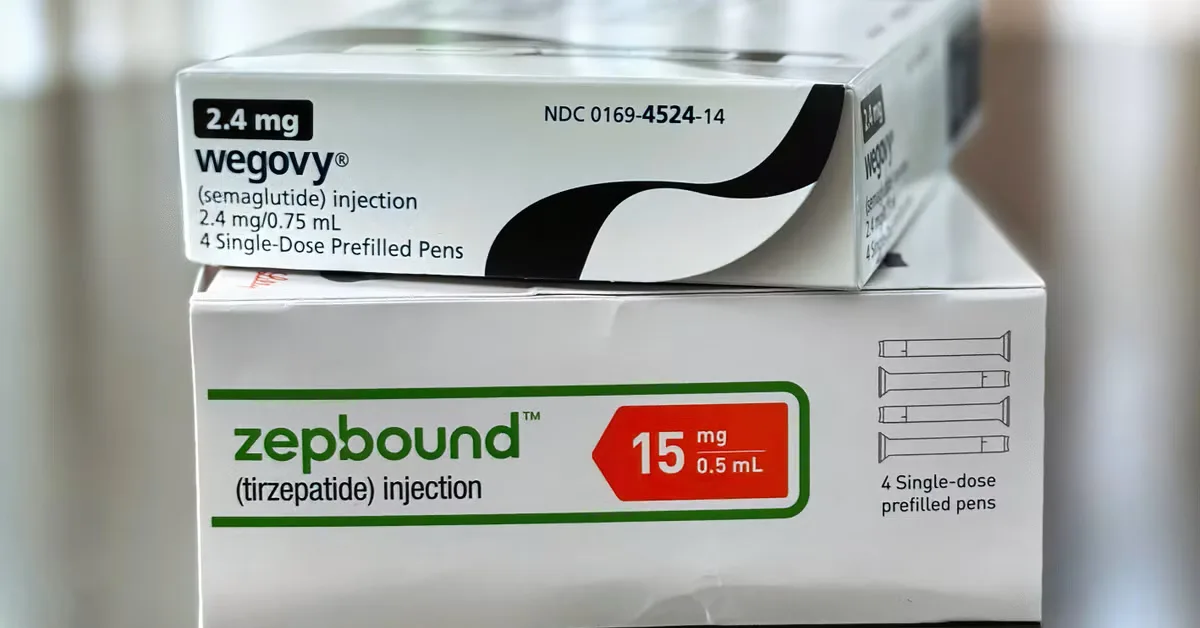
| Semaglutide | Weight loss, diabetes | Approved (Ozempic, Wegovy) |
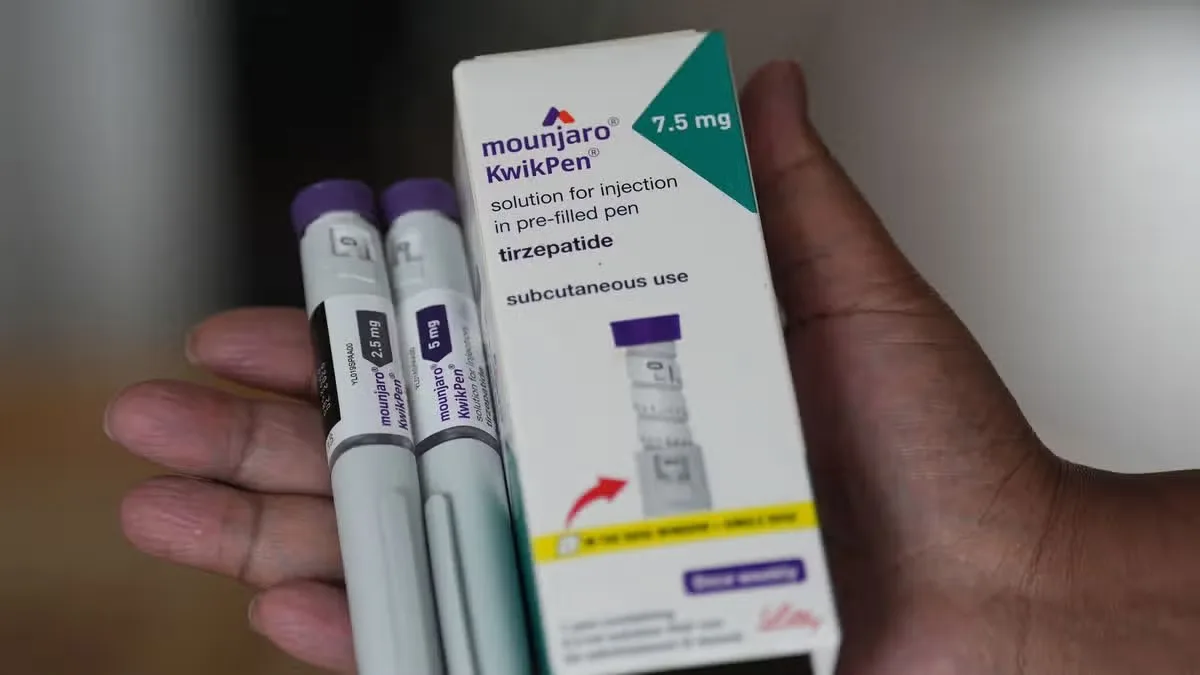
| Tirzepatide | Weight loss, diabetes | Approved (Mounjaro, Zepbound) |
Who Should Consider Compounded Peptide Therapies?
Active does not automatically mean medically eligible. A full calendar of workouts reveals very little about a patient’s actual medical picture. Previous injuries, current pain, cardiovascular history, surgeries, endocrine conditions, kidney or liver function, prescription medications, supplements, allergies, sleep, nutrition, and unexplained symptoms may all affect what kind of care is needed. A doctor may determine that a patient needs local examination, imaging, physical therapy, specialist care, laboratory testing, rest, or another treatment pathway. The Wolverine Blend assessment is not designed to skip those questions; it is designed to surface them. Active adults are asking about sleep, mobility, body composition, recurring training demands, previous injuries, metabolic health, and the expanding research surrounding compounded peptide therapies. Whether recovering from a surf injury or managing chronic pain, the decision requires a doctor’s review rather than self-diagnosis.
How to Track Recovery Progress Safely Online
Telemedicine fits California’s geographic reality. California may share one fitness culture, but it does not share one convenient commute. A patient in San Diego, Los Angeles, Fresno, Sacramento, San Francisco, Palm Springs, or a smaller inland community may face very different levels of access to peptide-informed medical care. Driving hours for an introductory conversation is hardly the pinnacle of modern wellness. California Trim Clinic’s telemedicine model allows eligible adults to begin remotely. Patients can submit information, respond to doctor-directed requests, complete required virtual steps, and coordinate care without making the first stage dependent on reaching Westlake Village in person. Shotlee users can naturally integrate health data tracking to monitor symptoms and progress alongside these medical consultations. Whether tracking metrics for GLP-1 therapy or recovery peptides, consistent data helps doctors make informed decisions. Shotlee facilitates this by centralizing health data, ensuring your medical team sees the full picture.
Precision tracking for your journey
Join thousands using Shotlee to accurately track GLP-1 medications and side effects.
📱 Get the Shotlee App
Track your GLP-1 medications, peptides, and health metrics on the go with our mobile app!
Practical Takeaways for Active Adults
- Medical Review First: Never start peptide therapy without a licensed doctor evaluating your health history.
- Understand Regulation: Advisory committee votes are not final FDA approvals for these compounds.
- Track Data: Use health tracking tools to monitor symptoms and recovery metrics accurately.
- Know the Difference: Distinguish between weight loss medications like Mounjaro and recovery peptides.
- Seek Care: Severe pain or sudden swelling requires urgent in-person medical evaluation.
Conclusion
California’s active population does not think in traditional seasons. People surf, run, hike, cycle, lift, climb, and compete throughout the year, so recovery becomes an ongoing part of how they maintain that lifestyle. The Wolverine Blend is memorable, and patients are increasingly asking about it by name. Our responsibility is to take that excitement out of the group chat and place it inside a patient-specific medical review. California may have survived the cold plunge, but the next recovery trend still needs a doctor, a real health history, and an honest conversation about what the evidence does and does not show. By combining medical oversight with modern tracking technology, patients can pursue their wellness goals safely and effectively.
Frequently Asked Questions
What is The Wolverine Blend?
The Wolverine Blend is California Trim Clinic’s branded compounded peptide program combining BPC-157 and TB-500. The program begins with individualized review by a licensed doctor and may be considered only when medically justified and legally permitted.
Is The Wolverine Blend FDA-approved?
No. The Wolverine Blend is not an FDA-approved medication. BPC-157 and TB-500 are not FDA-approved for recovery, tissue repair, injury treatment, wound healing, pain, mobility, athletic performance, or another use discussed in this release.
Did FDA approve BPC-157 and TB-500 in July 2026?
No. An FDA advisory committee recommended BPC-157-related and TB-500-related substances for potential inclusion on the 503A Bulks List. The recommendations were nonbinding. FDA must decide whether to adopt them and complete any additional regulatory steps required before the list is formally changed.
Why is the combination called The Wolverine Blend?
The name reflects the popular nickname attached to the combination of BPC-157 and TB-500 in fitness and peptide communities. The branding does not mean the program guarantees rapid healing, regeneration, injury repair, or another extraordinary result.
Can California patients complete the entire process online?
Many introductory and follow-up steps may be completed through telemedicine. Some patients may still require laboratory testing, medical records, local vital signs, imaging, specialist care, or an in-person evaluation based on their individual needs.