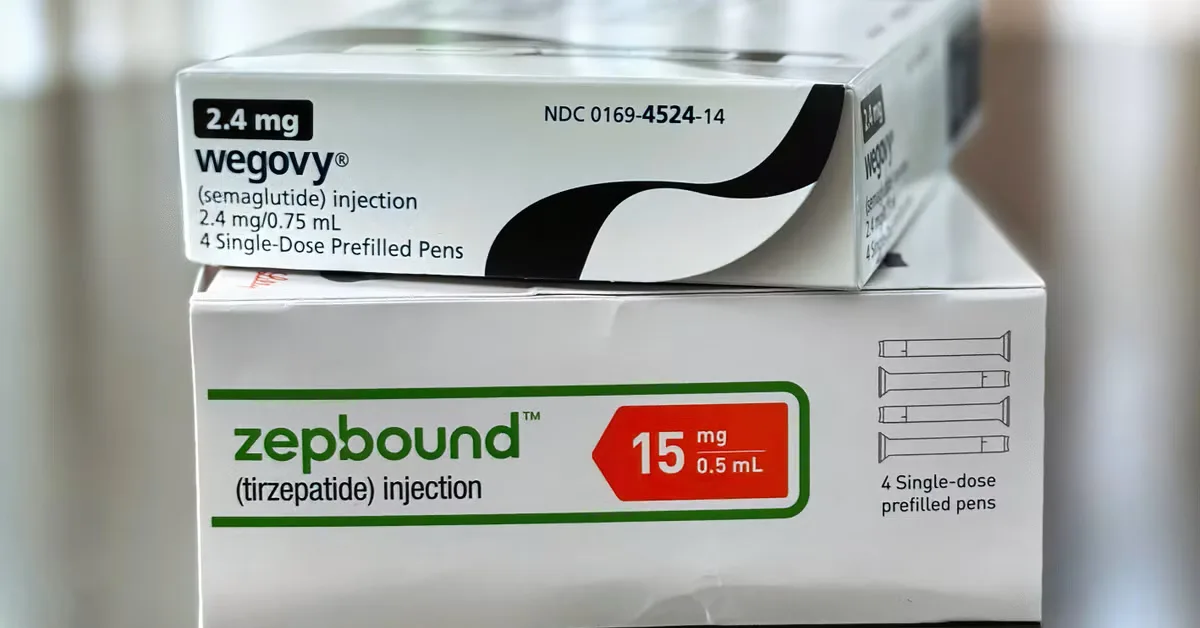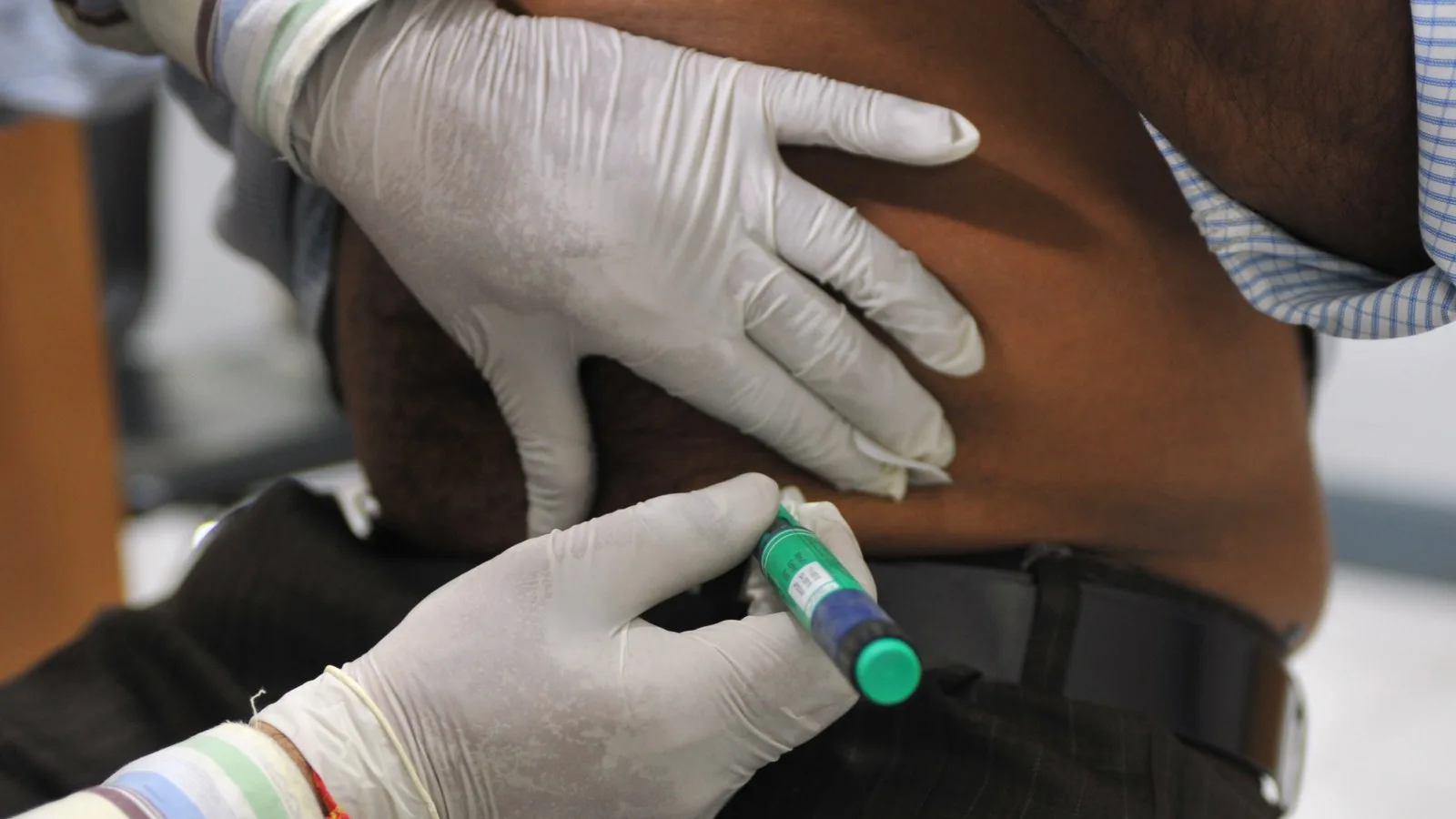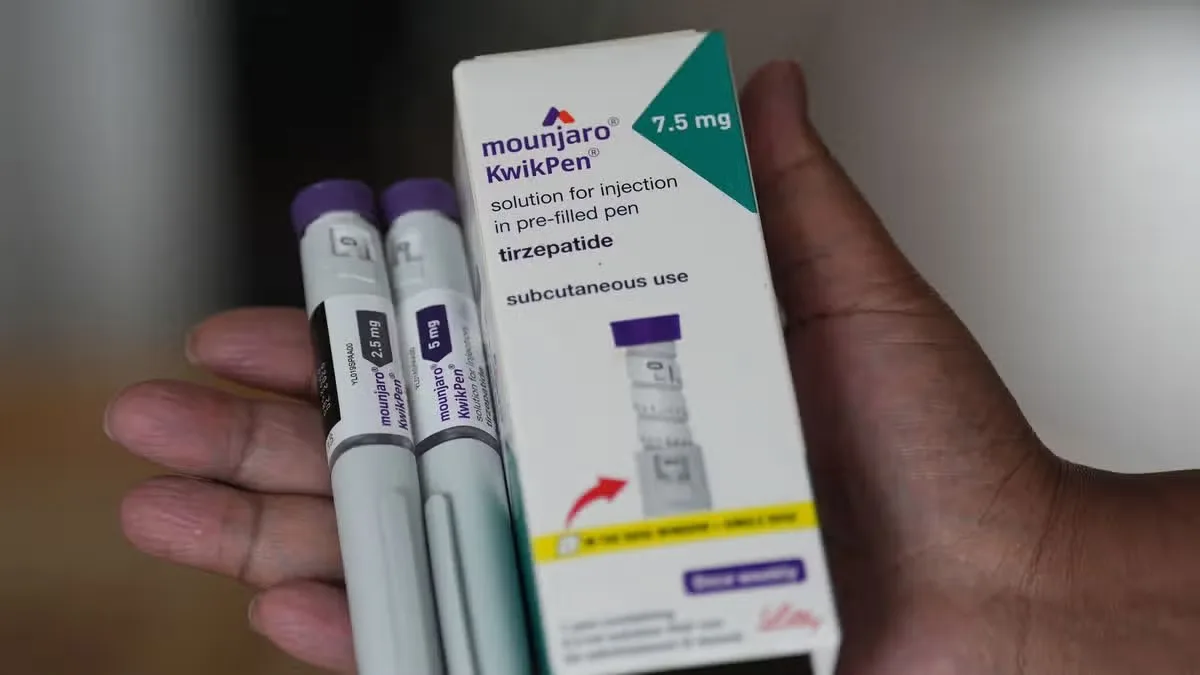
Weight loss injections, such as those containing semaglutide (Wegovy, Ozempic) and tirzepatide (Mounjaro, Zepbound), have become a global phenomenon, with millions worldwide using them to manage their weight. In the UK alone, over two million people are reportedly using these powerful appetite-suppressing jabs. However, a significant challenge looms: the potential for substantial weight regain once treatment stops. Research indicates that individuals often regain the fat lost, while the muscle and bone mass lost may not be recovered, leading to long-term health implications. To combat this, a nationwide trial has been launched to assess whether specialist community-based NHS support hubs can effectively help patients maintain their weight loss.
Why is long-term support crucial for weight loss injections?
The surge in popularity of weight loss injections like Wegovy and Mounjaro stems from their ability to mimic natural hormones, primarily glucagon-like peptide-1 (GLP-1), which regulates appetite and satiety. These medications can lead to significant initial weight loss, often around 8kg (approximately 17.6 lbs) per person, according to some studies. However, a critical finding from a review of 11 studies involving over 6,000 adults suggests that without continued support, individuals tend to regain their original weight within approximately 10 months of discontinuing the jabs. This phenomenon highlights that these medications may require lifelong use for sustained results, a prospect that is often financially unfeasible for many relying on private prescriptions.
Furthermore, stopping these medications can have lasting consequences beyond weight regain. A study from the University of Copenhagen revealed that nearly a third of the weight lost through these injections is actually muscle and bone density. Unlike fat, this lost muscle and bone mass is often not regained, which can have profound implications. Reduced muscle mass means a lower metabolic rate, making it harder to burn calories and lose weight in the future. It also increases the risk of osteoporosis and frailty in later life, underscoring the need for comprehensive support that addresses not just weight loss but also body composition and long-term health.
How will the new trial address weight regain?
The nationwide trial, funded by the National Institute for Health and Care Research (NIHR), is designed to evaluate a novel model of care focused on community-based support clinics. This initiative aims to determine if these specialized hubs can provide the necessary counseling and support to help individuals make the drastic diet and lifestyle changes required for sustained weight loss. Currently, a lack of integrated NHS capacity to offer this crucial support is a primary reason why these drugs are rationed and why most users resort to expensive private prescriptions. The trial will enroll patients from 94 GP surgeries across the UK, with participants attending regular consultations to assess their nutritional health, physical function, participation in work, and overall well-being.
Dr. Helen Parretti, the lead researcher from the University of East Anglia (UEA), explained the core concept: “What we are proposing is a new model of care centred on community-based support clinics.” These hubs will be staffed by specially trained primary care professionals, supported by specialist weight-management teams. Patients will undergo regular reviews, including monitoring of blood tests, nutritional checks, and personalized self-care support. The ultimate goal is to assess whether this community-based NHS support model is a cost-effective solution that could enable the NHS to prescribe weight loss drugs to millions more eligible individuals.
What are the key components of the community support hubs?
The community-based support hubs are envisioned as a comprehensive resource for individuals using weight loss injections. They go beyond simple prescription dispensing to offer a holistic approach to health management. Key components include:
- Regular Medical Reviews: Patients will attend scheduled appointments to monitor their progress, discuss any challenges, and adjust their care plan as needed.
- Nutritional Guidance: Expert advice on healthy eating patterns, portion control, and nutrient-dense food choices to support sustainable weight management and prevent deficiencies.
- Physical Function Assessment: Evaluation of mobility, strength, and exercise capacity, with recommendations for physical activity tailored to individual needs and goals.
- Mental Health and Wellbeing Support: Addressing potential psychological impacts of weight loss, body image concerns, and promoting overall mental wellness.
- Personalized Self-Care Strategies: Empowering patients with tools and knowledge to manage their health independently, fostering long-term adherence to healthy habits.
- Blood Test Monitoring: Regular checks to track key health indicators and identify any potential side effects or complications early on.
This multi-faceted approach aims to equip patients with the skills and confidence to maintain their weight loss and improve their overall health trajectory long after their initial prescription.
What is the current landscape of weight loss drug access in the UK?
The rollout of highly effective weight loss medications like Mounjaro has been met with significant demand, yet access on the NHS remains limited. Prescribing data indicates that while approximately 3.4 million people in the UK are technically eligible for these treatments, the NHS has planned a phased rollout over a projected 12-year period. This gradual implementation means that only a fraction of eligible individuals are currently receiving these drugs through NHS channels. Consequently, the vast majority of people seeking these weight loss solutions must obtain them via private prescriptions, which can be prohibitively expensive.
Precision tracking for your journey
Join thousands using Shotlee to accurately track GLP-1 medications and side effects.
📱 Get the Shotlee App
Track your GLP-1 medications, peptides, and health metrics on the go with our mobile app!
The financial burden of private prescriptions is a major factor contributing to patients discontinuing treatment. Many individuals give up either because they can no longer afford the ongoing costs, the side effects (such as vomiting or nausea) become too severe, or they perceive a lack of further weight loss progress. The situation is exacerbated by some unlicensed online sellers who offer these medications without the crucial accompanying lifestyle support, leaving patients without guidance on diet, exercise, and long-term health management. This disparity in access and support underscores the critical need for initiatives like the new trial to explore scalable, cost-effective solutions.
What are the potential benefits and risks of these weight loss drugs?
Weight loss injections, particularly those mimicking GLP-1 hormones, offer significant potential benefits for individuals struggling with obesity and related health conditions. Beyond the primary goal of weight reduction, these medications can lead to substantial improvements in metabolic health. Studies have shown positive impacts on blood pressure, cholesterol levels, and glycemic control, which can significantly reduce the risk of cardiovascular disease, type 2 diabetes, and other obesity-related comorbidities. For individuals who have found traditional diet and exercise methods insufficient, these drugs can be life-changing, improving mobility, self-esteem, and overall quality of life.
However, it is essential to acknowledge the potential risks and side effects associated with these medications. Common gastrointestinal issues include nausea, vomiting, diarrhea, and constipation. More serious, though less common, risks can include pancreatitis, gallbladder problems, and kidney issues. As previously mentioned, a significant concern is the loss of muscle and bone mass, which can have long-term health consequences. The potential for weight regain upon cessation of treatment also poses a challenge. Therefore, careful medical supervision, personalized treatment plans, and ongoing support are paramount to maximize benefits while mitigating risks. The new trial's focus on community-based support aims to bolster the long-term safety and efficacy of these treatments.
What are the next steps for the weight loss jab support trial?
The randomized controlled trial is scheduled to commence in 2028 and will involve 1,000 participants. The primary objective over the initial 12-month period is to determine whether the community-based support hubs are effective in helping individuals maintain their weight loss. The findings from this trial are expected to provide crucial data on the cost-effectiveness and scalability of this support model. If successful, this approach could pave the way for broader NHS adoption, enabling more people to access and benefit from weight loss medications with the necessary long-term care.
The collaboration of multiple leading universities, including UEA, Cambridge, Birmingham, Bristol, Sheffield, and Leeds Beckett, underscores the scientific rigor and comprehensive nature of this research. Professor Olivia Wu, NIHR program director, emphasized the importance of ongoing care: "Weight-loss surgery and injections can be life-changing for people living with obesity, but they need to be backed by ongoing care, so people can maintain their weight loss and stay healthier for longer." The insights gained from this trial could significantly influence future NHS prescribing strategies and patient care pathways for obesity management.
Practical Takeaways for Patients Considering Weight Loss Injections
For individuals considering or currently using weight loss injections like Wegovy or Mounjaro, it's important to approach treatment with a comprehensive understanding of its implications:
- Discuss Long-Term Plans with Your Doctor: Understand that these medications may require long-term use for sustained results and discuss the financial and health implications.
- Prioritize Lifestyle Changes: Medications are most effective when combined with a healthy diet and regular physical activity. Focus on building sustainable habits.
- Be Aware of Potential Side Effects: Discuss common and serious side effects with your healthcare provider and report any concerns promptly.
- Consider Support Systems: Explore options for ongoing support, whether through NHS programs (when available), private counseling, or support groups, to help maintain motivation and adherence. Using tools like Shotlee can help track symptoms, doses, and progress, providing valuable data for your healthcare team.
- Understand Body Composition: Be aware that some weight loss may be muscle mass. Discuss strategies with your doctor to preserve muscle through adequate protein intake and strength training.
Conclusion
The launch of this nationwide trial marks a significant step forward in addressing the critical challenge of weight maintenance following the use of powerful weight loss injections. By exploring community-based support hubs, the NHS is investigating a potentially scalable and cost-effective solution to ensure that the benefits of these medications are sustained long-term. The trial's focus on comprehensive care, including nutritional guidance, physical activity, and mental well-being, acknowledges that effective weight management is a multifaceted journey. As the research progresses, the findings will be crucial in shaping future clinical practice and improving outcomes for millions of individuals living with obesity.