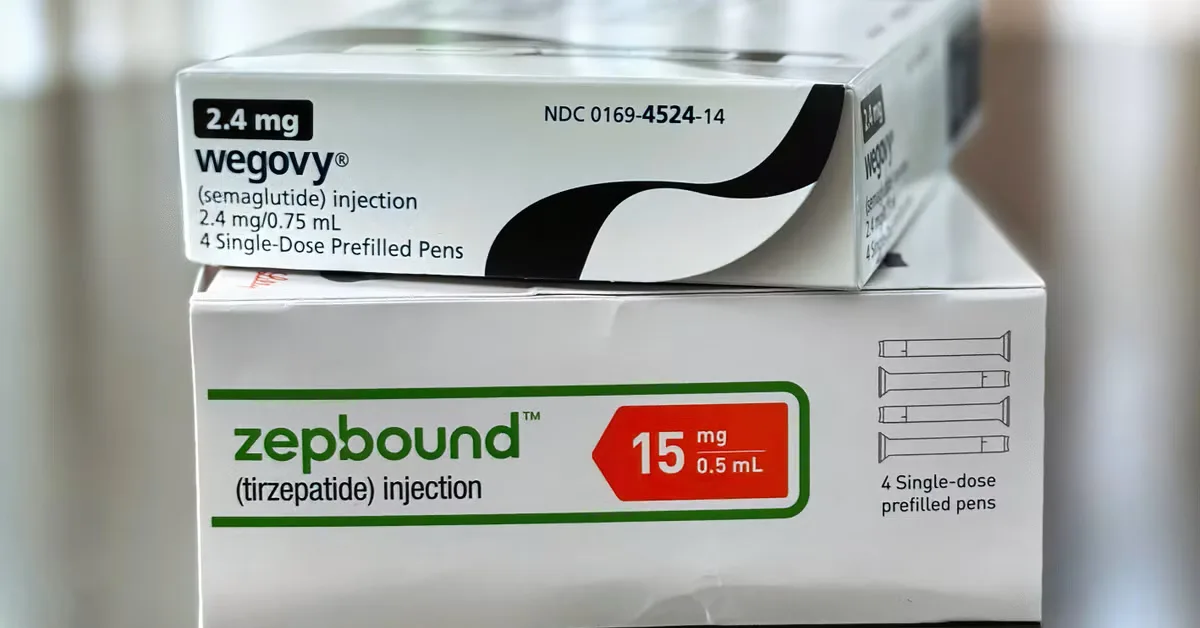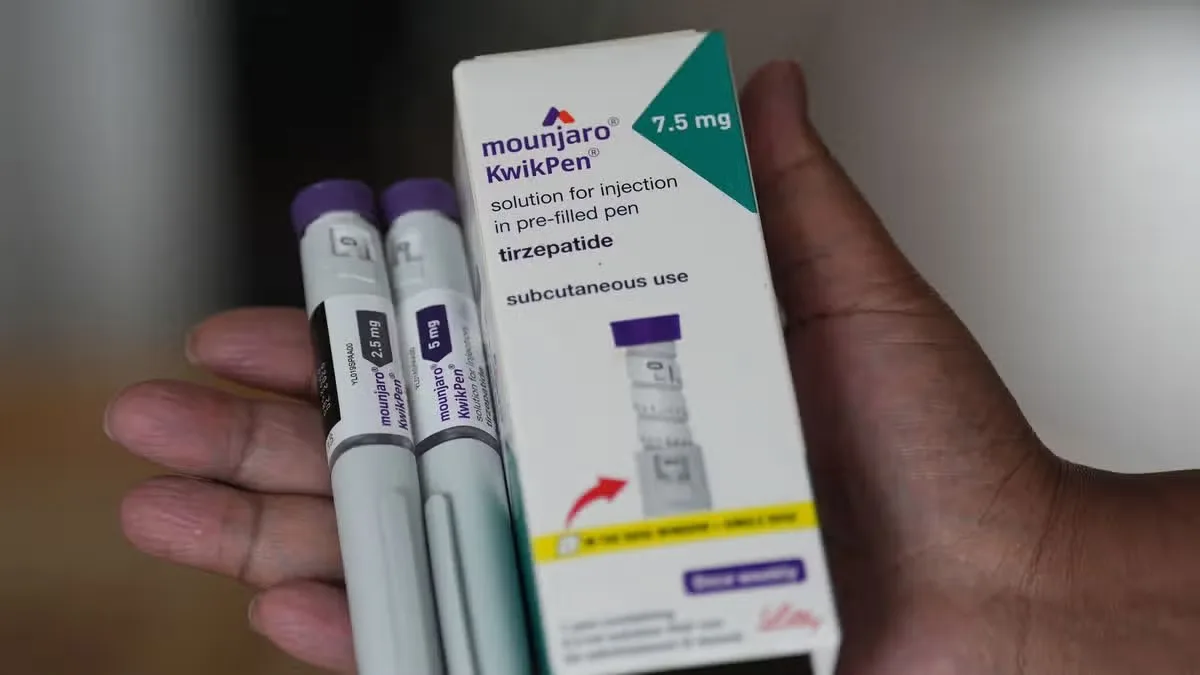

Eli Lilly recently announced a significant strategic shift that goes beyond its well-known dominance in the weight loss medication market. In the first quarter of 2026, the pharmaceutical giant reported $19.8 billion in revenue, a figure largely driven by tirzepatide products like Mounjaro for type 2 diabetes and Zepbound for obesity. Despite this massive financial success, leadership in the obesity market is never guaranteed against future competition or regulatory changes. To mitigate this risk, the company agreed to acquire AtaiBeckley for $2.8 billion plus up to $1 billion in potential milestone payments. This move signals a commitment to diversifying its revenue streams into mental health and neuroscience. By integrating psychedelic therapies and repurposing existing assets, Eli Lilly aims to build a more resilient portfolio that can sustain growth even if weight loss drug competition intensifies. Investors are now looking at how these acquisitions will impact the company's long-term valuation and whether this diversification strategy will yield substantial returns compared to its current blockbuster drugs.
Why Is Eli Lilly Acquiring AtaiBeckley?
Eli Lilly recently agreed to acquire AtaiBeckley for $2.8 billion plus up to $1 billion in potential milestone payments to diversify its revenue streams beyond its dominant weight loss portfolio. While tirzepatide products like Mounjaro and Zepbound generated $19.8 billion in revenue during the first quarter of 2026, leadership in the obesity market is never guaranteed against future competition. This acquisition represents a strategic move to secure a foothold in mental health, specifically targeting treatment-resistant depression with psychedelic compounds. By purchasing AtaiBeckley, the company is effectively buying time and intellectual property to expand its pipeline into areas where demand is growing rapidly but supply remains limited. This diversification strategy ensures that even if weight loss drug competition intensifies, the company maintains multiple growth vectors for long-term shareholder value.
This acquisition is not an isolated event but part of a broader trend where large pharmaceutical companies seek to expand into high-growth therapeutic areas. Eli Lilly has completed twelve acquisitions this year alone, showing a clear intent to build a robust pipeline. The mental health sector has seen increased interest due to the limitations of current antidepressants, which often require weeks to show efficacy. Psychedelic therapies offer a potential paradigm shift by providing rapid relief for patients who have not responded to traditional treatments. This aligns with Eli Lilly's history of investing in novel biology, such as their dual GLP-1 and GIP receptor agonists. The company is essentially using its massive cash flow from metabolic drugs to fund the next generation of neurological treatments.
Furthermore, the deal strengthens Eli Lilly's position as a leader in late-stage clinical development. AtaiBeckley brings assets that are already in phase 3 trials, reducing the risk associated with early-stage research. The company is effectively leveraging its commercial infrastructure to accelerate the path to market for these new therapies. This approach allows Eli Lilly to maintain its focus on its core metabolic business while simultaneously exploring new frontiers. The acquisition demonstrates that the company is thinking several years ahead, preparing for a future where metabolic health is only one part of its medical mission.
What Are the Key Atai Assets in Development?
AtaiBeckley brings two primary assets to the table that are already in late-stage clinical trials for serious mental health conditions. The lead candidate, BPL-003, is an intranasal formulation of 5-MeO-DMT currently undergoing phase 3 testing for treatment-resistant depression, meaning patients who have not responded to at least two prior antidepressants. This compound holds a Breakthrough Therapy designation from the FDA, though definitive phase 3 data is not expected until early 2029. Additionally, the program includes VLS-01, a dissolving film delivering DMT that will release phase 2b trial data in the fourth quarter of this year. These assets represent a significant shift from traditional oral medications to faster-acting psychedelic therapies that could redefine how depression is managed in clinical settings.
The distinction between these two assets lies in their delivery mechanisms and specific indications. BPL-003 targets a severe form of depression that is difficult to treat, offering hope for patients who have exhausted other options. The nasal spray formulation is designed for ease of use in clinical settings, allowing for rapid administration and monitoring. VLS-01, on the other hand, utilizes a dissolving film applied inside the cheek, which offers a different user experience and potentially different pharmacokinetic profile. Both programs are designed to address the high unmet need in major depressive disorder and treatment-resistant depression.
Eli Lilly also has its own internal assets that complement these acquisitions. Brenipatide, a dual GLP-1 and GIP receptor agonist, is in late-stage testing for major depressive disorder and alcohol use disorder. This shows that the company is not just buying external assets but is also repurposing its own successful biology for new indications. The combination of internal development and external acquisition creates a comprehensive approach to mental health. It allows the company to cross-pollinate technologies and potentially combine mechanisms of action for better efficacy.
How Do Psychedelic Sales Compare to Weight Loss Revenue?
Financially, the mental health market targeted by AtaiBeckley is significantly smaller than the massive revenue generated by Eli Lilly’s GLP-1 and GIP receptor agonists. For perspective, Johnson & Johnson’s esketamine nasal spray, Spravato, generated $584 million in global sales during the second quarter of 2026, with peak annual sales estimated at $5 billion. In contrast, Eli Lilly is guiding for total revenue between $82 billion and $85 billion for the current year. Even if Atai’s candidates become category leaders, they would constitute a small slice of the company’s overall top line compared to diabetes and obesity medications. This disparity highlights that the acquisition is a long-term insurance policy rather than an immediate replacement for blockbuster weight loss drug income.
Understanding the scale of these markets is crucial for investors assessing the impact of the acquisition. While $5 billion in sales is a success for a specialized drug, it is a fraction of the revenue generated by Mounjaro and Zepbound. The weight loss market is driven by chronic use and broad patient populations, whereas mental health treatments often involve shorter durations or more specific patient criteria. However, the mental health market is also growing rapidly as stigma decreases and access to care improves. This growth potential makes it an attractive area for long-term investment, even if the immediate financial impact is modest.
Precision tracking for your journey
Join thousands using Shotlee to accurately track GLP-1 medications and side effects.
📱 Get the Shotlee App
Track your GLP-1 medications, peptides, and health metrics on the go with our mobile app!
The table below provides a comparison of the financial scale between the mental health and metabolic portfolios.
| Metric | AtaiBeckley Targets | Eli Lilly Metabolic Portfolio |
|---|---|---|
| Q2 2026 Sales | ~$584 Million (Spravato comparison) | ~$19.8 Billion (Total Q1) |
| Peak Sales Estimate | $5 Billion | $82-85 Billion (Annual Guidance) |
| Primary Indication | Treatment-Resistant Depression | Type 2 Diabetes and Obesity |
| Timeline for Data | 2029 (Phase 3) | Currently Commercialized |
Does This Acquisition Change the GLP-1 Investment Thesis?
The purchase of AtaiBeckley does not fundamentally alter the primary investment thesis surrounding Eli Lilly’s GLP-1 and GIP receptor agonists like Mounjaro. The core business remains driven by tirzepatide, which continues to dominate the type 2 diabetes and obesity markets with sustained demand. However, this acquisition signals that management is actively seeking to mitigate risk by repurposing assets and investing in new biological targets such as Brenipatide for major depressive disorder. It demonstrates a commitment to building a deeper portfolio that extends beyond metabolic health into neurological conditions. Investors should view this as a bullish factor that strengthens the company’s overall pipeline resilience without distracting from the immediate success of its weight loss medicines.
The GLP-1 market is highly competitive, with companies like Novo Nordisk and Pfizer also vying for dominance. Eli Lilly is hedging its bets by ensuring that if the weight loss market saturates or faces regulatory headwinds, it has other revenue streams ready to go. This is a common strategy for large pharmaceutical companies to ensure stability over decades. The acquisition does not detract from the current success of Mounjaro or Zepbound but rather adds a layer of security to the company's financial future.
Additionally, the knowledge gained from developing psychedelic therapies could inform future drug development in other areas. Neuroscience is a complex field, and advancements in one area often spill over into others. By investing in AtaiBeckley, Eli Lilly is gaining access to cutting-edge research that could benefit its broader portfolio. This cross-disciplinary approach is a hallmark of successful biotech innovation and positions Eli Lilly as a leader in multiple therapeutic categories.
How Can Patients Track Mental Health Treatment Progress?
Patients interested in emerging mental health therapies or managing GLP-1 side effects can utilize health tracking tools to monitor their specific symptoms and response to treatment over time. While Eli Lilly focuses on drug development, individual patients benefit from recording daily mood changes, dosage adjustments, and physical metrics to share with their healthcare providers. Platforms like Shotlee allow users to log medication data and track progress alongside clinical milestones, ensuring that personal health journeys align with broader medical advancements. This detailed data collection helps clinicians make informed decisions about whether to switch medications or adjust dosages based on real-world evidence rather than relying solely on periodic office visits.
Tracking health data is essential for managing complex treatment regimens, especially when multiple medications are involved. GLP-1 medications like Ozempic and Wegovy can have significant effects on weight and metabolism, which can interact with other treatments. By keeping a detailed record of side effects and efficacy, patients can provide their doctors with accurate information. This proactive approach empowers patients to take control of their health and ensures that treatment plans are optimized for their specific needs.
Furthermore, as new treatments like those from AtaiBeckley become available, having a baseline of health data will be invaluable. Clinicians will need to compare new therapy outcomes against existing patient histories to determine efficacy. Shotlee and similar tools facilitate this process by organizing complex data into actionable insights. This technology bridge between patients and providers is becoming increasingly important in modern medicine.
Practical Takeaways for Investors and Patients
- Diversification Strategy: Eli Lilly is using profits from weight loss drugs to fund mental health research, reducing long-term risk.
- Asset Maturity: AtaiBeckley's assets are in late-stage trials, meaning they are closer to market than typical early-stage biotech.
- Revenue Scale: Mental health sales will not replace weight loss revenue but will add significant incremental growth.
- Tracking Progress: Patients should use health tracking apps to monitor side effects and treatment response.
- Pipeline Expansion: Eli Lilly is building a portfolio that spans metabolism, diabetes, and mental health.
Conclusion
Eli Lilly's acquisition of AtaiBeckley marks a pivotal moment in the company's evolution from a metabolic health leader to a broader medical innovator. While the weight loss market continues to generate massive revenue, the company is wisely investing in the future of mental health care. This strategy ensures long-term stability and positions Eli Lilly to capitalize on emerging therapies that could transform how depression and addiction are treated. For investors, this represents a balanced approach to growth and risk management. For patients, it signals a future where more treatment options are available for conditions that have historically been difficult to manage. The combination of blockbuster drugs and cutting-edge neuroscience creates a robust foundation for the company's continued success in the coming years.
Frequently Asked Questions
- What is the main reason Eli Lilly bought AtaiBeckley?
Eli Lilly acquired AtaiBeckley to diversify its revenue streams beyond weight loss drugs and secure a foothold in the mental health market through late-stage psychedelic therapies. - When will AtaiBeckley's phase 3 data be available?
Definitive phase 3 data for the lead candidate BPL-003 is expected to be available in early 2029. - How does Spravato sales compare to Eli Lilly's revenue?
Spravato generated $584 million in sales in Q2 2026, whereas Eli Lilly is guiding for $82 billion to $85 billion in total annual revenue. - Does the Atai acquisition affect Mounjaro sales?
No, the acquisition does not negatively impact Mounjaro sales; it acts as a long-term insurance policy while Mounjaro continues to dominate the market. - What is Brenipatide and how is it related to weight loss drugs?
Brenipatide is a dual GLP-1 and GIP receptor agonist currently being tested for major depressive disorder, sharing biological similarities with tirzepatide.