
Introduction: A Celebrity Recovery Journey Under the Spotlight
In the high-stakes world of Hollywood, Jeremy Renner is known for his intense physical roles and dedication to his craft. However, the public recently witnessed a different kind of resilience following his near-fatal snowplow accident in January 2023. At 55 years old, Renner faced a grueling recovery involving 38 broken bones and significant tissue damage. Now, he is opening up about the advanced medical interventions that are supporting his long-term healing.
Speaking to Fox News Digital, Renner revealed that his recovery is not a temporary fix but a lifelong commitment. He has turned to cutting-edge medical modalities, including hyperbaric oxygen therapy, red light therapy, and peptide therapy. While celebrities often have access to unique treatment options, the medical principles behind these therapies are relevant to anyone looking to optimize their health, manage aging, or recover from physical trauma. This article explores the science behind Renner's recovery choices, the broader landscape of peptide therapy including GLP-1 medications like Ozempic and Wegovy, and why health tracking is essential for monitoring progress.
The Reality of Severe Trauma and Long-Term Healing
The snowplow accident that left Renner with 38 broken bones was a life-altering event. Recovery from such severe trauma is complex, involving not just bone healing but the restoration of muscle tissue, nerve function, and overall metabolic health. Renner noted that he expects to be in recovery for the rest of his life. This perspective shifts the focus from acute care to chronic management and optimization.
For the average person, the scale of Renner's injury is not typical, but the principles of recovery are universal. Whether recovering from surgery, sports injuries, or managing age-related decline, the body requires specific biological signals to repair itself. This is where modern regenerative medicine steps in. Renner emphasized that he is focusing on "real life, nonfiction kind of stuff" rather than returning immediately to the fiction of acting, highlighting the priority of physical restoration.
The accident also sparked a deeper connection to first responders, leading to a partnership with RapidSOS. However, the medical aspect of his life has been equally transformative. By utilizing advanced therapies, Renner is demonstrating that recovery is not passive; it is an active process that can be accelerated with the right interventions.
Understanding Peptide Therapy in Recovery and Aging
One of the most significant revelations from Renner's interview is his use of peptide therapy. He described these therapies as "really great for hormone replacement as we get older." While the term "peptides" is often associated with the recent weight loss boom involving GLP-1 agonists, the therapeutic application is much broader.
The Connection Between Peptides and GLP-1 Medications
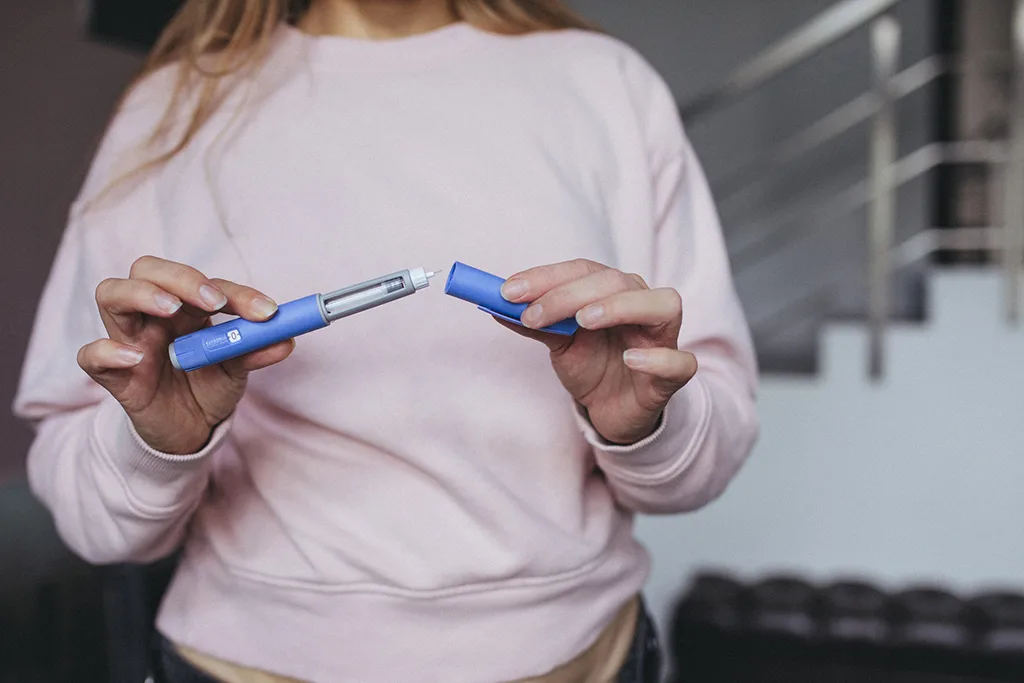
In the current medical landscape, peptides have gained immense popularity, particularly regarding metabolic health. When people hear about peptide therapy, they often think of semaglutide or tirzepatide. These are GLP-1 receptor agonists marketed under brand names like Ozempic, Wegovy, and Mounjaro. While these are primarily prescribed for type 2 diabetes and weight loss, they function through peptide signaling pathways.
Renner's use of peptides for tissue damage and hormone replacement aligns with the broader anti-aging and regenerative medicine field. Unlike GLP-1 drugs which focus heavily on satiety and insulin sensitivity, other peptides (such as BPC-157 or TB-500) are often investigated for their potential to accelerate tendon and ligament healing. Renner specifically mentioned using these for "hormone replacement as we get older," suggesting a focus on growth hormone secretagogues or similar agents that support muscle retention and tissue repair.
Why Peptides Matter for Tissue Repair
Peptides are short chains of amino acids that act as messengers in the body. They can signal the body to repair specific tissues, reduce inflammation, and regulate hormonal function. For someone with 38 broken bones, the inflammatory response can be overwhelming. Peptide therapy aims to modulate this response, potentially speeding up the healing process and reducing long-term scar tissue formation.
While Renner did not specify the exact peptides he is using, the principle remains consistent: utilizing biological signaling to enhance the body's natural repair mechanisms. This is distinct from traditional pain management, which often masks symptoms rather than addressing the underlying healing deficit.
Hyperbaric and Red Light Therapy: The Physical Modalities
Beyond peptides, Renner highlighted his use of hyperbaric chambers and red light therapy. These are non-invasive physical treatments that have gained traction in both sports medicine and longevity clinics.
Hyperbaric Oxygen Therapy (HBOT)
Hyperbaric oxygen therapy involves breathing pure oxygen in a pressurized room or tube. This increases the amount of oxygen dissolved in the blood, which can reach areas with reduced blood flow. For someone with extensive tissue damage, HBOT can promote angiogenesis (the growth of new blood vessels) and enhance the body's immune response to fight infection or repair damaged cells.
In the context of Renner's recovery, HBOT serves as a tool to ensure that damaged tissues receive adequate oxygenation to heal. It is often used for non-healing wounds, radiation injuries, and severe trauma recovery.
Precision tracking for your journey
Join thousands using Shotlee to accurately track GLP-1 medications and side effects.
📱 Get the Shotlee App
Track your GLP-1 medications, peptides, and health metrics on the go with our mobile app!
Red Light Therapy (Photobiomodulation)
Red light therapy uses low-wavelength red light to stimulate cellular function. It works by penetrating the skin and stimulating the mitochondria within cells to produce more ATP (energy). This increased cellular energy can reduce inflammation and pain while promoting tissue repair.
Renner's inclusion of red light therapy alongside peptides suggests a holistic approach. While peptides provide the biological signals for repair, red light therapy provides the cellular energy required to execute that repair. Together, they create a synergistic effect that is often more effective than either treatment alone.
Comparison of Recovery Modalities
| Therapy | Primary Mechanism | Best Used For | Recovery Timeline Impact |
|---|---|---|---|
| Peptide Therapy | Hormonal signaling & tissue repair | Hormone replacement, tendon/ligament healing | Long-term optimization & chronic repair |
| Hyperbaric Oxygen | Increased oxygen saturation in blood | Wound healing, oxygen-starved tissues | Accelerated acute healing phases |
| Red Light Therapy | Cellular energy (ATP) production | Inflammation reduction, skin health, pain | Supportive daily maintenance |
| GLP-1 Agonists (e.g., Ozempic) | Appetite regulation & insulin sensitivity | Weight loss, metabolic health | Long-term metabolic management |
The Critical Role of Health Tracking in Recovery
Renner mentioned that he is "simplifying his life" to focus on getting better every day. However, getting better requires data. In the modern medical landscape, subjective feelings are not enough; objective metrics are necessary to adjust treatment plans effectively.
This is where platforms like Shotlee become invaluable for patients undergoing complex recovery protocols. Whether you are tracking the effects of peptide therapy or monitoring the outcomes of hyperbaric treatments, keeping a detailed log of your symptoms, doses, and physiological responses is crucial.
Why Data Matters for Peptide and Hormone Therapy
When using peptide therapy or hormone replacement, individual responses can vary significantly. A dose that works well for one person may cause side effects in another. By tracking data points such as:
- Dosage and Frequency: Recording exactly when and how much was administered.
- Side Effects: Noting any adverse reactions immediately.
- Energy Levels: Logging subjective energy and pain scores.
- Physical Metrics: Tracking weight, blood pressure, or recovery milestones.
This data allows healthcare providers to make informed adjustments. For example, if a patient is using a peptide for hormone replacement, tracking symptoms over time can indicate if the dosage is sufficient or if a different approach is needed.
Integrating Shotlee into Your Routine
For individuals following in Renner's footsteps regarding recovery and longevity, health tracking is not just about numbers; it is about understanding the narrative of your body's health. Shotlee provides a structured way to manage this information, ensuring that no detail is lost between doctor visits. This is particularly important for those using multiple modalities like red light and peptides simultaneously, as it helps isolate which treatment is driving specific results.
Aging, Mindset, and the Future of Personal Health
Renner's journey underscores that recovery is as much mental as it is physical. He emphasized the importance of a "positive mindset," noting that he has to enjoy the therapies because he will be doing them for the rest of his life. This aligns with the growing understanding of psychoneuroimmunology—the connection between the mind, nervous system, and immune function.
As we age, the body's natural repair mechanisms slow down. This is why Renner mentions peptide therapy for "hormone replacement as we get older." It is a proactive approach to aging, similar to how others might use semaglutide or tirzepatide to manage metabolic decline. The goal is not just to survive, but to thrive with vitality.
The accident forced Renner to simplify his life. He stated, "Be with my family, get better every day and do acts of service." This philosophy of service and focus is a powerful component of recovery. When the mind is aligned with the goal of healing, the body often responds more positively.
Practical Takeaways for Your Health Journey
While not everyone will face a snowplow accident, the lessons from Jeremy Renner's recovery are applicable to anyone interested in longevity and wellness. Here are key takeaways to consider:
- Embrace Advanced Therapies: Consider discussing peptide therapy, hyperbaric oxygen, or red light therapy with your healthcare provider as part of a holistic recovery or anti-aging plan.
- Track Your Progress: Use tools like Shotlee to monitor your symptoms, doses, and health metrics. Data drives better medical decisions.
- Focus on the Long Term: Recovery and health optimization are marathons, not sprints. Consistency in treatment and lifestyle is key.
- Stay Informed: Understand the difference between various peptide types, including those used for weight loss (GLP-1s) versus those used for tissue repair.
- Maintain a Positive Mindset: Mental resilience is a critical component of physical healing.
Conclusion
Jeremy Renner's recovery journey offers a glimpse into the future of personal health management. By combining traditional resilience with modern medical technology, he is navigating a path that prioritizes long-term wellness over quick fixes. Whether through peptide therapy, hyperbaric treatments, or diligent health tracking, the focus is on restoring the body's natural capabilities. As the medical community continues to evolve, tools like Shotlee will play a vital role in helping individuals manage their complex health data, ensuring that every step of the journey is documented, understood, and optimized.