
The Shifting Landscape of Beauty and Medicine
In recent decades, the boundary between medical treatment and cosmetic enhancement has blurred. What was once the exclusive domain of the celebrity elite or the superrich is now increasingly accessible to the general public. From injectables like Botox to weight-loss medications such as Ozempic and Wegovy, technological advancements have made body modification both pervasive and inescapable.
For many, these interventions represent a quest for youth, conformity, or simply relief from distress. However, this accessibility brings profound philosophical and ethical questions. As we witness the rise of cosmetic interventions, we must ask: Are we empowering ourselves, or are we succumbing to societal pressure? This article explores the intersection of bioethics, religion, and modern medicine to help you navigate these complex choices.
The Rise of Pharmacological and Surgical Interventions
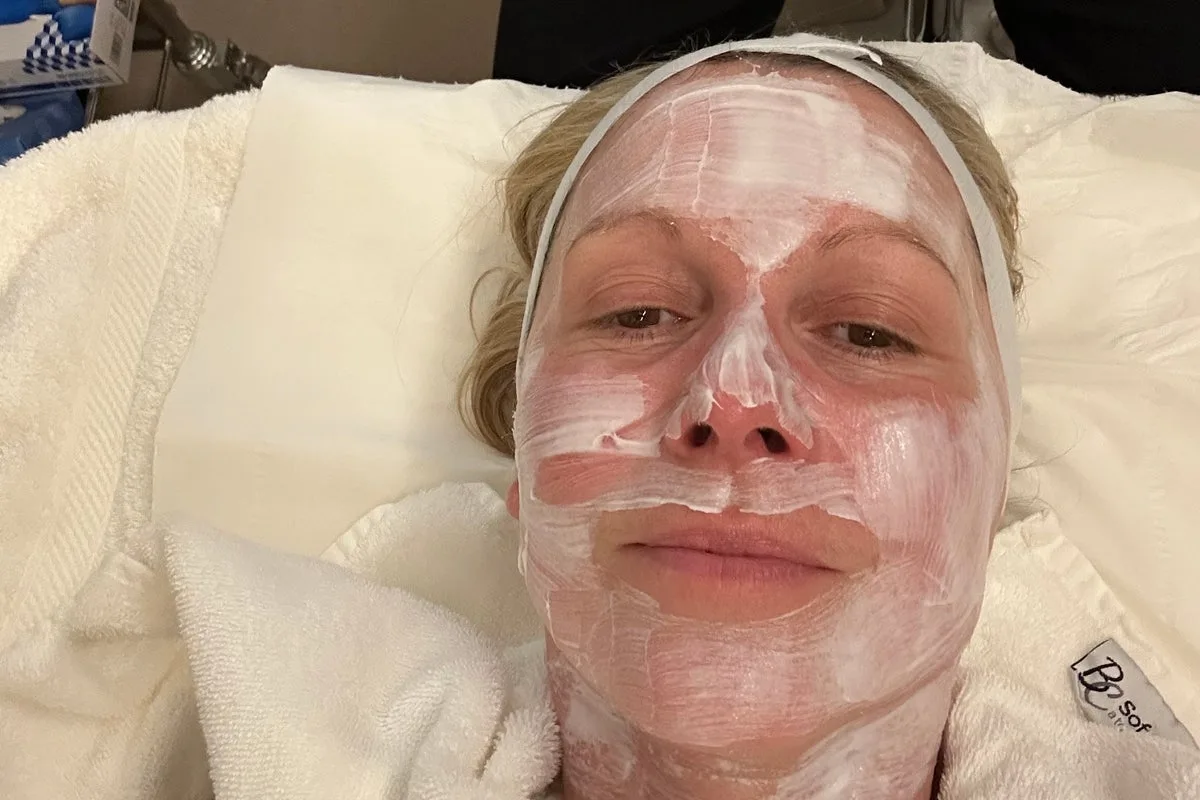
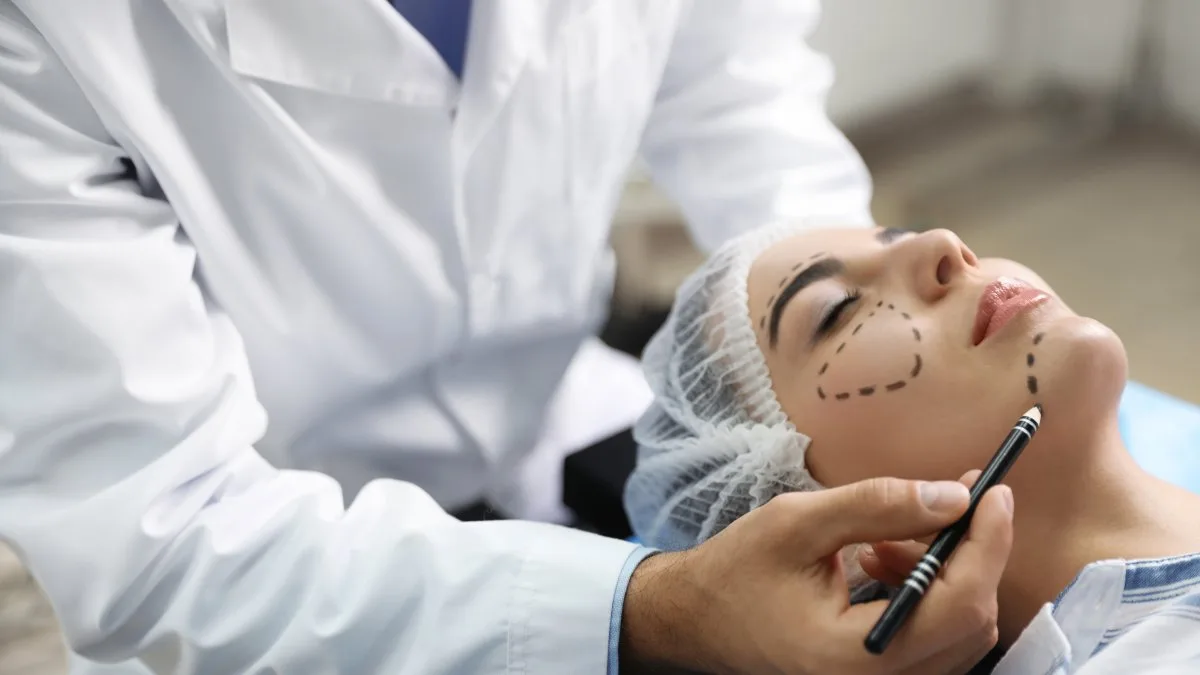
One of the most significant trends in modern aesthetics is the normalization of preventive measures at younger ages. Dr. C. Bob Basu, president of the American Society of Plastic Surgeons, notes that young people are now proactive about "baby Botox" to prevent wrinkles before they start, or considering deep plane lifts in their late 30s rather than waiting until their 60s.
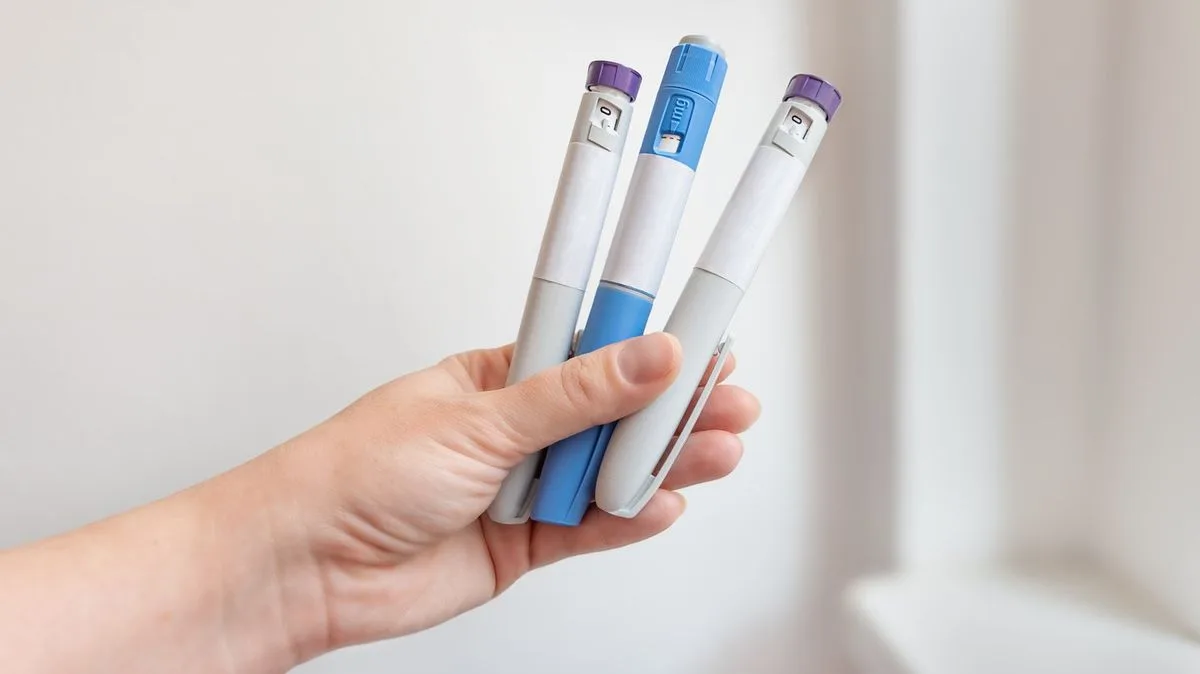
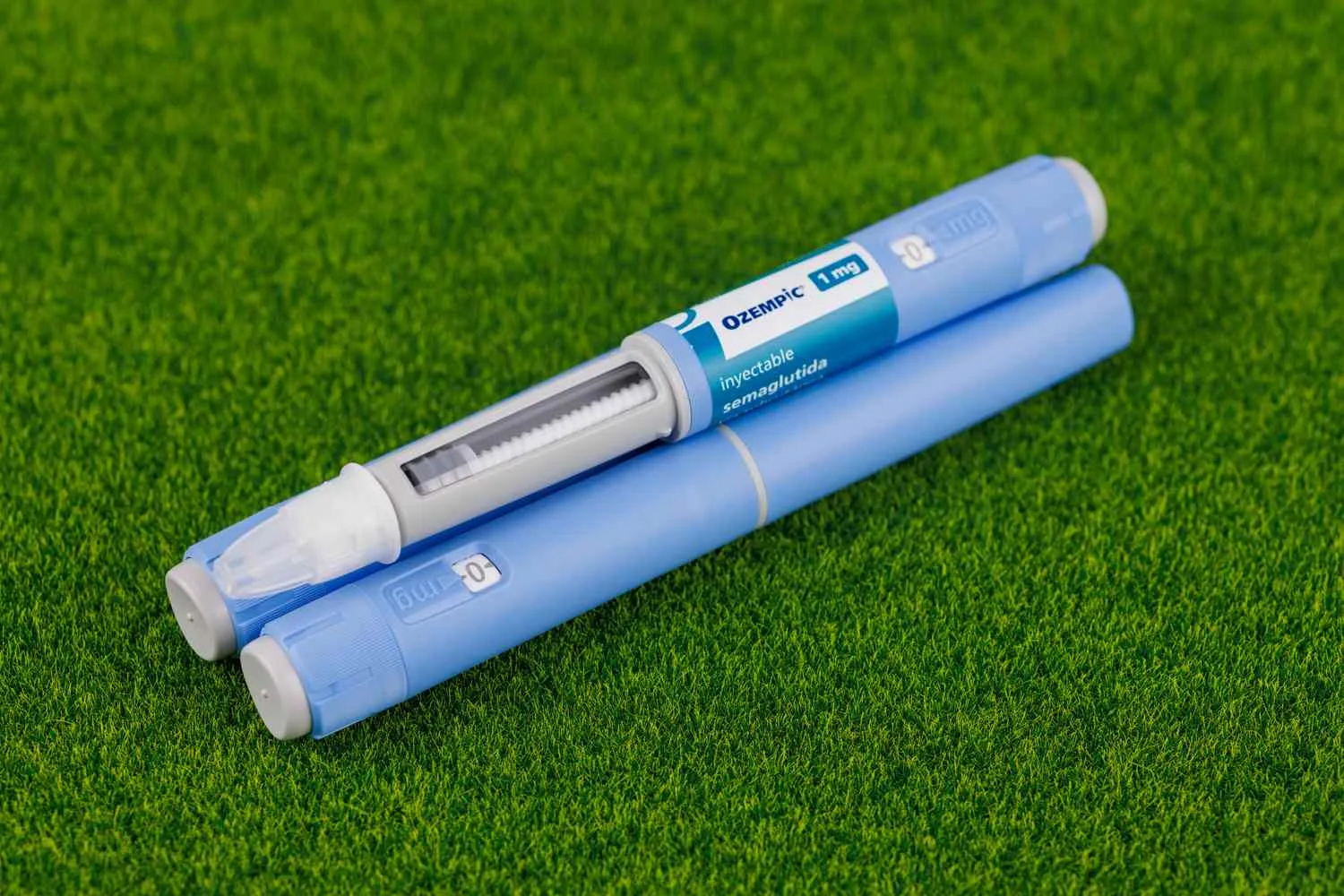
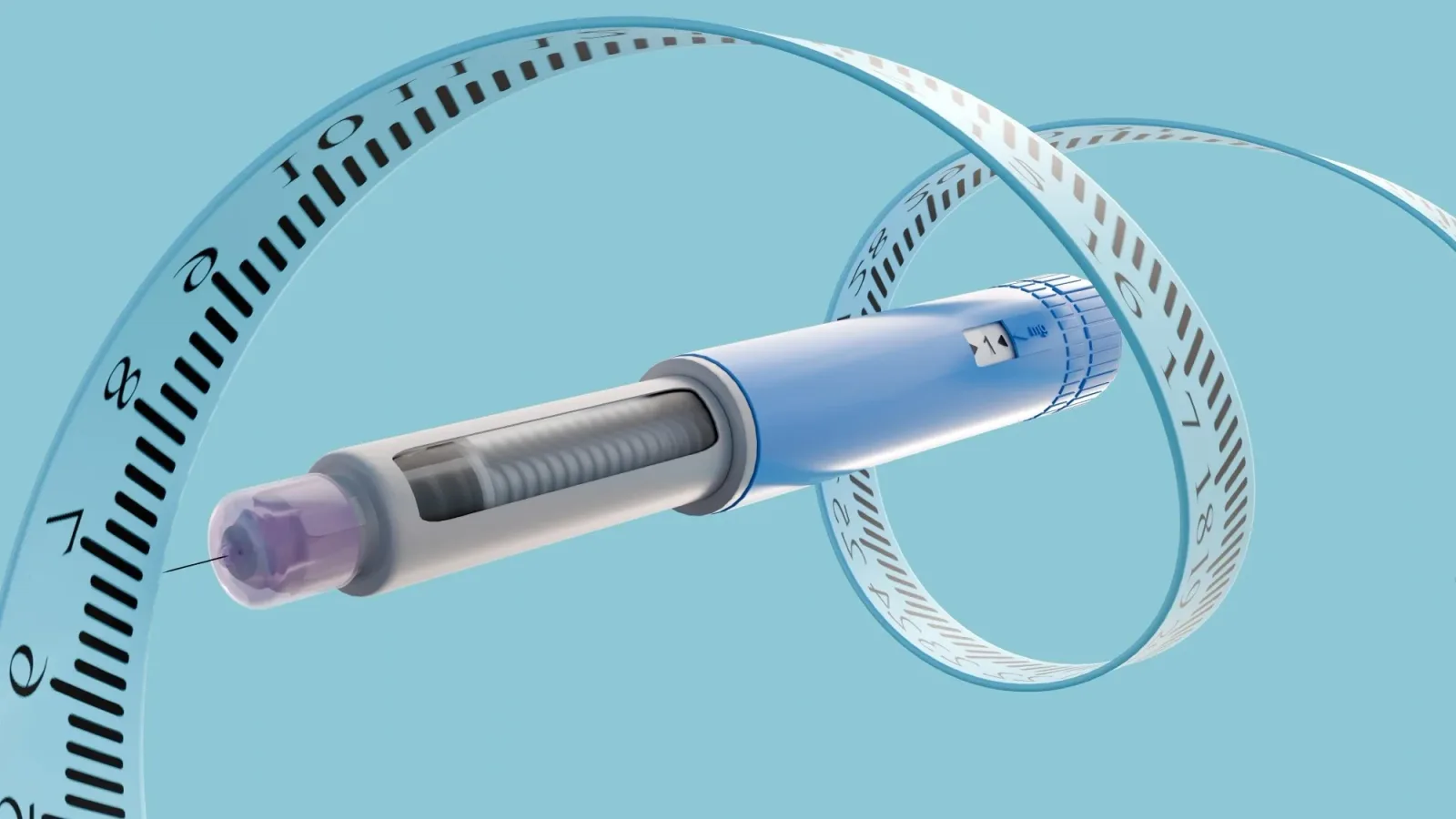
Simultaneously, the pharmaceutical landscape has shifted dramatically with the introduction of GLP-1 receptor agonists. Drugs like semaglutide (Ozempic, Wegovy) and tirzepatide (Mounjaro) were originally developed to manage type 2 diabetes but have become prominent tools for weight loss. While these medications offer genuine health benefits for those with metabolic conditions, their expansion into purely cosmetic weight loss raises new questions about medical resource distribution.
As Dr. Michael Obeng, a Beverly Hills surgeon, observes, the stigma is fading. "Now people are not even hiding it. They show their plastic surgery as a badge of honor." This visibility is driven by workplace demands and the aging workforce, where looking presentable is often tied to professional longevity.
Ethical and Religious Perspectives on Body Modification
The decision to alter one's body is rarely just a medical choice; it is deeply personal and often spiritual. While major religions have offered little official guidance on specific procedures, theologians and bioethicists are calling for wider conversations.
Religious Stances on Vanity and Health
Many faiths condemn vanity while praising modesty, creating a spectrum of attitudes toward cosmetic work. Dr. Jerry Chidester, a member of The Church of Jesus Christ of Latter-day Saints, notes that while some strict interpretations discourage interventions, the broader cultural landscape in areas like Salt Lake City often favors them. Chidester advises patients that their bodies are their own business: "It is literally your body. Who cares if they think you're doing it for vanity or for function?"
Dr. Sheila Nazarian, a Jewish board-certified plastic surgeon, looks to the Torah for guidance. She suggests that if a modification brings distress, it is permissible. "My patient population... need help with one little thing that they'd just rather not think about anymore." For her, the alleviation of psychological burden outweighs the potential for vanity.
The Bioethical Debate
Bioethicists argue that plastic surgery is often underrepresented in medical ethics training. Arthur Caplan, founding head of the Division of Medical Ethics at NYU Grossman School of Medicine, points out that medical students typically rotate through ICUs or palliative care, rarely encountering plastic surgery departments. This lack of specialized training means surgeons often set their own ethical boundaries without broader guidance.
Comparison of Intervention Types and Ethical Considerations
| Intervention Type | Primary Goal | Ethical Consideration |
|---|---|---|
| GLP-1s (Ozempic/Wegovy) | Weight Loss / Diabetes | Resource allocation; medical need vs. cosmetic desire |
| Botox / Fillers | Anti-aging / Volume | Preventive care vs. vanity; long-term dependency |
| Surgery (Lifts, Implants) | Structural Change | Surgical risk vs. psychological relief; societal pressure |
| Peptide Therapy | Recovery / Aesthetics | Regulatory oversight; off-label usage risks |
Societal Pressure vs. Individual Agency
While opting for interventions is often framed as a personal decision, experts argue it is hardly that simple. Abigail Saguy, a sociologist at UCLA, emphasizes that this is a social issue treated as an individual one. "It's important to think about how those choices are constrained and to think about the social pressures," she says.
For actors like Ivory Kellogg, the pressure is palpable. "There's this expectation that once you hit 35, you think about doing a mini facelift. That's a lot of pressure." Yet, she also champions autonomy: "I do want women to feel like they're allowed to do whatever they want."
Natalie Carnes, a feminist theologian at Duke Divinity School, suggests we need a wider conversation. We must avoid putting the burden squarely on women while also respecting their moral agency. "Beauty is something that's good. And beauty is something that is good to pursue," she notes, though she warns that procedures like Botox and face-lifts narrow cultural ideals.
Precision tracking for your journey
Join thousands using Shotlee to accurately track GLP-1 medications and side effects.
📱 Get the Shotlee App
Track your GLP-1 medications, peptides, and health metrics on the go with our mobile app!
Medical Ethics and Resource Allocation
A critical concern raised by Dr. Aasim Padela, who studies bioethics and Islamic thought, is the distribution of medical resources. The medical profession is primarily designed to restore health or prevent loss of health. When cosmetic procedures are prioritized, it can skew resource availability.
"Certain types of procedures, body modifications, interventions - whatever you want to call them - may not meet those goals or even be aimed at those goals," Padela explains. This is particularly relevant as demand for weight loss medications like semaglutide surges, potentially limiting access for patients with unmanaged diabetes who require them for organ protection.
Tracking Progress and Safety with Shotlee
Regardless of whether you choose GLP-1 therapy, peptide therapy, or cosmetic surgery, monitoring your health is essential. These interventions can have significant physiological impacts, from metabolic changes to surgical recovery needs.
Using a health tracking tool like Shotlee can provide peace of mind during these transitions. Whether you are tracking weight loss milestones on Wegovy, monitoring side effects during peptide therapy, or logging symptoms post-procedure, data helps you make informed decisions. Shotlee allows you to visualize trends in your health metrics, ensuring that your pursuit of aesthetic goals does not compromise your overall well-being.
When considering interventions, ask yourself:
- Is this addressing a medical need or a desire?
- Am I feeling pressured by external expectations?
- Have I tracked my health data to understand baseline risks?
- Do I have a support system for recovery or side effects?
Conclusion
The rise of cosmetic interventions reflects a complex interplay of medical advancement, cultural pressure, and personal autonomy. From the theological debates on vanity to the bioethical concerns regarding resource allocation, there is no single right answer. However, by understanding the risks, acknowledging societal pressures, and utilizing tools to track your health responsibly, you can navigate these choices with clarity and empowerment.
Practical Takeaways
- Consult Professionals: Always speak with board-certified surgeons or medical providers regarding GLP-1s and surgery.
- Monitor Your Mental Health: Ensure your motivation stems from self-care rather than external validation.
- Track Your Data: Use health tracking platforms to monitor weight, mood, and side effects during treatment.
- Consider Long-Term Commitment: Many interventions require maintenance; factor this into your lifestyle.
- Respect Your Boundaries: It is okay to say no to procedures, regardless of societal trends.
Frequently Asked Questions
1. Are GLP-1 medications like Ozempic safe for purely cosmetic weight loss?
While GLP-1s are effective for weight loss, they were primarily approved for diabetes management. Using them off-label for cosmetic purposes raises questions about resource availability for diabetic patients and potential side effects. Medical supervision is crucial to ensure safety.
2. What is the ethical stance on "preventive" Botox for young adults?
Ethically, this is debated. Proponents argue it prevents deep wrinkles, while critics worry it encourages dependency on procedures at a young age and narrows the acceptance of natural aging. The decision should be weighed against your personal values and long-term goals.
3. How do religious groups generally view cosmetic surgery?
Religious views vary. Many faiths prioritize the alleviation of distress over vanity. If a procedure helps a patient feel comfortable in their body and reduces psychological burden, it is often viewed as permissible, provided it does not violate specific religious doctrines regarding bodily integrity.
4. Can tracking health data help with decision-making for cosmetic procedures?
Yes. Tools like Shotlee allow you to log symptoms, weight changes, and emotional well-being. This data helps identify if you are seeking surgery to fix a specific issue or if you are reacting to temporary stress, aiding in more informed consent.
5. What are the risks of prioritizing cosmetic surgery in healthcare?
When cosmetic procedures take precedence, it can strain medical resources and shift focus away from life-saving treatments. Bioethicists argue that healthcare should prioritize restoring health, and elective procedures should not compromise the availability of care for those with critical needs.