
Shotlee LogoShotlee
Blog
Download on theApp Store
Get it onGoogle Play
Skip to main content
GLP-1 Weight Loss Drugs: Rising Costs & What It Means for Your Wallet - Featured image
Health & Wellness

GLP-1 Weight Loss Drugs: Rising Costs & What It Means for Your Wallet

Dr. Adrian Vale, MD
Reviewed by Dr. Adrian Vale, MDInternal Medicine · Board-Certified Obesity Medicine
·May 24, 2026·6 min read

On this page

  • The Growing Impact of GLP-1 Medications on Healthcare Costs
  • Employer Strategies Amidst Rising GLP-1 Expenditure
  • Specialty Drug Costs: A Top Priority for Health Plans
  • What This Means for You: Potential Out-of-Pocket Increases
  • The Future of GLP-1 Coverage
  • Conclusion
  • Shifting Coverage and Utilization Management
  • Tracking Your Progress and Costs

Track Smart

Calculate active GLP-1 levels automatically with Shotlee.

Download →

The soaring popularity and effectiveness of GLP-1 medications for weight loss are driving up healthcare costs, leading to potential increases in employee co-pays and changes in employer coverage strategies. This article explores the financial implications and what you need to know.

Share

On this page

  • The Growing Impact of GLP-1 Medications on Healthcare Costs
  • Employer Strategies Amidst Rising GLP-1 Expenditure
  • Specialty Drug Costs: A Top Priority for Health Plans
  • What This Means for You: Potential Out-of-Pocket Increases
  • The Future of GLP-1 Coverage
  • Conclusion
  • Shifting Coverage and Utilization Management
  • Tracking Your Progress and Costs

The Growing Impact of GLP-1 Medications on Healthcare Costs

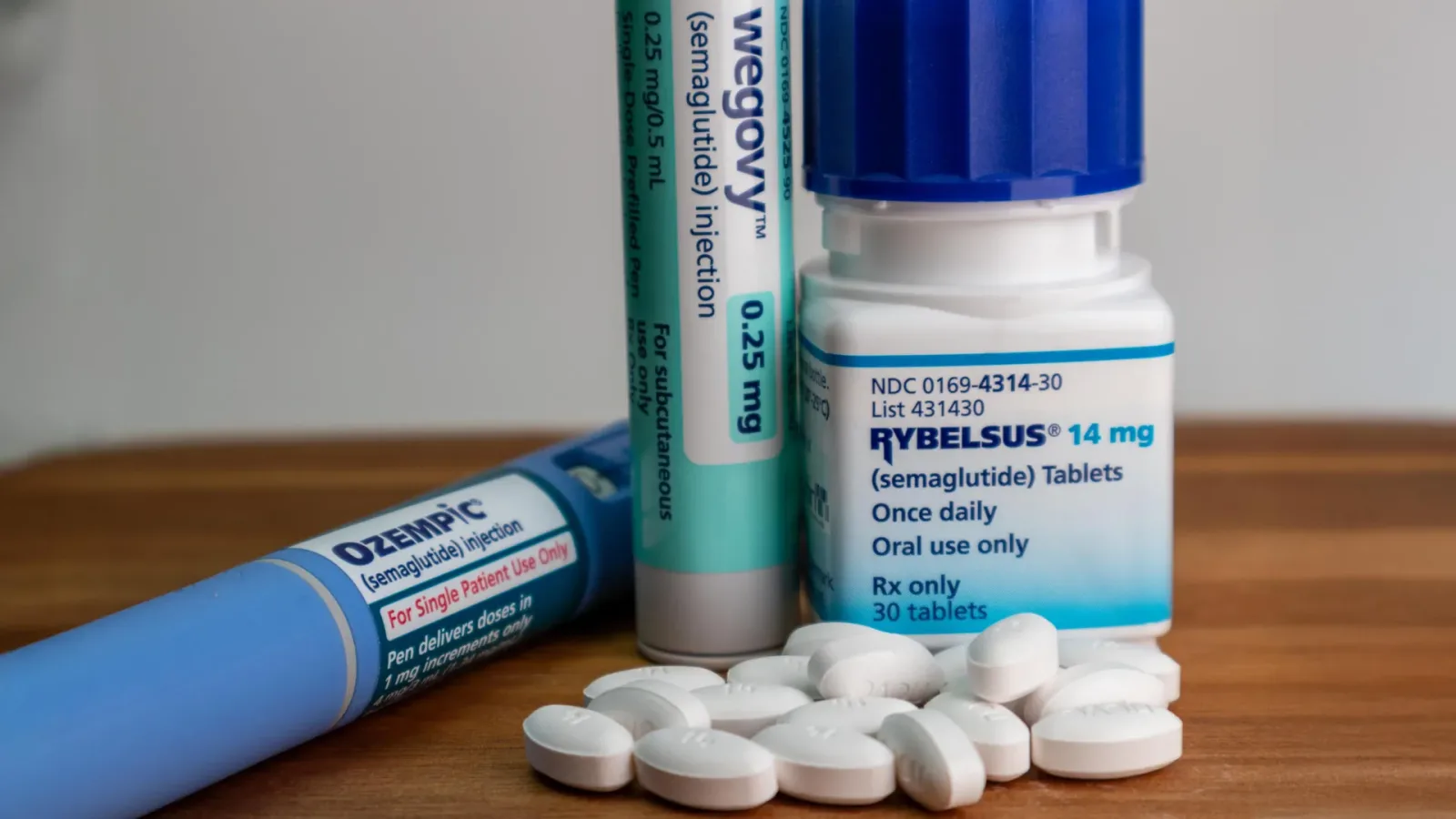
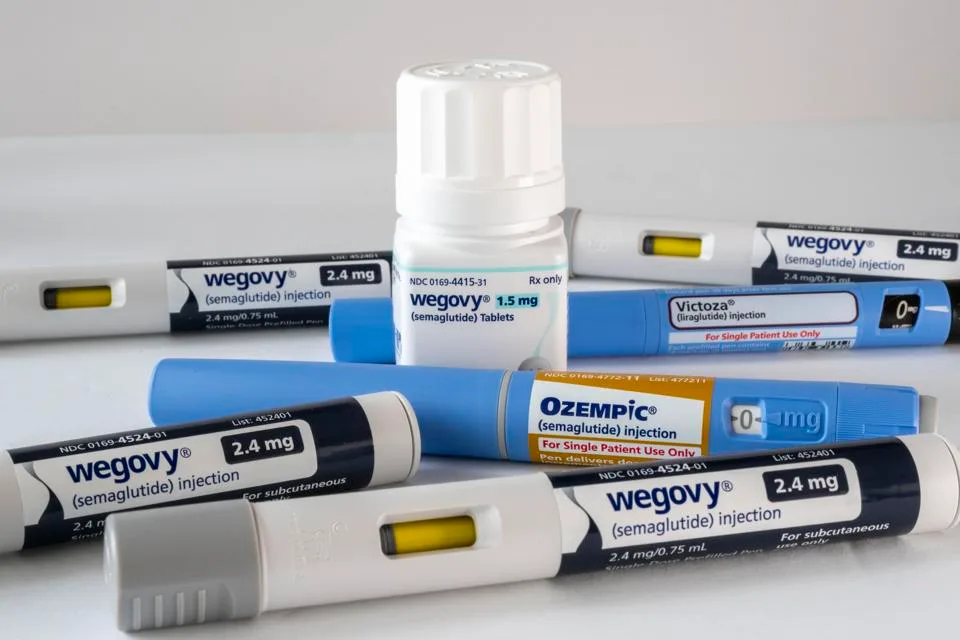
In recent years, GLP-1 receptor agonists have revolutionized the landscape of weight management and diabetes treatment. Medications like Ozempic, Wegovy, Mounjaro, and Zepbound have demonstrated remarkable efficacy, leading to widespread adoption and significant improvements in patient health outcomes. However, this success comes with a notable financial consequence: GLP-1 drugs are now the primary drivers of escalating prescription drug spending for employers.

A recent report from Milliman highlights the dramatic rise in healthcare costs, with the annual cost of insuring a family of four projected to exceed $35,000 between 2025 and 2026. A substantial portion of this burden, approximately 58% or about $15,000, falls on employees through contributions and out-of-pocket expenses. The Milliman Medical Index specifically points to pharmacy costs as the fastest-growing component of this overall increase, surging by 14.8% year-over-year. Prescription drugs now account for an estimated 13% of total family health spending, amounting to around $4,700 annually. The analysis explicitly identifies GLP-1 drugs for diabetes and weight management as a significant and expanding factor in this escalating pharmacy spend.

Employer Strategies Amidst Rising GLP-1 Expenditure

When employer healthcare costs climb, the natural inclination is to pass some of these expenses onto employees. This often translates into higher insurance premiums deducted from paychecks or increased cost-sharing mechanisms like co-payments, deductibles, and co-insurance. The financial pressure exerted by GLP-1 medications has prompted many employers to re-evaluate their coverage policies.

Even before the latest cost analyses, a significant number of employers were contemplating whether to continue covering GLP-1 drugs for weight loss at all. Reports from organizations like The Business Group on Health indicate a trend towards more stringent coverage requirements. For medications used in conditions other than diabetes, the percentage of employers offering coverage is expected to stagnate as they seek to stabilize their overall health care expenditures. For those covering these drugs for weight management, there's a clear move towards implementing utilization management strategies. This can include requiring prescriptions from specific healthcare providers, mandating participation in comprehensive weight management programs, and expecting more robust, cost-effective financial models from their pharmacy benefit partners.

Shifting Coverage and Utilization Management

The data underscores this shift. An earlier analysis by The Business Group on Health revealed that while 72% of employers covered GLP-1 drugs for weight management, a concerning 10% indicated they were likely to discontinue this coverage in 2027. This suggests a growing hesitancy among employers to bear the full cost of these increasingly popular, yet expensive, treatments without implementing stricter controls.

Specialty Drug Costs: A Top Priority for Health Plans

The challenge of managing specialty drug costs, which prominently include GLP-1 medications, is proving to be even more pressing for health plans and employers than controlling the overall cost of care. A recent report released at Asembia ASX26 by Pharmaceutical Strategies Group (PSG) found that a significant portion of health plans—43%—ranked managing specialty drug costs as their top priority, slightly edging out the overall cost of care at 41%. This prioritization is based on responses from 228 health benefits executives across health plans, employers, and unions.

Precision tracking for your journey

Join thousands using Shotlee to accurately track GLP-1 medications and side effects.

📱 Get the Shotlee App

Track your GLP-1 medications, peptides, and health metrics on the go with our mobile app!

Download on theApp Store
Get it onGoogle Play

"Payers continue to prioritize managing specialty drug trend and total cost of care," stated Morgan Lee, vice president of research and marketing at PSG. "At the same time, they are working to develop effective coverage strategies for new drugs and expanded indications, take a more integrated approach across pharmacy and medical benefits, and reassess traditional arrangements, including their reliance on rebates." This indicates a multifaceted approach is needed to tackle the complex financial dynamics of specialty medications.

What This Means for You: Potential Out-of-Pocket Increases

For individuals relying on GLP-1 medications for weight loss or diabetes management, these rising costs and shifting employer strategies can lead to several implications:

  • Higher Co-pays and Deductibles: Employers may increase the percentage of the drug cost that employees are responsible for, either through higher co-pays or by increasing deductibles that must be met before insurance coverage fully kicks in.
  • Stricter Prior Authorization Requirements: Insurers may impose more rigorous prior authorization processes, requiring detailed documentation of medical necessity and adherence to specific treatment protocols.
  • Mandatory Program Participation: As mentioned, employers might require patients to enroll in approved weight management programs or work with designated healthcare providers to maintain coverage.
  • Potential for Non-Coverage: In some cases, employers might decide to exclude certain GLP-1 medications from their formularies altogether, especially if they are not deemed medically essential for a diagnosed condition like diabetes.
  • Increased Focus on Lifestyle: With the rising cost of pharmaceutical interventions, there may be a renewed emphasis on lifestyle modifications, diet, and exercise as primary or complementary approaches to weight management.

Tracking Your Progress and Costs

Navigating these changes can be challenging. It's crucial to stay informed about your specific insurance plan's formulary and coverage policies. Utilizing tools that help you track medication adherence, side effects, and out-of-pocket expenses can be invaluable. For instance, platforms like Shotlee can assist in monitoring your treatment journey, ensuring you have a clear record of your progress and any associated costs, which can be helpful when discussing your treatment plan with your doctor or appealing insurance decisions.

The Future of GLP-1 Coverage

The trajectory of GLP-1 medication costs and coverage is still evolving. As more data emerges on long-term outcomes and cost-effectiveness, and as new medications enter the market, employer and payer strategies will continue to adapt. The focus will likely remain on finding a balance between providing access to highly effective treatments and managing the significant financial burden they represent. This may involve exploring value-based agreements, negotiating better rebate structures, and promoting the use of these medications in the most appropriate patient populations.

Conclusion

GLP-1 medications have undeniably transformed patient care, offering life-changing benefits for many. However, their success has placed considerable pressure on healthcare budgets, leading to a complex landscape of rising costs and evolving coverage policies. For patients, this translates to a potential increase in out-of-pocket expenses and a need for greater vigilance regarding their insurance benefits. Staying informed, communicating openly with healthcare providers, and leveraging available tools for tracking progress and costs will be essential for managing treatment effectively in this dynamic environment.

Key Trends in GLP-1 Medication Coverage
Metric 2025-2026 Projection Employer Sentiment (Weight Management Coverage) Health Plan Priority
Annual Family Healthcare Cost >$35,000 (up 7.2%) N/A N/A
Employee Contribution/Out-of-Pocket ~58% of total (~$15,000) N/A N/A
Pharmacy Cost Growth 14.8% year-over-year N/A N/A
Employers Likely to Continue GLP-1 Coverage (Weight Mgmt) N/A 72% N/A
Employers Likely to Discontinue GLP-1 Coverage (Weight Mgmt) N/A 10% N/A
Health Plan Top Priority N/A N/A Managing Specialty Drug Costs (43%)
Second Health Plan Priority N/A N/A Managing Total Cost of Care (41%)

?Frequently Asked Questions

Why are GLP-1 drugs like Ozempic and Wegovy becoming so expensive for employers?

The high effectiveness of GLP-1 medications for weight loss and diabetes management has led to their widespread adoption. This increased demand, coupled with the inherent cost of developing and manufacturing these advanced therapies, makes them significant contributors to rising prescription drug spending for employers.

How might rising GLP-1 costs affect my personal healthcare expenses?

As employers face higher costs for GLP-1 drugs, they often shift these expenses to employees through increased co-pays, deductibles, or higher insurance premiums. You may also encounter stricter requirements for coverage, such as mandatory participation in weight management programs.

Are employers considering stopping coverage for GLP-1 weight loss drugs?

Yes, some employers are re-evaluating their coverage for GLP-1 medications used for weight management. While many still offer coverage, there's a trend towards implementing stricter utilization management and, in some cases, a significant minority are considering discontinuing coverage altogether to control costs.

What is 'utilization management' for GLP-1 drugs?

Utilization management refers to the strategies health plans and employers use to control the use and cost of medications. For GLP-1s, this can include requiring pre-authorization, ensuring prescriptions come from specific providers, mandating participation in approved weight management programs, or setting limits on how long a drug can be prescribed.

How can tracking my health data and costs help with GLP-1 medications?

Tracking your medication adherence, any side effects you experience, and your out-of-pocket expenses provides a comprehensive record of your treatment journey. This data can be invaluable when discussing your treatment plan with your doctor, appealing insurance denials, or understanding the true financial impact of your medication, especially as coverage policies evolve.

Source Information

Originally published by Forbes.Read the original article →

Read next

Keep exploring

More on Ozempic

Articles covering Ozempic dosing, side effects, and clinical updates.

Beyond Appetite: How GLP-1 Drugs May Be Rewiring the Human Brain
Health & Science

Beyond Appetite: How GLP-1 Drugs May Be Rewiring the Human Brain

GLP-1 receptor agonists, initially celebrated for revolutionizing diabetes and weight management, are now at the center of an unplanned, massive neuroscience experiment. Emerging data suggests these powerful medications are doing more than just regulating metabolism; they appear to be structurally and functionally altering key brain systems.

7 min read
The New Era of Nutrition: How GLP-1 Drugs Are Reshaping the Food Industry
Health & Wellness Technology

The New Era of Nutrition: How GLP-1 Drugs Are Reshaping the Food Industry

The rapid adoption of GLP-1 agonists like Ozempic and Wegovy is forcing a profound realignment in the food and beverage industry. Initial hopes that users would eventually return to old habits have faded, replaced by a strategic pivot toward 'companion nutrition' tailored to the specific, evolving needs of individuals managing weight and metabolic health.

6 min read
Retatrutide's Rapid Weight Loss: Balancing Benefits and Risks
Health & Wellness

Retatrutide's Rapid Weight Loss: Balancing Benefits and Risks

New-generation GLP-1 drugs like retatrutide promise unprecedented weight loss, but what are the implications for your body's composition and overall health? This article delves into the science, risks, and strategies for navigating rapid weight reduction.

8 min read

Same topic: Weight Management

All Weight Management articles →
Beyond Ozempic: The Peptide Revolution in Health
Health & Wellness

Beyond Ozempic: The Peptide Revolution in Health

Discover how natural peptides are challenging the pharmaceutical industry, offering a new paradigm for healing, metabolic health, and cognitive enhancement amidst evolving regulatory landscapes.

10 min read
Beyond the Injection: The Future of GLP-1 Therapies
Medical Innovations

Beyond the Injection: The Future of GLP-1 Therapies

GLP-1 receptor agonists have revolutionized weight loss and diabetes management, but researchers are continuously seeking ways to enhance their delivery. This article delves into cutting-edge advancements, from nanocarriers to microneedles, aiming to make these powerful therapies more effective, tolerable, and convenient.

7 min read

More in Health & Wellness

Ozempic, Wegovy, Mounjaro: Will Weight Loss Drug Costs Skyrocket for You?
Health & Wellness

Ozempic, Wegovy, Mounjaro: Will Weight Loss Drug Costs Skyrocket for You?

The soaring popularity and effectiveness of GLP-1 medications for weight loss are undeniably reshaping healthcare landscapes. But as demand surges, so do the costs, leading to significant implications for both employers and the individuals who rely on these treatments. This article delves into the financial pressures, employer strategies, and what you can expect regarding your co-pays and coverage for drugs like Ozempic, Wegovy, and Mounjaro.

8 min read
Mounjaro vs. Wegovy: Decoding the Global Shift in Weight Loss Therapy
Health & Wellness

Mounjaro vs. Wegovy: Decoding the Global Shift in Weight Loss Therapy

The competition between Eli Lilly and Novo Nordisk is reshaping obesity treatment. Learn the clinical differences between Mounjaro and Wegovy, and why international market dynamics matter for patient access.

7 min read
Beyond Glucose: GLP-1 Therapies Reshape Metabolic Care
Health & Wellness

Beyond Glucose: GLP-1 Therapies Reshape Metabolic Care

The GLP-1 receptor agonist market is experiencing explosive growth, transforming from a diabetes-focused treatment to a cornerstone of comprehensive metabolic care. Discover the key drivers, leading molecules like semaglutide and tirzepatide, and the future outlook.

10 min read
Share this article
  1. Home
  2. Blog
  3. GLP-1 Weight Loss Drugs: Rising Costs & What It Means for Your Wallet
Dr. Adrian Vale, MD — Internal Medicine · Board-Certified Obesity Medicine
Medically reviewed

Dr. Adrian Vale, MD

Internal Medicine · Board-Certified Obesity Medicine

Dr. Adrian Vale is a board-certified internal medicine physician with a clinical focus on obesity medicine and metabolic health. He reviews Shotlee guides and articles on GLP-1 medications, peptide therapy, and weight-management protocols for clinical accuracy.

View all articles reviewed by Dr. Adrian Vale, MD
Shotlee LogoShotlee

Your comprehensive health tracking companion. Track, analyze, and optimize your journey with advanced metrics and community support.

Product

  • Medication Trackers
  • Health Guides
  • Calculators
  • Compare Medications
  • Pricing

Resources

  • Health Blog
  • Support Center

Legal

  • Privacy Policy
  • Terms of Service
  • Community Guidelines
  • Refund Policy

© 2026 Shotlee. All rights reserved.

Made with for the community♥ for the community