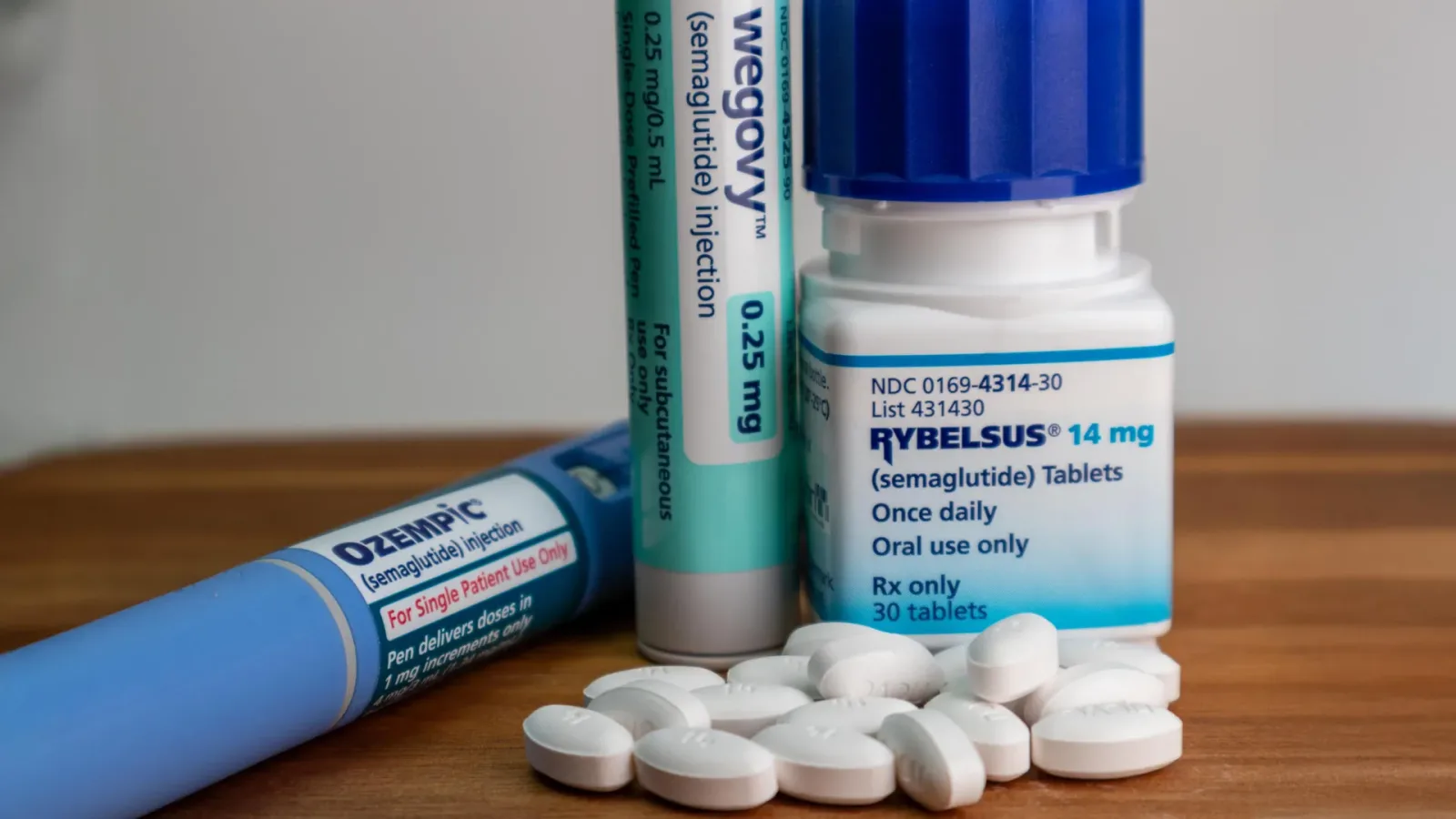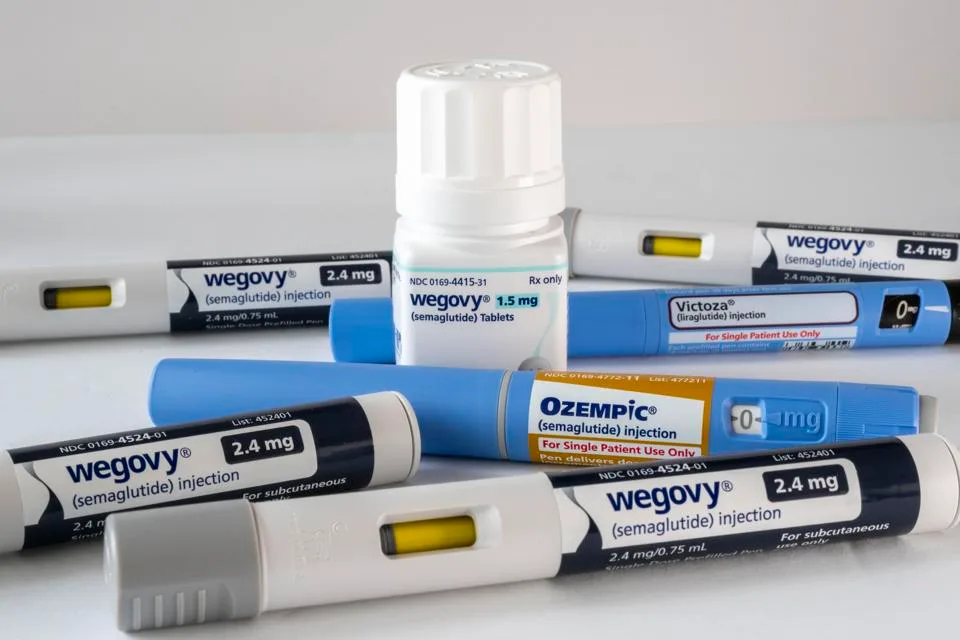

The revolutionary impact of GLP-1 receptor agonists (GLP-1s) on weight management is undeniable. Medications like Ozempic, Wegovy, Mounjaro, and Zepbound have transformed the lives of many, offering a powerful tool for achieving significant weight loss and improving related health markers. However, this surge in demand and effectiveness comes with a substantial financial implication: rising prescription drug costs.
Recent analyses highlight that these innovative treatments are now the primary drivers of increased prescription spending for employers. This trend has direct consequences for employees, potentially leading to higher out-of-pocket expenses, increased co-pays, and even questions about continued coverage. As healthcare costs continue their upward trajectory, understanding the financial landscape surrounding GLP-1 medications is crucial for informed decision-making and proactive health management.
The Escalating Cost of GLP-1 Medications
The financial strain imposed by GLP-1 weight loss drugs is becoming a dominant factor in employer healthcare budgets. A comprehensive report from Milliman, the Milliman Medical Index (MMI), paints a clear picture of this trend. For 2026, the MMI projects the annual cost of insuring a family of four to surpass $35,000, marking a significant 7.2% increase from 2025 to 2026. Alarmingly, a substantial portion of this burden—an estimated 58%—falls on employees through their contributions and out-of-pocket expenses, totaling around $15,000 per family.
Within this overall healthcare expenditure, prescription drugs are emerging as the fastest-growing component. The Milliman analysis indicates that pharmacy costs will rise by 14.8% year-over-year for the average individual in 2026. These medications are estimated to account for 13% of total family health spending, equating to approximately $4,700 annually. The report explicitly states, "GLP-1 drugs for diabetes and weight-loss management have become a meaningful and growing component of pharmacy spend, and will continue to impact employer pharmacy costs in 2026." This means that as more individuals benefit from these therapies, the collective cost to employers—and subsequently, potentially to employees—will continue to climb.
What This Means for Your Out-of-Pocket Costs
When employer healthcare costs surge, a common strategy is to shift a greater portion of these expenses onto employees. This often manifests in several ways:
- Increased Premiums: Employees may see higher deductions from their paychecks to cover rising insurance costs.
- Higher Cost-Sharing: This includes increased co-payments for prescriptions, higher deductibles that must be met before insurance coverage kicks in, and greater co-insurance percentages.
The financial pressure exerted by GLP-1s is so significant that employers are actively re-evaluating their coverage strategies. This involves difficult decisions about whether to continue covering these medications, especially for weight loss, and under what conditions.
Employer Strategies for Managing GLP-1 Costs
The financial implications of GLP-1 medications have prompted employers to explore various strategies to manage these escalating costs. These approaches aim to balance the benefits of these treatments with the need for fiscal responsibility.
Coverage Decisions and Utilization Management
Even before the latest cost projections, many employers were already contemplating the extent of their GLP-1 coverage. Reports from organizations like The Business Group on Health indicate a trend towards more stringent coverage policies.
According to a report from The Business Group on Health published last August, employers were considering:
Precision tracking for your journey
Join thousands using Shotlee to accurately track GLP-1 medications and side effects.
📱 Get the Shotlee App
Track your GLP-1 medications, peptides, and health metrics on the go with our mobile app!
- Stagnating Coverage for Non-Diabetes Use: The percentage of employers covering GLP-1s for conditions *other than* diabetes might stagnate as companies seek to stabilize overall healthcare expenses.
- Increased Utilization Management for Weight Loss: For those covering GLP-1s for weight management, employers are increasingly likely to implement stricter utilization management protocols. This can include requiring prescriptions from specific providers, mandating participation in comprehensive weight management programs, and setting higher expectations for vendor partners to demonstrate sustainable and cost-effective outcomes.
Furthermore, an analysis by The Business Group on Health earlier this year revealed a cautious outlook for future coverage. Only 72% of employers currently covering GLP-1 drugs for weight management indicated they were likely to continue that coverage in 2027. Conversely, 10% stated they would likely discontinue coverage, signaling a potential reduction in access for some individuals.
Specialty Drug Costs as a Top Priority
The challenge of managing specialty drug costs, which prominently includes GLP-1 medications, is even more pressing for health plans and employers than managing the total cost of care. A report released at Asembia ASX26 by Pharmaceutical Strategies Group (PSG) found that nearly half of health plans (43%) ranked managing specialty drug costs as their top priority, slightly ahead of managing the total cost of care (41%). This indicates a strategic shift where the high price tags of specific, high-impact medications are receiving paramount attention.
This focus on specialty drugs underscores the significant impact GLP-1s are having on the healthcare market. Health plans and employers are actively seeking ways to control these expenditures, which could involve negotiating better pricing, implementing stricter prior authorization processes, or exploring alternative treatment pathways.
The Future of GLP-1 Access and Affordability
The landscape of GLP-1 medication coverage is dynamic and evolving. While these drugs offer remarkable benefits for weight loss and metabolic health, their rising costs present a significant challenge for the healthcare system. For individuals prescribed these medications, understanding these trends is vital.
Potential Impact on Access
As employers and health plans grapple with rising costs, several factors could influence future access:
- Increased Prior Authorizations: Expect more rigorous processes for obtaining approval for GLP-1 prescriptions.
- Stricter Eligibility Criteria: Coverage may become more narrowly defined, potentially requiring specific BMI thresholds or the presence of co-morbidities.
- Higher Co-pays and Deductibles: Out-of-pocket costs are likely to increase for many patients.
- Formulary Exclusions: Certain GLP-1 medications might be removed from preferred drug lists, making them more expensive or entirely inaccessible.
The Role of Health Tracking
For individuals on GLP-1 therapy, diligent health tracking becomes even more important. Understanding your progress, side effects, and adherence to treatment plans can be crucial when discussing ongoing coverage with your healthcare provider and insurance company. Tools that help monitor weight changes, symptom frequency, medication adherence, and even lifestyle modifications can provide valuable data to support your case for continued treatment. At Shotlee, we understand the importance of this data-driven approach, helping you to effectively manage your health journey and communicate your progress.
Navigating the Pharmaceutical Landscape
The pharmaceutical industry is also responding to these trends. We may see increased competition as more GLP-1 or similar-acting drugs enter the market, potentially driving down prices. Furthermore, pharmaceutical companies may offer more robust patient assistance programs to help offset costs for eligible individuals. Staying informed about these developments and discussing all available options with your doctor is key.
| Factor | Impact on Cost/Coverage | Potential Employee Consequence |
|---|---|---|
| Increased Demand & Efficacy | Drives up overall spending for employers. | Higher premiums, co-pays, deductibles. |
| Employer Cost-Containment Strategies | Leads to stricter coverage rules and utilization management. | May require additional documentation, program participation, or limit access. |
| Specialty Drug Focus by Health Plans | Elevates GLP-1s as a top cost-management priority. | Increased scrutiny on approvals and potential formulary changes. |
| Market Competition & Patient Assistance | Potential for price stabilization or direct patient support. | May offer more affordable options or financial aid. |
Practical Takeaways
The rising cost of GLP-1 weight loss medications is a complex issue with significant implications for patients. Here are some practical steps to consider:
- Stay Informed: Keep abreast of news regarding healthcare costs and insurance coverage changes.
- Discuss with Your Doctor: Have open conversations about the cost of your medication, potential alternatives, and the importance of your treatment plan.
- Understand Your Insurance Policy: Familiarize yourself with your plan's formulary, co-pay structure, and any utilization management requirements for weight loss medications.
- Explore Financial Assistance: Investigate patient assistance programs offered by pharmaceutical companies or explore other financial aid options if cost is a barrier.
- Utilize Health Tracking: Leverage tools like Shotlee to meticulously document your progress, adherence, and any experienced side effects. This data can be invaluable when discussing your treatment with healthcare providers and insurers.
Conclusion
The era of GLP-1 medications for weight management has ushered in a new wave of therapeutic possibilities, offering hope and tangible results for many. However, the economic realities of these groundbreaking treatments are becoming increasingly apparent. As employers and health plans navigate the financial pressures, individuals on these medications may face evolving coverage landscapes and potentially higher out-of-pocket expenses. Proactive engagement with healthcare providers, a thorough understanding of insurance benefits, and diligent health tracking are essential strategies for ensuring continued access to these life-changing therapies. By staying informed and advocating for your health needs, you can better navigate the complexities of the current healthcare environment.