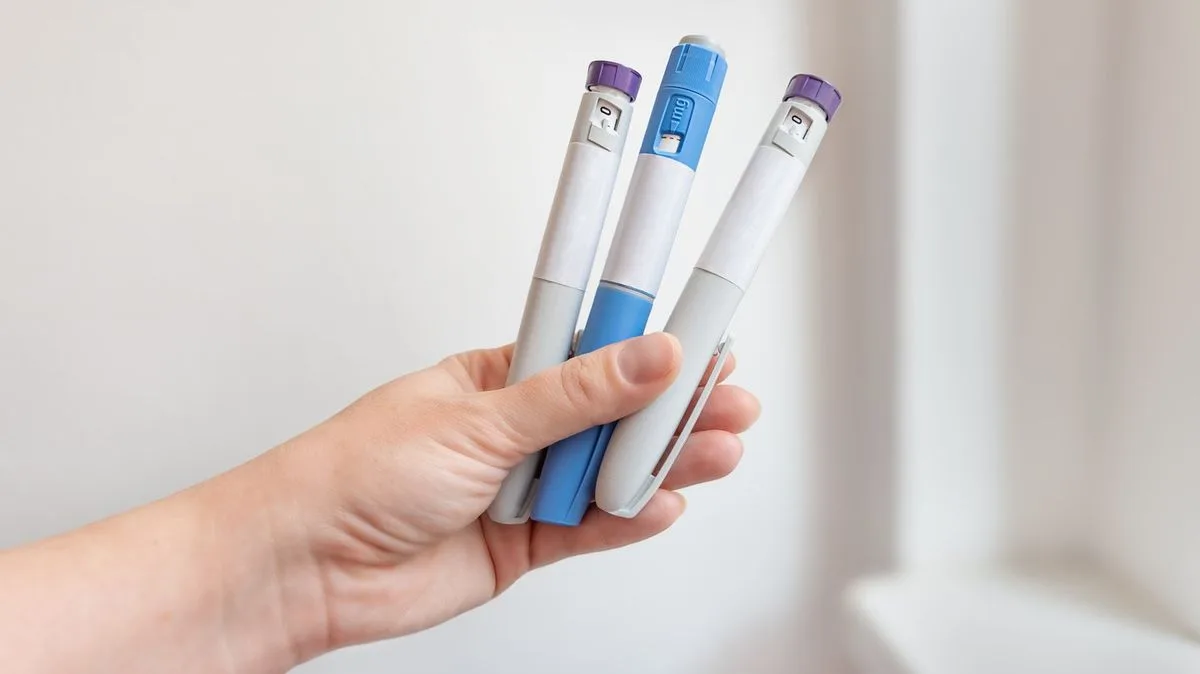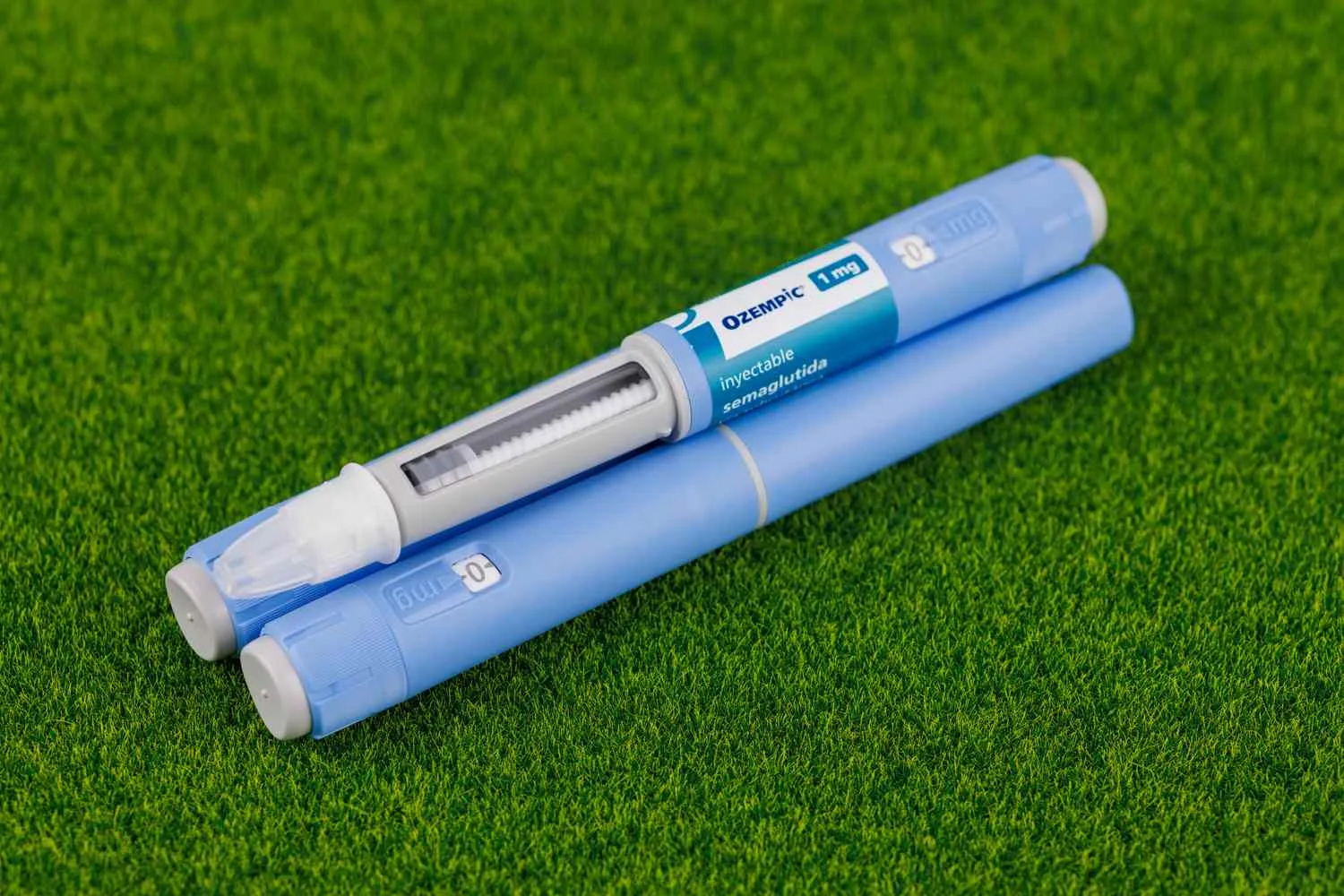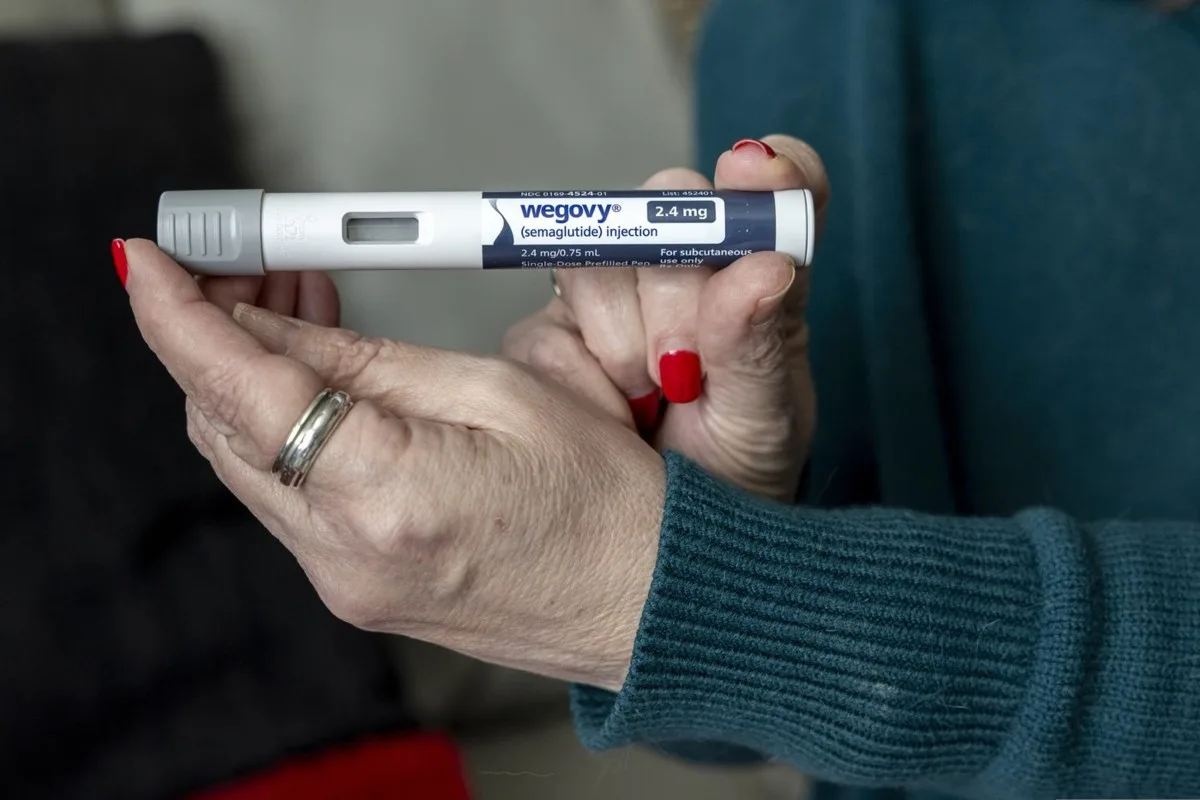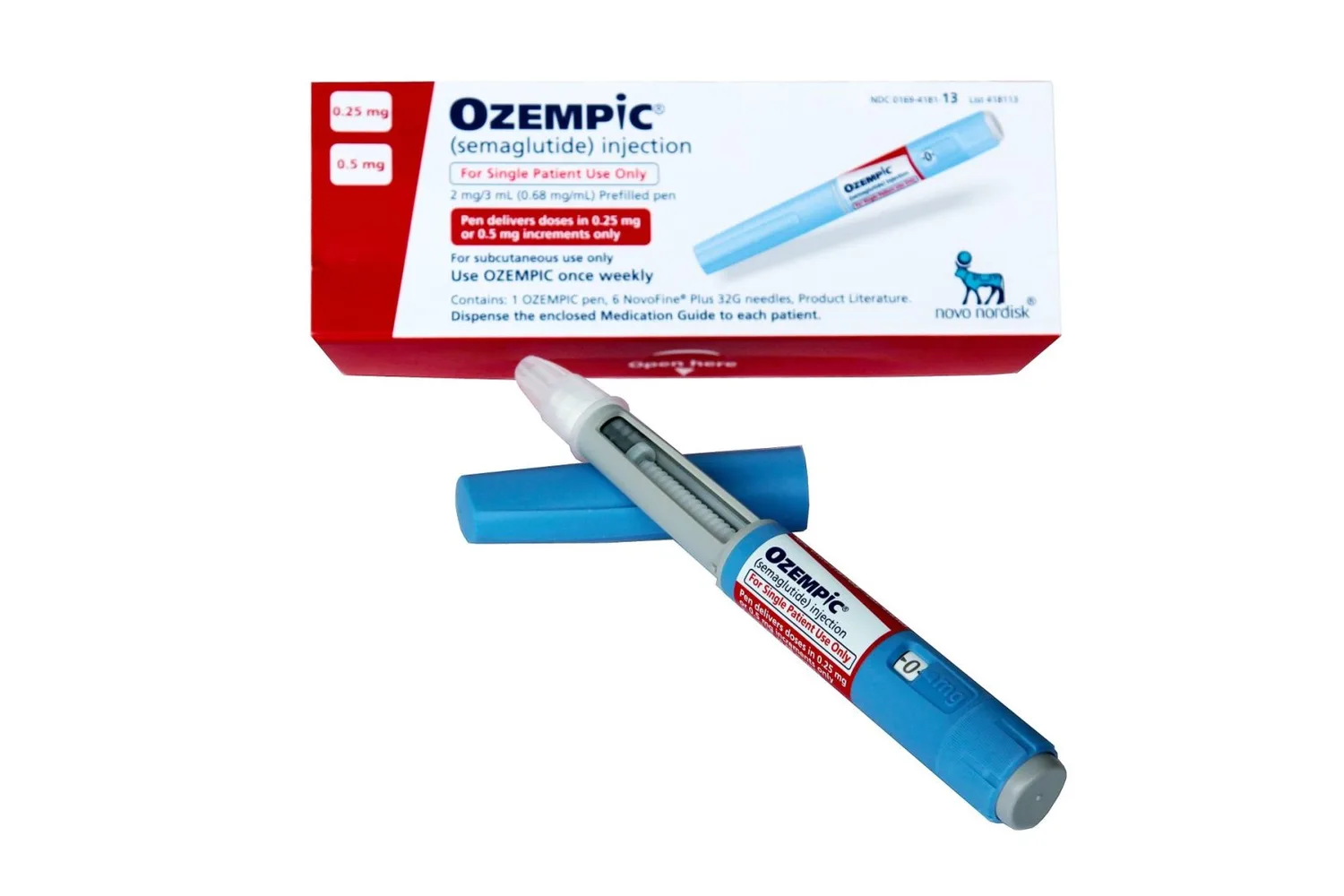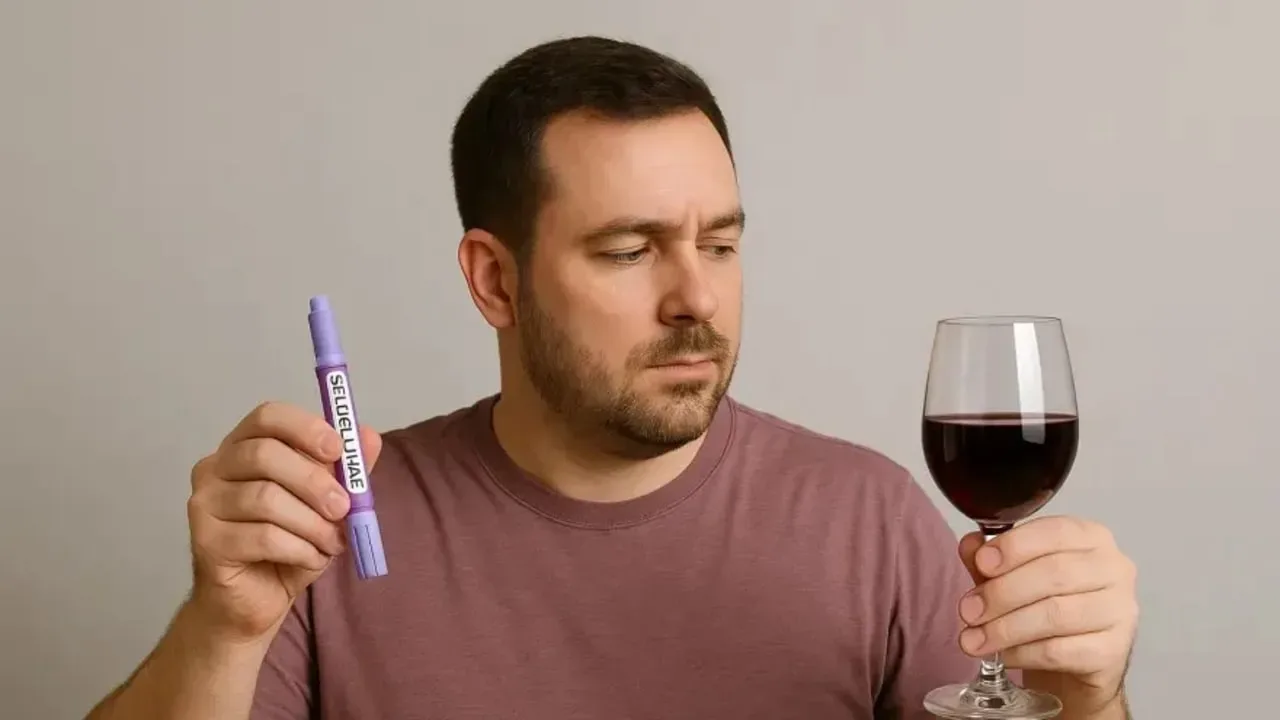

The advent of GLP-1 receptor agonists has revolutionized the approach to managing type 2 diabetes and obesity. Medications like semaglutide (Ozempic, Wegovy) and tirzepatide (Mounjaro) work by mimicking natural hormones to regulate blood sugar and suppress appetite, leading to significant weight loss for many individuals. However, maximizing the benefits and minimizing potential discomfort from these powerful medications involves more than just taking the prescribed dose. A holistic approach, including mindful dietary choices and lifestyle adjustments, is paramount.
If you are embarking on or continuing a journey with GLP-1 medications, understanding what to avoid is as critical as understanding how to take them. These recommendations are designed to help you achieve your health goals smoothly, reduce the likelihood of adverse effects, and ensure the medication works as effectively as possible. Let's explore the key habits and substances that warrant caution.
Understanding GLP-1 Medications and Their Mechanisms
GLP-1 (glucagon-like peptide-1) receptor agonists are a class of drugs that play a vital role in glucose metabolism and appetite regulation. They are primarily prescribed for individuals with type 2 diabetes to improve glycemic control, but their potent effect on reducing appetite and slowing gastric emptying has made them highly effective for weight management in individuals with obesity.
How They Work:
- Stimulate Insulin Release: GLP-1 agonists prompt the pancreas to release insulin when blood sugar levels are high, helping to lower them.
- Reduce Glucagon Secretion: They decrease the release of glucagon, a hormone that raises blood sugar.
- Slow Gastric Emptying: By slowing down how quickly food leaves the stomach, these medications promote a feeling of fullness, leading to reduced calorie intake.
- Increase Satiety: They act on the brain to reduce hunger and increase feelings of fullness, further contributing to appetite suppression.
While these mechanisms are beneficial for weight loss and blood sugar control, they also influence how your body processes food and certain substances. This is why certain dietary and lifestyle choices require extra consideration.
Key Foods and Habits to Avoid
To ensure you get the most out of your GLP-1 medication and experience a smoother treatment journey, it's crucial to be aware of specific foods and habits that can exacerbate side effects or hinder progress. For individuals using health tracking apps like Shotlee, monitoring your intake of these items and noting any associated symptoms can be incredibly valuable.
1. Eating Late at Night
GLP-1 medications inherently slow down the digestive process. When you consume food close to bedtime, especially if it's a large meal, it remains in your stomach for an extended period. This can significantly increase the risk of gastroesophageal reflux disease (GERD) symptoms, such as heartburn and regurgitation, as the stomach contents are more likely to back up into the esophagus. For optimal metabolic health and to minimize digestive discomfort, it's advisable to finish your meals at least 2-3 hours before lying down.
2. Consuming Fast Food and High-Fat/Fried Foods
Fast food is typically laden with unhealthy fats, processed carbohydrates, and excessive calories. When combined with the slowed gastric emptying effect of GLP-1 medications, indulging in these foods can lead to severe gastrointestinal distress. Symptoms such as nausea, vomiting, abdominal pain, and diarrhea are common. Furthermore, the high-calorie nature of fast food directly counteracts weight loss efforts. Similarly, large amounts of fatty, fried, or rich, cheesy dishes can be particularly problematic, potentially causing foul-smelling belching and significant discomfort.
3. Drinking Carbonated and High-Calorie Beverages
While not a food, beverages play a crucial role in your diet and weight management. Sugary drinks, including sodas, sweetened coffees and teas, high-sugar juices, and even some smoothies, are packed with "empty calories." These calories are rapidly absorbed, provide little to no nutritional value, and do not contribute to satiety. This can lead to a cycle of overconsumption and can significantly impede weight loss progress. The carbonation in sodas can also exacerbate bloating and digestive discomfort, especially when combined with the effects of GLP-1 medications.
4. Skipping Meals or Drastically Reducing Calorie Intake
It might seem counterintuitive, but drastically cutting calories or skipping meals before or during treatment with GLP-1 medications can be detrimental. The appetite-suppressing nature of these drugs means your body is already receiving signals to eat less. If you then severely restrict your intake, you risk experiencing adverse effects such as severe nausea, dizziness, and hypoglycemia (dangerously low blood sugar). A balanced and consistent intake of nutrients is essential for overall health and to support the medication's efficacy.
Precision tracking for your journey
Join thousands using Shotlee to accurately track GLP-1 medications and side effects.
📱 Get the Shotlee App
Track your GLP-1 medications, peptides, and health metrics on the go with our mobile app!
5. Dehydration
Staying adequately hydrated is crucial for everyone, but it's particularly important when taking GLP-1 medications. These drugs can sometimes be associated with nausea, vomiting, or diarrhea. If these symptoms lead to fluid loss without adequate replenishment, dehydration can occur rapidly. Dehydration can result in electrolyte imbalances, low blood pressure, fatigue, and headaches, further complicating your health journey. Ensure you are drinking plenty of water throughout the day.
6. High Alcohol Consumption
Alcohol consumption requires extra caution for individuals on GLP-1 medications. Alcohol can significantly worsen gastrointestinal side effects like nausea and stomach upset. Moreover, it can interfere with blood sugar regulation, potentially increasing the risk of hypoglycemic events, especially if you have diabetes. For those focused on weight loss, alcohol also contributes empty calories and can lower inhibitions, leading to poorer food choices and reduced adherence to dietary plans. In some cases, it may also diminish the medication's effectiveness on weight loss.
7. Taking Certain Medications Without Consultation
It's vital to discuss all medications, including over-the-counter drugs and supplements, with your healthcare provider. Certain medications can interact negatively with GLP-1 agonists. Specifically, drugs that also delay gastric emptying (unless prescribed by your doctor for a specific reason) could amplify the effects of GLP-1 medications, leading to increased nausea, vomiting, and impaired nutrient absorption. Always inform your doctor about any new medications you are considering.
8. Resuming High Doses After a Break
If you have stopped taking your GLP-1 medication for more than two weeks, it is crucial not to resume your previous high dose without consulting your doctor. Your body's sensitivity to the medication may have changed during the break. Restarting at a high dose can significantly increase the risk of severe side effects. Your doctor will guide you on the appropriate re-initiation dosage and titration schedule to ensure your safety and continued effectiveness.
Monitoring Your Progress and Symptoms with Shotlee
For individuals managing their health with GLP-1 medications, consistent tracking is key. Tools like Shotlee can empower you to monitor your progress, log your doses, track symptoms, and record your dietary intake. This data can provide invaluable insights into how your body is responding to the medication and how lifestyle factors are influencing your well-being. By noting which foods or habits lead to discomfort, or how consistent adherence impacts your weight and energy levels, you can work more effectively with your healthcare provider to optimize your treatment plan.
A Comparative Look at GLP-1s and Lifestyle Factors
While GLP-1 medications are powerful tools, their success is deeply intertwined with lifestyle choices. The effectiveness of semaglutide, tirzepatide, and other similar drugs is amplified when combined with a balanced diet and regular physical activity. Conversely, poor dietary habits can undermine their benefits.
| Medication/Factor | Mechanism Impacting Weight Loss | Potential Interactions/Exacerbations |
|---|---|---|
| GLP-1 Agonists (e.g., Semaglutide, Tirzepatide) | Slow gastric emptying, increase satiety, reduce appetite, improve insulin sensitivity. | Can worsen GI side effects with high-fat foods, alcohol, and late-night eating. |
| High-Fat/Fried Foods | High in calories, can lead to weight gain. | Exacerbates nausea, vomiting, abdominal pain, and reflux when combined with GLP-1s due to slowed digestion. |
| Sugary/Carbonated Drinks | Provide empty calories, do not induce satiety, can lead to overconsumption. | Rapid calorie absorption can negate weight loss efforts; carbonation can add to GI discomfort. |
| Alcohol | Contributes empty calories, can impair judgment leading to poor food choices. | Worsens GI side effects, can interfere with blood sugar control, potentially reducing medication efficacy. |
| Late-Night Eating | Can disrupt metabolic processes, contribute to calorie surplus. | Increases risk of reflux and heartburn due to prolonged stomach emptying. |
Practical Takeaways for GLP-1 Users
Navigating treatment with GLP-1 medications involves a proactive approach. Here are some actionable steps:
- Prioritize Hydration: Keep a water bottle handy and sip throughout the day.
- Mindful Eating: Focus on nutrient-dense foods and small, frequent meals.
- Timing is Key: Aim to finish eating at least 2-3 hours before bed.
- Limit Unhealthy Choices: Be especially cautious with fast food, fried items, and sugary drinks.
- Moderate Alcohol: If you choose to drink, do so in moderation and be aware of potential side effects.
- Communicate with Your Doctor: Discuss all medications and any concerns about resuming treatment after a break.
- Track Your Progress: Utilize tools like Shotlee to monitor doses, symptoms, and dietary habits.
Conclusion
GLP-1 medications represent a significant advancement in the management of obesity and type 2 diabetes. However, their optimal effectiveness and minimal side effect profile are best achieved through a comprehensive lifestyle approach. By understanding and avoiding common pitfalls such as excessive alcohol consumption, late-night eating, and the intake of high-fat or sugary foods, individuals can significantly enhance their treatment outcomes. Consistent monitoring, open communication with healthcare providers, and mindful lifestyle choices are the cornerstones of a successful and healthy journey with GLP-1 therapy.