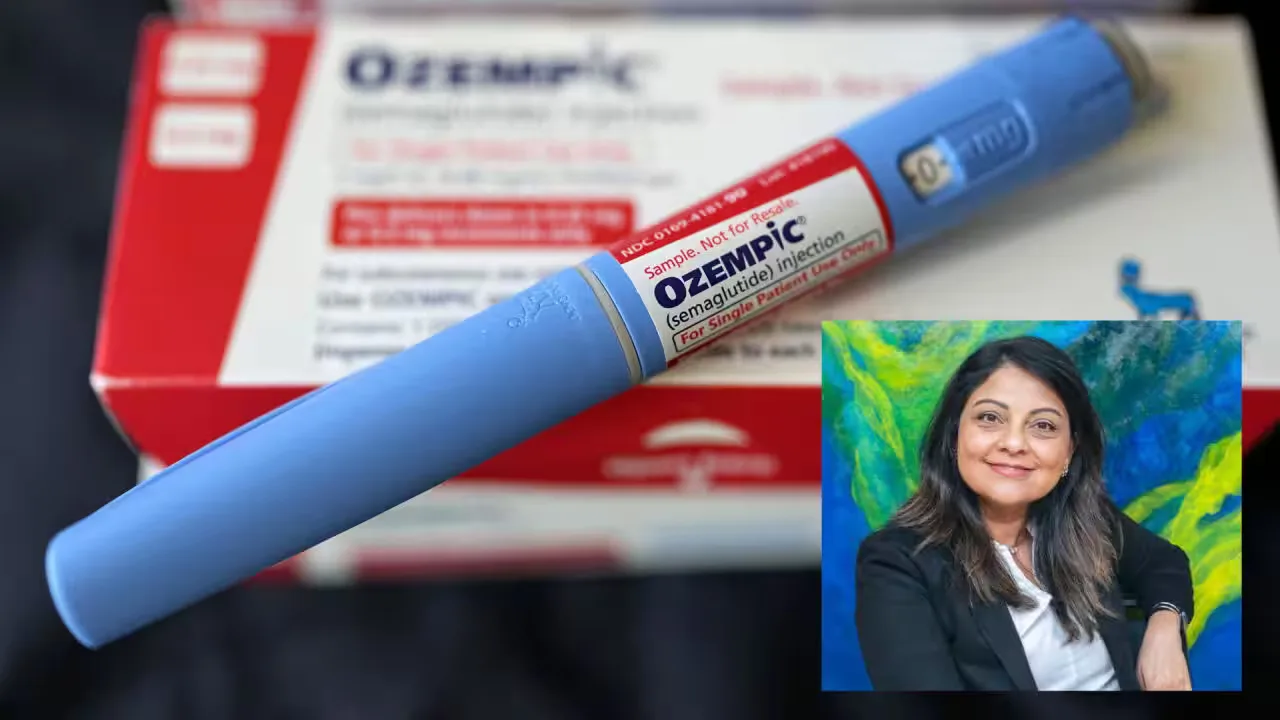

The widespread adoption of glucagon-like peptide-1 (GLP-1) receptor agonists has transformed obesity treatment, yet a concerning aesthetic trend is emerging alongside the physical benefits. Plastic surgeons in major metropolitan areas are reporting a significant increase in consultations regarding "temporal hollowing," a specific type of facial wasting that affects the temples. This condition manifests as a sunken appearance in the upper lateral face, often leading patients to feel they look prematurely aged or distressed despite achieving their weight loss goals. While the primary intent of medications like Ozempic and Wegovy is metabolic health, the rapid reduction in body fat can inadvertently strip away the subcutaneous support structures required for a youthful complexion. Experts are now urging caution, emphasizing that while weight loss is beneficial, the rate of decline matters significantly for long-term facial aesthetics.
What Exactly Is Temporal Hollowing?
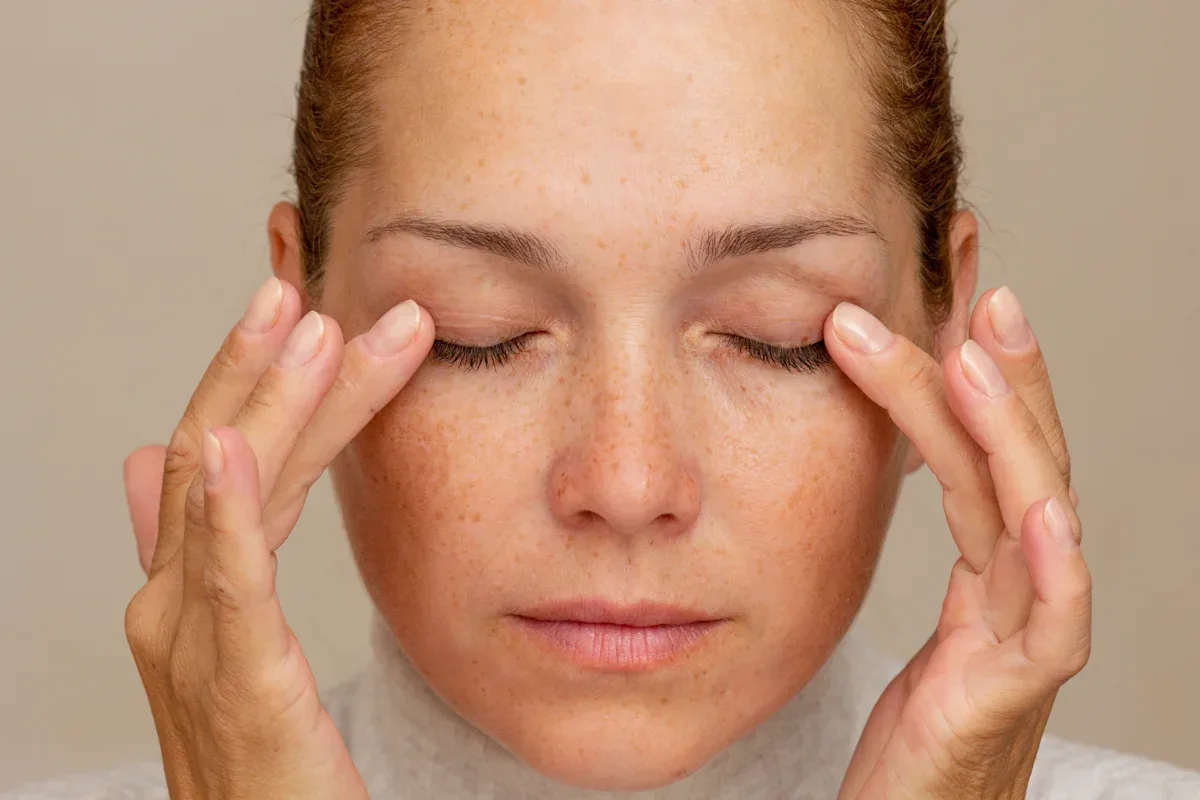
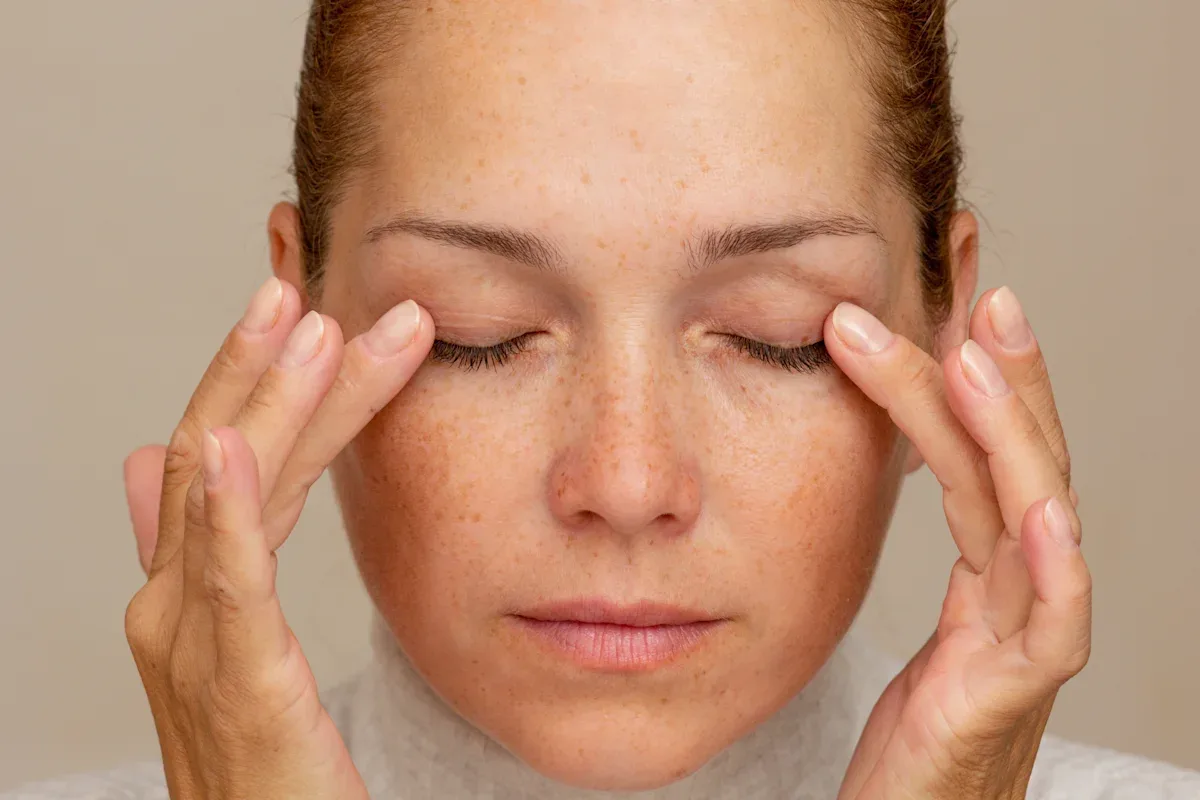
Temporal hollowing refers specifically to the loss of subcutaneous fat and soft tissue volume within the temple region, creating a sunken appearance that often makes individuals look significantly older than their actual age. This condition occurs when rapid weight reduction depletes the fat pads that normally cushion the skull and maintain facial contours, a process frequently accelerated by the appetite-suppressing effects of GLP-1 receptor agonists like Ozempic or Wegovy. Plastic surgeons note that while general weight loss is healthy, the speed of decline often outpaces the skin's ability to contract, leaving behind loose skin and structural deficits. Dr. Terry Dubrow describes this as a hallmark of aging and illness, noting that fullness in this area communicates youthfulness effectively. Consequently, patients often feel disturbed by sudden changes they cannot pinpoint, requiring professional assessment to distinguish normal aging from medication-induced wasting before considering corrective measures.
This phenomenon is becoming a subset of the broader conversation surrounding "Ozempic face," a colloquial term used to describe various unwanted facial changes resulting from dramatic weight shifts. However, temporal hollowing is distinct because it targets a specific anatomical zone that contributes heavily to perceived vitality. Unlike cheek fat which provides projection, the temples act as a frame for the eyes and forehead, and their absence creates a shadowed effect that mimics chronic fatigue or dehydration. Patients frequently describe looking "distracted" or "older" without understanding the mechanical cause, highlighting the disconnect between internal metabolic success and external appearance.
Why Do Temples Show Aging Signs Faster Than Other Areas?
The temples demonstrate aging signs faster because they rely heavily on deep structural fat pads that diminish early in the natural aging process and are highly sensitive to systemic calorie deficits. Unlike the cheeks which may retain some volume longer, the temporal fossa contains superficial and deep fat compartments that are among the first to atrophy when energy intake drops sharply through diet or pharmaceutical intervention. Research indicates that facial fat distribution follows a predictable pattern where central volume is preserved until later stages, leaving peripheral areas like the temples exposed. When these pockets disappear, the underlying bone becomes more prominent, casting shadows that mimic dehydration and fatigue even when hydration levels remain normal. This anatomical vulnerability means that rapid metabolic changes impact the upper face disproportionately compared to other regions, making the temples a critical indicator of overall health status and recent weight fluctuation history for clinicians evaluating patient progress.
The sensitivity of this area explains why some individuals experience noticeable changes after losing relatively modest amounts of weight compared to others who might lose much more without similar facial consequences. Genetic factors play a role in baseline fat distribution, but the velocity of weight loss remains the primary driver of this specific type of wasting. As the body prioritizes vital organ function during caloric restriction, it mobilizes stored energy from adipose tissue throughout the body, including the face. Because the skin around the temples is thinner and less elastic than elsewhere, it does not retract smoothly, resulting in a gaunt appearance that contradicts the patient's sense of well-being.
Precision tracking for your journey
Join thousands using Shotlee to accurately track GLP-1 medications and side effects.
📱 Get the Shotlee App
Track your GLP-1 medications, peptides, and health metrics on the go with our mobile app!
What Medical Treatments Exist For Restoring Temple Volume?
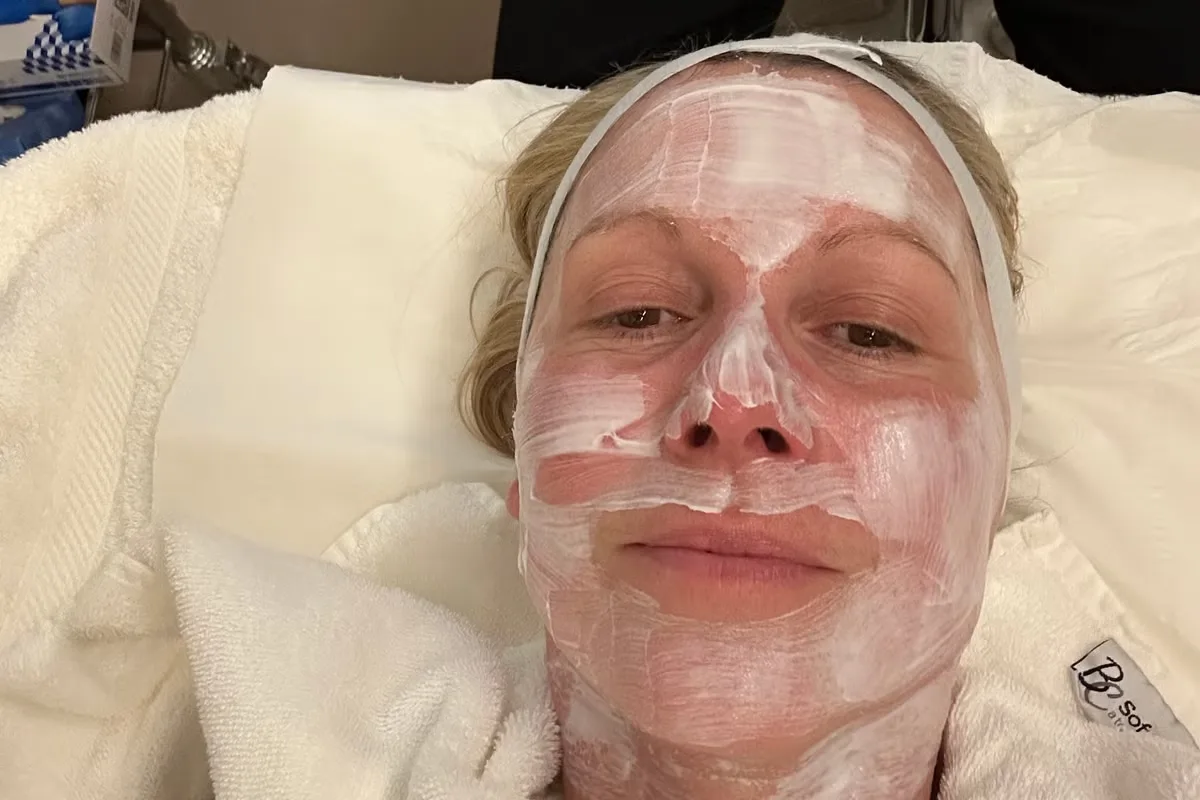
Treating temporal hollowing typically involves either injectable dermal fillers or surgical fat transfer procedures, though both carry distinct risks that require careful evaluation by a board-certified specialist. Hyaluronic acid fillers offer immediate restoration of volume but present a high vascular risk in this specific zone due to the proximity of arteries supplying the eye and brain, potentially causing blindness if injected incorrectly. Conversely, autologous fat grafting uses the patient's own harvested tissue to rebuild the area, offering longevity but requiring a donor site and recovery time. Some surgeons also recommend conservative approaches combining small amounts of filler with biostimulators to encourage natural collagen production over time rather than relying solely on bulk replacement. Regardless of the method chosen, patients must prioritize safety over speed, ensuring that any procedure is performed by a legitimate medical professional who understands the complex vascular anatomy of the face to avoid catastrophic complications.
| Treatment Type | Duration of Effect | Primary Risk Profile | Best For |
|---|---|---|---|
| Hyaluronic Acid Filler | 12-18 Months | Vascular Occlusion (Blindness) | Immediate correction with reversibility |
| Autologous Fat Grafting | Permanent (Variable Absorption) | Infection, Irregular Contours | Long-term volume restoration |
| Biostimulators (e.g., Sculptra) | 2+ Years | Nodules, Delayed Onset | Gradual collagen induction |
Beyond invasive procedures, lifestyle adjustments can sometimes mitigate the severity of the issue if caught early. Monitoring weight loss velocity is crucial, and working with a provider who can adjust dosage based on aesthetic feedback helps prevent severe depletion. For those seeking non-invasive options, skincare regimens focusing on hydration and collagen support may improve skin texture, though they cannot replace lost volume. It is imperative to consult with a dermatologist or plastic surgeon before undergoing any injection in the temple area, given the dense network of blood vessels located beneath the skin surface.
How Can Patients Prevent Volume Loss While Using GLP-1 Medications?
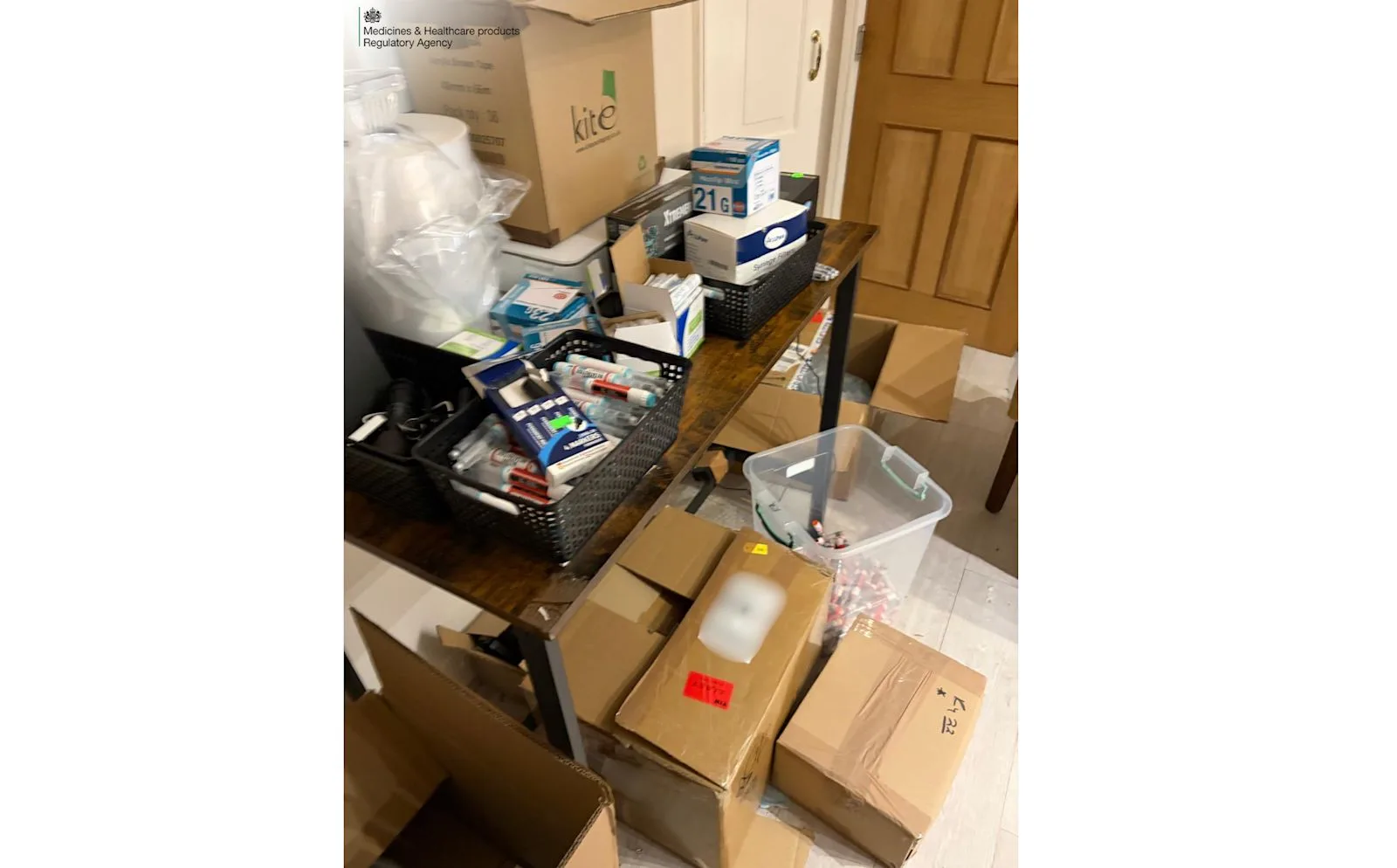
Preventing volume loss requires strict adherence to prescribed dosing schedules and avoiding unsupervised online procurement of GLP-1 medications which often leads to unsafe usage patterns. Doctors emphasize that gradual weight loss allows the skin and underlying tissues to adjust slowly, preserving enough facial fat to maintain a balanced aesthetic profile throughout the journey. Many patients attempt to accelerate results by increasing doses too quickly or skipping maintenance periods, actions that trigger rapid catabolism of muscle and fat indiscriminately across the entire body including the face. By monitoring progress through tools like Shotlee to track symptom fluctuations and dosage changes, individuals can identify early warning signs of excessive wasting before permanent damage occurs. Ultimately, patience is essential as the goal of therapy is sustained appetite control rather than quick fixes, ensuring that the benefits of improved metabolic health do not come at the cost of premature facial aging or distressing cosmetic changes.
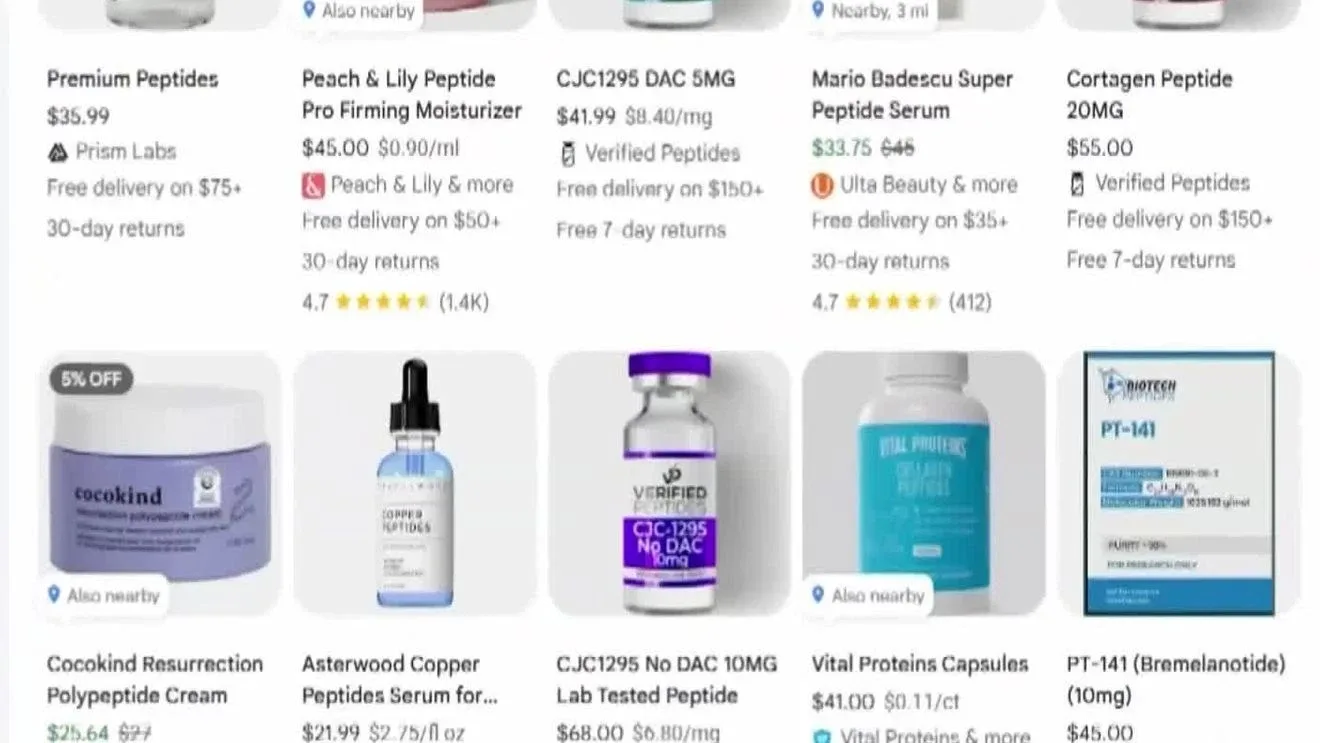
The rise of social media influencers promoting "DIY" peptide protocols exacerbates this problem, as users often lack medical oversight regarding titration. Legitimate prescription pathways ensure that the medication builds up gradually to suppress food noise without overwhelming the system. Patients should communicate openly with their prescribing physicians about aesthetic concerns, allowing for potential adjustments in the treatment plan. Maintaining adequate protein intake and resistance training during weight loss can also help preserve lean mass, indirectly supporting facial structure. The consensus among experts is that slow, steady progress yields better long-term outcomes for both body composition and facial harmony.
Practical Steps for Safe Weight Loss
- Follow Titration Protocols: Never skip steps in the dosage ramp-up schedule provided by your healthcare provider.
- Prioritize Protein: Consume sufficient dietary protein to protect muscle mass and support tissue repair.
- Avoid Unregulated Sources: Only obtain medications from licensed pharmacies to ensure purity and correct dosing.
- Track Changes: Use health tracking apps to log weight trends and correlate them with facial observations.
- Consult Early: Seek advice from a specialist at the first sign of excessive facial thinning rather than waiting.
Conclusion
The emergence of temporal hollowing as a side effect of GLP-1 therapies highlights the complex relationship between systemic metabolic changes and localized facial anatomy. While these medications offer life-changing benefits for obesity and diabetes management, the aesthetic implications require awareness and proactive management. By understanding the mechanics of fat loss in the temples, patients can work with their medical teams to achieve health goals without compromising their facial integrity. Prioritizing gradual weight loss and professional guidance ensures that the journey toward better health remains sustainable and aesthetically balanced.
Frequently Asked Questions
- Does temporal hollowing go away after stopping Ozempic? It may partially resolve if the medication is discontinued and weight stabilizes, allowing fat pads to replenish, but permanent volume loss can occur if skin elasticity was compromised during rapid shrinking.
- Can I get fillers while still taking GLP-1 injections? Yes, but doctors recommend waiting until your weight has stabilized for at least three months to ensure the filler placement remains accurate and does not shift as further fat loss occurs.
- Is temporal hollowing a sign of malnutrition? Not necessarily; it is primarily caused by the depletion of subcutaneous fat stores rather than vitamin deficiencies, though nutritional status should always be monitored during weight loss therapy.
- Are there specific foods that protect against facial wasting? No single food prevents volume loss, but maintaining a high-protein diet supports muscle retention which helps maintain overall facial structure during caloric restriction.
- Why do some people lose weight fast without getting temporal hollowing? Genetics play a large role in where the body stores and loses fat first, meaning some individuals have more resilient fat pads in the temple region regardless of their weight loss speed.