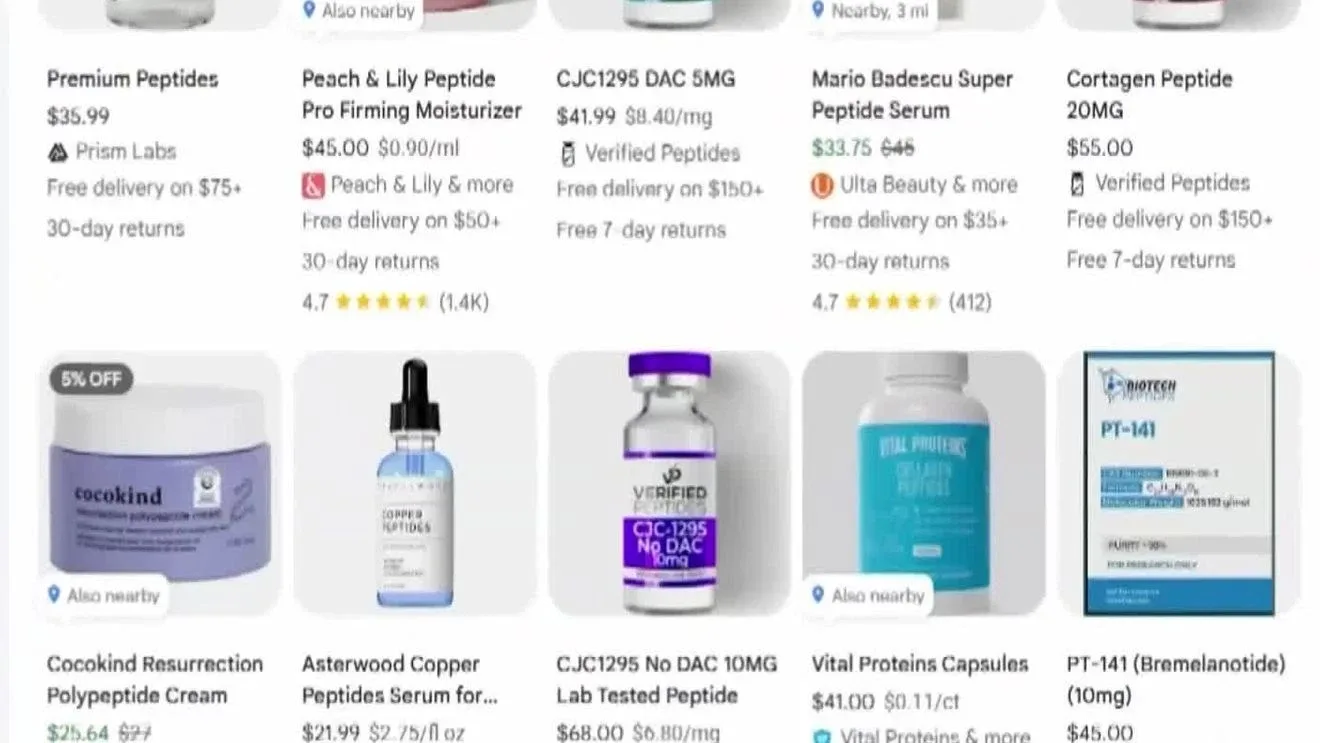

Peptides have surged in popularity as a wellness trend, with proponents touting benefits ranging from significant weight loss and increased energy to enhanced strength and muscle gain. As more individuals explore these compounds, a critical question emerges: Do peptides truly deliver on their promises, and are they a safe option for improving health and fitness? This article examines the growing interest in peptides, presents user testimonials, and consults medical and nutritional experts to provide a balanced perspective on their effectiveness and safety.
What Are Peptides and How Are They Used?
Peptides are short chains of amino acids, the building blocks of proteins, that play crucial roles in various bodily functions. In the context of wellness and medical treatments, specific synthetic peptides are designed to mimic or influence natural biological processes. For instance, some peptides are engineered to stimulate the release of hormones like human growth hormone (HGH) or to interact with pathways involved in metabolism and appetite regulation, such as the GLP-1 (glucagon-like peptide-1) pathway. These are often administered via injection or, less commonly, in oral forms like powders or capsules. Popular brands and molecules associated with these effects include semaglutide (Ozempic, Wegovy) and tirzepatide (Mounjaro, Zepbound), which are FDA-approved for type 2 diabetes and chronic weight management, respectively. However, the wellness market also features a wide array of peptides marketed for less defined benefits, often without FDA approval.
User Experiences with Peptide Therapy
Many individuals report significant positive outcomes from using peptides, particularly for weight loss and improved energy levels. Brittany Burnham, a fitness instructor and gym founder, shared her transformative experience. At nearly 44, she described being in the best shape of her life, attributing much of this to peptide use. "Even in the first 60 days, I lost 15 pounds. I lost 7% body fat," she stated, emphasizing that her results were achieved despite the inherent difficulty of maintaining peak fitness. Her before-and-after photos served as compelling evidence for her of the products' effectiveness.
Tamara Nobles, one of Burnham’s clients, was inspired to try peptides after witnessing Burnham's progress. Nobles sought to increase her strength, build muscle, and improve her overall longevity. She reported noticing changes within weeks, feeling more refreshed and less burnt out upon waking. Her strength also saw a notable boost, allowing her to lift weights she previously struggled with. "One day I just said well, let me go heavier and I hit some weights that I had never been able to do before," Nobles explained, highlighting a tangible improvement in her physical capabilities.
Expert Perspectives on Peptide Efficacy and Safety
While user testimonials highlight impressive results, medical and nutritional experts express caution and skepticism regarding the science and widespread use of many peptides, especially those not approved by regulatory bodies like the FDA. Dr. Katharine Abbot, a pharmacist, pointed to the placebo effect as a potential contributor to perceived benefits. "They think that they're getting something that will help and that oftentimes it does," she explained. "So I don't think that's the only contributing factor but I definitely think that is one of the things that is contributing to the benefit of these."
Registered dietitian Laura Ligos, known as "The Sassy Dietician," suggested that positive outcomes might be linked to the "healthy user bias." This phenomenon suggests that individuals who choose to use peptides are often simultaneously adopting other healthy lifestyle changes. "Meaning that like the person who's taking the oral peptide is also working out more, they're also working on their sleep, they're also increasing protein and fiber and all the things that actually help the body naturally increase GLP-1 production," Ligos stated. She also raised concerns about the scientific backing for oral peptide powders, noting, "There's no research on them, first and foremost, and any company that says there is is just doing their own internal research or fibbing it." Ligos further elaborated on the biological challenges of oral peptides: "We know that peptides are broken down by stomach acid, so if you take them orally, they're going to be broken down in your stomach before they ever get to the point of absorption, which happens in your small intestine."
When asked about her personal stance, Dr. Abbot firmly stated, "No. Easy answer." She elaborated on her clinical reservations: "When we come to these non FDA approved medications I just as a pharmacist clinically cannot recommend them because I don't have the data to support its use." This sentiment underscores the importance of regulatory approval for ensuring both safety and efficacy.
Precision tracking for your journey
Join thousands using Shotlee to accurately track GLP-1 medications and side effects.
📱 Get the Shotlee App
Track your GLP-1 medications, peptides, and health metrics on the go with our mobile app!
What is the FDA's Stance on Unapproved Peptides?
The U.S. Food and Drug Administration (FDA) currently does not regulate many of the injectable and oral peptides being marketed and used in the wellness space. The agency is actively discussing the regulatory landscape for these substances. While specific FDA-approved medications like semaglutide and tirzepatide undergo rigorous review for safety and efficacy for their indicated uses, a broad category of peptides sold for general wellness or performance enhancement often bypasses this scrutiny. This lack of FDA oversight means that the purity, potency, and actual effects of these products are not independently verified, raising potential risks for consumers. An update on the FDA's position and potential actions regarding these peptides is anticipated.
How Do Peptides Compare to FDA-Approved Weight Loss Medications?
When considering weight loss, it's crucial to distinguish between unapproved peptides and FDA-approved medications that target similar biological pathways. Medications like semaglutide (Wegovy) and tirzepatide (Zepbound) are specifically formulated, rigorously tested, and approved by the FDA for chronic weight management in individuals with obesity or overweight with at least one weight-related comorbidity. These medications work by mimicking GLP-1 and GIP (glucose-dependent insulinotropic polypeptide) hormones, which help regulate appetite, slow gastric emptying, and improve blood sugar control, leading to significant and sustained weight loss in clinical trials.
| Medication/Peptide Type | FDA Approval Status (for Weight Loss) | Mechanism of Action | Evidence Base | Typical Administration |
|---|---|---|---|---|
| Semaglutide (Wegovy) | Approved | GLP-1 receptor agonist | Extensive clinical trials demonstrating efficacy and safety | Subcutaneous injection |
| Tirzepatide (Zepbound) | Approved | GLP-1 and GIP receptor agonist | Extensive clinical trials demonstrating efficacy and safety | Subcutaneous injection |
| Unapproved Wellness Peptides | Not approved | Varies; often claimed to mimic hormones or enhance cellular function | Limited or no independent, peer-reviewed research; often relies on anecdotal evidence or internal studies | Injection, oral powders/capsules |
The key difference lies in the comprehensive scientific validation and regulatory oversight. FDA-approved medications have undergone multi-phase clinical trials involving thousands of participants to establish their safety profile, effective dosage, and potential side effects. In contrast, many peptides marketed for wellness purposes lack this level of scrutiny, making their efficacy and safety uncertain. For individuals seeking medically supervised weight loss, consulting a healthcare provider about FDA-approved options is the recommended and safest approach.
Are There Risks Associated with Peptide Use?
The safety profile of peptides used in wellness settings is a significant concern, particularly for those that are not FDA-approved. Without rigorous clinical trials and regulatory oversight, users may be exposed to unknown risks. Potential side effects can range from common issues like nausea, diarrhea, and constipation, which are also seen with FDA-approved GLP-1 agonists, to more serious concerns. These could include allergic reactions, infections at the injection site, and unknown long-term health consequences due to impurities or incorrect dosages.
Furthermore, the unregulated nature of some peptide sources means that the actual composition of the product might differ from what is advertised. This can lead to administering substances of unknown purity or potency, significantly increasing the risk of adverse events. For instance, if oral peptides are not properly formulated, they may not be absorbed effectively, leading to wasted money and potential gastrointestinal distress. The lack of standardized manufacturing processes for many of these products contributes to this uncertainty. It is vital for individuals considering peptide use to be aware of these potential dangers and to prioritize products that have undergone thorough safety and efficacy testing and are prescribed by a qualified healthcare professional. Tracking any symptoms or changes experienced while using peptides can be crucial for identifying potential issues, and tools like the Shotlee app can help users meticulously record this data.
Practical Takeaways for Consumers
Navigating the world of peptides requires a critical and informed approach. Here are some key considerations:
- Prioritize FDA Approval: For weight loss, energy, or any therapeutic benefit, opt for medications that have been thoroughly tested and approved by the FDA. These offer a known safety and efficacy profile.
- Consult Healthcare Professionals: Always discuss any interest in peptides or similar treatments with your doctor or a qualified healthcare provider. They can assess your individual health needs and recommend appropriate, safe options.
- Be Wary of Unregulated Products: Products marketed for wellness without FDA approval carry inherent risks due to a lack of scientific validation and quality control.
- Understand Mechanisms: Familiarize yourself with how different substances work. For example, FDA-approved GLP-1 agonists have well-documented effects on appetite and metabolism.
- Document Your Progress: If you are using any treatment, whether prescribed or not, keep detailed records of your dosage, symptoms, and any changes you observe. This can be invaluable for you and your healthcare provider. Tools like Shotlee can assist in tracking your health data and treatment responses.
Conclusion
The allure of peptides for enhanced weight loss, energy, and strength is understandable, given the compelling testimonials from users. However, the scientific community and regulatory bodies urge caution. While FDA-approved medications like semaglutide and tirzepatide offer a scientifically validated path for weight management, many peptides available on the wellness market lack robust research and regulatory oversight, posing potential risks. The placebo effect and concurrent lifestyle changes may contribute to some reported benefits, but these are not substitutes for evidence-based medical treatment. For anyone considering peptide therapy, a thorough consultation with a healthcare provider is paramount to ensure safety, efficacy, and alignment with personal health goals.