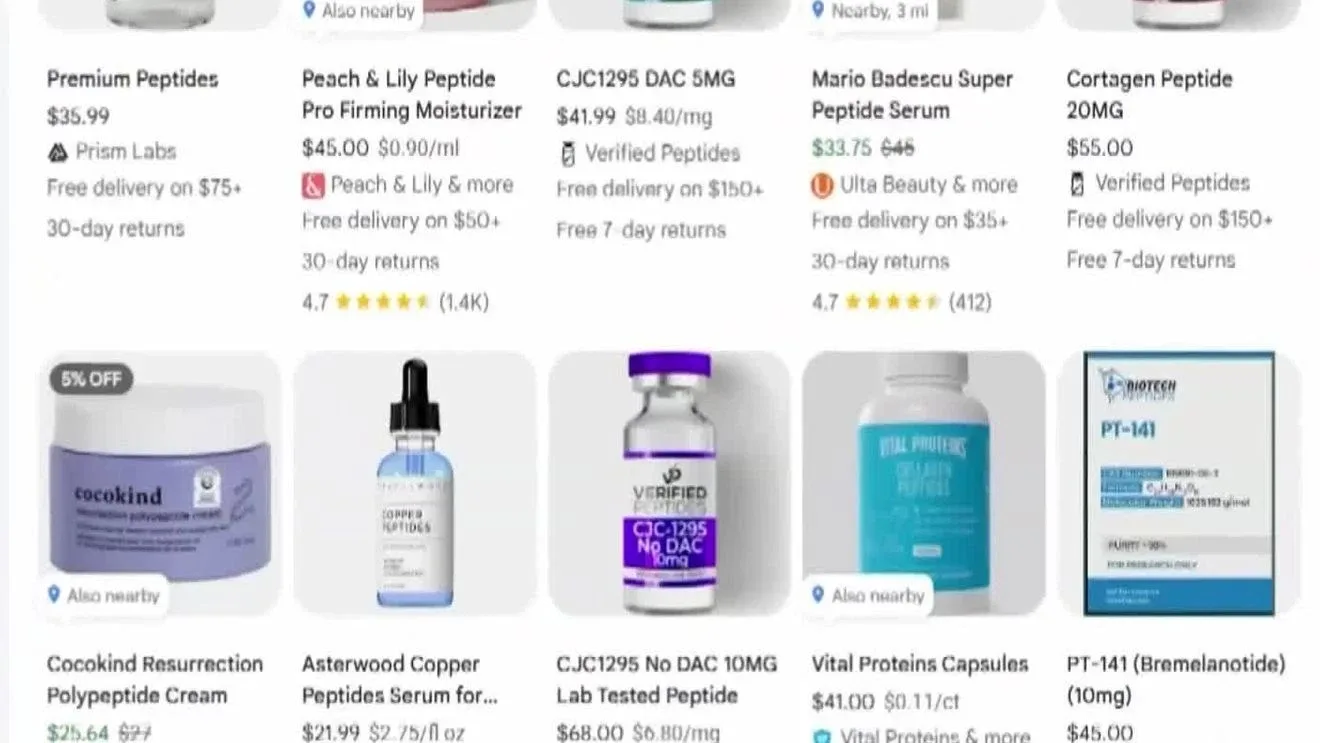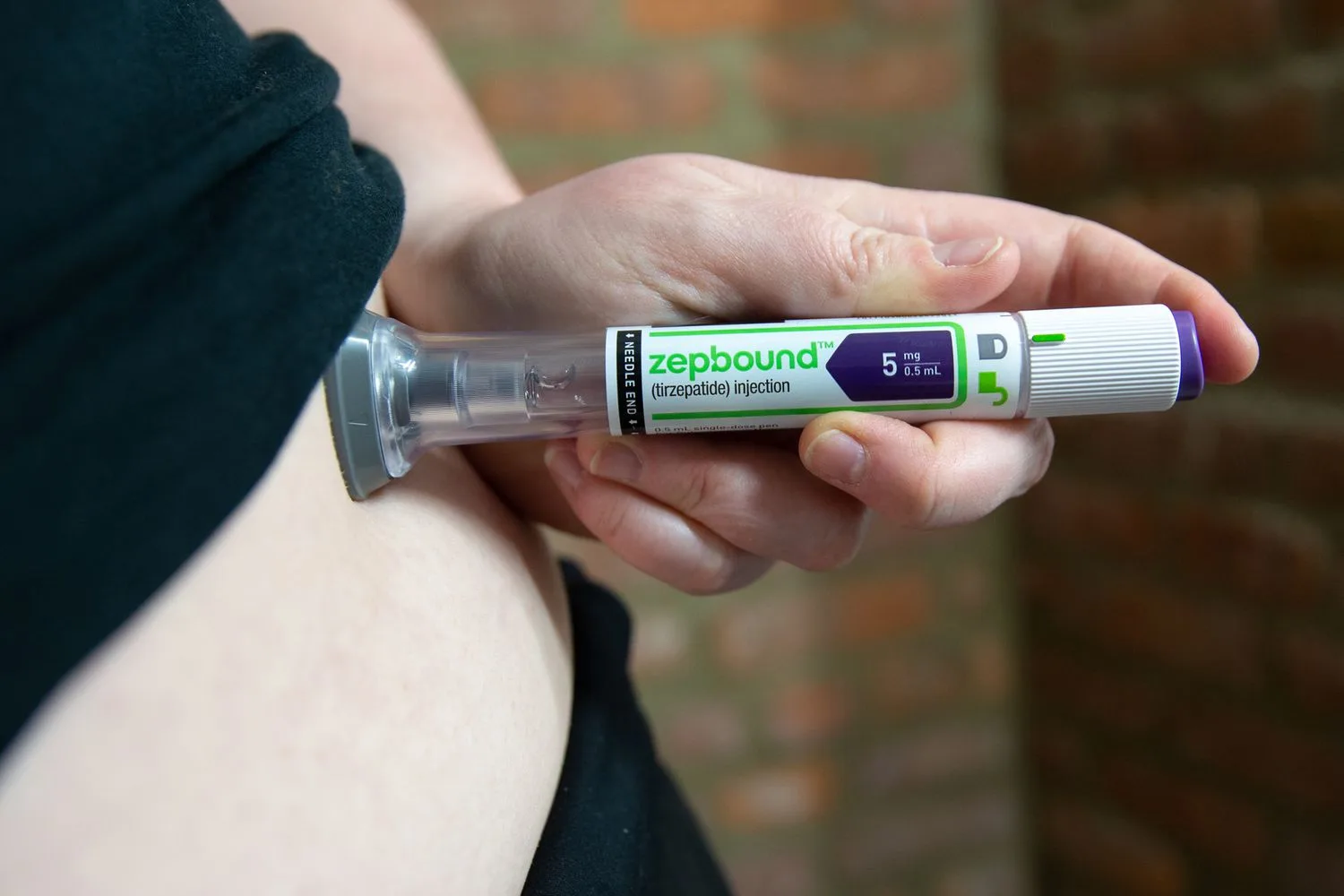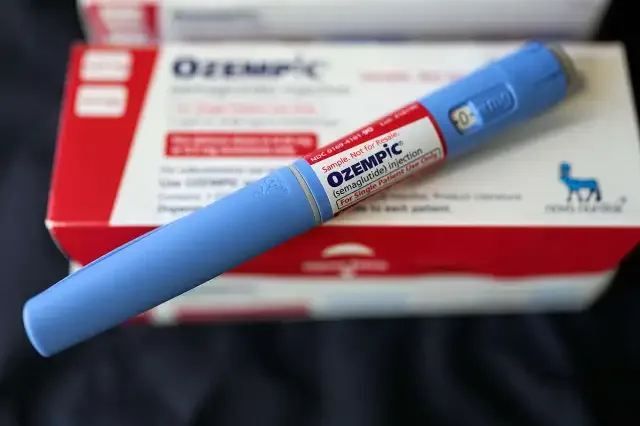

The convergence of medical weight loss and the rapidly expanding world of peptide therapies has created a new paradigm for patients seeking comprehensive health solutions. As awareness grows around compounds beyond traditional GLP-1 medications, individuals are looking for healthcare providers who can navigate this complex landscape. California Trim Clinic is responding to this demand by offering nationwide telemedicine services that integrate prescription medical weight loss with personalized peptide programs, aiming to provide a more holistic approach to metabolic health and wellness.
What is the current trend in medical weight loss and peptide therapy?
The current trend in medical weight loss is characterized by a significant surge in patient interest and clinical application of peptide-based therapies, moving beyond the initial mainstream adoption of GLP-1 medications. While drugs like semaglutide (Ozempic, Wegovy) and tirzepatide (Mounjaro, Zepbound) have brought injectable weight loss into common conversation, patients are now exploring a broader spectrum of peptides. This includes compounds investigated for recovery, cellular energy, body composition, and overall metabolic support, such as BPC-157, TB-500, MOTS-c, NAD+, and Tesamorelin. This shift reflects a growing desire for personalized treatment plans that address multiple facets of health, rather than focusing solely on appetite suppression or glucose control. The recent attention from the FDA's Pharmacy Compounding Advisory Committee meetings on various peptides has further amplified public awareness and demand, creating a dynamic environment where patients seek knowledgeable providers who understand this wider metabolic-health ecosystem.
How does California Trim Clinic integrate prescription weight loss with peptide programs?
California Trim Clinic integrates prescription weight loss with personalized peptide programs by offering a comprehensive telemedicine platform overseen by licensed physicians. This approach allows patients nationwide to access medical guidance and treatment planning without the need for in-person visits to traditional clinics. The process begins with a thorough review of each patient's medical history, current medications, symptoms, and health goals. Based on this individualized assessment, physicians can then explore a range of options, including FDA-approved weight-loss medications and various compounded peptide therapies. The clinic's extensive menu includes well-known GLP-1 medications alongside peptides such as NAD+, BPC-157, KLOW, Tesamorelin, and others, facilitating a discussion about how these different modalities might work together or individually to support a patient's unique health objectives. This integrated model aims to provide a centralized, medically grounded solution for patients seeking advanced metabolic and weight management support.
What is the role of telemedicine in accessing peptide and weight loss therapies?
Telemedicine plays a crucial role in expanding access to both prescription weight loss medications and personalized peptide therapies, particularly for individuals who face barriers to traditional in-person care. It removes geographical limitations, allowing patients across the United States to consult with licensed physicians who specialize in these areas. This virtual model eliminates the need for time-consuming travel, parking, and waiting room experiences, making healthcare more convenient and accessible. Physicians can conduct initial consultations, review patient histories, order necessary lab work, and prescribe treatments remotely. While some conditions may still require localized testing or in-person evaluations, telemedicine significantly streamlines the initial assessment and ongoing management process. For California Trim Clinic, this virtual-first approach is fundamental to their mission of providing informed, physician-guided care for a diverse patient population seeking advanced metabolic and weight management solutions.
What specific peptide therapies are discussed at California Trim Clinic?
California Trim Clinic discusses a wide array of peptide therapies as part of their personalized treatment approach, catering to diverse patient needs and goals beyond just weight loss. Their comprehensive menu includes:
- NAD+ (Nicotinamide Adenine Dinucleotide): Often explored for its role in cellular energy, metabolism, and healthy aging.
- BPC-157: A peptide investigated for its potential in promoting tissue healing and recovery, particularly in the gastrointestinal tract and musculoskeletal system.
- BPC-157/TB-500 Combinations: Often used together for synergistic effects on healing and recovery.
- MOTS-c (Mitochondrial Derived peptide): Studied for its potential impact on metabolism, insulin sensitivity, and cellular energy.
- KLOW: A combination therapy approach that may be considered for body composition and metabolic goals.
- Tesamorelin: An FDA-approved analog of growth hormone-releasing factor, indicated for reducing excess abdominal fat in adults with HIV and lipodystrophy, but also explored in other body composition contexts.
- CJC-1295/Ipamorelin: Often used together as growth hormone secretagogues, potentially influencing muscle growth, fat loss, and recovery.
- GHK-Cu (Copper Peptide): Known for its roles in skin regeneration, wound healing, and anti-inflammatory properties.
- Semax/Selank: Peptides investigated for cognitive enhancement and anxiolytic effects.
- Sermorelin: Another growth hormone secretagogue, similar in function to Tesamorelin, used to stimulate the pituitary gland to release growth hormone.
It is important to note that the availability and suitability of these therapies are determined on an individual basis after a thorough medical evaluation by a licensed physician, considering the patient's specific health profile, goals, and applicable regulations.
How does California Trim Clinic ensure medical oversight for compounded therapies?
California Trim Clinic ensures medical oversight for compounded therapies by mandating that all treatment decisions are initiated and guided by licensed physicians. Unlike direct-to-consumer platforms that might offer less stringent review, California Trim Clinic's model requires a comprehensive medical history assessment, and often additional clinical data, before any prescription is considered. Physicians evaluate each patient's unique situation, including weight history, current health status, existing conditions, and medication interactions, to determine if a compounded peptide therapy or a prescription weight-loss medication is medically justified and appropriate. This rigorous physician-led review process is designed to differentiate their service from less regulated sources and to prioritize patient safety and efficacy. Furthermore, the clinic emphasizes that compounded treatments are only pursued when medically indicated and legally permissible, reinforcing their commitment to responsible medical practice.
What is the difference between FDA-approved medications and compounded peptides?
The distinction between FDA-approved medications and compounded peptides is critical for understanding their regulatory status, intended use, and the level of evidence supporting them. FDA-approved medications, such as semaglutide (Wegovy) or tirzepatide (Zepbound) for weight loss, have undergone extensive clinical trials to demonstrate their safety, efficacy, and quality for specific indications. The Food and Drug Administration (FDA) rigorously reviews these trials before granting approval. Compounded peptides, on the other hand, are custom-made medications prepared by licensed compounding pharmacies based on a physician's prescription. These are typically created for individual patients when an FDA-approved drug is not available, has been discontinued, or when a specific dosage or combination is needed that is not commercially available. However, compounded medications do not undergo the same FDA pre-market review process for safety, effectiveness, or quality assurance as FDA-approved drugs. While compounding is a legitimate practice for meeting specific patient needs, it means that the evidence base and regulatory oversight differ significantly from that of approved pharmaceuticals.
Precision tracking for your journey
Join thousands using Shotlee to accurately track GLP-1 medications and side effects.
📱 Get the Shotlee App
Track your GLP-1 medications, peptides, and health metrics on the go with our mobile app!
What are the practical takeaways for patients interested in these services?
For individuals considering medical weight loss and peptide therapies through a telemedicine provider like California Trim Clinic, several practical takeaways are important:
- Prioritize Physician-Led Care: Seek out clinics where licensed physicians conduct thorough medical evaluations and guide treatment decisions, rather than relying on automated questionnaires or direct-to-consumer sales.
- Understand the Difference: Be aware that FDA-approved medications have undergone extensive clinical trials, while compounded peptides are custom-made and do not have the same level of regulatory review for safety and efficacy.
- Inquire About Specifics: Don't hesitate to ask about the specific peptides or medications offered, their intended uses, and the scientific evidence supporting them.
- Assess the Clinic's Scope: Look for providers who offer a broad range of options, allowing for a personalized approach rather than a one-size-fits-all solution. This includes understanding how they integrate different treatment modalities.
- Manage Expectations: Understand that results can vary, and not every therapy is suitable or effective for every individual. Responsible providers will emphasize realistic outcomes and a holistic approach to health.
- Utilize Discovery Calls: If available, use introductory calls to understand the clinic's process, available programs, and pricing before committing to a medical evaluation.
By keeping these points in mind, patients can make more informed decisions about their healthcare journey.
Conclusion
The evolving landscape of medical weight loss, increasingly intertwined with the exploration of peptide therapies, presents new opportunities for individuals seeking comprehensive health solutions. California Trim Clinic exemplifies this shift by offering nationwide telemedicine services that bridge the gap between prescription weight management and personalized peptide programs. Their physician-guided approach ensures that patients receive individualized assessments and access to a diverse range of therapeutic options, from established GLP-1 medications to various compounded peptides. By prioritizing medical oversight and patient education, clinics like California Trim are empowering individuals to navigate the complexities of modern metabolic health with informed and integrated care, all from the convenience of their homes.
Frequently Asked Questions
Can I get prescription weight-loss help without visiting a doctor’s office in person?
Yes, California Trim Clinic offers telemedicine-based medical weight-loss care. Eligible patients can begin the process remotely. However, a physician may still request laboratory testing, medical records, a virtual consultation, or even local in-person care depending on your specific medical needs and the complexity of your case.
Does California Trim Clinic have doctors who understand both GLP-1s and peptides?
Yes, California Trim Clinic provides doctor-guided pathways that encompass both prescription medical weight loss, including GLP-1 medications, and a broader menu of compounded peptide programs. Treatment decisions are individualized, and not all patients will qualify for every available option, as the physician determines the most appropriate course of action based on your health profile.
What peptide therapies does California Trim Clinic offer for discussion?
California Trim Clinic discusses a range of peptide options, including NAD+, BPC-157, BPC-157/TB-500 combinations, MOTS-c, KLOW, Tesamorelin, CJC-1295/Ipamorelin, GHK-Cu, Semax/Selank, and Sermorelin, among others. The actual availability and suitability of these therapies depend on your medical eligibility, geographic location, the physician's license, pharmacy capabilities, and applicable laws.
Can telehealth doctors prescribe injectable medications?
Licensed physicians can prescribe injectable medications through telemedicine when the patient is deemed medically eligible, the treatment is legally permissible, and all applicable clinical and state-specific requirements are met. This ensures that remote prescribing adheres to the same standards of care as in-person prescriptions.
Are compounded peptide medications FDA-approved?
No, compounded medications, including compounded peptides, are not FDA-approved. The FDA does not evaluate compounded medications for their safety, effectiveness, or quality prior to their marketing and distribution. They are prepared by compounding pharmacies based on a physician's specific prescription for an individual patient.