
What is Retatrutide and How Does it Work?
Retatrutide is an investigational medication that acts as a GIP/GLP-1/glucagon triple hormone receptor agonist. This means it simultaneously targets three key hormones involved in regulating appetite, metabolism, and blood sugar. By activating these receptors, retatrutide aims to reduce food intake, increase energy expenditure, and improve metabolic markers. The dual and triple agonism mechanism is designed to offer a more potent effect on weight loss and metabolic health compared to therapies targeting only one or two of these hormones. This approach is part of a broader evolution in obesity therapeutics, moving beyond simple weight reduction to address the complex cardiometabolic landscape.
Unlike medications that target just GLP-1 (like semaglutide or tirzepatide), retatrutide's triple action is thought to enhance its efficacy. GIP (glucose-dependent insulinotropic polypeptide) and GLP-1 (glucagon-like peptide-1) are known incretin hormones that stimulate insulin secretion and suppress glucagon, thereby improving glycemic control and promoting satiety. Glucagon, while often associated with raising blood sugar, also plays a role in energy expenditure and fat metabolism when its receptor is appropriately targeted. The combination of these actions in retatrutide offers a comprehensive strategy for managing obesity and its related metabolic complications.
How effective is Retatrutide for Weight Loss in Type 2 Diabetes?
In the TRIUMPH-2 Phase 3 trial, retatrutide demonstrated significant weight loss in adults with obesity and type 2 diabetes. Participants were randomized to once-weekly retatrutide at doses of 4 mg, 9 mg, or 12 mg, or a placebo, for 80 weeks. The results showed a clear dose-dependent effect on body weight reduction. At the 80-week mark, individuals receiving retatrutide experienced mean body weight changes of 12.7% with the 4 mg dose, 19.1% with the 9 mg dose, and a remarkable 20.8% with the 12 mg dose. In contrast, the placebo group achieved only a 4% weight loss over the same period. These findings highlight retatrutide's potential as a powerful tool for weight management in this patient population.
Beyond weight loss, retatrutide also showed positive effects on glycemic control in the TRIUMPH-2 trial. The HbA1c levels, a key indicator of long-term blood sugar management, declined significantly in the retatrutide groups compared to placebo. Specifically, HbA1c dropped by 1.4 percentage points with retatrutide 4 mg, 1.6 percentage points with the 9 mg dose, and 1.5 percentage points with the 12 mg dose. The placebo group saw only a 0.2 percentage point decline. This dual benefit of substantial weight loss and improved glycemic control underscores retatrutide's potential to address multiple facets of type 2 diabetes management.
What are the Cardiovascular Effects of Retatrutide?
The TRIUMPH-3 Phase 3 trial investigated retatrutide's impact on adults with severe obesity (BMI of 35 kg/m² or higher) and established cardiovascular disease (CVD). This study enrolled 1,949 participants who were assigned to receive once-weekly retatrutide at 9 mg or 12 mg, or a placebo. The results indicated significant weight loss, with participants on retatrutide 9 mg achieving a mean weight reduction of 21.6%, and those on the 12 mg dose losing 22.6% of their body weight after 80 weeks. This was in stark contrast to the 3.2% weight reduction observed in the placebo group. These substantial weight losses were accompanied by meaningful improvements in cardiovascular risk factors.
Retatrutide treatment led to a 37% decrease in triglycerides, a 16.5% drop in non-HDL cholesterol, a 9.3 mm Hg decline in systolic blood pressure, and a 51.2% reduction in high-sensitivity C-reactive protein (hs-CRP) at 80 weeks. These improvements suggest that retatrutide may play a beneficial role in mitigating cardiovascular risk. While the trial was designed as an efficacy study for obesity rather than a dedicated cardiovascular outcomes trial, exploratory analyses of major adverse cardiovascular events (MACE) showed promising trends. The risk for time to the first occurrence of a composite of five major adverse CV events (all-cause mortality, myocardial infarction, stroke, heart failure, and coronary revascularization) was numerically lower in the pooled retatrutide groups (44 events) compared to the placebo group (52 events), though neither analysis was powered to establish definitive CV benefit or harm.
How does Retatrutide compare to other weight loss medications?
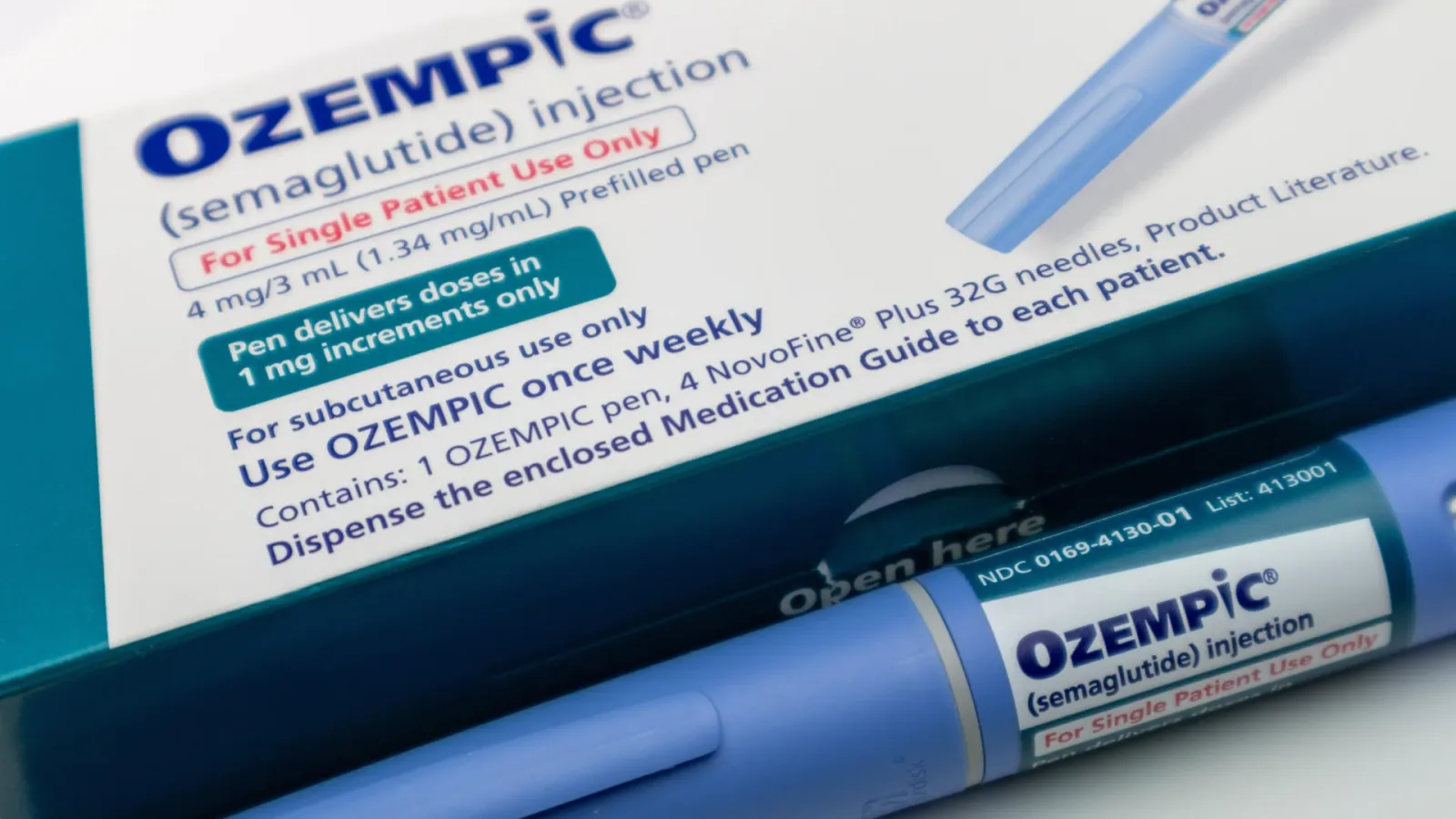
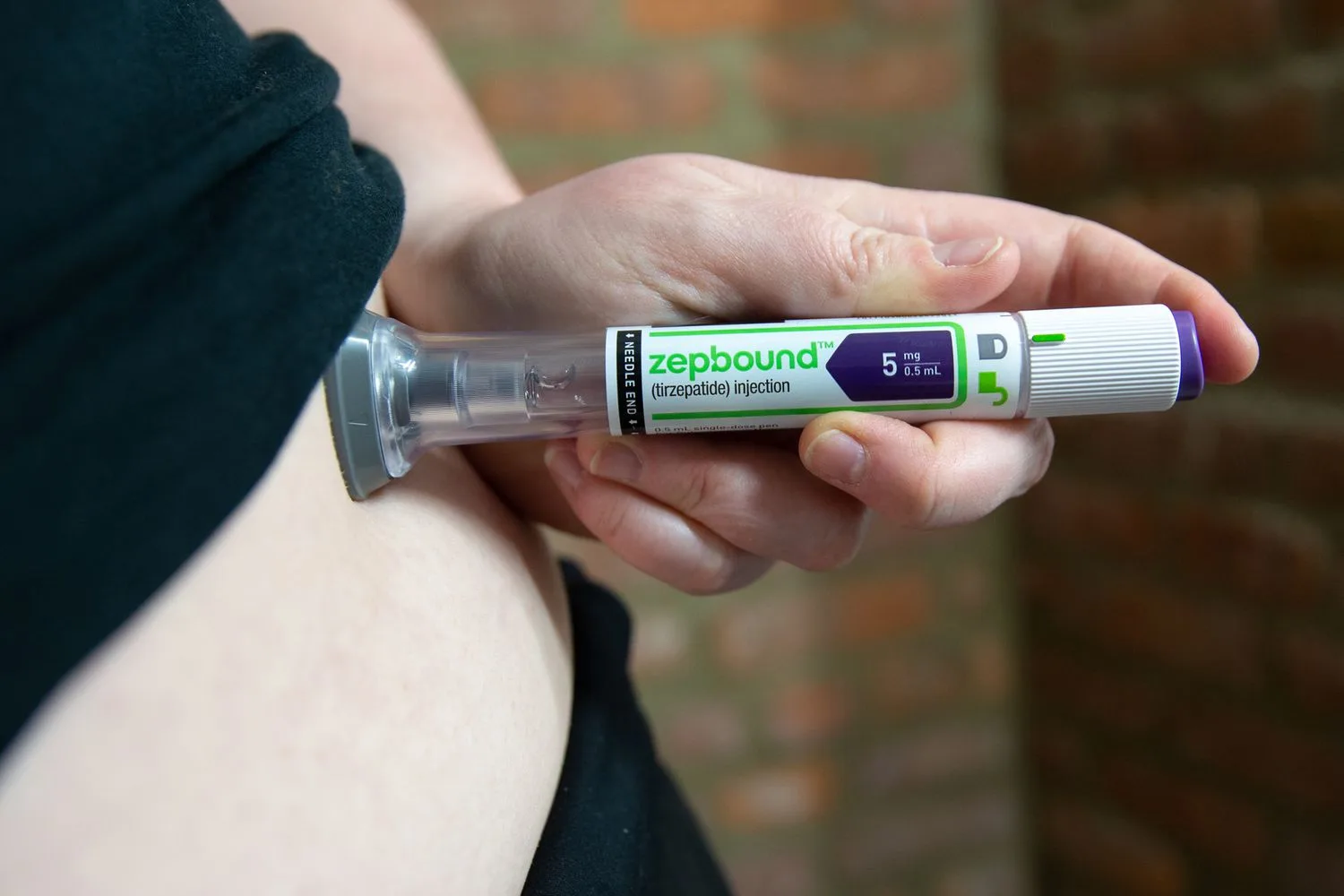
Retatrutide's triple agonism mechanism positions it as a potentially more potent agent for weight loss compared to existing GLP-1 receptor agonists like semaglutide (found in Ozempic and Wegovy) or dual GIP/GLP-1 receptor agonists like tirzepatide (found in Mounjaro and Zepbound). Previous studies with semaglutide have shown significant weight loss, often in the range of 15-20% in individuals with obesity. Tirzepatide has demonstrated weight loss up to approximately 20-25% in some trials. Retatrutide's reported weight loss of up to 22.6% in the TRIUMPH-3 trial and 20.8% in TRIUMPH-2, suggests it may achieve comparable or even greater reductions in body weight, particularly at higher doses.
The key differentiator for retatrutide lies in its activation of the glucagon receptor in addition to GIP and GLP-1. This triple action may contribute to its enhanced efficacy in promoting satiety and increasing energy expenditure. Furthermore, the observed improvements in multiple cardiovascular risk factors in TRIUMPH-3, such as reductions in triglycerides, cholesterol, blood pressure, and hs-CRP, align with the broader cardiometabolic benefits seen with other incretin-based therapies, but potentially at a greater magnitude due to its comprehensive hormonal targeting. However, it's crucial to note that dedicated cardiovascular outcomes trials are still needed to definitively compare the long-term cardiovascular benefits of retatrutide against other agents.
Precision tracking for your journey
Join thousands using Shotlee to accurately track GLP-1 medications and side effects.
📱 Get the Shotlee App
Track your GLP-1 medications, peptides, and health metrics on the go with our mobile app!
What are the common side effects of Retatrutide?
The most frequently reported adverse events associated with retatrutide in both the TRIUMPH-2 and TRIUMPH-3 trials were gastrointestinal in nature. These included diarrhea, nausea, constipation, and decreased appetite. These side effects are common among incretin-based therapies and are generally considered mild to moderate in severity. Many patients find that these symptoms resolve over time as their bodies adjust to the medication. Close monitoring and dose titration by a healthcare provider are essential to manage these potential side effects effectively.
Discontinuation rates due to adverse events were observed in the trials. In TRIUMPH-2, discontinuation rates varied by dose: 3.8% for retatrutide 4 mg, 11.6% for 9 mg, and 7.7% for 12 mg, compared to 4.9% for placebo. In TRIUMPH-3, discontinuation rates were 9.8% for retatrutide 9 mg and 13.5% for 12 mg, versus 4.8% for placebo. These figures suggest that higher doses may be associated with a greater likelihood of discontinuing treatment due to side effects. Healthcare providers will work with patients to find the optimal balance between efficacy and tolerability, potentially adjusting doses or implementing supportive measures to mitigate these gastrointestinal symptoms.
Tracking Your Progress with Retatrutide
For individuals managing their weight and cardiometabolic health with medications like retatrutide, consistent tracking of progress is vital. Utilizing tools to monitor key health metrics can empower patients and inform treatment decisions. This includes:
- Weight: Regularly weighing yourself, ideally at the same time of day and under similar conditions, helps visualize the impact of the medication.
- Appetite and Satiety: Keeping a journal of hunger levels, food intake, and feelings of fullness can provide insights into how the medication is affecting your appetite regulation.
- Blood Sugar Levels: If you have type 2 diabetes, monitoring your blood glucose levels as recommended by your doctor is crucial.
- Symptom Diary: Documenting any side effects, their severity, and when they occur can help you and your doctor manage them.
- Activity Levels: Tracking physical activity can complement the effects of medication and contribute to overall health goals.
Platforms like Shotlee can be invaluable for consolidating this data. By logging your weight, symptoms, and other relevant health indicators, you can create a comprehensive overview of your treatment journey. This data can then be shared with your healthcare provider, facilitating more informed discussions about your progress, potential adjustments to your treatment plan, and the overall effectiveness of retatrutide in achieving your health objectives.
Future Outlook for Retatrutide
The topline results from the TRIUMPH-2 and TRIUMPH-3 trials represent a significant step forward in the development of retatrutide. Eli Lilly has indicated that these positive findings, along with data from other Phase 3 studies, will support global regulatory submissions for retatrutide. The company anticipates seeking approval for its use not only in obesity but also for conditions like knee osteoarthritis pain and obstructive sleep apnea, indicating a broad potential therapeutic scope. The ongoing research and upcoming presentations of full trial data at medical conferences will provide a more detailed understanding of retatrutide's efficacy, safety profile, and its potential to transform the management of cardiometabolic diseases.
The medical community is keenly awaiting the full datasets to further evaluate retatrutide's impact. Questions remain regarding its long-term cardiovascular outcomes, its effect on medication de-escalation for conditions like diabetes, and the potential for diabetes remission. As the field of obesity therapeutics continues to evolve, retatrutide's triple hormone receptor agonism offers a promising new avenue, potentially redefining treatment paradigms by aiming for substantial weight loss alongside significant improvements in cardiometabolic health and long-term outcomes.
Key Takeaways
| Trial | Population | Retatrutide Dose | Mean Weight Loss (%) at 80 Weeks | HbA1c Reduction (TRIUMPH-2) | CV Risk Factor Improvements (TRIUMPH-3) |
|---|---|---|---|---|---|
| TRIUMPH-2 | Obesity + Type 2 Diabetes | 4 mg | 12.7% | -1.4 pp | N/A |
| TRIUMPH-2 | Obesity + Type 2 Diabetes | 9 mg | 19.1% | -1.6 pp | N/A |
| TRIUMPH-2 | Obesity + Type 2 Diabetes | 12 mg | 20.8% | -1.5 pp | N/A |
| TRIUMPH-3 | Severe Obesity + Established CVD | 9 mg | 21.6% | N/A | Triglycerides (-37%), SBP (-9.3 mmHg), hs-CRP (-51.2%) |
| TRIUMPH-3 | Severe Obesity + Established CVD | 12 mg | 22.6% | N/A | Triglycerides (-37%), SBP (-9.3 mmHg), hs-CRP (-51.2%) |
Conclusion
The results from the TRIUMPH-2 and TRIUMPH-3 trials mark a significant advancement in the treatment of obesity and its associated cardiometabolic conditions. Retatrutide, a novel triple hormone receptor agonist, has demonstrated impressive efficacy in inducing substantial weight loss in adults with type 2 diabetes and those with established cardiovascular disease. Beyond weight reduction, the medication has shown promising improvements in glycemic control and key cardiovascular risk factors, offering a comprehensive approach to managing complex health challenges. While common gastrointestinal side effects are noted, they are generally manageable, and the potential benefits of retatrutide appear substantial. As Eli Lilly moves toward regulatory submissions, retatrutide stands poised to become a vital new therapeutic option, potentially reshaping the landscape of cardiometabolic health management.