
What Exactly Is Temporal Hollowing and Why Does It Happen?
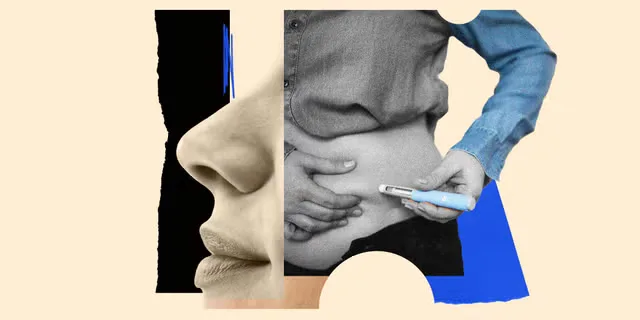
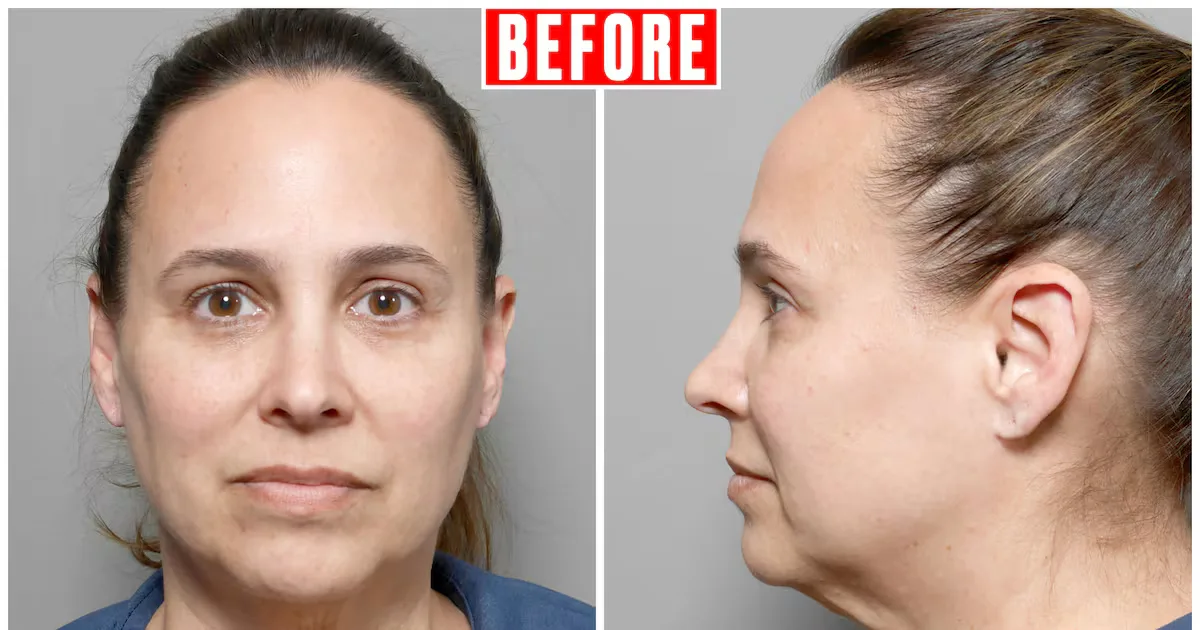
Temporal hollowing is the loss of volume in the temple area of the face, often resulting in a gaunt or aged appearance associated with rapid weight loss. This condition occurs because GLP-1 medications like Ozempic and Wegovy suppress appetite so effectively that patients lose fat faster than the skin can adapt. Dr. Terry Dubrow, a Beverly Hills plastic surgeon, identifies this loss of fullness as the absolute hallmark of the Ozempic face, noting that temples are usually the last area to show signs of aging naturally. When the temple area loses its youthful fullness, it communicates significant information about dehydration or illness to observers. Consequently, the face loses its natural balance, making patients look older or disturbed even if their overall health is improving.
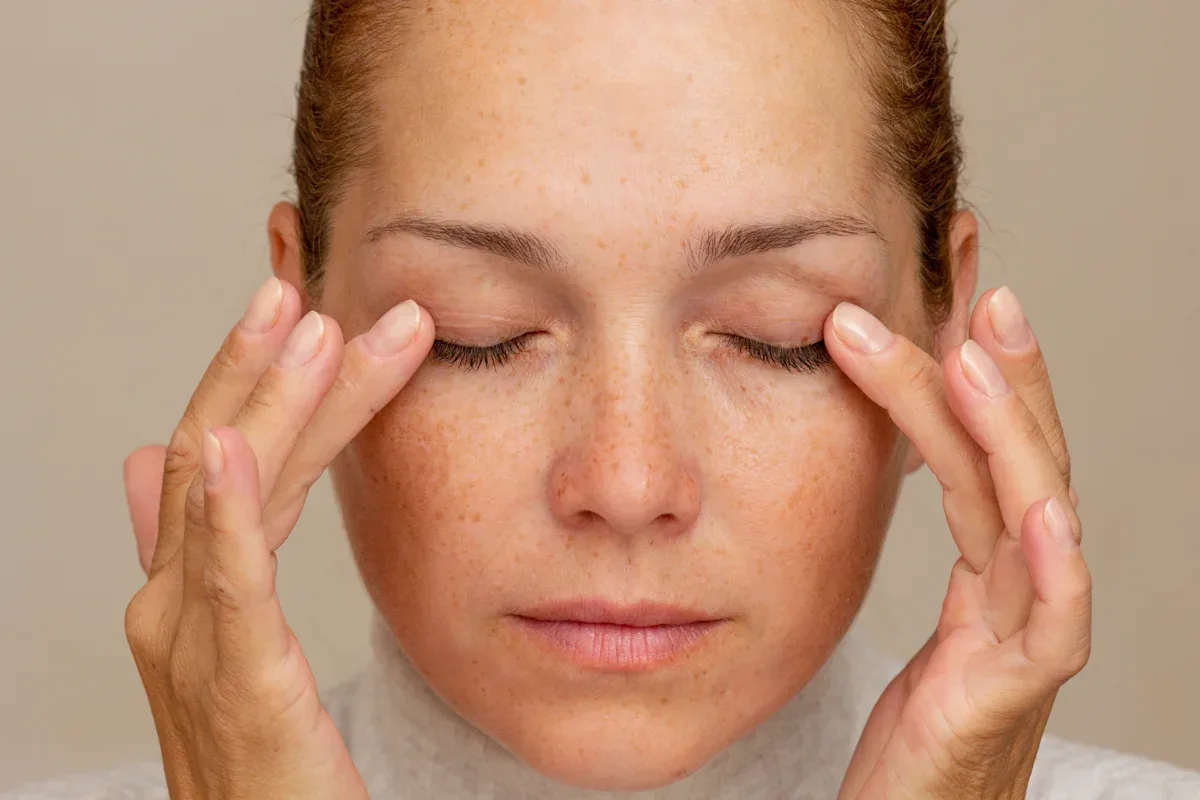
While patients often focus on their waistlines or overall body composition, the subtle changes in the temple region can be the most jarring visual indicator of weight loss. Plastic surgeons have told USA TODAY that facial aesthetics is a subtle art where small changes make big differences. The best cosmetic procedures involve nuance and do not take a one-size-fits-all approach, yet rapid weight loss ignores this nuance entirely. Patients frequently report feeling disturbed by their reflection without being able to pinpoint exactly what has changed until they notice the hollowing around their eyes and temples.
How Does Rapid Weight Loss Affect Facial Volume and Aging?
Rapid weight loss accelerates the aging process by depleting the subcutaneous fat pads that support facial structure and maintain a youthful contour. Unlike gradual weight loss, which allows skin to tighten slowly, sudden drops in weight on GLP-1s can cause the temple area to cave in, creating shadows that emphasize wrinkles and bone structure. Dr. Dubrow explains that a youthful face, like that of a baby, is characterized by very full temple areas that communicate health and vitality. When these areas hollow out, they become a visual marker of illness or dehydration rather than fitness. Plastic surgeons emphasize that while small changes make big differences, the loss of volume in this specific high-risk region is often the primary reason patients feel they look suddenly older than they do.
The connection between the temple area and the perception of age is profound because this region is close to the brain but often the last thing on patients' minds during consultations. Surgeons note that patients who have experienced rapid weight loss on GLP-1s say they know something is different about their face but cannot pinpoint what. This lack of understanding contributes to the distress patients feel, as they struggle to reconcile their health improvements with their changing appearance. The loss of volume disrupts the youthful balance of the face, making the individual look dehydrated or tired regardless of their actual energy levels.
What Are the Risks of Treating Temporal Hollowing with Fillers?
Treating temporal hollowing with dermal fillers carries significant risks because the temple region is a high-risk area filled with critical veins and arteries. If a medical professional injects filler incorrectly, there is a potential for severe complications, including blindness, due to the proximity of these vessels to the injection site. Dr. Krishna Vyas warns against overcorrecting by adding too much fat or filler, as this can result in aesthetic problems that are not as pleasing as the original concern. Patients must understand that certain areas of the face should be accentuated while others enhanced, rather than simply filling every hollow spot. Therefore, it is essential to seek intervention only from a legitimate medical professional who understands the complex vascular anatomy of the face to avoid permanent damage.
Overcorrecting temporal hollowing by adding too much fat or filler can cause problems as well, creating an unnatural look that draws attention to the treatment rather than the result. Dr. Vyas points out that while some areas of the face you want to accentuate, other areas you want to enhance, requiring a balanced approach. There is a big Ozempic controversy brewing online regarding these procedures, with doctors saying it is the wild west of medical aesthetics. Patients need to be vigilant about who performs these injections, ensuring the provider is a legitimate medical professional who prioritizes safety over quick fixes.
Precision tracking for your journey
Join thousands using Shotlee to accurately track GLP-1 medications and side effects.
📱 Get the Shotlee App
Track your GLP-1 medications, peptides, and health metrics on the go with our mobile app!
How Can Patients Avoid Facial Changes While Taking GLP-1 Medications?
Patients can significantly reduce the risk of facial hollowing by committing to a gradual weight loss plan that aligns with medical instructions rather than personal urgency. Dr. Dubrow states that when people on GLP-1s follow doctor guidance, the issue is usually not a problem, but it becomes likely when patients try to go up in dose too quickly. This means resisting the urge to increase dosage or skip steps in the titration process, which is designed to slowly build up until food noise is gone. By monitoring weight loss speed and ensuring nutrition is adequate, patients can maintain facial volume while achieving their health goals. Using tools like Shotlee to track progress can help ensure the rate of loss remains within a safe, sustainable range that protects facial aesthetics.
There is a significant difference between losing weight under supervision and losing weight on one's own terms. When people take matters into their own hands, they are more likely to suffer from temporal hollowing because they do not understand the medication's design. The goal of GLP-1 therapy is to slowly build up and get to a point where your food noise is gone, and you are in control of your appetite, rather your appetite being in control of you. Patience is a critical component of the treatment protocol, and rushing the process often leads to the very aesthetic side effects patients hoped to avoid.
Why Is Medical Supervision Crucial for GLP-1 Dosing and Safety?
Medical supervision is crucial because the internet has created a wild west environment where people are DIYing their GLP-1s without understanding the medication's design. Dr. Dubrow notes that many influencers, gym bros, and chiropractors are distributing these drugs, leading to misuse that causes side effects like temporal hollowing. These medications are designed to slowly build up to a point where appetite is controlled, rather than your appetite being in control of you. Without professional oversight, patients often ignore the slow build-up phase, leading to rapid weight loss that the body's facial tissues cannot accommodate. Engaging with a licensed provider ensures you understand the dosage schedule and recognize when the rate of loss is too aggressive for your specific physiology.
The prevalence of online sources for these medications has led to a situation where patients are getting them from TikTok influencers, gym bros, or chiropractors rather than healthcare providers. This lack of medical oversight contributes to the controversy brewing online regarding the safety and efficacy of these treatments. Doctors are sounding an alarm because the potential for harm is real when patients do not follow the instructions for gradual dose escalation. Proper supervision ensures that the medication is used as intended, minimizing the risk of adverse effects while maximizing the health benefits.
Comparison of Weight Loss Approaches
| Approach | Weight Loss Speed | Risk of Temporal Hollowing | Medical Oversight |
|---|---|---|---|
| Gradual (Doctor Supervised) | Slow and Steady | Low | High |
| Rapid (Self-Managed) | Fast and Aggressive | High | Low |
| Dosage Skipping | Erratic | Very High | None |
Practical Takeaways for GLP-1 Users
- Follow Titration Schedules: Never skip doses or increase frequency without a doctor's approval to prevent rapid volume loss.
- Track Your Progress: Use health tracking tools like Shotlee to monitor weight loss speed and ensure it remains gradual.
- Consult Professionals: Seek aesthetic treatments only from licensed plastic surgeons who understand facial vascular anatomy.
- Monitor Facial Changes: Be aware of early signs of hollowing and discuss them with your prescribing physician immediately.
- Patience is Key: Remember that the medication is designed to control appetite over time, not to force immediate weight loss.
Conclusion
The rise of GLP-1 medications like Ozempic and Wegovy has revolutionized weight management, but it has also introduced new aesthetic challenges that patients must navigate carefully. Temporal hollowing serves as a stark reminder that rapid weight loss can have unintended consequences on facial structure and perceived age. By prioritizing gradual weight loss, maintaining medical supervision, and understanding the risks of cosmetic interventions, patients can achieve their health goals without compromising their facial aesthetics. The key lies in respecting the body's natural adaptation processes and working within the safety parameters established by medical professionals.
Frequently Asked Questions
- What is the specific medical term for temple volume loss?
Temporal hollowing, also known as temporal wasting, is the medical term for the loss of subcutaneous fat in the temple area, often associated with rapid weight loss or aging. - Can temporal hollowing be reversed after it occurs?
Yes, it can often be treated with dermal fillers or fat transfer, though these procedures carry risks and should only be performed by experienced medical professionals. - What is the risk of blindness with temple fillers?
The temple region contains critical arteries and veins, and incorrect injection can lead to vascular occlusion, which in rare cases can result in blindness or tissue necrosis. - How does the 'wild west' of GLP-1 access affect safety?
Unregulated access through influencers or non-medical sources often leads to improper dosing and lack of monitoring, increasing the risk of side effects like temporal hollowing. - Why do babies have full temples and adults lose them?
A youthful face is characterized by full temple areas that communicate health and vitality, while aging or rapid weight loss depletes the fat pads that maintain this fullness.