
Medical Insights Update: Critical Data on Medications, Activity, and Heart Health
This medical opinion series highlights three pressing issues facing modern healthcare providers and patients today. The first topic addresses the growing concern regarding unplanned pregnancies in women taking GLP-1 receptor agonists, a class of medications increasingly used for weight management. The second segment examines the overlooked potential of light-intensity physical activity as a viable public health intervention. Finally, the third discussion focuses on the management of asymptomatic severe aortic stenosis and the dangers of relying solely on patient-reported symptoms. These updates collectively emphasize the need for better data collection, proactive monitoring, and a broader definition of physical activity to improve patient outcomes across multiple specialties.
What Do We Know About GLP-1 Exposure During Pregnancy?
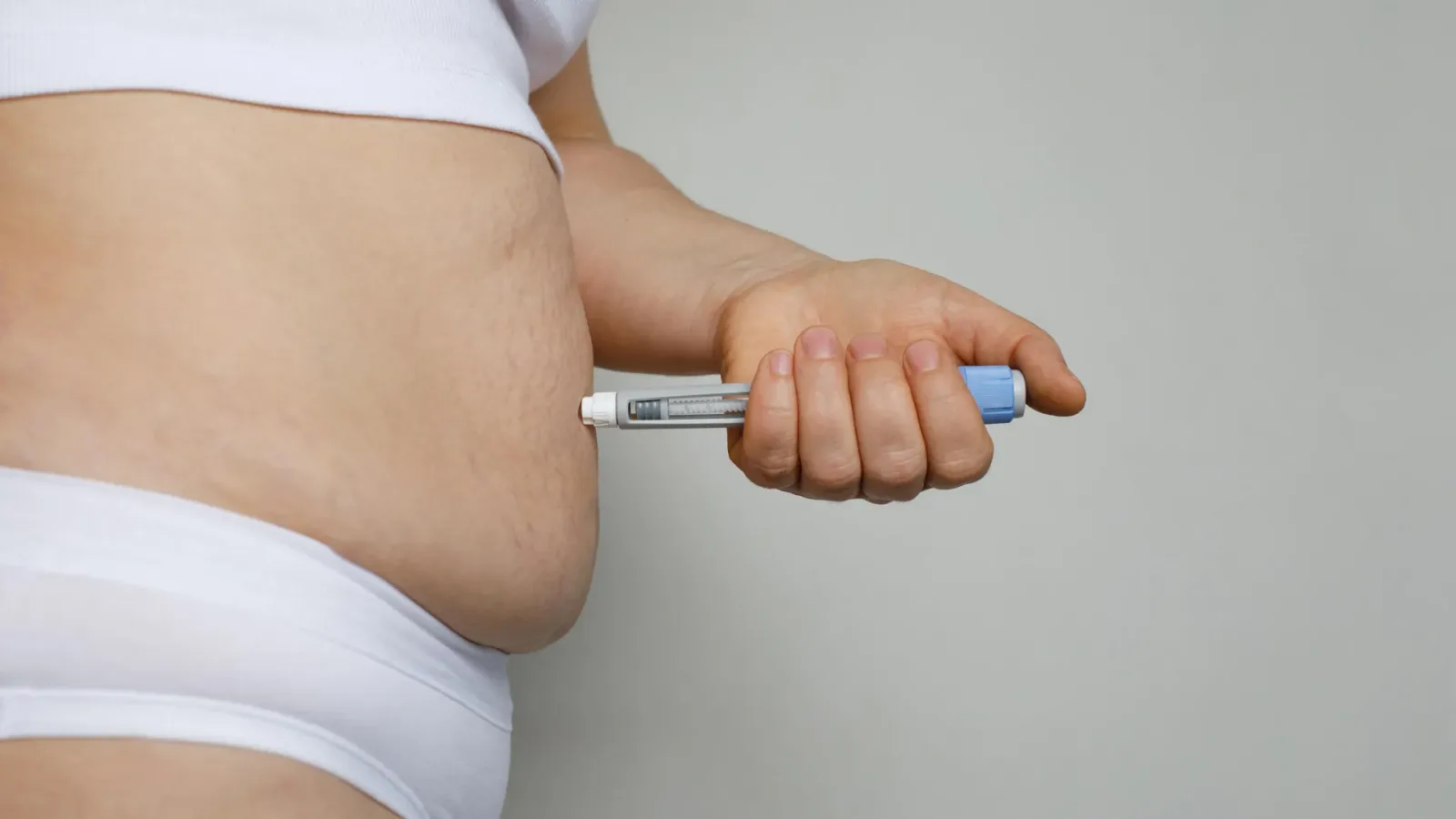
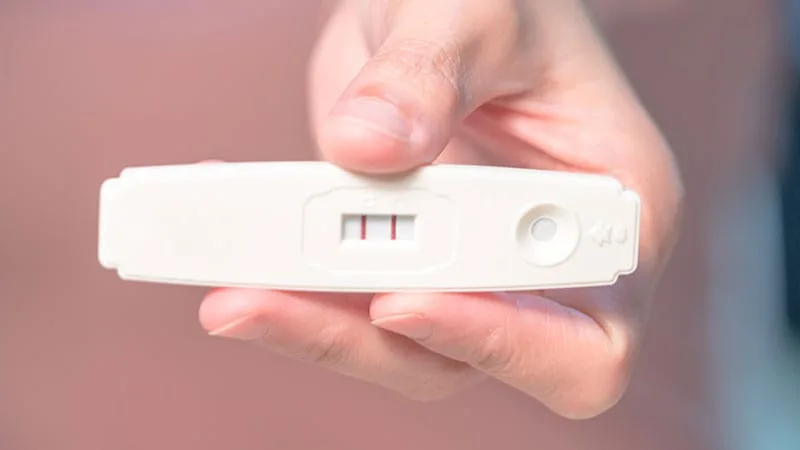
Current guidelines advise against using GLP-1 receptor agonists like semaglutide during pregnancy, yet thousands of infants face unintentional exposure in the first trimester. Researchers estimate that tens of thousands of children in the UK alone could be affected by 2026 if current trends continue without intervention. This critical data gap exists because many women use these medications for weight loss, which may inadvertently increase unplanned pregnancy rates by altering contraceptive effectiveness or restoring ovulation in conditions like PCOS. To address these uncertainties, experts urge clinicians to ask patients about weight-loss medication use during routine prenatal screenings and to measure drug concentrations in blood samples. Comparing maternal and fetal outcomes between exposed cohorts and matched controls is essential for understanding the true risks involved in this growing patient population.
Healthcare professionals often express uncertainty about what specific monitoring protocols to implement for pregnant women on these drugs. The mechanism behind the increased pregnancy risk involves the potential for weight-loss medications to interfere with oral contraceptive efficacy or reverse anovulation in metabolic disorders. A recent survey of UK healthcare professionals found that sixty-seven percent had encountered patients who conceived while taking GLP-1 receptor agonists. This high prevalence underscores the urgency of gathering more robust data to guide clinical decision-making during early pregnancy.
Current Guidelines vs. Recommended Actions
| Aspect | Current Guideline | Recommended Action |
|---|---|---|
| Medication Use | Contraindicated in pregnancy | Ask about use during prenatal questionnaires |
| Data Collection | Limited | Measure GLP-1 concentrations in blood samples |
| Outcomes | Unknown | Compare maternal and fetal outcomes with controls |
Researchers suggest that asking patients about weight-loss medications during routine prenatal visits is a necessary first step. Furthermore, comparing maternal and fetal outcomes for exposed cohorts and matched controls will help clarify the safety profile of these drugs during gestation. Until more data is available, the consensus remains that women of childbearing potential should use effective contraception while on therapy.
Why Is Light Activity a Missing Link in Public Health?
Light-intensity physical activity, such as standing while doing dishes, accounts for roughly half of daily energy expenditure but has historically been overlooked in public health guidelines. With sedentary time increasing globally while moderate-to-vigorous activity remains stable, shifting toward light movement offers an approachable target for population-level health improvements, especially for those with physical limitations. Research indicates that replacing just thirty minutes of daily sitting with standing or light activity can significantly lower cardiovascular risk. Furthermore, studies suggest that fifty-three to one hundred fifty-six minutes of light activity may provide health benefits roughly equivalent to one minute of vigorous exercise. Defining optimal doses and intensity thresholds requires further investigation, yet evidence consistently shows that any increase in activity, particularly shifting from nothing to something, reduces morbidity and mortality risk among the least active individuals.
This approach is particularly relevant for individuals managing weight loss or chronic conditions who may find vigorous exercise difficult to sustain. The evidence supports the idea that public health guidelines should expand to include light-intensity movement as a primary recommendation for the general population. Replacing sedentary time with standing or light activity is an achievable goal that can yield substantial health benefits without requiring gym memberships or specialized equipment. Future research needs to define the optimal doses and intensity thresholds of light physical activity to refine these recommendations further.
Do Asymptomatic Patients with Aortic Stenosis Need Intervention?
The absence of reported symptoms in patients with severe aortic stenosis might reflect a gradual adaptation to physical limitations rather than true physiologic reserve. In a treadmill substudy of the EARLY TAVR trial, approximately fifteen percent of patients considered asymptomatic actually had abnormal exercise tests showing exertional symptoms, hypotensive response, or arrhythmias. Although these findings generally warrant a referral for aortic valve replacement, nearly twenty percent of these patients had not received treatment at one year. Risk assessments integrating exercise testing, imaging, and biomarkers are crucial for identifying those who may benefit from intervention. Perhaps the most concerning finding is that objective identification of an indication for intervention did not consistently translate into treatment, suggesting a need for better monitoring protocols.
This discrepancy between objective findings and treatment decisions highlights a significant gap in clinical management. Patients may adapt to their symptoms over time, leading them to report feeling fine even when their heart is under significant stress. Risk assessments that integrate exercise testing, imaging, and biomarkers are crucial for identifying patients with severe aortic stenosis who may benefit from treatment. The data suggests that relying solely on patient-reported symptoms is insufficient for determining the need for valve replacement in severe cases.
Key Findings from Treadmill Substudies
- Abnormal Test Results: Approximately 15% of asymptomatic patients had abnormal exercise tests.
- Delayed Treatment: Nearly 20% of patients with indications for intervention were not treated at one year.
- Objective vs. Subjective: Objective findings did not consistently translate into treatment decisions.
The absence of reported symptoms often reflects a gradual adaptation to and normalization of physical limitations rather than physiologic reserve. This adaptation can mask the severity of the condition until a critical event occurs. Therefore, clinicians must remain vigilant and utilize objective testing methods to ensure timely intervention for patients who may be underestimating their limitations.
Precision tracking for your journey
Join thousands using Shotlee to accurately track GLP-1 medications and side effects.
📱 Get the Shotlee App
Track your GLP-1 medications, peptides, and health metrics on the go with our mobile app!
Practical Takeaways for Patients and Providers
These medical updates highlight the critical importance of proactive communication between patients and providers regarding medication safety, activity levels, and symptom monitoring in clinical practice. For individuals on GLP-1 therapies like Ozempic or Mounjaro, tracking menstrual cycles and discussing contraception is vital, especially if planning a pregnancy to avoid unintended exposure during early development. Incorporating light activity into daily routines can boost metabolic health without requiring intense gym sessions, making it a sustainable option for long-term weight management and cardiovascular protection. Finally, severe cardiac conditions require objective testing even when patients feel fine, ensuring timely intervention prevents adverse outcomes from undetected stress responses. Utilizing health tracking tools can help log symptoms, doses, and activity changes to provide accurate data during medical consultations, empowering patients to participate actively in their own care plans.
By staying informed and maintaining open lines of communication with healthcare teams, patients can navigate these complex medical landscapes more safely. Tracking progress and symptoms can reveal patterns that might otherwise go unnoticed during brief office visits. This proactive approach ensures that both medication management and lifestyle changes are optimized for long-term health outcomes.
Conclusion
The medical community faces several critical challenges regarding medication safety, physical activity definitions, and cardiac monitoring. Unplanned pregnancies on GLP-1 therapies require more data to guide clinical practice safely. Light-intensity activity offers a valuable, often overlooked avenue for improving public health metrics. Finally, asymptomatic cardiac conditions demand objective testing to prevent delayed treatment. Addressing these issues requires collaboration between researchers, clinicians, and patients to ensure the best possible outcomes for everyone.
Frequently Asked Questions
Can I continue taking Ozempic if I find out I am pregnant?
Current guidelines advise against using GLP-1 receptor agonists during pregnancy due to a lack of safety data. If you discover you are pregnant while taking these medications, you should contact your healthcare provider immediately to discuss discontinuing the drug and establishing a safe monitoring plan.
How much light activity is needed to see health benefits?
Research suggests that replacing thirty minutes of daily sitting with standing or light activity can lower cardiovascular risk. Some studies indicate that fifty-three to one hundred fifty-six minutes of light activity may provide benefits roughly equivalent to one minute of vigorous exercise.
Why might someone with severe aortic stenosis not report symptoms?
The absence of symptoms may reflect a gradual adaptation to and normalization of physical limitations rather than true physiologic reserve. Patients may unconsciously limit their activities to avoid discomfort, masking the severity of the condition.
What should patients track while on GLP-1 weight loss medications?
Patients should track menstrual cycles, weight changes, and any new symptoms. Using a health tracking tool can help log symptoms, doses, and activity changes to provide accurate data during medical consultations.
Is a treadmill test necessary for asymptomatic aortic stenosis patients?
Yes, risk assessments integrating exercise testing, imaging, and biomarkers are crucial. Approximately fifteen percent of asymptomatic patients had abnormal exercise tests, indicating that objective testing is necessary to identify those who may benefit from intervention.