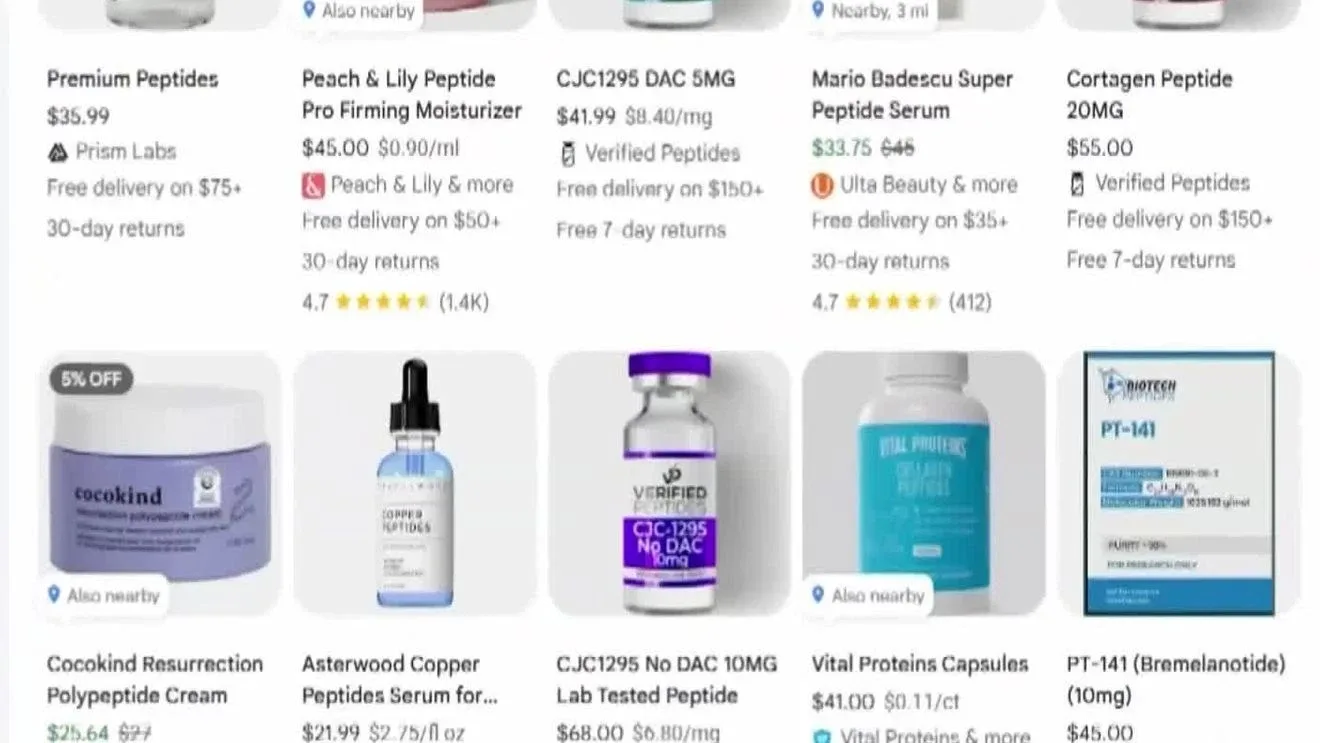

The obesity market in the United Kingdom is witnessing a significant shift in how weight loss medications are distributed, with a growing trend toward private sector accessibility. A recent report highlights a concerning "two-tier system" emerging in London, where wealthy patients access treatments faster than the general public. Amidst this surge, an unlicensed semaglutide-based product administered under the tongue is being marketed to private doctors despite explicit warnings from the branded medicine's manufacturer regarding safety concerns. This development mirrors similar controversies in the United States, where the compounding scene has faced intense regulatory scrutiny. As patients seek alternatives to injections, understanding the implications of these unapproved formulations becomes critical for anyone considering GLP-1 therapy.
What Is Sublingual Semaglutide and How Does It Work?
Sublingual semaglutide is an unlicensed medication administered under the tongue that aims to deliver the GLP-1 receptor agonist through oral mucosa rather than injection. This method theoretically bypasses the gastrointestinal tract to reduce nausea, yet it lacks formal clinical trial validation for safety and efficacy in the United Kingdom. While manufacturers like PCCA claim improved tolerability compared to weekly pens, the Medicines and Healthcare products Regulatory Agency has not evaluated this specific formulation for mass distribution. Consequently, patients accessing these compounded versions face uncertain dosing consistency because standard quality controls applied to branded Wegovy or Ozempic do not apply here. Medical professionals are advised to proceed with caution until regulatory bodies provide clear guidance on whether this alternative route provides equivalent therapeutic outcomes to established treatments.
Compounded drugs are custom-made and unbranded medications that contain the same active ingredient as a marketed drug, though they are not identical in formulation. In the UK, compounding is permitted for personalised drug regimens, but mass compounding is strictly prohibited. Sublingual semaglutide has neither been approved by the Medicines and Healthcare products Regulatory Agency nor has its efficacy and safety been evaluated through formal clinical trials. This distinction is vital because the regulatory oversight for bespoke prescriptions differs significantly from the rigorous testing required for commercial pharmaceuticals.
Why Are Manufacturers Warning Against Compounded Versions?
Manufacturers warn against compounded versions primarily because mass production creates significant risks regarding patient safety and drug purity that cannot be guaranteed outside regulated pharmaceutical pipelines. Novo Nordisk explicitly states they do not condone mass compounding, citing potential contamination or incorrect dosage concentrations that could harm individuals relying on weight loss therapy. Unlike approved medications which undergo rigorous Phase III testing, sublingual semaglutide exists in a legislative grey area where stability data is often missing from public records. This concern is amplified by recent legal actions in the United States, where major brands have sued telehealth providers over unauthorized production. Therefore, healthcare systems prioritize known safety profiles over experimental formulations to prevent adverse events associated with unverified peptide therapies.
In a statement to Pharmaceutical Technology, a Novo spokesperson emphasized their collaboration with healthcare systems to keep patients safe. They recommend patients speak with their healthcare professional about the best treatment for them, implying that off-label or compounded use carries inherent risks. The company works to ensure that the integrity of the medication remains intact throughout the supply chain, something that independent compounding centers may struggle to replicate consistently. This stance reflects a broader industry effort to protect consumers from potential harm caused by inconsistent manufacturing standards.
How Is the UK Obesity Treatment Landscape Changing?
The United Kingdom is currently developing a two-tier system for obesity treatment accessibility where private spending far outpaces public NHS provision in major metropolitan areas. Recent findings from the London Assembly's health committee indicate that as of November 2025, only approximately 3,000 London residents accessed weight loss medicines through the NHS compared to tens of thousands purchasing them privately. This disparity suggests that financial capacity determines access to newer therapies like semaglutide, creating inequality in chronic disease management across the capital. As demand surges beyond what the public system can supply, private clinics increasingly turn to compounding pharmacies to fill supply gaps. However, this reliance on the private sector raises ethical questions regarding equitable healthcare distribution for all socioeconomic groups within the country.
Precision tracking for your journey
Join thousands using Shotlee to accurately track GLP-1 medications and side effects.
📱 Get the Shotlee App
Track your GLP-1 medications, peptides, and health metrics on the go with our mobile app!
The UK's compounding scene is significantly smaller than that of the US, which has burgeoned in the wake of weight loss drug popularity. Some US telehealth companies took advantage of regulatory loopholes to mass-market products to patients, leading to a duality in the obesity market. A duality has emerged over recent years in the US, with some patients opting for branded products and others going for the cheaper compounded versions. Both Novo and its rival Eli Lilly have launched legal notices against players in the compounded sector, signaling a tightening grip on the market.
How Do Injection, Tablet, and Sublingual Options Compare?
Comparing delivery methods reveals distinct differences in absorption mechanisms, convenience factors, and side effect profiles among the available semaglutide formats. Injectable versions like Wegovy utilize a weekly dose to maintain stable blood levels, while the daily oral tablet requires strict fasting conditions to ensure proper absorption through the stomach lining. Sublingual compounds attempt to merge flexibility with reduced gastric irritation, yet their bioavailability remains unproven relative to the branded alternatives. Clinical data confirms that stomach pain is a recognized side effect of Wegovy because the drug slows gastric emptying, affecting gut motility significantly. Patients considering switching forms must weigh the convenience of non-injection methods against the certainty of efficacy provided by FDA or MHRA-approved branded products.
| Delivery Method | Dosing Frequency | Regulatory Status | Primary Benefit |
|---|---|---|---|
| Injectable (Wegovy) | Weekly | Approved (MHRA/FDA) | Proven Efficacy & Safety |
| Oral Tablet (Rybelsus) | Daily | Approved (MHRA/FDA) | No Needle Required |
| Sublingual (Compounded) | Varies | Unlicensed | Theoretical Gastric Relief |
As with oral Wegovy, PCCA's sublingual version must be taken on an empty stomach to maximize absorption. Stomach pain is a recognised side effect of Wegovy because the drug slows down gastric emptying and affects gut motility. This similarity in dietary requirements suggests that the sublingual form may not fully eliminate gastrointestinal distress despite the different administration route.
What Should Patients Monitor When Using These Medications?
Patients utilizing these medications should closely monitor symptoms, dosage adherence, and overall health metrics to detect any unexpected reactions or efficacy changes early. Because compounded drugs may vary in concentration, consistent tracking of weight loss velocity and digestive discomfort helps identify potential issues before they become serious complications. Tools like Shotlee allow users to log daily doses alongside physical symptoms such as nausea or fatigue, providing valuable data for consultations with prescribing physicians. Without standardized manufacturing processes, individual responses to sublingual formulations can differ widely from those seen in controlled clinical trials. Therefore, maintaining a detailed health record ensures that medical advice remains informed by real-world evidence rather than theoretical expectations of how the medication should behave.
Monitoring is especially important when transitioning between different forms of therapy or when using compounded alternatives. If a patient experiences sudden changes in energy levels or unexpected weight fluctuations, it may indicate issues with the potency of the substance. Keeping a log allows doctors to correlate specific symptoms with dosage timing, helping to distinguish between side effects and other health variables.
Practical Takeaways for Patients
- Verify Licensing: Always confirm if a medication provider is licensed by the relevant health authority before starting treatment.
- Track Symptoms: Use digital tools to record side effects like nausea, vomiting, or abdominal pain regularly.
- Consult Professionals: Discuss the risks of compounded drugs with your GP or specialist before making a switch.
- Monitor Doses: Be aware that compounded versions may not match the exact milligram strength of branded equivalents.
- Check Supply Chains: Understand that mass compounding is restricted in the UK to protect patient safety.
Conclusion
The emergence of sublingual semaglutide in the UK represents a complex intersection of patient demand, private sector innovation, and regulatory caution. While the promise of easier administration without needles is appealing, the lack of formal clinical trials and manufacturer warnings highlight significant safety uncertainties. Patients must navigate this landscape carefully, prioritizing verified treatments and maintaining open communication with healthcare providers. As the obesity market grows, balancing accessibility with safety remains the primary responsibility for all stakeholders involved in weight loss therapy.