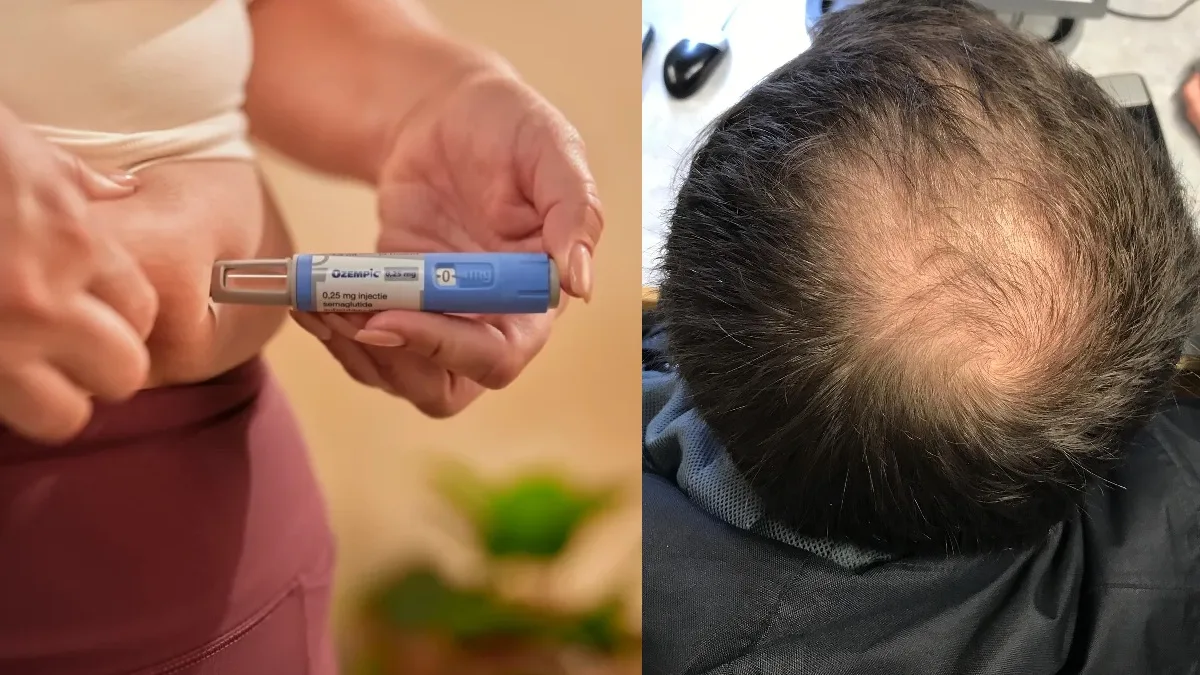

Celebrity culture often intersects with complex medical conversations, particularly regarding weight management and pharmaceutical interventions. Alabama Barker, a prominent social media figure and daughter of musician Travis Barker, recently sparked significant discussion by announcing her intention to escalate her medication regimen. She posted on TikTok stating she would use the highest dose of Ozempic to stop critics from commenting on her body size. This announcement brings attention to the broader implications of GLP-1 medications in the public eye and the pressures facing young influencers. It raises important questions about the medical necessity versus cosmetic desire when utilizing prescription drugs like semaglutide. The situation highlights the need for accurate information regarding dosage, safety, and the underlying health conditions that drive such decisions. For readers interested in understanding the medical landscape behind these headlines, examining the specific details of her disclosure and the science involved is essential.
Why Did Alabama Barker Announce She Is Increasing Her Ozempic Dosage?
Alabama Barker recently stated she plans to increase her medication dosage to combat negative public commentary regarding her physical appearance. The twenty-year-old social media personality confirmed during a TikTok post that she intends to utilize the maximum available strength of the injectable medication known as Ozempic. She explicitly linked this decision to enduring persistent harassment and body shaming from online followers who criticize her weight fluctuations. While she did not disclose specific medical records, her statement highlights a growing trend among celebrities using prescription drugs for rapid weight reduction outside of traditional clinical supervision guidelines. This move underscores the intense pressure public figures face regarding their physical aesthetics in the digital age. The declaration serves as a stark reminder of the emotional toll that internet criticism can take on young individuals navigating fame and identity simultaneously. In July 2024, she had already admitted to using weight-loss medication after being called fat and ugly, indicating a sustained struggle rather than a fleeting reaction to recent events.
Her statement suggests a reactive approach to external validation rather than a purely internal health goal. Many experts warn against using medication solely as a defense mechanism against bullying, as it does not address the root psychological issues. The timing of her announcement coincides with increased visibility of weight loss drugs in pop culture. This visibility normalizes their use but often obscures the necessary medical oversight required for safe administration. Patients considering similar paths should consult healthcare providers to evaluate whether their current health status warrants such aggressive intervention. Community support systems play a vital role in helping individuals navigate these pressures without resorting to extreme medical shortcuts.
Does Alabama Barker Have Underlying Health Issues Contributing to Weight Fluctuations?
Yes, Alabama Barker has publicly disclosed that she suffers from specific endocrine and immune system disorders that complicate her ability to maintain a stable weight. During previous interviews, she identified a thyroid problem alongside an autoimmune disease as primary factors driving her weight gain and subsequent difficulty in losing mass. These conditions often require careful medical management because standard diet and exercise protocols may yield unpredictable results for patients with compromised metabolic function. Research indicates that thyroid dysfunction alone affects millions of people globally, frequently leading to unexplained weight increases despite caloric restriction. By acknowledging these biological barriers, she contextualizes her reliance on pharmaceutical intervention as a response to physiological reality rather than vanity alone. This admission provides critical nuance to discussions surrounding celebrity weight loss claims that often ignore pre-existing comorbidities.
Hypothyroidism is a common condition where the thyroid gland does not produce enough hormones to maintain metabolism. Autoimmune diseases involve the immune system attacking healthy tissue, which can further disrupt energy regulation. Both conditions can cause fatigue and water retention, making weight loss efforts difficult without targeted treatment. Recognizing these factors is crucial for anyone experiencing similar struggles with their own body composition. Medical history plays a pivotal role in determining the appropriate treatment plan for managing weight effectively. Genetic predispositions often compound these challenges, requiring personalized care strategies.
How Do Semaglutide and Other GLP-1 Agonists Work for Weight Management?
Semaglutide functions by mimicking a hormone called glucagon-like peptide-1 to regulate appetite and blood sugar levels effectively. When administered via injection, this medication signals the brain to reduce hunger sensations and slows gastric emptying, which helps patients feel full sooner during meals. Clinical trials have demonstrated significant weight loss outcomes, with many participants reducing body mass by ten to fifteen percent over a year-long period. Ozempic contains semaglutide, while Wegovy is the higher-dose variant specifically approved for chronic weight management rather than diabetes control. Tirzepatide, found in Mounjaro and Zepbound, works similarly but targets two receptors instead of one, potentially offering different efficacy profiles. Understanding these mechanisms is vital before escalating doses, as higher amounts do not guarantee proportional weight loss and may increase side effect risks significantly.
Precision tracking for your journey
Join thousands using Shotlee to accurately track GLP-1 medications and side effects.
📱 Get the Shotlee App
Track your GLP-1 medications, peptides, and health metrics on the go with our mobile app!
| Drug Name | Active Ingredient | Primary Use | Max Dose |
|---|---|---|---|
| Ozempic | Semaglutide | Diabetes / Weight | 2mg weekly |
| Wegovy | Semaglutide | Weight Management | 2.4mg weekly |
| Mounjaro | Tirzepatide | Diabetes / Weight | 15mg weekly |
| Zepbound | Tirzepatide | Weight Management | 15mg weekly |
The difference between these brands lies primarily in FDA approval indications and specific dosage strengths available. Some formulations are optimized for glycemic control, while others prioritize adipose tissue reduction. Choosing the right option depends on individual health goals and physician recommendations. Always verify the specific product label before beginning any new treatment protocol. Insurance coverage varies significantly between these products, affecting accessibility for many patients seeking affordable options.
What Are the Risks Associated with Taking the Highest Available Dose of Ozempic?
Escalating to the maximum therapeutic dose carries potential health risks that include severe gastrointestinal distress and nutrient absorption issues. Medical professionals generally recommend gradual titration to allow the body to adapt to the medication, preventing sudden adverse reactions that could necessitate emergency care. There is no evidence suggesting that exceeding the prescribed limit yields faster results compared to maintaining a steady, monitored regimen under doctor supervision. Patients often report nausea, vomiting, and fatigue when pushing dosages beyond what their physiology can tolerate comfortably. Shotlee users can track these symptoms daily to identify patterns that correlate with dosage adjustments, ensuring safety remains the priority over speed. Unsupervised dose increases bypass the safety checks designed to protect patient well-being during treatment.
- Severe Nausea and Vomiting
- Gallbladder Problems
- Pancreatitis Risk
- Kidney Function Decline
- Thyroid C-Cell Tumors
Gastrointestinal side effects are the most commonly reported complaints among users initiating therapy or increasing doses. These symptoms typically subside as the body adjusts, but persistent issues may require medical intervention. Long-term safety data continues to be collected as more people utilize these medications for extended periods. Regular blood work and physical examinations are standard practice to monitor liver and kidney function throughout the course of therapy. Never adjust your prescription without explicit direction from your prescribing clinician to avoid complications.
How Can Social Media Pressure Influence Decisions About Prescription Weight Loss Drugs?
Intense scrutiny from online audiences frequently drives individuals toward extreme measures to achieve perceived aesthetic standards quickly. The phenomenon of body shaming creates a psychological environment where medication becomes a shield against verbal abuse rather than a tool for genuine health improvement. Studies show that exposure to idealized images correlates with increased dissatisfaction with one's own body, prompting impulsive decisions about medical interventions. Celebrities amplify this effect because their choices are viewed as aspirational benchmarks by vulnerable followers who lack access to professional guidance. Seeking support through therapy or community groups is often recommended alongside any pharmacological approach to address the root causes of body dysmorphia. Prioritizing mental resilience ensures that weight management strategies remain sustainable and healthy in the long term.
Digital platforms often lack the nuance required to discuss health complexities accurately. Followers may emulate behaviors without understanding the associated risks or contraindications. Building a supportive network that values health over appearance is essential for long-term well-being. Focus on functional fitness and nutrition rather than scale numbers alone. Protecting your mental health is just as important as managing your physical metrics. Therapy can provide tools to handle criticism constructively.
Conclusion
Alabama Barker's decision highlights the intersection of celebrity influence, mental health, and modern weight management technology. While her choice reflects personal agency, it also underscores the importance of medical supervision when using potent medications like Ozempic. Patients should prioritize safety and consult healthcare professionals before altering their treatment plans. Healthy weight loss involves a holistic approach that addresses both physical and emotional needs. At Shotlee, we encourage users to track their progress responsibly and seek expert advice when navigating complex health journeys.