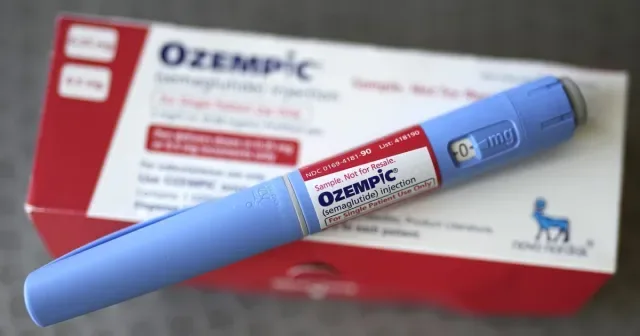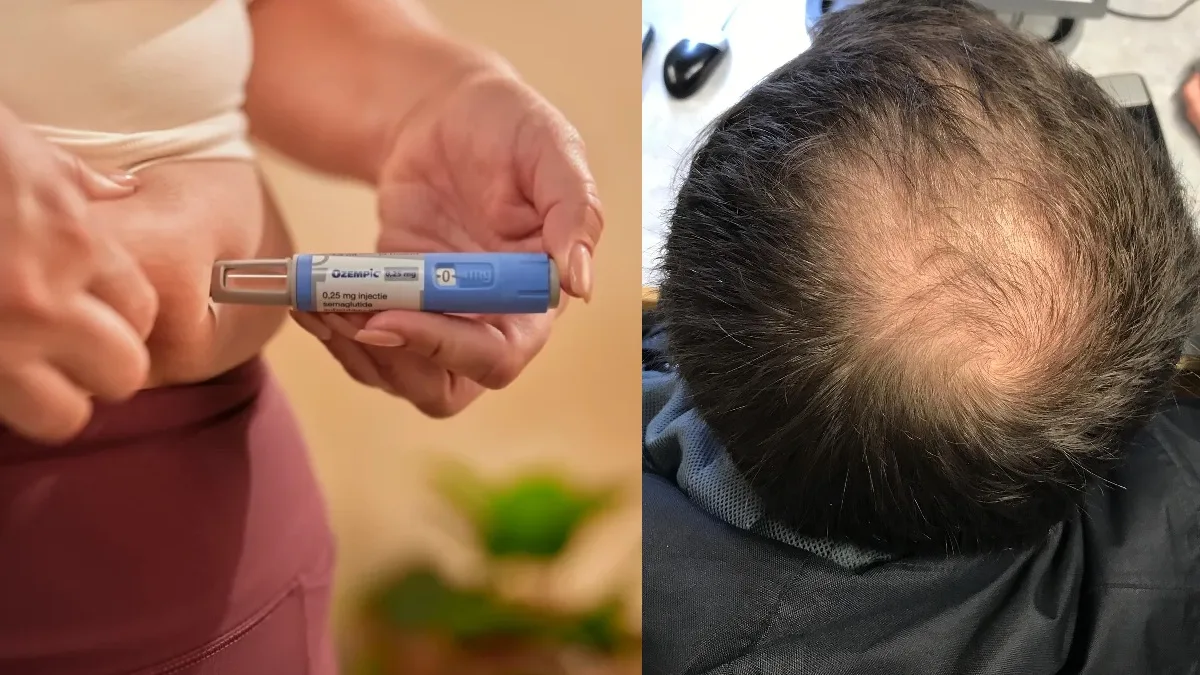

The global landscape of weight management has shifted dramatically with the introduction of powerful medications like Ozempic, Wegovy, and Mounjaro, which have provided significant assistance to individuals struggling with obesity and diabetes. While these treatments have enabled millions to achieve rapid and sustained weight loss, a concerning trend has emerged within dermatology clinics where patients report unexpected side effects affecting their appearance. Specifically, doctors are observing a marked increase in cases of significant hair shedding among users of these injectable therapies, prompting urgent warnings from skin specialists. Although the medications are highly effective for metabolic control, the physical toll of rapid weight reduction can trigger stress responses in the body that prioritize vital functions over hair maintenance. This phenomenon, widely discussed in medical communities, requires clear communication between patients and providers to ensure safety and manage expectations effectively.
What Exactly Is 'Ozempic Hair'?
Dermatologists have identified a condition popularly known as 'Ozempic Hair,' which describes significant temporary hair shedding observed in patients using GLP-1 receptor agonists for weight management. This phenomenon is not a direct toxic reaction to the medication itself, such as semaglutide or tirzepatide, but rather a physiological response to rapid metabolic changes and subsequent nutritional deficiencies that occur during aggressive weight reduction. Experts classify this specific type of alopecia as telogen effluvium, a stress-induced shedding process where hair follicles prematurely enter the resting phase. Clinical observations indicate that approximately forty percent of individuals visiting dermatology clinics after initiating these prescriptions report mild to significant hair loss, often noticing clumps falling out during washing or combing routines. Consequently, understanding the distinction between drug toxicity and metabolic shock is critical for patients managing their expectations and seeking appropriate medical support during their treatment journey.
This term serves as a colloquial label for a well-documented medical response to physiological stress rather than a unique disease entity created solely by the drug. Patients often find themselves distressed by the sudden change in hair volume, especially when they associate the medication primarily with positive body composition improvements. The timing of the shedding is distinct, usually appearing months after the initiation of therapy as the body adjusts to the new caloric deficit and hormonal balance. Recognizing the pattern allows clinicians to reassure patients that this outcome is generally manageable and reversible with proper care.
Why Does Rapid Weight Loss Trigger Excessive Shedding?
The primary driver behind this hair loss is the physical stress imposed on the body when weight drops too quickly, forcing a large number of hair follicles into a dormant state before they are ready. When an individual loses weight rapidly through medication or diet, the body prioritizes vital organ function over non-essential processes like hair growth, leading to a surge in shedding typically appearing three to four months after the initial drop begins. Reduced appetite associated with these treatments frequently results in insufficient intake of essential nutrients like protein, iron, zinc, and biotin, all of which are required for healthy keratin production and follicle strength. A recent study published in PubMed Central supports this link, suggesting that nearly seven out of ten users reported some degree of shedding in real-world settings compared to lower historical estimates. Therefore, the issue stems largely from the speed of weight loss and the resulting nutrient gaps rather than the chemical structure of the injection itself causing permanent damage.
Nutritional deficits act as compounding factors that weaken the hair shaft and disrupt the growth cycle further. Even with adequate supplementation, the sheer rate of metabolic turnover can outpace the body's ability to supply resources to the scalp. This is why gradual weight loss is consistently recommended over aggressive targets to mitigate these risks.
How Common Is Hair Loss Among GLP-1 Users?
Recent scientific evidence suggests that the prevalence of hair shedding among people taking glucagon-like peptide-1 medications may be significantly higher than previously understood in clinical trials. Earlier international estimates placed the figure between twenty-five and thirty-three percent, yet newer data indicates the actual experience is much more widespread across diverse patient populations. A 2025 study titled Prevalence and Predictors of Hair Shedding Among GLP-1 Receptor Agonist Users found that nearly seventy percent of users reported experiencing noticeable hair fall in daily life scenarios outside controlled environments. This discrepancy highlights that the condition is often under-recognized because many patients do not attribute their thinning to their medication until symptoms become severe. Doctors report patients finding excessive strands on pillows and bathroom floors, with many also observing widening parts and overall scalp thinning that causes emotional distress. Understanding these statistics helps patients prepare mentally and seek early intervention if shedding exceeds normal limits.
Precision tracking for your journey
Join thousands using Shotlee to accurately track GLP-1 medications and side effects.
📱 Get the Shotlee App
Track your GLP-1 medications, peptides, and health metrics on the go with our mobile app!
| Estimate Type | Percentage Reported | Context |
|---|---|---|
| Historical Clinical Trials | 25% to 33% | Controlled environment data |
| Real-World Study (2025) | Nearly 70% | Patient self-reporting |
The gap between trial data and real-world reporting underscores the importance of monitoring patients closely once they leave the clinic setting. Social media influence often accelerates the decision to start medication without fully appreciating the biological implications involved.
Risks Of Unsupervised Use And Self-Medication
One of the most significant concerns raised by medical professionals is the growing trend of obtaining these prescription injections without specialist consultation or proper medical evaluation. Many individuals begin taking them after watching social media content or following friend recommendations, viewing them as quick-fix cosmetic solutions rather than medicines meant for specific metabolic conditions. This lack of oversight often leads to unsupervised consumption where dosage is incorrect or nutritional consequences are ignored entirely, increasing the likelihood of adverse effects like severe malnutrition. Senior dermatologists warn that using these drugs casually or outside recommended doses in pursuit of faster results creates avoidable complications that could otherwise be managed with guidance. Without dietary counseling and regular monitoring, the risk of triggering telogen effluvium or other health issues rises sharply, making professional supervision a non-negotiable requirement for safe usage.
The absence of medical screening means underlying conditions that could affect hair health remain undiagnosed. Furthermore, purchasing medications from unverified sources increases the risk of counterfeit products, which pose additional dangers to overall health.
How Can You Prevent Hair Loss While On Weight Loss Medication?
Dermatologists advise that individuals considering any prescription weight loss medication should first undergo a comprehensive medical evaluation to establish a baseline for their nutritional status and overall health. Maintaining adequate daily protein intake is crucial, as is avoiding crash dieting habits that exacerbate metabolic shock and accelerate hair follicle dormancy during the treatment period. Correcting existing iron and vitamin deficiencies wherever necessary before starting therapy can significantly reduce the severity and duration of any potential shedding episodes that might develop later. Seeking early dermatological advice if excessive hair shedding develops allows for timely intervention with balanced nutrition and medically supervised adjustments to the weight management plan. Utilizing tools like Shotlee to track dietary intake alongside weight metrics ensures that nutritional gaps are identified before they manifest physically, helping patients maintain both their health goals and hair density throughout their journey.
- Protein Intake: Aim for 1.2 grams per kilogram of body weight daily to support tissue repair.
- Micronutrients: Supplement iron, zinc, and biotin if blood work indicates deficiency.
- Weight Pace: Prioritize steady loss of one to two pounds per week rather than rapid drops.
- Monitoring: Schedule regular follow-ups to assess hair density and scalp health.
Consistency in nutrition is often more important than the medication dosage itself when it comes to preserving hair integrity. Small adjustments in eating habits can yield significant protective benefits.
Conclusion
The emergence of 'Ozempic Hair' serves as a reminder that rapid physiological changes require careful management and professional oversight to ensure long-term health outcomes. While GLP-1 medications offer transformative benefits for those suffering from obesity and related metabolic disorders, the side effects cannot be ignored or dismissed lightly. By adhering to medical guidance, maintaining rigorous nutritional standards, and monitoring changes in the body, patients can navigate their weight loss journey with greater confidence and reduced anxiety. Ultimately, the goal is sustainable wellness that includes both physical health and aesthetic well-being, achieved through responsible use of available medical technologies.