
Understanding the Link Between GLP-1 Medications and Hair Shedding
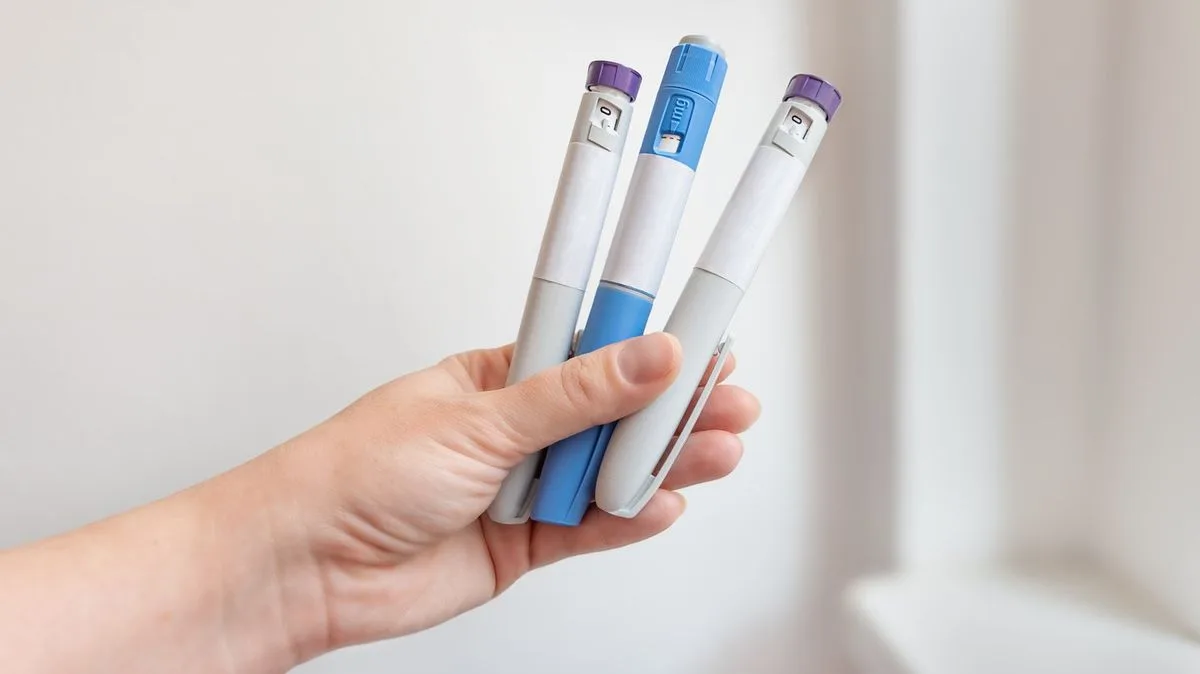
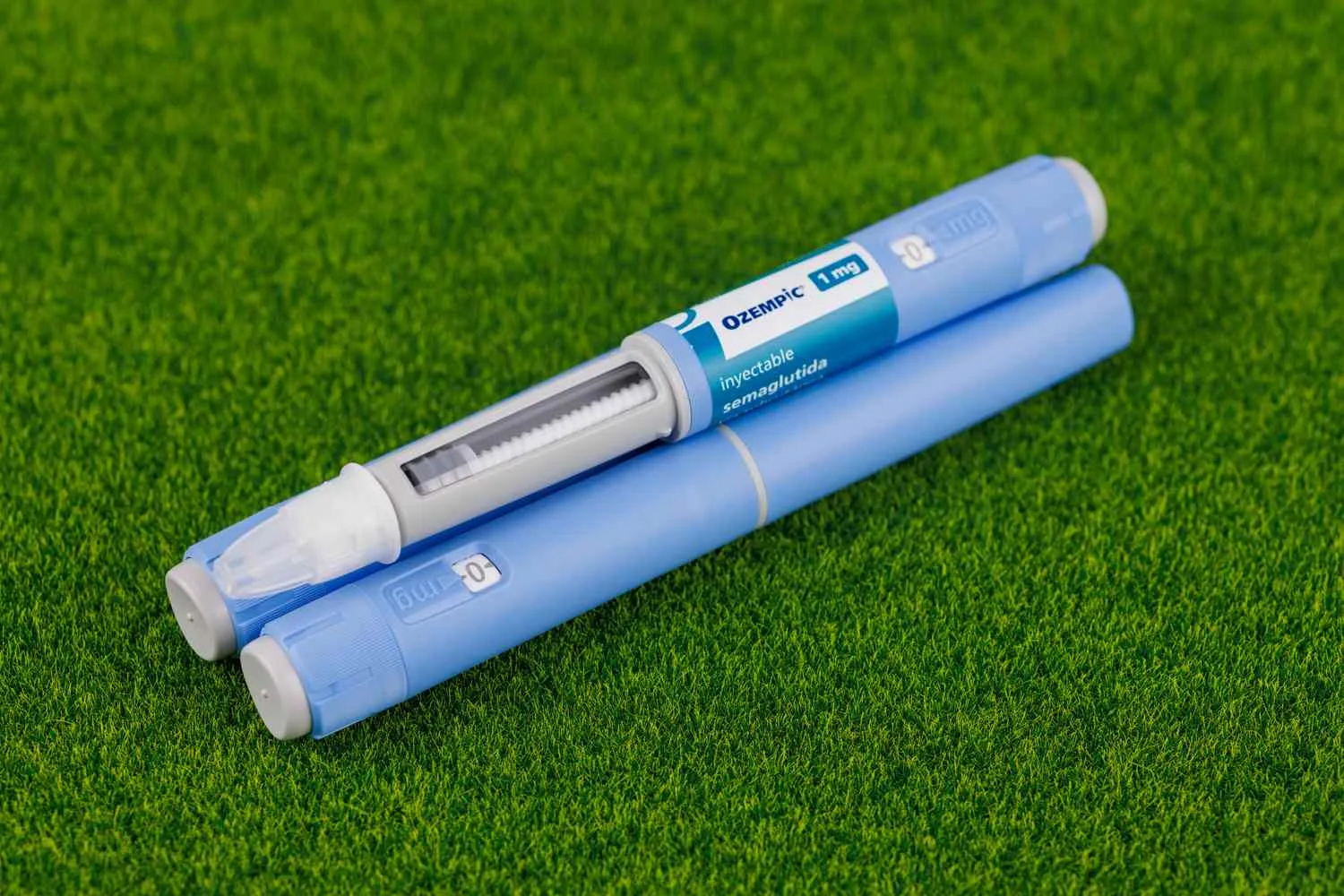
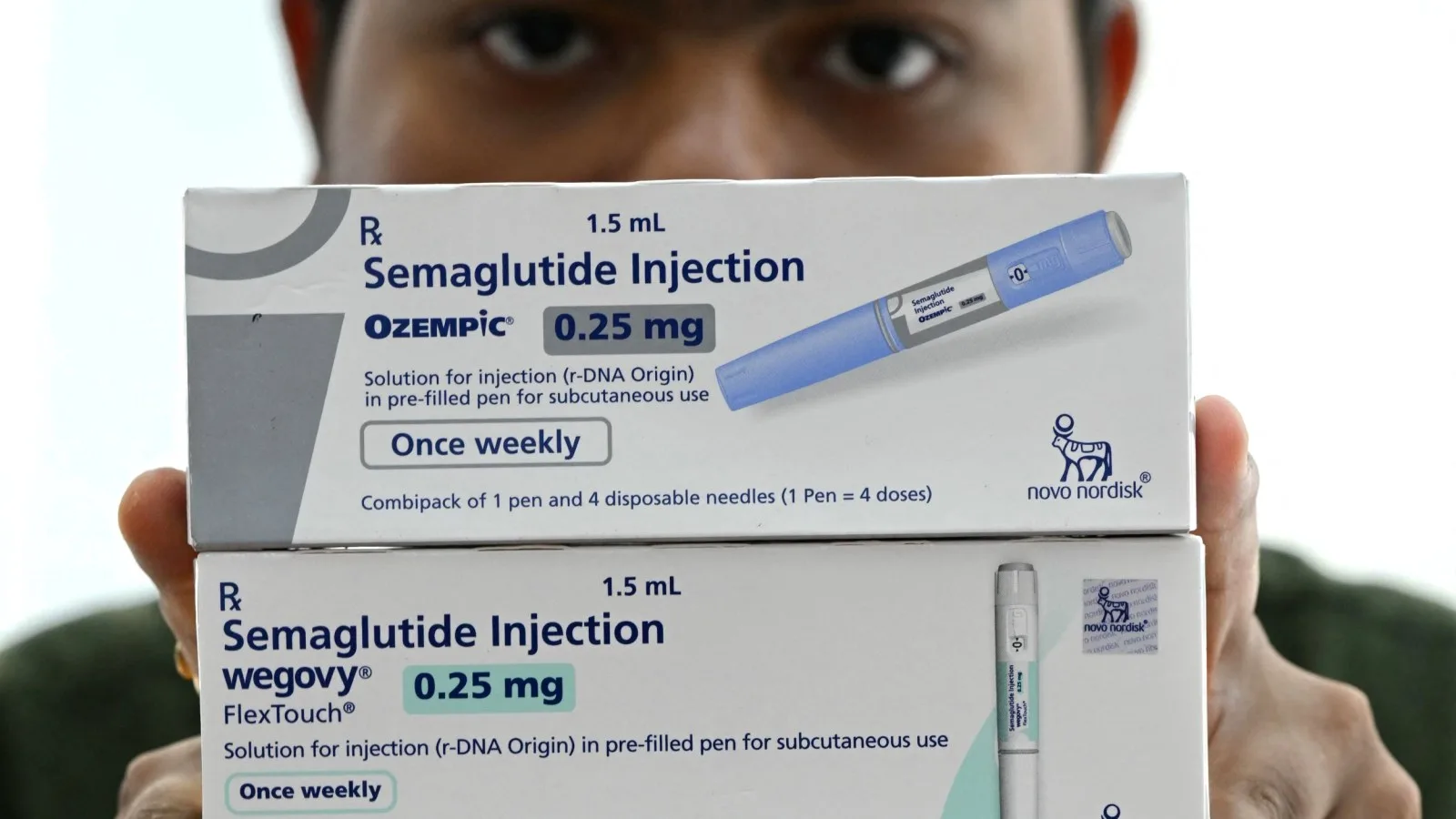
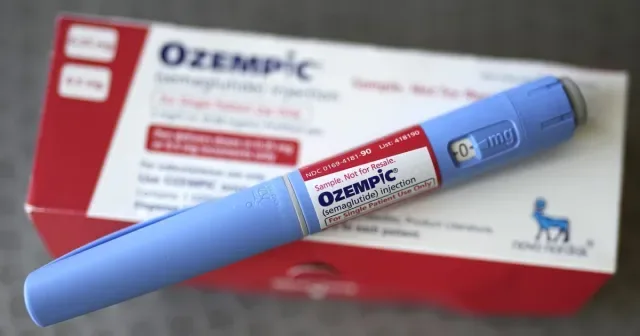
In recent years, the landscape of weight management has been transformed by the introduction of GLP-1 receptor agonists. Drugs like semaglutide and tirzepatide have become household names, marketed under brands such as Ozempic, Wegovy, Mounjaro, and Zepbound. While these medications offer profound metabolic benefits, they are not without side effects. A new study published in the medical journal Science Progress has shed light on a specific concern shared by many patients: hair loss.
The research indicates that GLP-1 medications may trigger temporary hair shedding in some individuals, particularly during periods of rapid weight reduction. For patients navigating their weight loss journey, understanding the nuances of this side effect is crucial for maintaining both physical health and peace of mind.
What the Study Found: Key Findings from Science Progress
The study, which contributed to the growing body of evidence regarding peptide therapy and dermatological outcomes, focused on the correlation between medication dosage, weight loss speed, and hair density. Dr. Paradi Mirmirani, a key contributor to the research, highlighted that hair loss was most strongly associated with the higher doses of GLP-1 drugs typically used for obesity treatment.
Conversely, the effect was found to be less common among patients taking lower doses for Type 2 diabetes management. This distinction is vital for patients to discuss with their healthcare providers. The study identified that semaglutide and tirzepatide showed the highest rates of association with increased hair shedding. However, the researchers emphasized that this phenomenon is generally temporary and manageable with proper intervention.
Why Does Rapid Weight Loss Affect Hair?
To understand why hair loss occurs, one must look at the biological stress placed on the body during significant metabolic changes. This condition is often referred to as telogen effluvium. When the body undergoes rapid weight loss, it enters a state of physiological stress. The body prioritizes vital organ function over non-essential processes like hair growth.
During telogen effluvium, a larger percentage of hair follicles than usual enter the resting phase (telogen) prematurely. A few months after the stressor begins, these hairs shed. In the context of GLP-1 therapy, the stressors are twofold: the direct pharmacological impact of the peptide and the caloric deficit required to achieve weight loss.
Risk Factors: Who Is Most Likely to Experience Hair Loss?
Not every patient taking these medications will experience hair thinning. The study identified specific demographic and behavioral risk factors that increase the likelihood of this side effect. Understanding these risks can help patients take proactive steps to mitigate them.
Dosage and Indication
Higher doses are linked to greater hair shedding. Patients using these medications for aggressive weight loss (obesity treatment) face a higher risk than those using them for glycemic control in Type 2 diabetes. The intensity of the metabolic shift correlates with the severity of the potential side effect.
Gender Differences
The study also found that women were more likely than men to experience diffuse hair thinning while using GLP-1 drugs. Researchers suggest this may be tied to greater overall weight loss percentages often seen in women during these trials, though biological differences in hair cycles may also play a role.
Speed of Weight Loss
Rapid weight reduction is a primary driver. The faster the scale moves, the more significant the stress on the body's nutrient reserves, which can exacerbate hair shedding.
Precision tracking for your journey
Join thousands using Shotlee to accurately track GLP-1 medications and side effects.
📱 Get the Shotlee App
Track your GLP-1 medications, peptides, and health metrics on the go with our mobile app!
Managing Risks: Nutrition and Lifestyle Strategies
While the link between GLP-1s and hair loss is real, the study offers a reassuring outlook: it is usually reversible. Dr. Mirmirani advised that with good counseling, steady weight loss, and attention to nutrition, most patients can continue therapy safely. Here are the primary strategies for managing this risk.
Nutritional Support is Essential
Avoiding severe calorie restriction is paramount. When on a GLP-1 medication, appetite suppression can lead to unintentional under-eating. Patients must ensure they are consuming a balanced diet that includes adequate levels of:
- Protein: Hair is primarily made of keratin, a protein. Insufficient protein intake signals the body to shut down non-essential growth.
- Iron: Iron deficiency is a leading cause of hair loss. GLP-1 users should monitor their ferritin levels.
- Vitamin B12: Essential for red blood cell formation and nerve health, B12 deficiency can lead to hair thinning.
Medical Interventions
For those experiencing active hair loss, over-the-counter topical minoxidil may support regrowth. However, this should be discussed with a physician to ensure it does not interact with other medications or underlying conditions. Maintaining a steady pace of weight loss rather than a crash diet can also reduce the severity of shedding.
Tracking Progress and Symptoms with Shotlee
Monitoring your health data during peptide therapy is essential for early detection of side effects and maintaining overall wellness. Tools like Shotlee can play a supportive role in this process by helping you track your progress holistically.
While Shotlee does not diagnose medical conditions, it allows users to log daily symptoms, dietary intake, and dosage adherence. By tracking your nutrition closely, you can ensure you are meeting your protein and micronutrient goals. If you notice increased hair shedding, logging this alongside your weight loss metrics can help your healthcare provider adjust your plan or recommend targeted supplements.
Consistent tracking helps identify patterns. For example, if hair shedding coincides with a specific drop in caloric intake or a spike in stress, you can address those root causes immediately rather than waiting for the issue to worsen.
Comparative Risk Overview
To help visualize the risk factors associated with different GLP-1 medications and usage patterns, the following table outlines the general risk profile based on current study data.
| Factor | Low Risk Profile | High Risk Profile |
|---|---|---|
| Medication Dose | Lower doses (Type 2 Diabetes) | Higher doses (Obesity Treatment) |
| Weight Loss Speed | Steady, gradual loss | Rapid reduction |
| Dietary Intake | Adequate protein and micronutrients | Severe calorie restriction |
| Gender | Men | Women (higher overall loss) |
| Duration | Short-term or managed | Prolonged rapid shedding |
Conclusion: A Manageable Side Effect
The discovery of a link between GLP-1 medications and hair shedding is an important update for the weight loss community. However, it should not be viewed as a deterrent to life-changing therapy. The consensus among experts is that this condition is temporary, reversible, and manageable.
By focusing on nutritional density, avoiding crash diets, and working closely with medical professionals, patients can minimize the risk of hair loss while reaping the substantial health benefits of medications like Ozempic, Wegovy, Mounjaro, and Zepbound. With the right support system and tracking tools, you can navigate your weight loss journey with confidence and safety.
Practical Takeaways
- Don't Panic: Hair loss from GLP-1s is typically telogen effluvium and is reversible.
- Eat Enough: Prioritize protein and avoid severe calorie deficits.
- Track Nutrients: Use health tracking tools to monitor iron and vitamin intake.
- Communicate: Report hair shedding to your doctor to adjust dosing if necessary.
- Be Patient: Hair growth cycles are slow; improvements may take months to appear.