The Critical Health Risks Associated with Unregulated Peptides
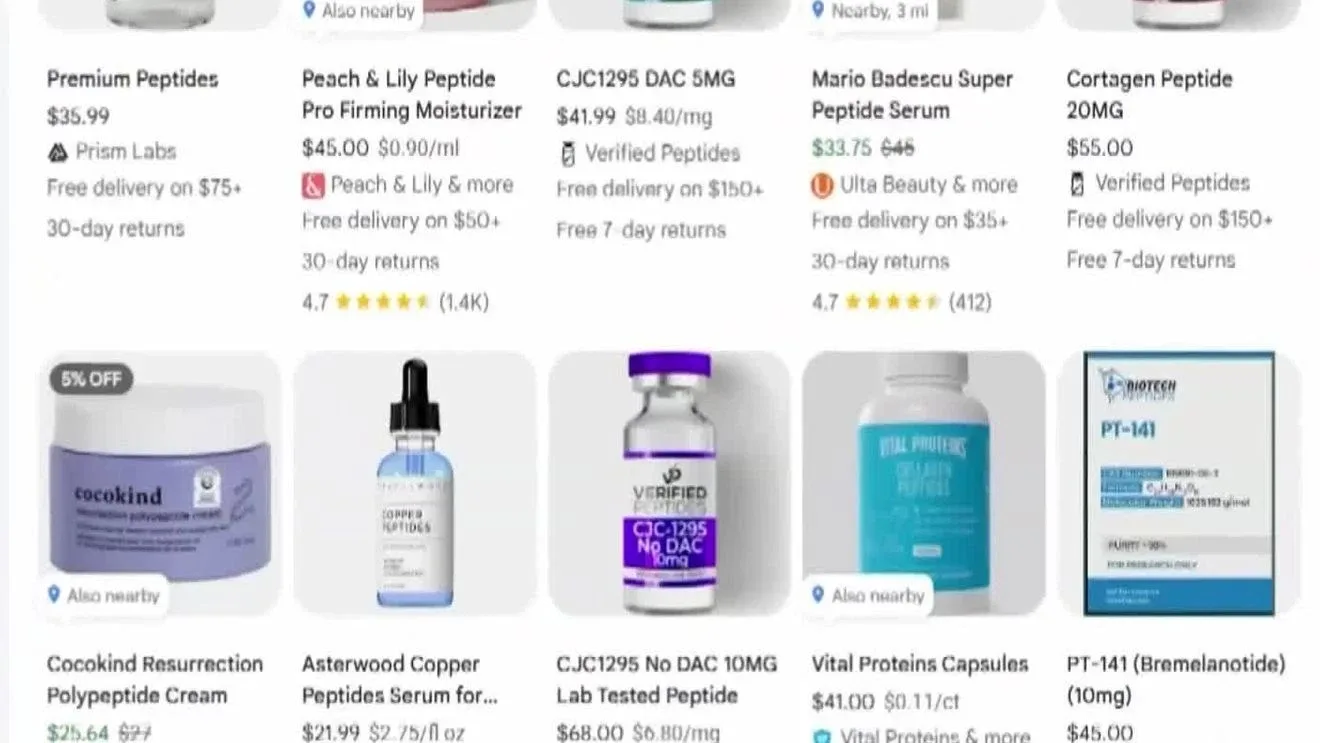
Unregulated peptides pose severe health risks because they bypass essential safety protocols required for pharmaceutical approval. These substances often contain unknown concentrations of active ingredients like semaglutide or tirzepatide, which can lead to unpredictable physiological responses within the human body. The U.S. Food and Drug Administration has logged hundreds of adverse event reports tied to these products, highlighting potential dangers such as heart issues, vision loss, and significant hormonal imbalances. Without standardized manufacturing controls, consumers cannot verify purity or sterility before injection. Consequently, individuals may experience severe complications that would typically be monitored by a licensed healthcare provider during clinical trials. This lack of oversight creates a volatile environment where dosage errors become common, increasing the likelihood of toxicity or organ stress compared to FDA-approved alternatives available through legitimate channels.
Fitness expert Jillian Michaels emphasized that sourcing these drugs from foreign markets or online forums removes the safety net provided by regulated supply chains. When patients self-dose based on advice from social media rather than medical guidance, they ignore critical contraindications. For example, individuals with a personal or family history of medullary thyroid carcinoma should strictly avoid GLP-1 agonists unless cleared by an oncologist. Ignoring these warnings puts users at risk of developing life-threatening conditions that could have been prevented through proper screening.
What Is the FDA Doing to Crack Down on Compounded GLP-1s?
The federal government has actively intervened to stop illegal sales and dangerous marketing tactics surrounding GLP-1 compounds and related weight loss therapies. In March, the U.S. Food and Drug Administration announced it had issued thirty warning letters to telehealth companies for making false or misleading claims about compounded GLP-1 products. This regulatory move aims to curb the proliferation of pharmacies that circumvent approval processes to sell cheaper versions of drugs like Ozempic or Wegovy. Commissioner Marty Makary stated that while compounded drugs can address shortages, they should never be used to bypass FDA review for safety and effectiveness. The agency maintains that unapproved versions do not undergo the rigorous testing necessary to prove quality before they are marketed to the public.
In June, the FDA issued further warnings regarding unapproved GLP-1 drugs, noting that it had logged hundreds of adverse event reports potentially tied to the products. The agency specifically called out vendors falsely labeling chemicals as "for research purposes only" to evade legal scrutiny. This crackdown reflects a broader effort to protect consumers from substandard medications that may contain incorrect dosages or harmful contaminants. By targeting telehealth platforms, regulators hope to reduce the ease with which vulnerable individuals access dangerous substances without medical oversight.
How Does Pop Culture Influence Dangerous Weight Loss Behaviors?
Pop culture drives the surge in illegal sales largely by inspiring people to lose vanity pounds quickly after seeing extreme body transformations in entertainment media. Michaels argued that many women and men in major cities want to go from a size eight to a size two for their summer vacation, leading them directly to the gray market. She pointed to the phenomenon of famous celebrities whose faces appear gaunt or aged in headlines, noting real serious ramifications for this trend. The pressure to achieve rapid physical changes often overrides health considerations, causing users to take drugs when they do not medically need them. This cultural shift normalizes the use of potent prescription medication for cosmetic reasons rather than treating obesity-related chronic health conditions.
The visual impact of rapid weight loss is particularly concerning, with surgeons reporting links between weight loss drugs and cosmetic complaints such as "Ozempic ears." While the drugs themselves are effective for metabolic health, using them without indication disrupts natural fat distribution patterns. Users often chase aesthetic goals that require unsustainable levels of weight reduction, putting strain on facial muscles and skin elasticity. This pursuit of perfection fueled by social media trends creates a feedback loop where more people feel compelled to seek shortcuts, ignoring the biological cost of artificial hormone manipulation.
Precision tracking for your journey
Join thousands using Shotlee to accurately track GLP-1 medications and side effects.
📱 Get the Shotlee App
Track your GLP-1 medications, peptides, and health metrics on the go with our mobile app!
What Are the Long-Term Consequences of Stopping Unapproved Drugs?
When users stop taking unregulated weight loss compounds, they often experience an aggressive rebound in hunger due to disrupted hormonal regulation. Michaels explained that impacting the body's ability to make these hormones naturally leads to a cycle of yo-yo dieting that users no longer know how to stop. This biochemical disruption means appetite suppression mechanisms revert to baseline or overshoot, creating intense cravings that were not present before treatment began. The result is often a regain of lost weight combined with increased psychological distress regarding food choices. Because the underlying metabolic pathways were artificially altered, returning to a normal eating pattern becomes significantly more difficult without professional behavioral support.
This rebound effect underscores why discontinuation should always be managed gradually under medical supervision. Abruptly stopping medication can shock the endocrine system, leading to nausea, fatigue, and emotional instability alongside the return of hunger signals. Patients who rely on gray market sources may lack access to tapering schedules or follow-up care, exacerbating the severity of withdrawal symptoms. Over time, this cycle damages the relationship between the individual and their metabolism, making future healthy weight management efforts more challenging. Sustainable lifestyle changes are far safer than relying on chemical interventions that alter fundamental biological functions without long-term data.
When Is It Safe to Use Prescription Medications Like Ozempic or Wegovy?
Prescription medications like Ozempic or Wegovy are appropriate only under medical supervision for individuals with severe obesity or chronic health conditions requiring intervention. While the surge in illegal sales is driven by convenience, safe usage requires a comprehensive evaluation of a patient's BMI, comorbidities, and cardiovascular history. Doctors assess whether the benefits outweigh the risks, considering potential side effects like suicidal ideation, pancreatitis, or gallbladder disease. Using these agents for minor weight loss carries risks that users frequently overlook, prioritizing short-term aesthetics over long-term physiological stability. A healthcare provider ensures that the correct dosage is administered and that any adverse events are caught early in the treatment timeline.
To maintain safety during therapy, tools like Shotlee can be valuable for tracking progress, symptoms, and doses consistently. Logging daily observations helps clinicians identify patterns that indicate the drug is working or causing harm, allowing for timely adjustments to the regimen. Patients should never share prescriptions or purchase medications from third-party vendors claiming to offer discounts. Legitimate access involves a partnership with a licensed prescriber who monitors blood work and vital signs throughout the course of treatment. This structured approach minimizes danger and maximizes the therapeutic potential of proven treatments.
| Feature | FDA-Approved Medications | Gray Market / Unregulated Peptides |
|---|---|---|
| Safety Testing | Rigorous clinical trials conducted | No safety or efficacy verification |
| Dosage Accuracy | Standardized and verified concentration | Unknown or inconsistent potency |
| Regulatory Oversight | Monitored by FDA and state boards | Unregulated and anonymous sources |
| Side Effect Monitoring | Managed by healthcare professionals | Self-reported or ignored |
| Supply Chain | Pharmaceutical grade manufacturing | Potentially contaminated or expired |
Practical Takeaways for Safer Weight Loss Decisions
- Avoid Online Purchases: Never buy GLP-1 injections from websites that do not require a valid prescription from a licensed physician.
- Monitor Symptoms: Track physical changes and side effects using a dedicated health app like Shotlee to share with your doctor.
- Understand Indications: Recognize that these medications are designed for metabolic health, not solely for cosmetic body contouring.
- Plan for Discontinuation: Discuss a tapering strategy with your provider to prevent rebound hunger and metabolic shock.
- Verify Sources: Ensure any compounded medications come from pharmacies accredited by the National Association of Boards of Pharmacy.
Conclusion
The conversation around weight loss medication requires a balance between accessibility and safety. Jillian Michaels and the FDA agree that the current trend of self-dosing illegal gray market drugs poses unacceptable risks to public health. While the desire for rapid transformation is understandable, the biological consequences of unregulated hormone manipulation are severe and often permanent. Consumers must prioritize their long-term well-being over quick fixes, seeking guidance from qualified medical professionals who can provide legitimate access to treatments like Ozempic, Wegovy, or Mounjaro. By respecting the complexity of human physiology and adhering to established medical protocols, individuals can pursue health goals without compromising their safety or future vitality.