
How Did Rosie O'Donnell Lose Weight with Mounjaro?
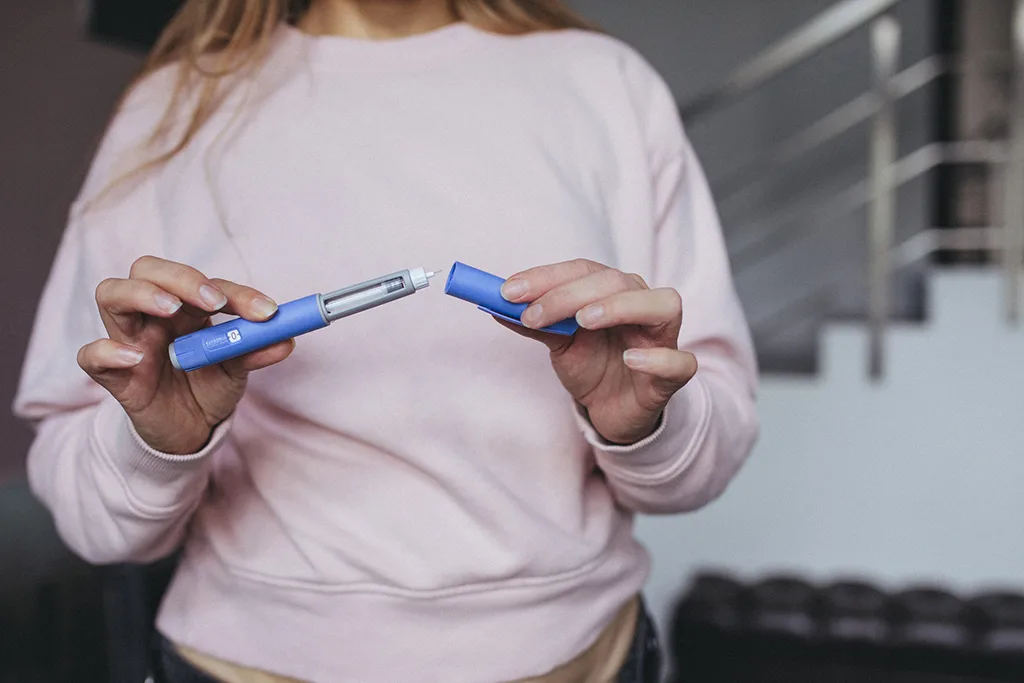
Rosie O'Donnell achieved a significant transformation by losing nearly 30 kilograms over a three-year period using the prescription medication Mounjaro. This dramatic weight reduction occurred shortly after she received a Type 2 diabetes diagnosis, prompting her to seek medical intervention for both her metabolic health and her long-standing weight struggles. The medication, which contains the active ingredient tirzepatide, works by mimicking hormones that regulate blood sugar and appetite, effectively reducing the intense cravings often described as food noise. Unlike many diet plans that rely solely on willpower, this approach addresses the physiological drivers behind overeating, allowing patients like O'Donnell to manage their weight more sustainably. She noted that the treatment quieted the constant internal dialogue about food, enabling her to focus on her health without the previous burden of shame or humiliation associated with her body size throughout her decades in the entertainment industry.
Other celebrities like Jeremy Clarkson and Sharon Osbourne have also reported success with similar medications. Tracking progress is vital, and tools like Shotlee can help patients monitor their dosage and physical changes over time.
What Is Food Noise and How Does Mounjaro Quiet It?
Food noise refers to the persistent, intrusive thoughts about eating that dominate the mind of individuals struggling with obesity or metabolic disorders, often preventing successful weight management. For Rosie O'Donnell, this mental burden was a primary driver of her insecurity, causing her to worry about her appearance on camera rather than her performance. Mounjaro helps quiet this noise by binding to both GLP-1 and GIP receptors in the brain, which signals satiety more effectively than natural hormones alone. This dual-agonist mechanism distinguishes the drug from older single-receptor medications, offering a more potent suppression of hunger signals. Clinical data suggests that patients report a significant reduction in the frequency and intensity of these cravings, allowing them to make healthier choices without constant mental resistance. O'Donnell described this effect as life-changing, noting that she finally felt free from the overwhelming urge to eat that had plagued her for her entire life.
Patients should consult a doctor before starting therapy to manage expectations regarding side effects.
Why Did Rosie O'Donnell Need a Facelift After Weight Loss?
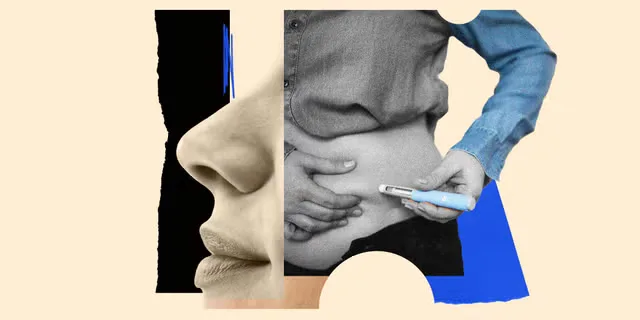
Rapid weight loss often leads to loose skin because the body's connective tissue cannot shrink fast enough to match the reduction in fat volume, a condition Rosie O'Donnell experienced firsthand. After shedding nearly 30 kilograms, she developed excess skin around her chin and neck, which she felt made her look sad and aged despite her improved health. To address this, she underwent a deep plane lower facelift, a surgical procedure that costs approximately $90,000 and involves significant downtime to ensure the skin tightens properly. While she initially hesitated due to feminist concerns about the male gaze, she ultimately decided that having control over her own body was the true expression of empowerment. This decision highlights a common trade-off in modern weight loss journeys where patients must weigh the physical benefits of medication against the potential need for cosmetic surgery to restore skin elasticity after significant fat reduction.
Skin elasticity varies by age and genetics, meaning some patients may not require surgery.
Precision tracking for your journey
Join thousands using Shotlee to accurately track GLP-1 medications and side effects.
📱 Get the Shotlee App
Track your GLP-1 medications, peptides, and health metrics on the go with our mobile app!
What Are the Psychological Benefits of Managing Weight with Medication?
The psychological impact of weight loss medication extends far beyond physical changes, often reshaping how patients view their self-worth and personal agency in society. O'Donnell revealed that her weight struggles were fueled by early career criticism, including a specific comment from a director asking her to lose twenty pounds, which instilled deep shame. By successfully managing her weight with Mounjaro, she reclaimed a sense of power and health that she felt was missing for decades. She emphasized that the real power of feminism lies in the autonomy to decide what we do with our bodies, regardless of external judgment or societal expectations. This shift in mindset is crucial for long-term success, as it moves the focus from appearance-based validation to health-based empowerment, allowing individuals to feel more confident in their physicality and professional lives without the distraction of constant body image anxiety.
Mental health support is often recommended alongside medication to ensure a holistic recovery.
How Does Mounjaro Compare to Other GLP-1 Agonists Like Ozempic?
Mounjaro differs from other popular GLP-1 medications like Ozempic or Wegovy because it acts as a dual agonist on both GIP and GLP-1 receptors rather than targeting just one. Tirzepatide, the active ingredient in Mounjaro, has shown superior results in clinical trials for weight loss compared to semaglutide, the ingredient in Wegovy. While both classes of drugs reduce appetite and improve blood sugar control, the dual mechanism allows for potentially greater efficacy in managing obesity and Type 2 diabetes simultaneously. Patients often choose between these options based on their specific medical history, cost, and insurance coverage, as the dosage titration schedules can vary significantly between the two medications. This distinction is important for healthcare providers when tailoring treatment plans to ensure the best possible outcome for individual patients seeking metabolic improvement and sustainable weight management through prescription therapy.
| Feature | Mounjaro (Tirzepatide) | Ozempic/Wegovy (Semaglutide) |
|---|---|---|
| Active Ingredient | Tirzepatide | Semaglutide |
| Receptor Target | GLP-1 and GIP | GLP-1 Only |
| Dosing Frequency | Once Weekly | Once Weekly |
| Primary Use | Type 2 Diabetes & Obesity | Type 2 Diabetes & Obesity |
Insurance coverage varies widely, so checking benefits is a necessary step before beginning treatment.
Practical Takeaways for Patients
- Track Your Progress: Use health tracking apps to monitor weight trends and symptoms alongside your medication dosage.
- Manage Expectations: Rapid weight loss may result in excess skin requiring surgical intervention.
- Focus on Mental Health: Address the psychological aspects of body image to ensure long-term wellness.
- Consult Providers: Discuss the differences between tirzepatide and semaglutide with your doctor for the best fit.
Conclusion
Rosie O'Donnell's public disclosure of her weight loss journey highlights the profound impact prescription medications like Mounjaro can have on both physical and mental health. By addressing the physiological and psychological barriers to weight management, these treatments offer a viable path for many individuals struggling with obesity and metabolic disease. While the journey includes challenges like skin laxity and financial costs, the empowerment gained through health improvement remains a powerful motivator. Patients considering similar therapies should prioritize medical guidance and holistic tracking to ensure safe and effective outcomes.
Frequently Asked Questions
- How long did it take Rosie O'Donnell to lose 30kg?
She achieved this weight loss over a period of three years following her Type 2 diabetes diagnosis. - What is the cost of the facelift Rosie O'Donnell had?
She revealed that the deep plane lower facelift cost approximately $90,000 to address the excess skin. - Does Mounjaro work for people without diabetes?
Yes, Mounjaro is approved for chronic weight management in adults with obesity, regardless of diabetes status. - What is the main difference between Mounjaro and Ozempic?
Mounjaro targets both GLP-1 and GIP receptors, whereas Ozempic targets only the GLP-1 receptor. - Can I track my Mounjaro progress at home?
Yes, tools like Shotlee allow patients to log dosage, weight, and symptoms for better health monitoring.