
(Image Credits: Instagram/ jessicasimpson; heute.at)
Jessica Simpson has mesmerized audiences for decades with her singing talent and evolving looks. Rising to stardom at age 19 with her hit "I Wanna Love You Forever," the now 45-year-old singer and fashion icon has been in the public eye through career highs, pregnancies, and personal transformations. Recently, her noticeably slimmer facial features have ignited online debates about 'Ozempic face,' a term linked to side effects from GLP-1 weight-loss medications like Ozempic. But Simpson has firmly denied using the drug, attributing her changes to sustainable lifestyle shifts.
What Is 'Ozempic Face' and Why Does It Happen?
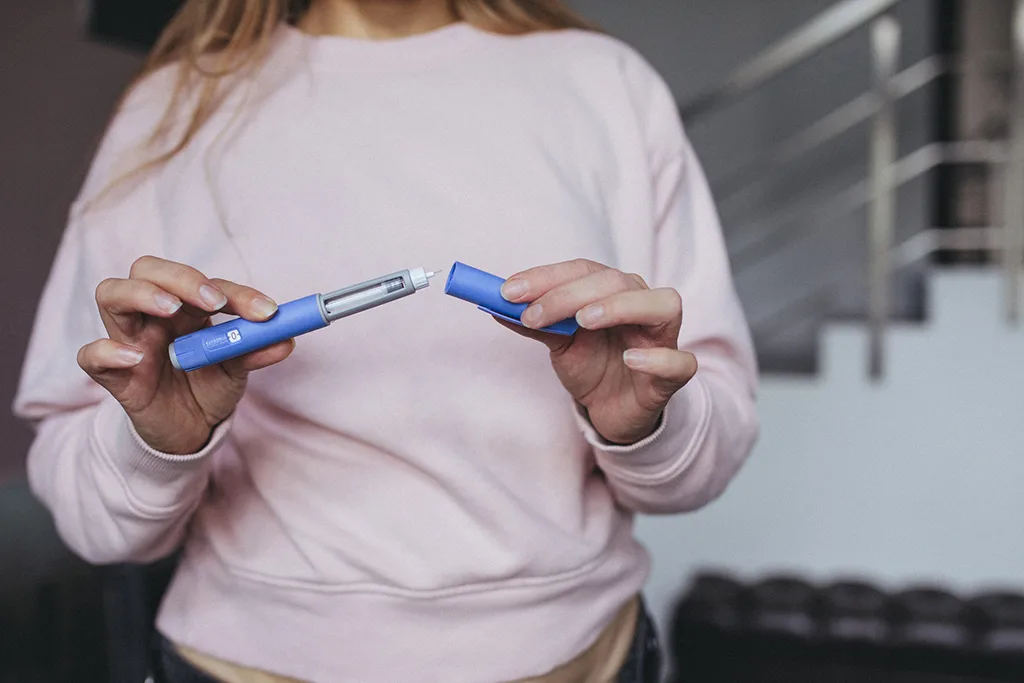
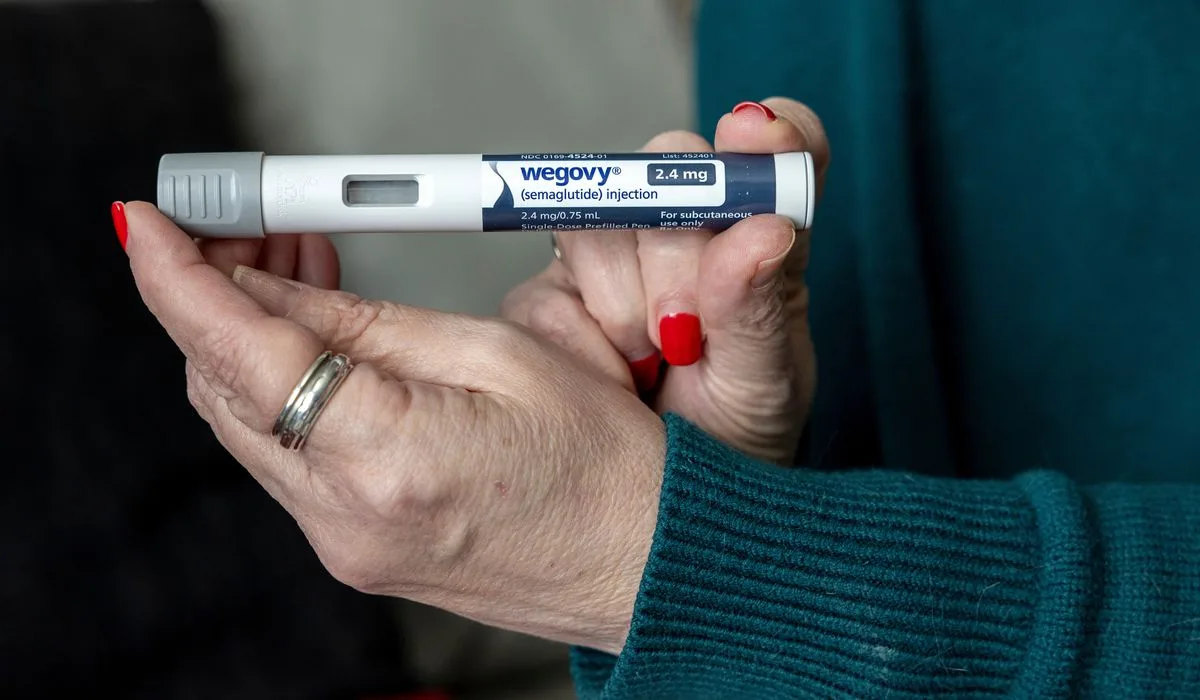
The term 'Ozempic face' refers to facial changes observed in some users of semaglutide-based drugs like Ozempic (semaglutide), primarily used for type 2 diabetes management but popular off-label for weight loss. Common signs include sagging skin, protruding cheeks, and sunken eyes. These occur due to rapid fat loss, which depletes subcutaneous fat that provides facial volume and elasticity. Without time for skin to adapt, collagen and elastin structures weaken, leading to a gaunt, aged appearance.
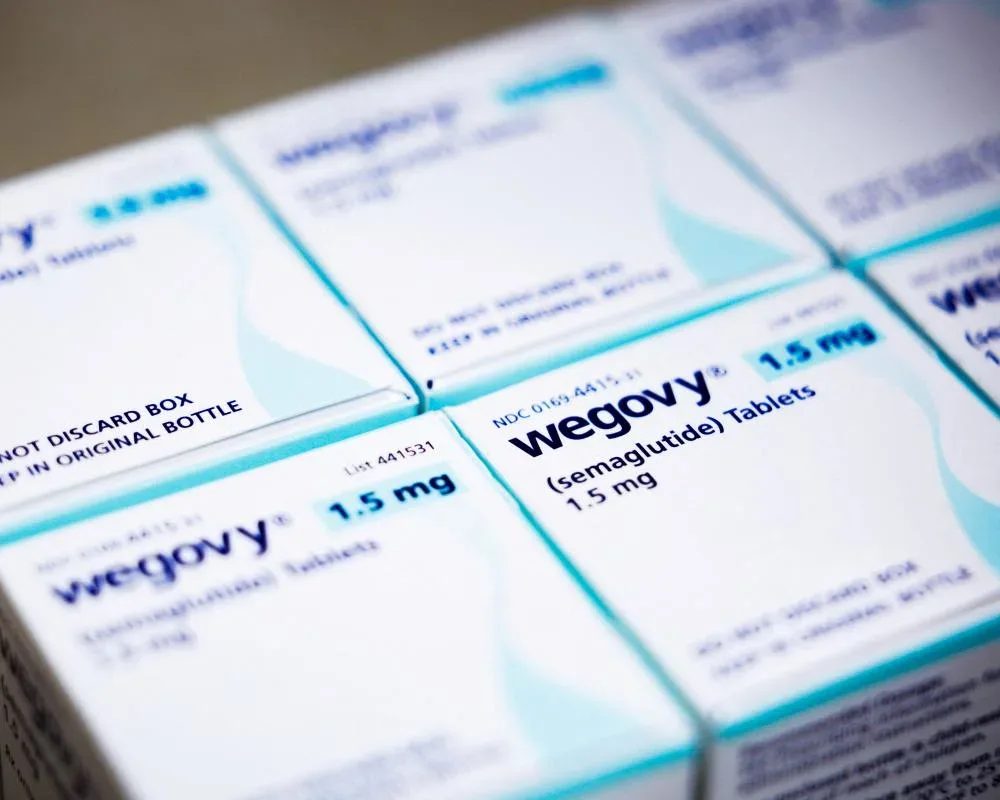
Clinically, Ozempic mimics GLP-1 (glucagon-like peptide-1), a hormone that regulates blood sugar, slows gastric emptying, and reduces appetite. This mechanism promotes significant weight loss—often 15-20% of body weight—but the speed can outpace skin retraction, especially in the face where fat pads are prominent. Dermatologists note this is not unique to Ozempic; similar effects appear with any rapid weight loss method, including bariatric surgery or extreme dieting.
Comparing Ozempic to Other GLP-1 Drugs Like Mounjaro
Entertainment industry figures often turn to GLP-1 agonists like Ozempic or Mounjaro (tirzepatide, which targets both GLP-1 and GIP receptors) for quick results. Mounjaro may amplify weight loss further due to its dual action, potentially heightening facial changes. While effective, these drugs aren't magic bullets; long-term use requires monitoring for side effects beyond aesthetics, such as gastrointestinal issues or muscle loss.
Fans Spot Changes in Jessica Simpson's Face
Netizens first noticed shifts in Simpson's facial structure by comparing recent photos to earlier ones. A screenshot from a 2022 video highlighted sunken eyes and cheeks with loose skin, fueling speculation. On Reddit, users commented swiftly: One wrote,
"I was wondering if she was going to fix the sunken eyes, like a poster child for ozempic face, she looks good now!"
This mirrors broader celebrity trends where stars are suspected—or admit to—using these medications. Simpson's case stands out because of her public denial, shifting focus from drug reliance to personal empowerment.
Precision tracking for your journey
Join thousands using Shotlee to accurately track GLP-1 medications and side effects.
📱 Get the Shotlee App
Track your GLP-1 medications, peptides, and health metrics on the go with our mobile app!
Jessica Simpson Denies Ozempic: Her Real Weight Loss Story
In a 2023 Bustle interview, Simpson shut down rumors: "Oh Lord. I mean, it is not [Ozempic]. It's willpower," she said. She credited sobriety as a key factor, noting she was heavier during drinking phases or pregnancies. With three kids, Simpson gained substantial weight each time and initially doubted she'd shed it.
Ultimately, she lost 100 pounds with professional guidance from a nutritionist, emphasizing proper eating. In a 2022 People interview, she shared:
"I feel younger, actually. I have a lot more energy. A woman's body is phenomenal in what it can do."Simpson expressed appreciation for her body's resilience through pregnancies and recovery, now proudly slimmer after weight fluctuations.
The Role of Sobriety and Nutrition in Sustainable Change
Simpson's journey underscores slower, holistic weight loss. Sobriety improved her metabolism and emotional eating patterns, while nutritionist-led plans focused on balanced calories, protein-rich foods, and strength training to preserve muscle and skin health. This contrasts with Ozempic's rapid effects, reducing risks like facial sagging.
Safety Considerations for Ozempic and Rapid Weight Loss
While Ozempic offers benefits for metabolic health, 'Ozempic face' highlights downsides of accelerated fat loss. Other side effects include nausea, fatigue, and potential nutrient deficiencies. Patients should discuss with doctors: Is GLP-1 therapy suitable? How to mitigate aesthetic changes via fillers, skincare, or gradual dosing?
For tracking symptoms or side effects during any weight loss regimen, apps like Shotlee can help log facial changes, energy levels, or GI issues alongside medication schedules.
Who Should Consider Ozempic? Patient Guidance
- Ideal candidates: Those with obesity, type 2 diabetes, or cardiovascular risks under medical supervision.
- Alternatives: Lifestyle changes like Simpson's, or other therapies (e.g., metformin, surgery).
- Tips to avoid 'Ozempic face': Hydrate, use retinoids/moisturizers, incorporate resistance training, lose weight gradually (1-2 lbs/week).
Key Takeaways: What Jessica Simpson's Story Means for You
- Jessica Simpson denies Ozempic, crediting willpower, sobriety, nutritionist support, and post-pregnancy recovery for her 100-pound loss.
- 'Ozempic face'—sagging skin, sunken eyes, protruding cheeks—stems from rapid fat loss via GLP-1 drugs like Ozempic or Mounjaro.
- Fans' Reddit reactions highlight public scrutiny of celebrity changes.
- Prioritize sustainable methods to maintain skin health and energy, as Simpson reports feeling younger with more energy.
Conclusion: Balancing Speculation with Real Health Insights
Jessica Simpson's transformation reminds us that visible changes spark curiosity, but true health comes from within. While Ozempic face debates rage, her story promotes doctor-guided, patient-centered approaches. Consult a healthcare provider to tailor weight loss—whether via GLP-1 meds or lifestyle—to your needs, preserving both aesthetics and well-being. For related topics like GLP-1 mechanisms or metabolic health, explore our guides on peptide therapy and sustainable slimming.