Kelly Osbourne's Ozempic face transformation has captured widespread attention, with photos from her recent appearances raising serious alarms among fans and online communities. Despite her public insistence that she did not use Ozempic or any similar medication, the reality star's rapid weight loss—totaling 85 pounds—has led to speculation about the telltale signs of GLP-1 drugs like semaglutide.
Kelly Osbourne's Weight Loss Journey: From Gestational Diabetes to Dramatic Change
Back in 2024, Kelly Osbourne opened up to Extra about the catalyst for her transformation. Shortly after giving birth to her son, Sidney, in January 2023, she was diagnosed with gestational diabetes. This health scare prompted her to make significant lifestyle changes. "I cut out sugar and carbohydrates and I rapidly lost weight," she explained. She emphasized, "I did not take Ozempic. I don't know where that came from."
Instead, Kelly noted that it was her mother, Sharon Osbourne, who had used Ozempic for her own weight management. Kelly's approach relied on dietary restrictions alone, leading to an impressive 85-pound loss. However, the speed and extent of her weight reduction have fueled ongoing rumors, especially as her appearance continued to evolve.
Understanding Rapid Weight Loss and Facial Changes
Rapid weight loss, whether from diet, exercise, or medications like GLP-1 agonists (e.g., Ozempic, containing semaglutide), can result in significant facial volume loss. This phenomenon, dubbed "Ozempic face," involves sagging skin, hollow cheeks, and a gaunt look due to the preferential loss of subcutaneous fat in the face. While Kelly attributes her changes to carb and sugar elimination, the visual effects mirror those commonly associated with semaglutide's appetite-suppressing mechanism, which slows gastric emptying and promotes sustained weight reduction.
Clinically, GLP-1 receptor agonists like Ozempic work by mimicking the glucagon-like peptide-1 hormone, reducing hunger signals to the brain and improving insulin sensitivity. This can lead to 10-20% body weight loss in many users, but the facial fat depletion occurs because facial adipose tissue is metabolically active and diminishes quickly during caloric deficits.
The 2026 Grammy Awards Appearance: A Turning Point in Public Concern
In early 2026, Kelly Osbourne shocked viewers at the Grammy Awards, appearing even thinner than before. Clad in a polka dot dress and a giant wig that swallowed her face, she displayed classic signs of so-called "Ozempic face." Social media erupted with reactions, capturing the widespread alarm.
"Wait the lady in the big wig was Kelly Osbourne?!" someone exclaimed on X, adding, "Jesus put the ozempic down."
Before the Grammys, fans had already voiced concerns about her thinning frame. On Reddit, one user noted, "She was already getting pretty scary thin before her father died but she's absolutely skeletal now. ... I hope she's able to accept and receive treatment." Others speculated that grief following Ozzy Osbourne's death, combined with possible undisclosed Ozempic use, contributed to her appetite loss: "Now she's got both Ozempic appetite and grief appetite combined and is probably barely eating at all," one Reddit commenter wrote.
What Is 'Ozempic Face'? Medical Insights on a Common Rapid Weight Loss Side Effect
"Ozempic face" isn't a formal medical diagnosis but a colloquial term for the aesthetic changes from accelerated fat loss. It arises because the face loses volume faster than other areas, leading to:
- Loss of buccal fat pads, creating hollowed cheeks
- Prominent wrinkles and jowls from skin laxity
- Aged appearance due to reduced collagen support
Studies on GLP-1 medications, such as those published in journals like Obesity, highlight that up to 20-30% of rapid weight loss patients experience noticeable facial aging. While Kelly denies Ozempic use, her story underscores that any swift weight reduction—via diet or drugs—can produce similar outcomes without interventions like strength training or skincare.
Precision tracking for your journey
Join thousands using Shotlee to accurately track GLP-1 medications and side effects.
📱 Get the Shotlee App
Track your GLP-1 medications, peptides, and health metrics on the go with our mobile app!
How GLP-1 Drugs Like Ozempic Contribute to Facial Changes
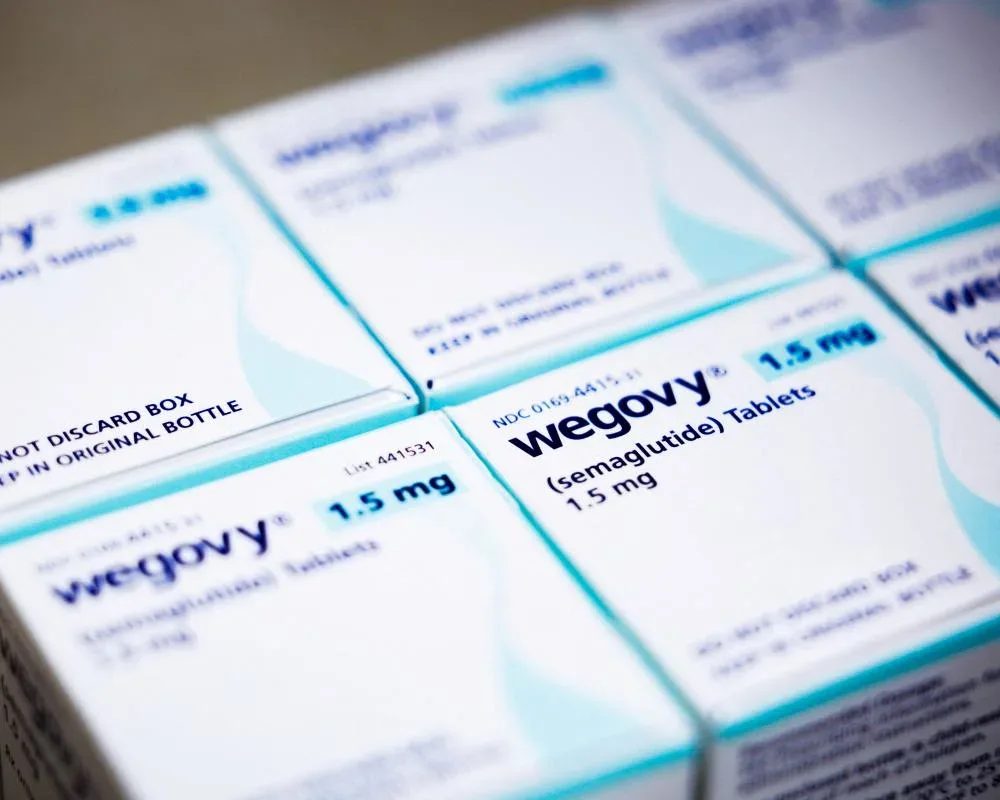
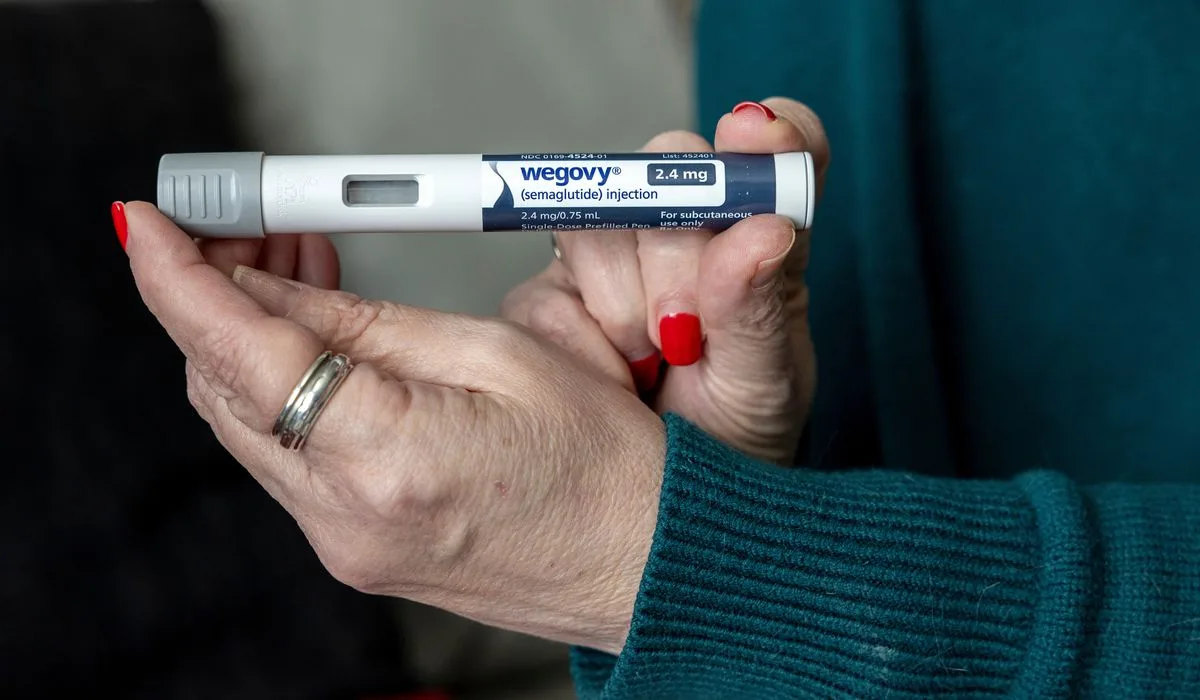
Ozempic (semaglutide) and similar peptides (e.g., Wegovy, tirzepatide in Mounjaro) excel in metabolic health by targeting obesity-related conditions. However, their efficacy in slashing caloric intake often outpaces the body's ability to adapt skin and muscle. Dermatologists recommend countermeasures like hyaluronic acid fillers, radiofrequency treatments, or preventive measures during weight loss.
For non-drug weight loss like Kelly's, the same principles apply: gradual reduction (1-2 pounds/week) preserves facial structure better than aggressive cuts.
Public Skepticism and Celebrity Ozempic Rumors
Despite Kelly's clear denial, skepticism persists "for good reason," as online discussions suggest. Celebrities like Sharon Osbourne have openly credited Ozempic, blurring lines between family habits and personal choices. Kelly's pre-Grammys thinning had already alarmed fans, with Reddit threads dissecting her evolution from healthier post-baby weight to a skeletal frame.
This mirrors broader trends: GLP-1 drugs have surged in popularity for weight loss, but side effect visibility—like Ozempic face—prompts cautionary tales.
Safety Considerations and Patient Guidance for Rapid Weight Loss
Whether pursuing weight loss via diet or GLP-1 therapy, monitoring is key. Kelly's gestational diabetes history highlights the need for medical oversight, as rapid changes can strain metabolic health.
Who Might Experience Ozempic Face?
- Individuals with rapid >15% body weight loss
- Older adults with less skin elasticity
- Those on high-dose semaglutide without facial preservation strategies
Practical Tips to Minimize Facial Changes
- Gradual Loss: Aim for sustainable deficits; consult a doctor for personalized plans.
- Strength Training: Build muscle to support skin.
- Nutrition: Prioritize protein, collagen-rich foods (bone broth, fish).
- Skincare: Retinoids, moisturizers, sunscreen.
- Track Symptoms: Apps like Shotlee can help log weight, side effects, and facial changes during metabolic journeys.
Discuss with a healthcare provider before starting GLP-1s, especially post-pregnancy or with diabetes history. Alternatives like lifestyle coaching or lower-dose peptides may suit some.
Comparisons: Ozempic vs. Diet-Only Weight Loss
Kelly's carb/sugar elimination mimics Ozempic's glycemic control benefits but lacks the drug's muscle-sparing effects in some trials. Diet-alone risks nutrient gaps, while Ozempic offers cardiovascular perks (e.g., reduced heart risks in SELECT trial), but both demand monitoring for facial and overall side effects.
Key Takeaways: What Kelly Osbourne's Story Means for You
- Kelly lost 85 pounds via diet post-gestational diabetes, explicitly denying Ozempic.
- Her 2026 Grammy look exemplifies 'Ozempic face' signs, sparking fan worry tied to grief and thinness.
- Rapid weight loss causes facial sagging regardless of method—prevention is proactive.
- Sharon Osbourne used Ozempic, adding to family rumors.
What This Means for Patients: Celebrate transformations but prioritize health. If considering GLP-1s for metabolic issues, pair with dermatological advice. Tools for tracking (e.g., Shotlee for symptoms/med schedules) empower informed decisions. Consult professionals to balance weight goals with aesthetics and well-being.
Conclusion: Balancing Transformation and Health
Kelly Osbourne's journey reminds us that stunning changes come with scrutiny. While she credits diet, the 'Ozempic face' debate underscores rapid weight loss's universal challenges. For sustainable metabolic health, focus on guided, holistic approaches—ensuring your reflection matches your vitality.