
Ozempic at Oscars 2026 Red Carpet: Is Skinny Back?
The Oscars 2026 red carpet at the Dolby Theatre in Los Angeles highlighted more than feathered gowns and archival fashion—it revealed a striking pattern of extremely slender bodies and remarkably sunken cheeks among Hollywood's elite. This visual shift has reignited debates around Ozempic and other GLP-1 agonists, questioning if 'skinny' is making a comeback just as body positivity seemed to take hold.
The Red Carpet Revelation: Uniform Thinness Takes Center Stage
All that talk about the body positivity movement now feels a little hollow. When a chance appeared to dramatically alter their bodies, many celebrities didn't hesitate. Viewers noted the overwhelming uniformity of thinner frames, with prominent collarbones and hollowed faces standing out amid the glamour.
"So many people are just skin and bones. Husks of their former gorgeous selves. Shame, really. I understand its use since many struggle with weight loss, but it can be used in measured ways. This seems excessive," a user wrote on X.
This wasn't an isolated comment. Social media buzzed with similar observations, tying the trend to the rise of GLP-1 agonists like Ozempic, Wegovy, and Mounjaro.
Spotlight on Celebrities: Who Sparked the Conversations?
Demi Moore, Emma Stone, and Nicole Kidman
Appearances by stars such as Demi Moore, Emma Stone, and Nicole Kidman drew widespread discussion online about their dramatically slim figures. The now-familiar sunken cheeks seemed to give the trend away, prompting speculation about GLP-1 use.
Barbie Ferreira, Kathy Bates, Melissa McCarthy, and More
Others, including Barbie Ferreira, Kathy Bates, and Melissa McCarthy, also sparked conversation as their visibly leaner appearances circulated across social media. These changes stood in stark contrast to their previous public images.
Anya Taylor-Joy and Oprah Winfrey
It wasn't just the Oscars. Anya Taylor-Joy's appearance at a pre-Oscars dinner on March 12 ignited similar online conversations about troubling beauty standards. Even Oprah Winfrey drew reactions at Paris Fashion Week earlier this month, with some users worried she looked too thin or frail. Oprah has openly acknowledged using a GLP-1 medication for weight loss, making her slender look a focal point in the debate.
The Surge of GLP-1 Agonists: From Diabetes to Weight Loss
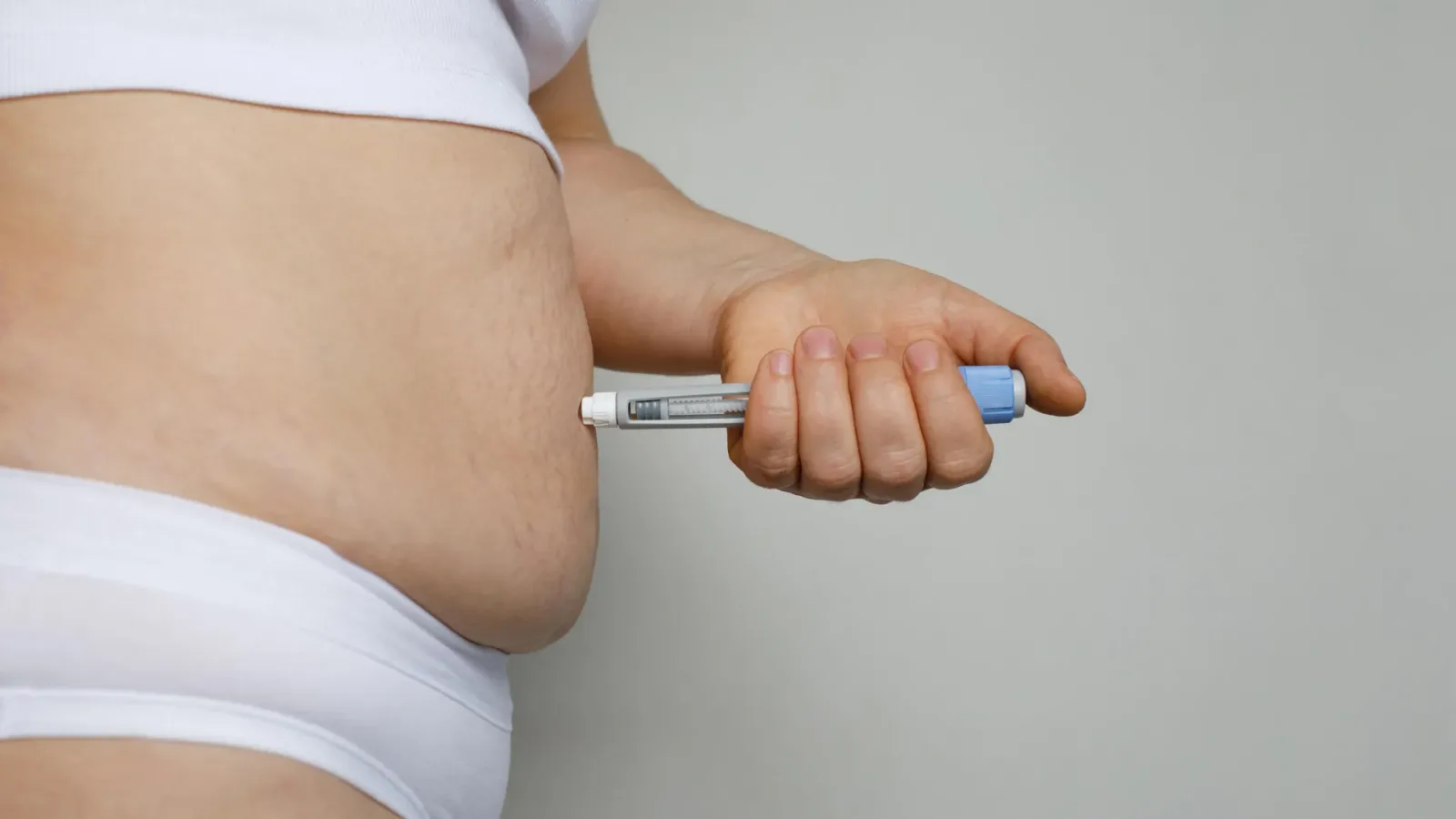
In recent years, medications known as GLP-1 agonists—including drugs like Ozempic (semaglutide), Wegovy (higher-dose semaglutide), and Mounjaro (tirzepatide)—have exploded in popularity. Originally developed to treat type 2 diabetes by mimicking the GLP-1 hormone, these injectables regulate blood sugar, slow gastric emptying, and signal fullness to the brain, leading to significant appetite suppression and weight loss.
The conversation first gained traction in celebrity circles, where rapid, dramatic results align with high-pressure beauty standards. For patients, these drugs can achieve 15-20% body weight reduction in clinical use, but the facial fat loss—often called 'Ozempic face'—creates the gaunt, sunken-cheek look observed on the red carpet.
Precision tracking for your journey
Join thousands using Shotlee to accurately track GLP-1 medications and side effects.
📱 Get the Shotlee App
Track your GLP-1 medications, peptides, and health metrics on the go with our mobile app!
How GLP-1 Drugs Work and Why They Cause 'Ozempic Face'
GLP-1 agonists promote weight loss by reducing hunger and increasing satiety. However, the uniform fat loss, including from the face, results in sagging skin and hollowed features, especially in those losing weight quickly without concurrent muscle-building or skin-tightening measures. This effect is particularly visible in older adults or those with less facial elasticity.
Body Positivity vs. Reality: A Cultural Shift?
At a time when celebrities encouraged self-acceptance and diverse body types, the sudden shift toward slimmer frames feels like a sharp contrast. Red carpets reflect beauty ideals of their era—if this year's Oscars were any indication, Hollywood's standards may be drifting toward thinner being the norm again.
From 'Heroin Chic' to Inclusivity—and Back?
For much of the late 1990s and early 2000s, the fashion industry championed the 'heroin chic' look—sharp cheekbones, prominent collarbones, and ultra-thin bodies. After years of criticism, that aesthetic gave way to a body-positive moment in the 2010s. Yet the 2026 awards season has sparked renewed debate, suggesting the discourse around body positivity has quietly slipped back.
Health Considerations: Beyond the Red Carpet Glow
While GLP-1 agonists offer real benefits for obesity and diabetes management, extreme weight loss raises concerns. Rapid fat loss can lead to muscle wasting, nutrient deficiencies, and the aesthetic issue of 'Ozempic face.' Common side effects include nausea, gastrointestinal issues, and, in rare cases, more serious risks like pancreatitis or thyroid concerns.
For those considering these medications, consult a healthcare provider to discuss dosing, monitoring, and complementary strategies like resistance training to preserve muscle and facial volume. Tools like Shotlee can help track symptoms, side effects, or medication schedules for better management.
Safety Profile and Who Should Use GLP-1 Drugs
These drugs are FDA-approved for type 2 diabetes (Ozempic, Mounjaro) and chronic weight management (Wegovy). Ideal candidates include those with BMI over 30 or 27 with comorbidities. Not suitable for cosmetic use alone—doctors emphasize sustainable, measured approaches to avoid the 'husks' effect noted online.
Comparisons: Ozempic, Wegovy, Mounjaro, and Alternatives
Ozempic (weekly 0.25-2mg semaglutide) focuses on diabetes with off-label weight loss use. Wegovy offers higher doses up to 2.4mg for obesity. Mounjaro (tirzepatide) dual-targets GLP-1 and GIP for potentially greater weight loss. Alternatives like phentermine or bariatric surgery exist but lack the same metabolic benefits.
Key Takeaways: What This Means for Patients and Culture
- The Oscars 2026 red carpet highlighted GLP-1-driven thinness, with celebrities like Oprah, Demi Moore, and others showing sunken cheeks.
- GLP-1 agonists like Ozempic excel for weight management but can cause facial volume loss.
- Balance rapid weight loss with lifestyle measures to mitigate aesthetic and health risks.
- Hollywood's shift challenges body positivity—prioritize health over ideals.
Conclusion: Navigating Weight Loss in a Visual World
The Ozempic question at the Oscars 2026 red carpet underscores a tension between medical innovation and cultural pressures. While GLP-1 medications empower meaningful health changes, their red carpet visibility prompts reflection on excess. Patients should pursue guided, holistic paths for lasting results. Discuss with your doctor to align these tools with your goals, ensuring weight loss enhances, rather than hollows, your well-being.