
The GLP-1 Revolution: More Than Just a Prescription for Weight Loss
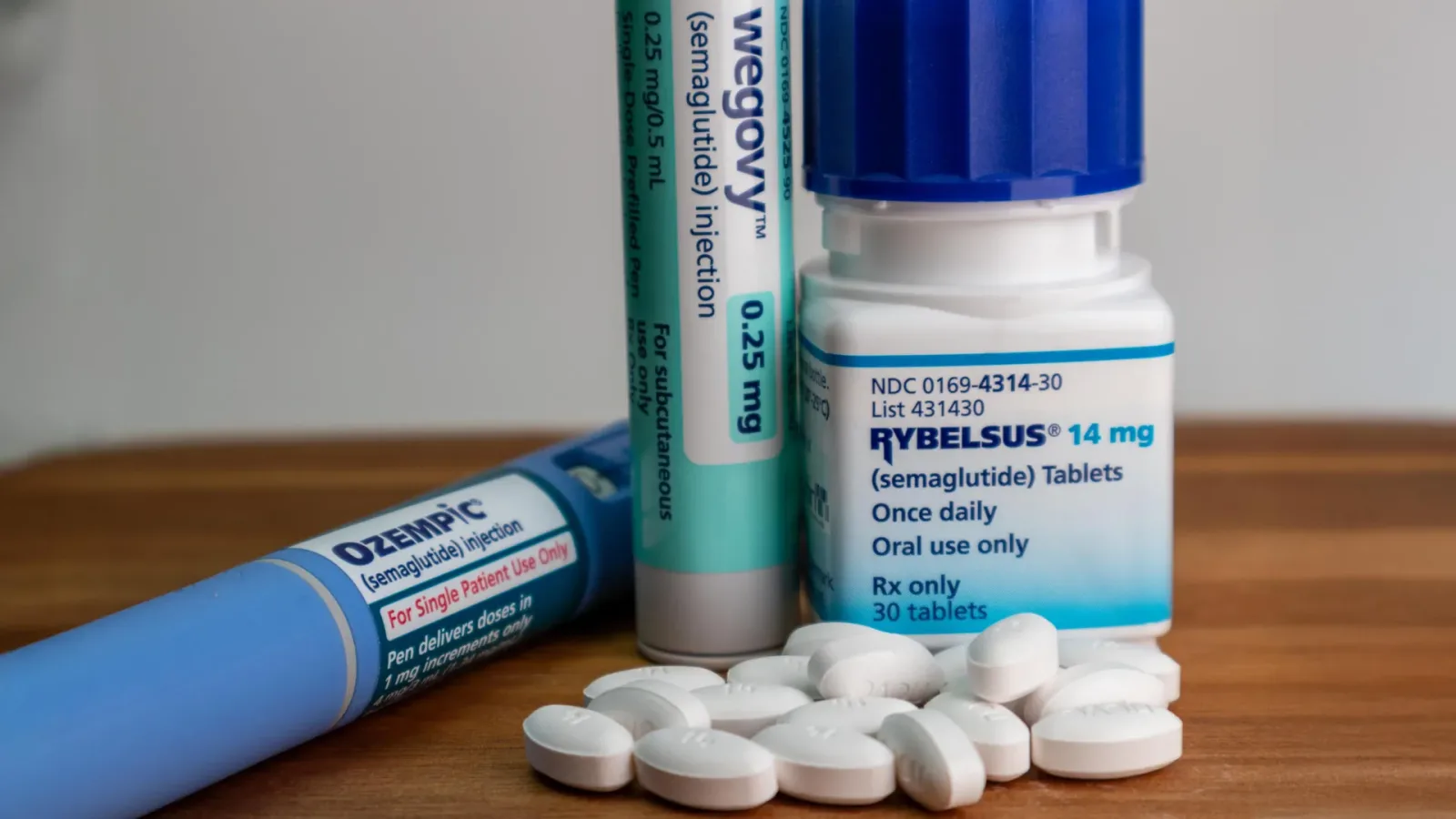
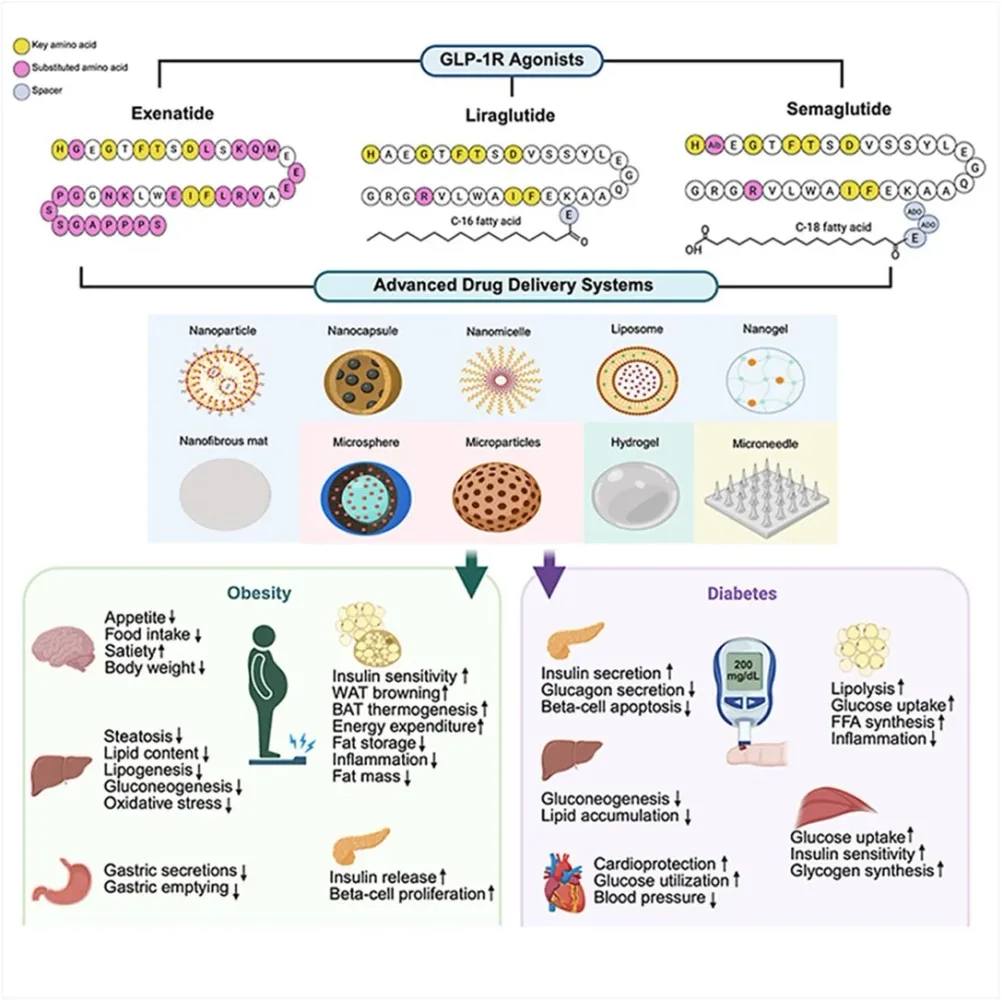
The landscape of metabolic health has been dramatically reshaped by the emergence of Glucagon-Like Peptide-1 (GLP-1) receptor agonists. Medications originally designed to manage Type 2 diabetes—including well-known compounds like Semaglutide (used in Ozempic and Wegovy) and Tirzepatide (used in Mounjaro and Zepbound)—are now central to the global conversation around obesity treatment. These injectable therapies work by mimicking the natural gut hormone GLP-1, leading to appetite suppression, delayed gastric emptying, and reduced food cravings.
This pharmaceutical breakthrough offers the potential to reverse decades of trends characterized by portion inflation and increased consumption of ultra-processed foods. Yet, as these powerful drugs gain widespread adoption, a critical debate emerges: Can a medication alone solve systemic health challenges rooted in diet, lifestyle, and food access? The consensus among health professionals is clear: while GLP-1s are transformative, they are most effective when paired with fundamental changes in nutrition and physical activity.
How GLP-1 Therapies Reshape Eating Behavior
Understanding the mechanism of GLP-1 action is key to appreciating their efficacy. These peptides signal the brain that the stomach is full, directly addressing the neurological drivers of hunger and satiety. This hormonal modulation leads to significant behavioral shifts in what and how much patients eat.
The Science of Portion Control and Caloric Reduction
Research consistently demonstrates that portion size is a powerful, proportionate driver of total caloric intake. Studies have shown that when presented with larger portions, individuals consume more calories, often regardless of actual hunger levels. GLP-1 drugs directly counteract this by reducing the desire to overeat.
Data from clinical use and recent analyses highlight the profound impact:
- Calorie Reduction: Patients on weight management doses of GLP-1s often report a 16% to 39% reduction in daily caloric intake.
- Dietary Quality Shifts: Consumers using these medications frequently show a marked decrease in purchasing high-energy-dense, low-nutritional-value foods, including sugary items and highly processed snacks.
- Financial Impact: As patients eat less overall and shift toward healthier, less processed options, some reports indicate a measurable reduction (5% to 8%) in weekly grocery expenses, alongside less frequent dining out.
This shift in preference toward nutrient-dense foods is a crucial, often overlooked, benefit. For individuals tracking their intake using tools like Shotlee, observing these positive changes in grocery habits alongside weight loss metrics provides powerful reinforcement for long-term adherence.
The Global Context: GLP-1 Adoption and Local Realities
While the core science remains universal, the adoption and context of GLP-1 therapy vary significantly by region. In rapidly urbanizing economies, the intersection of rising affluence, increased sedentary behavior, and the proliferation of non-nutritious food choices has fueled demand.
For instance, in emerging markets like India, the situation presents a unique dynamic. While traditional diets were often grain- and vegetable-based, modern urban lifestyles have introduced high levels of processed foods, contributing to a growing burden of non-communicable diseases (NCDs) and obesity—often termed the “double burden.”
The adoption rate among affluent urban populations in major metropolitan areas has been rapid. Market analysis suggests that demand for lower-cost generic GLP-1 options is expected to drive significant market expansion, indicating that accessibility and affordability are key determinants of future adoption rates across tier 2 and tier 3 cities.
Precision tracking for your journey
Join thousands using Shotlee to accurately track GLP-1 medications and side effects.
📱 Get the Shotlee App
Track your GLP-1 medications, peptides, and health metrics on the go with our mobile app!
Navigating the Trade-Offs: Benefits vs. Risks
The clinical benefits of GLP-1 therapy are substantial, extending beyond just weight loss to include improved blood sugar control and positive cardiovascular outcomes. However, reliance solely on the medication without addressing underlying lifestyle factors poses risks.
Common side effects include gastrointestinal discomfort. More critically, rapid weight loss achieved without concurrent strength training and adequate protein intake is frequently associated with significant loss of lean muscle mass alongside fat. This muscle loss can negatively impact metabolism and long-term health.
The risk of weight regain post-treatment is high if the patient reverts to previous eating and activity patterns. This underscores the World Health Organization’s recommendation: maximizing and sustaining the benefits of GLP-1 therapies requires long-term use combined with intensive behavioral therapy.
| Factor | GLP-1 Contribution | Lifestyle Necessity |
|---|---|---|
| Appetite Control | Strong hormonal signaling for satiety | Mindful eating practices; tracking intake |
| Weight Loss | Significant caloric deficit achieved | Adequate protein intake to preserve muscle mass |
| Long-Term Maintenance | Sustained use often required | Permanent adoption of exercise and diet habits |
| Nutritional Health | May lead to reduced food variety | Intentional selection of nutrient-dense foods |
The Public Health Imperative: Beyond Pharmaceuticals
While GLP-1 drugs are powerful tools for individual management, they cannot substitute for robust public health strategies. The long-term solution to the obesity and metabolic crisis hinges on prevention and creating an environment that supports healthy choices.
Addressing Affordability and Access
In many developing nations, the cost of these medications remains a significant barrier. Unlike some developed nations where insurance coverage is available, out-of-pocket expenses can be prohibitive for the general population. This disparity risks creating a two-tiered system where only the affluent can access the most advanced treatments, exacerbating health inequities.
Reshaping the Food Ecosystem
The ultimate challenge lies in reshaping the consumer environment. Policy efforts must focus on ensuring that healthy, whole foods are affordable, available, and accessible to everyone. This means addressing issues related to food deserts, the marketing of ultra-processed foods, and agricultural subsidies.
For patients utilizing GLP-1s, integrating their progress tracking—monitoring medication adherence, symptom logs, and dietary shifts—with their clinical care plan is vital. Platforms that help users manage complex treatment regimens, like Shotlee, become essential partners in ensuring that the pharmaceutical intervention is supported by consistent, positive behavioral data.
Practical Takeaways for Sustainable Success
For anyone embarking on GLP-1 therapy, maximizing outcomes requires a proactive, holistic approach:
- Prioritize Protein and Resistance Training: To combat muscle loss, ensure a high-quality protein intake and incorporate strength-building exercises at least two to three times per week.
- Focus on Food Quality: Use the reduced appetite as an opportunity to select nutrient-dense foods rather than simply eating less of the same unhealthy options.
- Plan for Maintenance: Discuss a long-term strategy with your healthcare provider before you reach your goal weight. GLP-1s are often best viewed as a bridge to permanent lifestyle change, not a permanent replacement for it.
- Track Everything: Use digital tools to log side effects, dose changes, and key dietary improvements. Consistent data helps both you and your provider make necessary adjustments.
Conclusion
GLP-1 receptor agonists represent a monumental leap forward in treating obesity and metabolic syndrome. They effectively address the physiological drivers of overeating, offering many patients a pathway to significant weight reduction. However, these drugs are powerful facilitators, not singular cures. The future of sustained metabolic health—in any region facing the dual challenges of NCDs and lifestyle changes—depends on weaving these pharmaceutical innovations seamlessly into comprehensive strategies that prioritize nutrition education, physical activity, and equitable access to healthy food systems.