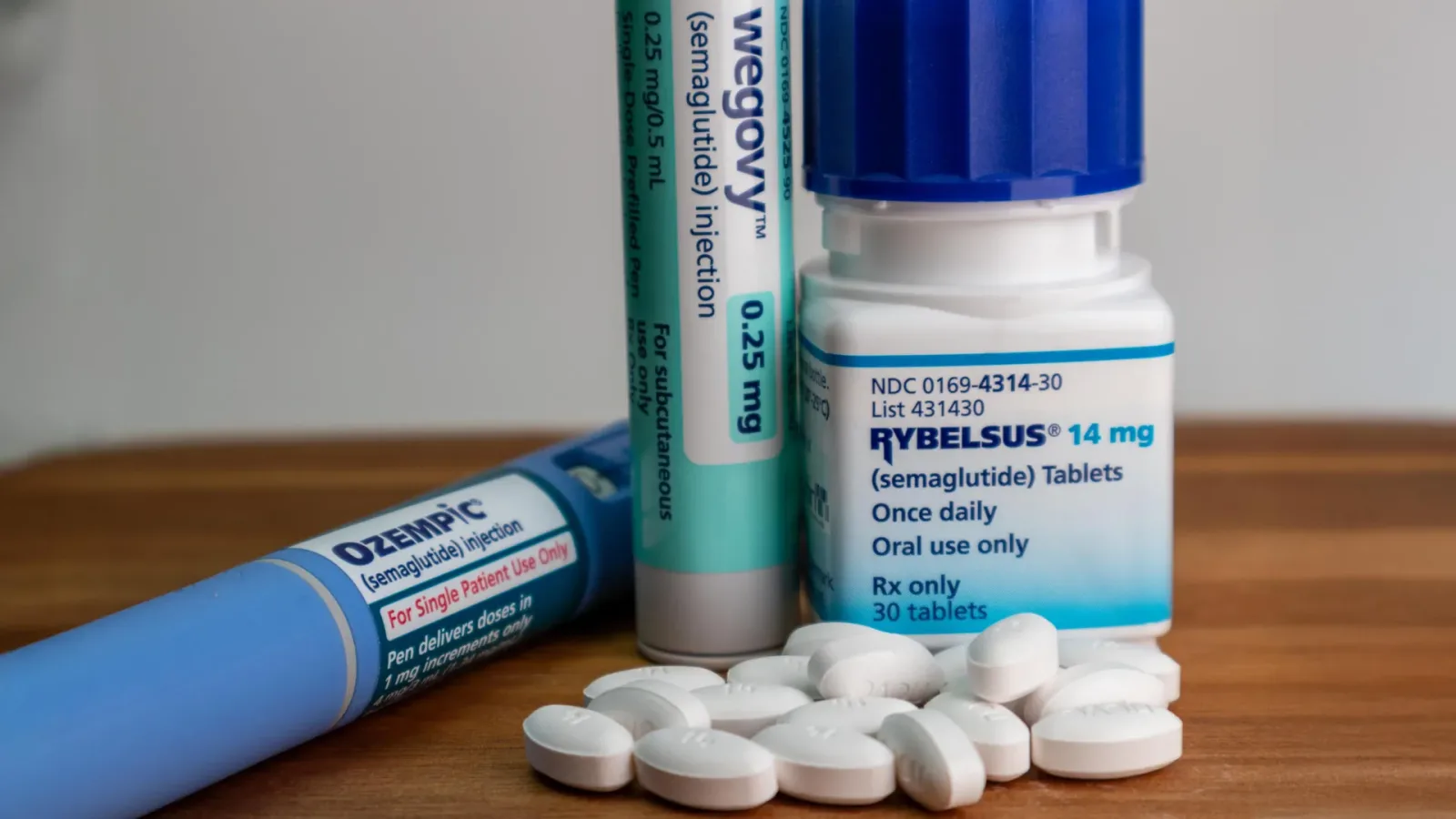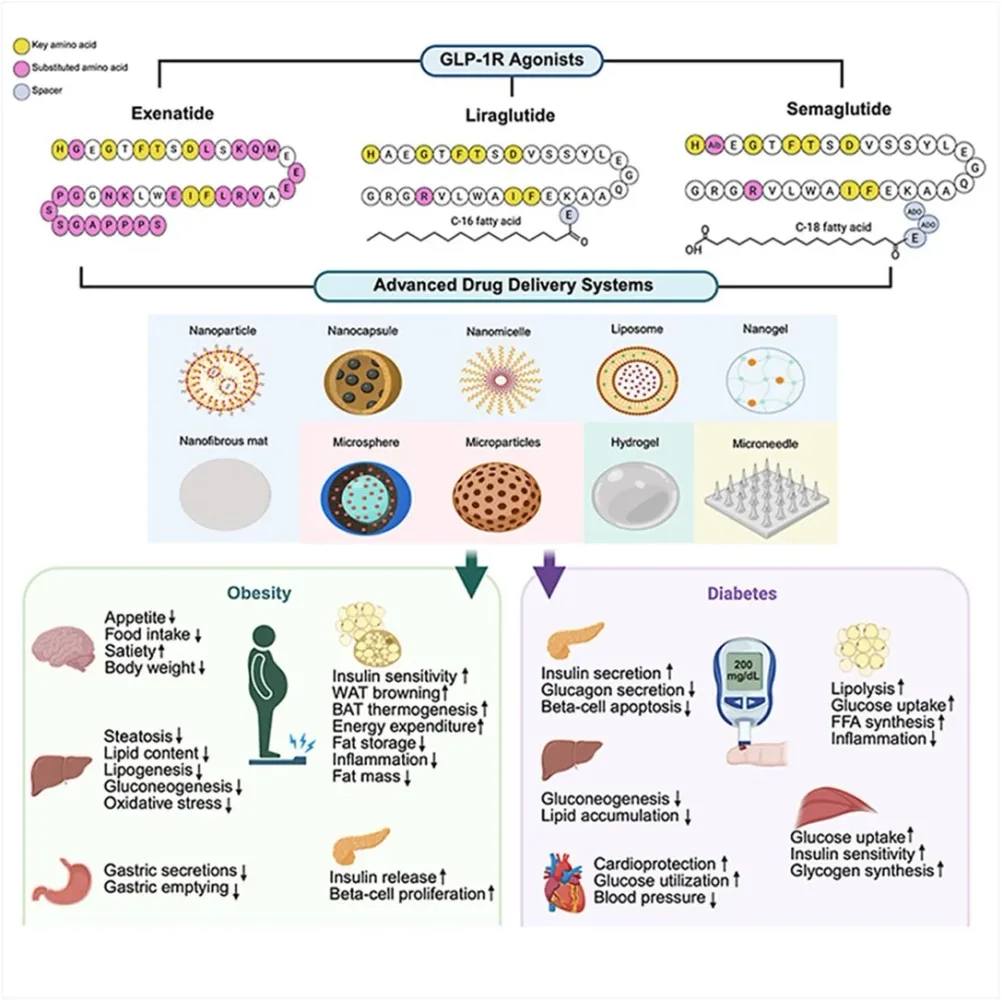

Glucagon-like peptide-1 (GLP-1) receptor agonists have become a cornerstone in the management of type 2 diabetes and obesity. Medications like Ozempic, Wegovy, Mounjaro, and Zepbound have demonstrated remarkable success in improving glycemic control and promoting significant weight loss. However, the journey of these powerful peptide therapies is far from over. Scientists are actively exploring novel delivery systems to overcome existing limitations, aiming for longer-lasting effects, enhanced tolerability, and greater patient convenience.
A recent comprehensive review, published in Acta Pharmaceutica Sinica B, offers an in-depth look at these exciting advancements. It highlights how researchers are rethinking the fundamental ways GLP-1 medications are delivered, moving beyond traditional subcutaneous injections to explore a range of sophisticated technologies. While many of these next-generation systems are still in developmental stages, their potential to transform patient care is immense.
The Challenge: Optimizing GLP-1 Therapy
Obesity, a complex chronic metabolic disease affecting over a billion people globally, significantly elevates the risk of numerous other health issues, including diabetes, heart disease, kidney disease, and cancer. Similarly, type 2 diabetes requires diligent management to prevent its debilitating long-term consequences.
While lifestyle modifications remain crucial, adherence can be challenging. Pharmaceutical treatments, including GLP-1 receptor agonists (GLP-1RAs), offer powerful tools. GLP-1RAs, such as exenatide, liraglutide, and semaglutide, have proven effective in reducing body weight, improving blood sugar levels, and even slowing the progression of cardiovascular and kidney diseases. Oral semaglutide has also become available, offering an alternative to injections for some.
Despite their efficacy, current GLP-1RA treatments face several hurdles:
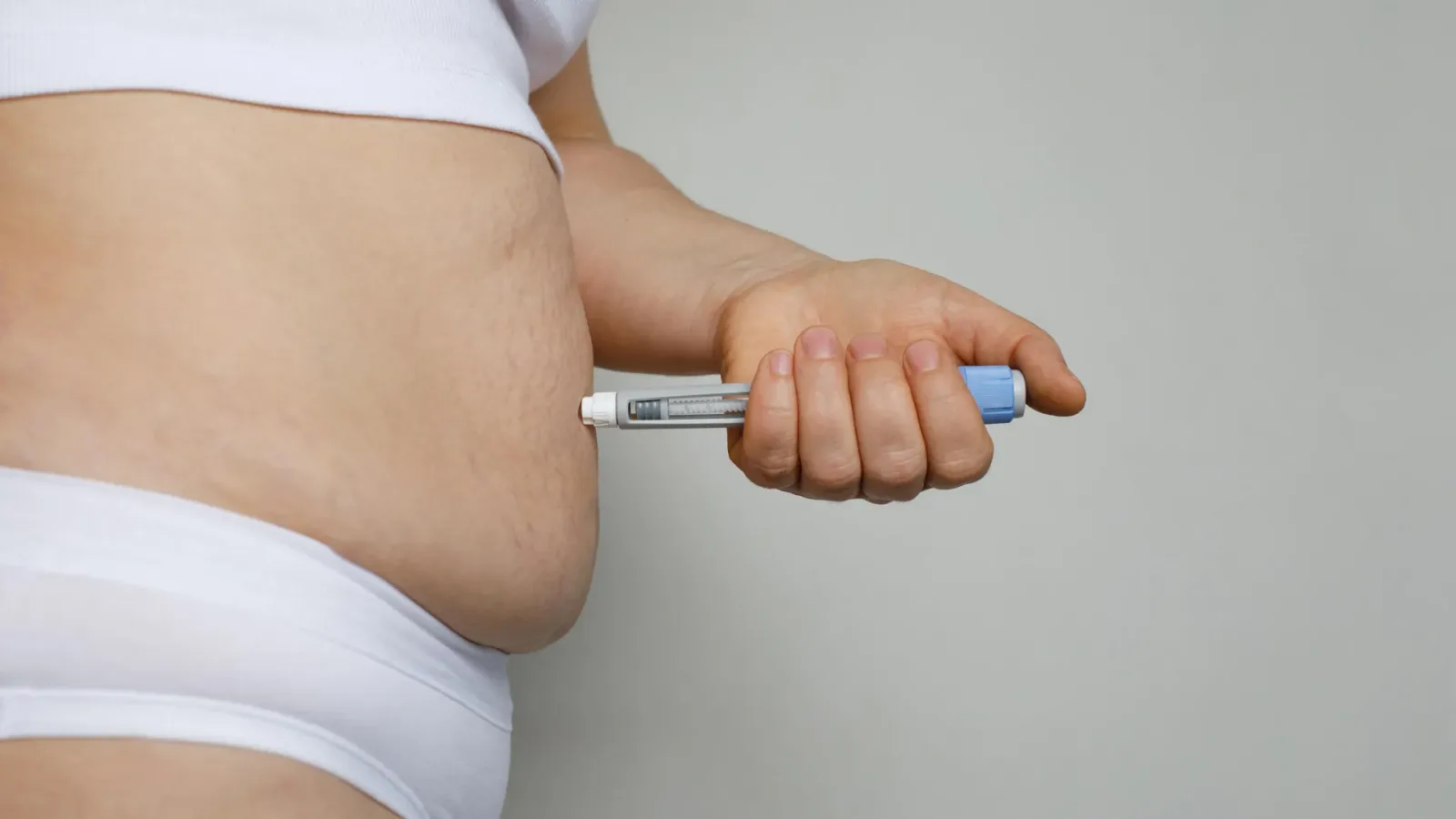
- Frequent Dosing: Most GLP-1RAs require daily or weekly injections, which can impact patient adherence and convenience.
- Gastrointestinal Side Effects: Nausea, vomiting, and diarrhea are common, particularly when initiating treatment or increasing the dose.
- Bioavailability and Stability: Peptides can be prone to degradation in the body, requiring higher doses and leading to rapid clearance.
- Injection Site Reactions: While generally mild, some patients experience discomfort or irritation at the injection site.
To address these limitations, researchers are focusing on innovative drug delivery systems designed to enhance efficacy, improve tolerability, and simplify administration. These include nanocarrier-based systems, hydrogels, microneedle patches, and new long-acting or combined formulations.
Nanocarrier Drug Delivery Systems (NDDS): Precision at the Nanoscale
Nanocarriers are minuscule structures, typically ranging from 1 to 1000 nanometers, engineered to encapsulate or conjugate therapeutic agents. Their small size allows them to navigate biological barriers more effectively, potentially enabling targeted delivery to specific tissues or cells. This precision can lead to:
- Enhanced Bioavailability: Protecting the peptide from degradation and improving its absorption.
- Sustained Release: Allowing for less frequent dosing by releasing the drug gradually over time.
- Reduced Side Effects: By targeting delivery, off-target effects and associated toxicities may be minimized.
Studies involving exenatide, liraglutide, and semaglutide loaded into nanocarriers have shown promising preclinical results. These include improved glycemic control, reduced insulin resistance, better lipid profiles, protection against organ damage, and significant support for weight management. For instance, liraglutide-loaded nanoparticles have demonstrated improved patient adherence and sustained glucose-lowering effects.
However, challenges remain. Ensuring the biocompatibility and biodegradability of these nanoparticles, preventing immune responses, maintaining stability in biological fluids, and avoiding unintended accumulation in non-target organs are critical areas of ongoing research.
Microsphere and Microparticle Systems: Controlled Release Mechanisms
Microspheres and microparticles are larger than nanocarriers, typically in the micrometer range. These spherical particles, made from various biocompatible materials like polymers, ceramics, and composites, are designed to encapsulate drugs and release them in a controlled manner. Their high surface area-to-volume ratio facilitates sustained drug release, offering a significant advantage over immediate-release formulations.
The development of sustained-release microsphere formulations, such as DA-3091 for exenatide, has shown potential for managing obesity, diabetes, and nonalcoholic fatty liver disease with less frequent dosing. Similarly, liraglutide-loaded microspheres have demonstrated comparable therapeutic efficacy to daily injections over a one-month period, improving pancreatic and hepatic function.
The primary challenges with these systems lie in their manufacturing complexity and cost. Ensuring consistent product quality and addressing the potential environmental degradation of certain materials are also key considerations for widespread clinical adoption.
Hydrogel-Based Delivery Systems: The Power of Hydration
Hydrogels are three-dimensional networks of polymer chains that can absorb and retain large amounts of water. This property makes them excellent for encapsulating and protecting sensitive bioactive substances like peptides. Their structure can be engineered to control the rate of drug release, offering a sustained delivery profile.
Precision tracking for your journey
Join thousands using Shotlee to accurately track GLP-1 medications and side effects.
📱 Get the Shotlee App
Track your GLP-1 medications, peptides, and health metrics on the go with our mobile app!
Hydrogels hold particular promise for delivering drugs to the central nervous system due to their ability to mimic the extracellular matrix. However, crossing the blood-brain barrier remains a significant hurdle.
Research into exenatide-loaded hydrogels has shown potential for sustained drug delivery over a week with minimal initial burst release, leading to improved glucose tolerance and weight management. Semaglutide-loaded hydrogels have also demonstrated the ability to maintain therapeutic drug levels for over six weeks following a single injection, effectively controlling blood glucose and weight.
Challenges in hydrogel development include difficulties in large-scale production, precise control over gelation, the risk of immunogenicity, and ensuring uniform drug distribution within the gel matrix.
Transdermal Drug Delivery Systems (TDDS): Painless Patching
Transdermal drug delivery systems (TDDS), often in the form of patches, offer a non-invasive alternative to injections. They allow drugs to pass through the skin into the bloodstream, bypassing the gastrointestinal tract and the first-pass metabolism in the liver. This can lead to more consistent drug levels and potentially reduce systemic side effects.
Key advantages of TDDS include:
- Convenience: Self-administration without needles.
- Sustained Release: Consistent drug delivery over an extended period.
- Improved Adherence: Overcoming the aversion some patients have to injections or oral medications.
Microneedle technology is a particularly exciting area within TDDS. These patches feature tiny needles, often made of dissolvable polymers, that painlessly create micro-channels in the skin, facilitating drug absorption. Exenatide-loaded TDDS have shown enhanced skin permeation, improved storage stability, sustained blood concentrations, and a rapid reduction in blood glucose levels and food intake in preclinical studies. Similarly, liraglutide-loaded TDDS have demonstrated improved bioavailability and effective glucose and weight management in animal models.
The main challenges for TDDS include limited drug-loading capacity and overcoming the skin's natural barrier. The mechanical strength of microneedles and individual variations in skin properties also require careful consideration.
Long-Acting and Combined Formulations: Enhanced Efficacy and Simplicity
Beyond novel delivery vehicles, researchers are also developing improved formulations. Long-acting formulations are designed to release active drugs over extended periods, from weeks to months, significantly improving convenience and adherence for chronic conditions. Combined formulations aim to deliver multiple therapeutic agents in a single preparation, targeting different aspects of a disease simultaneously.
For example, once-weekly long-acting exenatide formulations have shown significant improvements in glycemic control and weight loss. Combined therapies, such as those pairing a liraglutide nanoformulation with an SGLT-2 inhibitor, have shown promise in improving blood lipid profiles in patients with type 2 diabetes. Fixed-ratio insulin and GLP-1RA co-formulations also have a strong clinical track record.
The hurdles for these approaches include the high costs associated with advanced materials, limited availability of certain biomaterials, and the inherent complexity of developing stable and compatible multi-agent systems. Ensuring that the combined agents work synergistically without unwanted interactions is also crucial.
The Path Forward: From Lab to Clinic
The advancements in GLP-1RA delivery systems represent a significant leap forward in the potential to manage obesity and diabetes. These innovations promise to make treatments more effective, safer, and easier for patients to incorporate into their daily lives. For individuals managing their health with tools like Shotlee, tracking doses, symptoms, and progress becomes even more critical as new treatment modalities emerge.
However, it's crucial to remember that many of these cutting-edge technologies are still in preclinical or early developmental stages. Rigorous, large-scale, long-term clinical trials are essential to definitively assess their long-term effectiveness, safety profile, and cost-efficiency before they can be widely adopted in routine clinical practice. The future of GLP-1 therapy is bright, offering hope for more personalized and patient-centric approaches to metabolic health.
Practical Takeaways:
- Stay Informed: Keep abreast of new treatment options and delivery methods for GLP-1 therapies.
- Discuss with Your Doctor: Regularly consult with your healthcare provider about the best treatment strategies for your individual needs.
- Adherence is Key: Regardless of the delivery method, consistent use as prescribed is vital for therapeutic success.
- Symptom Tracking: Utilize tools like Shotlee to monitor any side effects or improvements, providing valuable data for your healthcare team.