
The Rise of GLP-1 Peptides: A New Era in Weight Management
The medical and wellness landscape is abuzz with the transformative potential of a class of drugs known as GLP-1 receptor agonists. These innovative compounds, including widely discussed medications like semaglutide and tirzepatide, have moved beyond their initial applications in diabetes management to become powerful tools for weight loss and improving overall metabolic health. As more individuals seek effective solutions for managing their weight, understanding the science, benefits, and practicalities of these peptide therapies is crucial. At Shotlee, we're dedicated to empowering individuals with the knowledge and tools to track their health journey, and the emergence of GLP-1s represents a significant advancement in this field.
This article delves into the world of GLP-1 peptides, exploring how they work, the key players like semaglutide and tirzepatide, and the implications for individuals pursuing weight management and improved health outcomes. We'll also touch upon how advanced health tracking tools can complement these treatments.
Understanding GLP-1: The Gut Hormone Revolution
Glucagon-like peptide-1 (GLP-1) is a naturally occurring hormone produced in the intestines in response to food intake. It plays a vital role in regulating blood sugar levels and also influences appetite and digestion. The discovery of GLP-1's multifaceted benefits paved the way for the development of GLP-1 receptor agonists – medications that mimic the actions of this natural hormone.
How GLP-1 Receptor Agonists Work
GLP-1 receptor agonists work by binding to GLP-1 receptors in various parts of the body, including the pancreas, brain, and digestive system. Their primary mechanisms of action include:
- Stimulating Insulin Release: They enhance the pancreas's ability to release insulin when blood sugar levels are high, helping to lower glucose levels.
- Reducing Glucagon Secretion: They decrease the release of glucagon, another hormone that raises blood sugar.
- Slowing Gastric Emptying: By slowing down the rate at which food leaves the stomach, GLP-1 agonists promote a feeling of fullness and satiety, leading to reduced food intake.
- Suppressing Appetite: They act on the brain's appetite control centers, reducing hunger and cravings.
These combined effects make GLP-1 receptor agonists highly effective for weight management, as they address both the physiological and behavioral aspects of eating.
Key Players: Semaglutide, Tirzepatide, and Beyond
The GLP-1 landscape is rapidly evolving, with several prominent medications making waves. Understanding the differences and applications of these treatments is essential.
Semaglutide: A Dual-Action Powerhouse
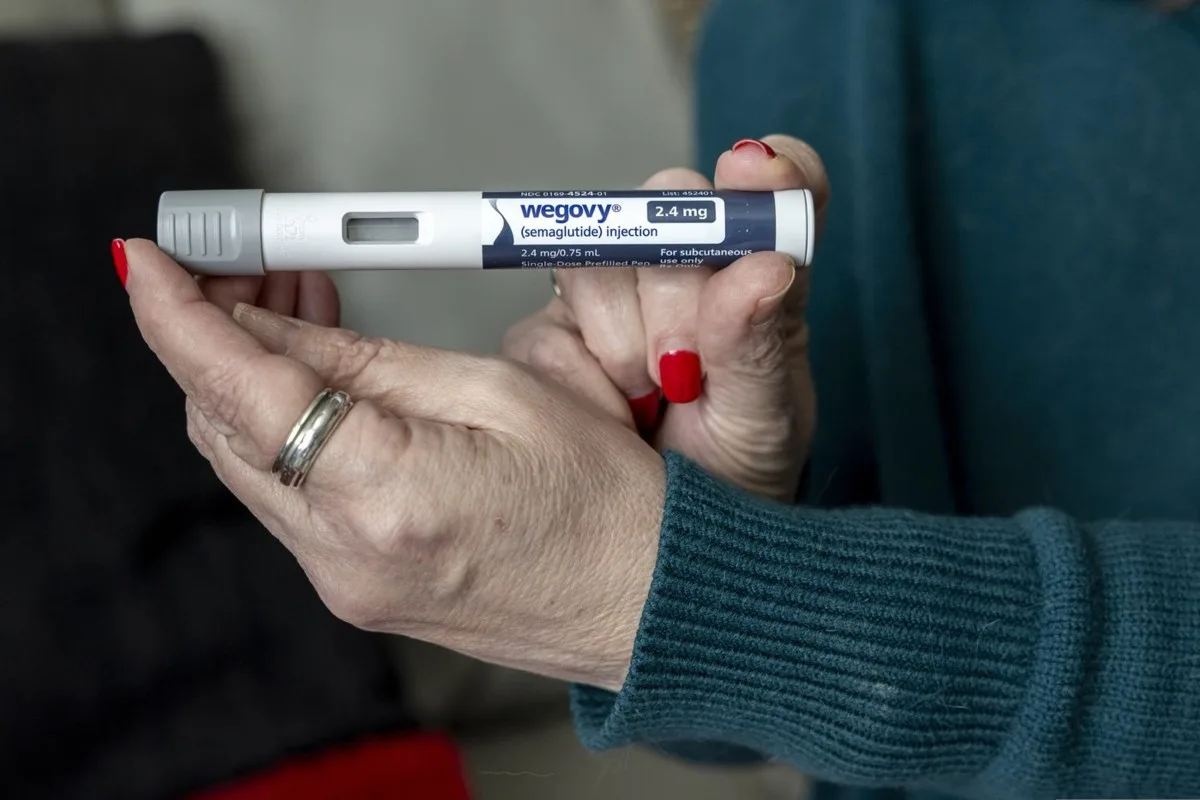
Semaglutide is perhaps the most well-known GLP-1 agonist, available under brand names like Ozempic (primarily for type 2 diabetes) and Wegovy (specifically approved for chronic weight management). It is also the active ingredient in Rybelsus, an oral formulation.
- Ozempic: While primarily prescribed for type 2 diabetes, Ozempic has demonstrated significant weight loss benefits as a secondary effect.
- Wegovy: This formulation is specifically designed and dosed for weight management in individuals with obesity or overweight with at least one weight-related comorbidity.
- Rybelsus: The first once-daily oral GLP-1 receptor agonist, offering a convenient option for some patients.
Tirzepatide: The GIP/GLP-1 Dual Agonist
Tirzepatide, marketed as Mounjaro for type 2 diabetes and Zepbound for chronic weight management, represents a significant advancement. It is a dual glucose-dependent insulinotropic polypeptide (GIP) and GLP-1 receptor agonist.
- Mounjaro: Approved for type 2 diabetes, Mounjaro combines the actions of two incretin hormones, GIP and GLP-1, leading to robust improvements in blood sugar control and often substantial weight loss.
- Zepbound: This is the indication for tirzepatide specifically for weight management, building on the impressive results seen in clinical trials.
The dual action of tirzepatide appears to offer enhanced efficacy in both glucose control and weight loss compared to GLP-1 agonists alone, making it a compelling option for many.
Other GLP-1 Agonists
While semaglutide and tirzepatide are currently leading the discussion, other GLP-1 agonists have been available for some time, including liraglutide (Saxenda for weight management, Victoza for diabetes) and dulaglutide (Trulicity for diabetes). These medications have also proven effective, though newer agents often show greater potency in clinical studies.
Precision tracking for your journey
Join thousands using Shotlee to accurately track GLP-1 medications and side effects.
📱 Get the Shotlee App
Track your GLP-1 medications, peptides, and health metrics on the go with our mobile app!
Clinical Trials and Efficacy Data
The widespread adoption of these peptides is supported by extensive clinical trial data showcasing their remarkable efficacy. Landmark studies like the STEP trials for semaglutide (Wegovy) and the SURMOUNT trials for tirzepatide (Zepbound) have consistently demonstrated significant and sustained weight loss in participants.
For instance, in the STEP 1 trial, participants taking 2.4 mg of semaglutide weekly achieved an average weight loss of 14.9% of their body weight over 68 weeks. Similarly, the SURMOUNT-1 trial showed that participants taking tirzepatide achieved an average weight loss of up to 22.5% of their body weight over the same period. These results are unprecedented in pharmacotherapy for obesity.
| Medication | Primary Indication(s) | Average Weight Loss (approx.) | Frequency |
|---|---|---|---|
| Semaglutide (Wegovy) | Chronic Weight Management | ~15% | Weekly |
| Tirzepatide (Zepbound) | Chronic Weight Management | ~22.5% | Weekly |
| Semaglutide (Ozempic) | Type 2 Diabetes | ~5-10% (as secondary effect) | Weekly |
| Tirzepatide (Mounjaro) | Type 2 Diabetes | ~10-15% (as secondary effect) | Weekly |
It's important to note that these figures represent average results from clinical trials, and individual outcomes can vary. Furthermore, these medications are most effective when combined with lifestyle changes, including a reduced-calorie diet and increased physical activity.
Potential Side Effects and Considerations
Like all medications, GLP-1 receptor agonists can cause side effects. The most common ones are gastrointestinal in nature and tend to be mild to moderate and transient, often improving as the body adjusts to the medication.
Common Side Effects Include:
- Nausea
- Vomiting
- Diarrhea
- Constipation
- Abdominal pain
- Decreased appetite
Less common but more serious side effects can include pancreatitis, gallbladder problems, kidney issues, and, in rare cases, thyroid C-cell tumors. It is crucial to discuss your full medical history and any concerns with your healthcare provider before starting treatment. They will help you weigh the potential benefits against the risks and determine if a GLP-1 therapy is appropriate for you.
Important Note: GLP-1 receptor agonists are prescription medications and should only be used under the guidance of a qualified healthcare professional. Self-medication is strongly discouraged.
Integrating Peptide Therapy with Health Tracking
For individuals embarking on a weight management journey with GLP-1 peptides, comprehensive health tracking can significantly enhance the experience and outcomes. Tools like Shotlee can provide invaluable support by allowing users to meticulously log:
- Medication Doses and Timing: Ensuring consistent adherence to prescribed regimens.
- Symptom Tracking: Monitoring for any side effects and their severity, which can be shared with your doctor.
- Food Intake: Understanding how appetite changes affect dietary choices and calorie consumption.
- Activity Levels: Correlating exercise with weight loss progress and overall well-being.
- Weight and Body Measurements: Visualizing progress over time and identifying trends.
By maintaining detailed records, individuals can gain deeper insights into their body's response to the medication, identify patterns, and proactively manage their health. This data can also be instrumental in discussions with healthcare providers, enabling more informed treatment adjustments and personalized care plans.
Practical Takeaways for Your Health Journey
The advent of GLP-1 peptides like semaglutide and tirzepatide offers promising avenues for weight management and metabolic health improvement. Here are some key takeaways:
- Consult Your Doctor: These are prescription medications. Always discuss your health goals and medical history with a healthcare professional to determine suitability.
- Understand the Medications: Familiarize yourself with the specific drug you are prescribed, its brand names (Ozempic, Wegovy, Mounjaro, Zepbound), and how it works.
- Lifestyle is Key: Peptide therapies are most effective when combined with a balanced diet and regular physical activity.
- Monitor Side Effects: Be aware of potential side effects and report any significant or persistent issues to your doctor.
- Track Your Progress: Utilize tools like Shotlee to monitor medication adherence, symptoms, diet, activity, and weight to maximize your understanding and results.
Conclusion
GLP-1 receptor agonists, including semaglutide and tirzepatide, have revolutionized the approach to weight management and metabolic health. Their ability to mimic natural hormones, suppress appetite, and improve blood sugar control offers a powerful solution for many individuals struggling with obesity and related conditions. As these therapies continue to evolve and become more accessible, their integration with diligent health tracking and personalized medical guidance will be paramount. By staying informed and actively participating in their health journey, individuals can harness the full potential of these groundbreaking treatments to achieve lasting health and well-being.