
The Rise of GLP-1 Receptor Agonists in Weight Management
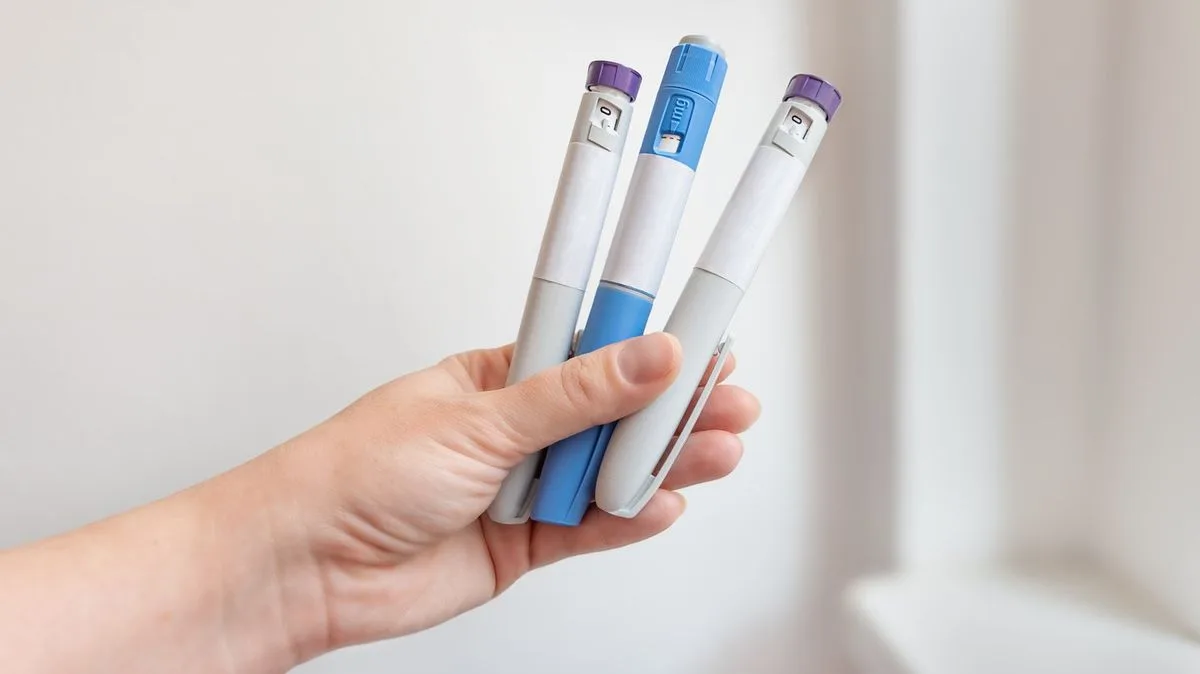
In recent years, a new class of medications known as GLP-1 receptor agonists has revolutionized the landscape of weight management and the treatment of type 2 diabetes. These drugs mimic the action of a naturally occurring hormone, glucagon-like peptide-1 (GLP-1), which plays a crucial role in regulating appetite and blood sugar levels. While initially developed for diabetes management, their profound impact on weight loss has led to their widespread use and significant public interest, often fueled by celebrity endorsements and social media discussions.
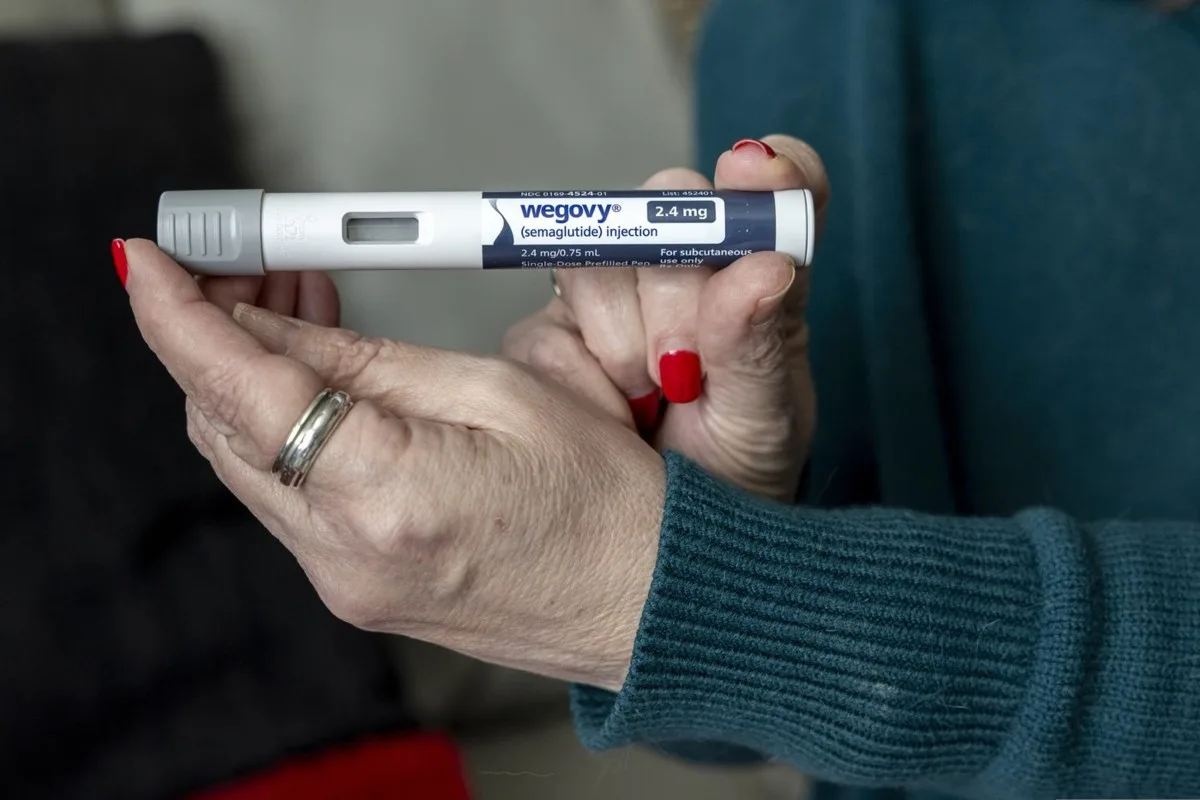
The conversation around these medications, including semaglutide (marketed as Ozempic for diabetes and Wegovy for weight loss) and tirzepatide (marketed as Mounjaro for diabetes and Zepbound for weight loss), has become a prominent feature in health and wellness discourse. Understanding their mechanisms, benefits, and potential considerations is vital for anyone exploring their options for weight loss and improved health.
How GLP-1 Medications Work for Weight Loss
GLP-1 receptor agonists work through a multi-faceted approach that targets key physiological pathways involved in appetite regulation and metabolism. By binding to GLP-1 receptors in the brain and other parts of the body, these medications can:
- Suppress Appetite: They signal to the brain that you are full, leading to a reduced feeling of hunger and a decreased desire to eat. This can result in a spontaneous reduction in calorie intake.
- Slow Gastric Emptying: GLP-1 agonists slow down the rate at which food leaves the stomach. This contributes to a prolonged feeling of fullness and can help prevent overeating.
- Improve Insulin Sensitivity: While primarily known for their weight loss effects, these medications also enhance the body's response to insulin, leading to better blood sugar control. This is particularly beneficial for individuals with type 2 diabetes or prediabetes.
- Promote Satiety: Beyond just reducing hunger, they can increase feelings of satisfaction after eating, making it easier to stick to a reduced calorie intake.
This combination of effects can lead to significant and sustainable weight loss for many individuals when used in conjunction with a healthy diet and exercise plan. The effectiveness can vary, with some individuals experiencing more pronounced results than others. Tracking your progress, including weight changes, appetite levels, and any side effects, can be invaluable when using these medications. Tools like Shotlee can help you meticulously log these details, providing a clear overview of your journey and facilitating informed discussions with your healthcare provider.
Key GLP-1 Medications and Their Applications
Several GLP-1 receptor agonists are currently available, each with specific indications and brand names. The most talked-about include:
Semaglutide
Semaglutide is a highly effective GLP-1 receptor agonist. It is available under two primary brand names:
- Ozempic: Primarily prescribed for the treatment of type 2 diabetes, it helps improve blood sugar control and reduces the risk of major cardiovascular events in adults with type 2 diabetes.
- Wegovy: Specifically approved for chronic weight management in adults and adolescents with obesity or who are overweight with at least one weight-related condition.
Tirzepatide
Tirzepatide is a dual GIP and GLP-1 receptor agonist, meaning it acts on two different hormone pathways involved in glucose and appetite regulation. This dual action often leads to even greater weight loss and blood sugar reduction compared to GLP-1 agonists alone.
- Mounjaro: Approved for the treatment of type 2 diabetes, it offers significant improvements in glycemic control and weight loss.
- Zepbound: Approved for chronic weight management, it is designed to help individuals achieve and maintain significant weight loss.
The choice between these medications, and their specific dosages, depends on individual health status, treatment goals, and physician recommendations. It's important to note that while these medications are highly effective, they are prescription-only and require medical supervision.
Potential Benefits Beyond Weight Loss
The advantages of GLP-1 receptor agonists extend beyond mere weight reduction. Research has highlighted several significant health benefits:
Precision tracking for your journey
Join thousands using Shotlee to accurately track GLP-1 medications and side effects.
📱 Get the Shotlee App
Track your GLP-1 medications, peptides, and health metrics on the go with our mobile app!
- Cardiovascular Health: Studies, particularly for semaglutide, have demonstrated a reduction in the risk of major adverse cardiovascular events (like heart attack and stroke) in individuals with type 2 diabetes and established cardiovascular disease.
- Improved Blood Sugar Control: As mentioned, these medications are highly effective at lowering A1C levels in individuals with type 2 diabetes, contributing to better long-term health outcomes.
- Reduced Risk of Certain Complications: By managing weight and blood sugar, these drugs can help mitigate the risk of developing or worsening other weight-related health issues such as sleep apnea, osteoarthritis, and non-alcoholic fatty liver disease (NAFLD).
These broader health improvements underscore the therapeutic potential of GLP-1 medications, positioning them as valuable tools in comprehensive chronic disease management.
Considerations and Potential Side Effects
While the benefits of GLP-1 medications are substantial, it's crucial to be aware of potential side effects and important considerations. The most common side effects are gastrointestinal in nature:
- Nausea
- Vomiting
- Diarrhea
- Constipation
- Abdominal pain
These symptoms are often mild to moderate and tend to decrease over time as the body adjusts to the medication. However, in some cases, they can be severe enough to require dose adjustment or discontinuation of the drug. Less common but more serious potential side effects include:
- Pancreatitis
- Gallbladder problems
- Kidney problems
- Hypoglycemia (especially when used with other diabetes medications)
- Allergic reactions
Important Considerations:
| Factor | Details |
|---|---|
| Contraindications | Not suitable for individuals with a personal or family history of medullary thyroid carcinoma (MTC) or Multiple Endocrine Neoplasia syndrome type 2 (MEN 2). |
| Pregnancy and Breastfeeding | Should not be used during pregnancy or while breastfeeding due to potential risks to the fetus or infant. |
| Long-term Use | These are typically intended for long-term management, and weight regain can occur if the medication is stopped without sustained lifestyle changes. |
| Cost and Access | These medications can be expensive, and insurance coverage varies significantly, posing a barrier for some individuals. |
It is imperative to have a thorough discussion with your healthcare provider to assess if these medications are appropriate for you, to understand the full risk-benefit profile, and to manage any side effects that may arise. Detailed tracking of symptoms, doses, and dietary intake using a tool like Shotlee can be instrumental in this management process.
Lifestyle Integration: The Cornerstone of Success
While GLP-1 medications are powerful tools, they are most effective when integrated into a comprehensive lifestyle modification program. Sustainable weight loss and long-term health benefits are achieved through a combination of:
- Nutritionally Balanced Diet: Focusing on whole foods, lean proteins, fruits, vegetables, and healthy fats is crucial. Working with a registered dietitian can provide personalized guidance.
- Regular Physical Activity: Incorporating a mix of cardiovascular exercise and strength training helps build muscle, boost metabolism, and improve overall fitness.
- Behavioral Changes: Addressing emotional eating, improving sleep hygiene, and managing stress are vital components of a successful weight management journey.
The role of technology in supporting these lifestyle changes cannot be overstated. Apps and health trackers can help monitor food intake, physical activity, sleep patterns, and even mood. For individuals on GLP-1 medications, meticulously tracking their diet, exercise, and any changes in appetite or well-being can provide valuable data for their healthcare team and empower them to make informed adjustments. Shotlee, for instance, can be a central hub for logging medication doses, tracking symptom intensity, and noting dietary choices, offering a clear picture of the individual's progress and challenges.
Practical Takeaways
- GLP-1 medications like semaglutide and tirzepatide are effective for weight loss and type 2 diabetes management.
- They work by suppressing appetite, slowing digestion, and improving insulin sensitivity.
- While beneficial, they have potential gastrointestinal and other side effects that require medical supervision.
- These medications are most successful when combined with diet, exercise, and behavioral changes.
- Consult your healthcare provider to determine if GLP-1 therapy is right for you.
Conclusion
The advent of GLP-1 receptor agonists represents a significant advancement in the treatment of obesity and type 2 diabetes. Medications like Ozempic, Wegovy, Mounjaro, and Zepbound offer a promising avenue for individuals struggling with weight management, providing not only weight loss but also potential cardiovascular and metabolic benefits. However, it is crucial to approach these powerful medications with a full understanding of their mechanisms, benefits, and potential risks. Medical supervision, a commitment to lifestyle changes, and diligent health tracking are essential components for achieving and sustaining positive health outcomes. As the conversation around these drugs continues, informed decision-making with healthcare professionals remains paramount.