
Introduction
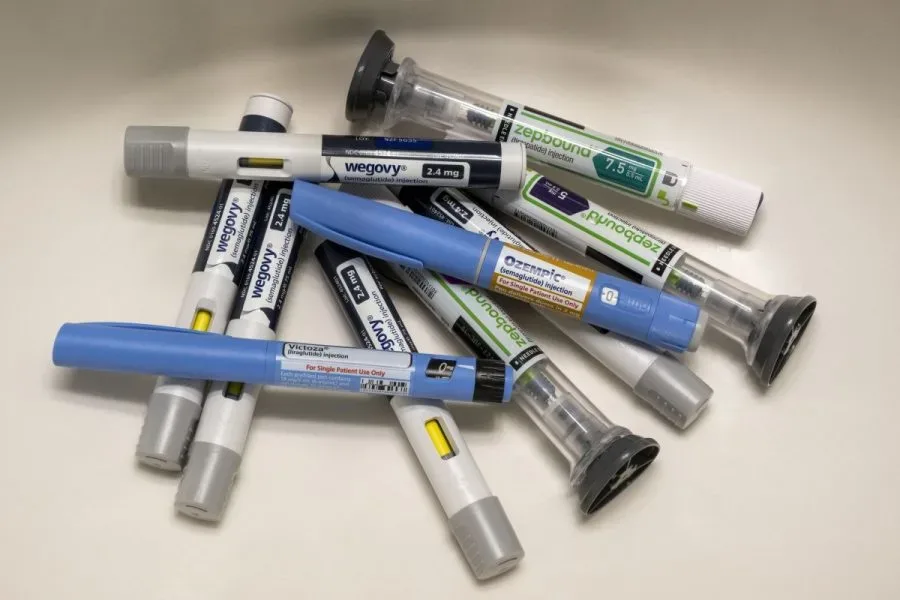
GLP-1 medications have rapidly become the go-to solution for managing obesity and type 2 diabetes, with drugs like Ozempic, Wegovy, and Mounjaro dominating the headlines. However, a significant new study suggests that treating these conditions with a standardized approach may no longer be the most effective strategy for every patient. Researchers have found that the impact of these drugs extends far beyond simple weight loss, influencing a complex array of cardiometabolic factors that vary significantly between individuals. This shift in understanding points toward a future where treatment plans are tailored to specific health goals rather than generic protocols. The findings, published in Diabetes, Obesity, and Metabolism, offer a roadmap for clinicians to optimize outcomes by considering the unique biological makeup of each patient.
What Is the Cardiometabolic Efficacy Index Used in GLP-1 Research?
The Cardiometabolic Efficacy Index serves as a specialized measurement scale designed to evaluate how effectively different GLP-1 medications improve overall heart and metabolic health rather than just focusing on weight loss alone. This comprehensive framework was utilized by researchers from the University of Pennsylvania, Yale School of Medicine, and UT Southwestern Medical Center to analyze data from more than 13,000 overweight participants across multiple clinical trials. By aggregating specific biomarkers such as body weight, waist circumference, HbA1c levels, and cholesterol profiles, the index provides a holistic view of treatment success that standard weight metrics often miss. The study, published in the journal Diabetes, Obesity, and Metabolism, highlights that varying dosages and drug types significantly influence these composite scores, suggesting that a single metric cannot capture the full therapeutic benefit of these potent agents. Consequently, this index allows clinicians to see beyond simple pounds lost and understand the broader physiological impact on the cardiovascular system.
The inclusion of factors like systolic blood pressure and triglycerides ensures that the evaluation covers the relationship between the heart and the energy system. This multi-dimensional approach helps identify which drugs offer the most comprehensive protection against metabolic syndrome. It moves the conversation from "how much weight did you lose" to "how much healthier is your heart and metabolism?" This distinction is critical for long-term health outcomes.
Which GLP-1 Medications Show the Strongest Effect on Specific Health Markers?
Recent analysis indicates that specific GLP-1 agonists demonstrate superior performance depending on the particular health marker being targeted, rather than one drug dominating every category equally. Semaglutide injections at a dosage of 7.2mg achieved the highest overall Cardiometabolic Efficacy Index score when compared to other treatments in the study, including 36mg of orforglipron and standard 2.4mg injected semaglutide doses. While the higher dosage of semaglutide led in the general index, orforglipron was ranked highest specifically regarding the strongest effects on blood sugar control, HDL cholesterol, and systolic blood pressure reduction. Conversely, semaglutide maintained the greatest effect on LDL cholesterol reduction, total body weight loss, and waist circumference improvement compared to its counterparts. All medications delivered placebo-adjusted weight reductions of at least 10 percent of the participants' body weight on average, ensuring baseline efficacy across the board. This divergence in performance underscores the necessity of matching the specific drug profile to the patient's unique medical priorities and existing risk factors.
The data reveals that while all tested drugs were effective for weight loss, their secondary benefits varied. This means a patient concerned primarily with blood sugar control might benefit differently than one focused on lipid management.
| Medication | Dosage | Best Metric | CEI Rank |
|---|---|---|---|
| Semaglutide | 7.2mg Injection | Overall Cardiometabolic Index | 1 |
| Orforglipron | 36mg Oral | Blood Sugar & HDL | High |
| Semaglutide | 2.4mg Injection | Weight & Waist Circumference | 2 |
Why Do Higher Dosages of Semaglutide Achieve Better Cardiometabolic Indices?
Higher dosages of semaglutide often achieve better cardiometabolic indices because they provide greater receptor occupancy and sustained activation of the GLP-1 receptors in the body. The study found that injections at 7.2mg significantly outperformed the 2.4mg dose, which is the standard maintenance dose for many patients on Wegovy or Ozempic. This suggests that while lower doses may be sufficient for modest weight loss, the full potential for improving complex metabolic markers like blood pressure and lipid profiles may require escalated dosing to fully engage the physiological pathways involved. However, this does not mean higher doses are appropriate for every patient, as individual tolerance and side effect profiles must always be considered before increasing the dosage. The researchers emphasize that the relationship between dose and efficacy is not linear for everyone, and personalized titration is key to maximizing the therapeutic window. Understanding this mechanism helps explain why some patients plateau on standard doses while others continue to see metabolic improvements with higher amounts of the medication.
Precision tracking for your journey
Join thousands using Shotlee to accurately track GLP-1 medications and side effects.
📱 Get the Shotlee App
Track your GLP-1 medications, peptides, and health metrics on the go with our mobile app!
Patients should be aware that the standard dose might not be the ceiling for their treatment potential. Discussing dose escalation with a provider is a vital step in optimizing therapy.
How Can Patients Track Their Progress During Peptide Therapy With Shotlee?
Patients can effectively track their progress during peptide therapy by utilizing digital health platforms like Shotlee to monitor critical data points alongside their medication regimen. Shotlee allows users to log daily symptoms, dosage changes, and specific health metrics such as blood pressure readings or waist circumference measurements that correlate with the study's findings. By integrating these personal measurements with clinical data, patients can provide their physicians with a detailed history of how their body responds to specific dosages of semaglutide or tirzepatide over time. This continuous feedback loop is essential for identifying whether a patient is experiencing the expected cardiometabolic improvements or if adjustments are needed to optimize their treatment plan. Furthermore, tracking these trends helps in recognizing early signs of adverse effects or plateaus, ensuring that the personalized approach recommended by the study is maintained through active patient engagement.
Consistent tracking transforms subjective feelings into objective data that doctors can rely on when making prescribing decisions. It bridges the gap between clinic visits.
What Should Patients Discuss With Their Doctors About Personalized Treatment Plans?
Patients should discuss their individual health goals and existing risk factors with their doctors to determine the most appropriate GLP-1 therapy for their specific situation. Senior author Yong Chen, PhD, a professor of Biostatistics at Penn, advises that there may not be a single best GLP-1 therapy for everyone, and it all could really depend on what their individual goals and needs are. It is crucial to review whether the primary objective is maximum weight loss, blood sugar control, or cardiovascular risk reduction, as different drugs may prioritize these outcomes differently. Patients should also ask about the potential benefits of higher dosages versus standard doses and how these align with their tolerance for side effects. Open communication ensures that the treatment selection process remains comprehensive and individual, moving away from a one-size-fits-all model toward a strategy that targets the specific cardiometabolic factors most relevant to that patient's long-term health.
Preparation for this conversation includes knowing your current numbers and understanding which health metrics matter most to you personally.
Conclusion
The emerging evidence surrounding GLP-1 therapies indicates a significant shift in how obesity and metabolic diseases should be treated. Rather than applying a uniform protocol, the future of peptide therapy lies in personalization. By utilizing tools like the Cardiometabolic Efficacy Index and leveraging platforms like Shotlee for tracking, patients and providers can work together to select the right medication and dosage for specific health outcomes. This approach ensures that the powerful benefits of drugs like semaglutide and tirzepatide are fully realized without compromising safety or efficacy.
Practical Takeaways
- Individual Goals Matter: Your treatment plan should align with your specific health priorities, not just weight loss.
- Dose Sensitivity: Higher dosages of semaglutide may offer better cardiometabolic benefits for some patients.
- Track Metrics: Monitor blood pressure, waist circumference, and symptoms to measure true progress.
- Consult Specialists: Work with providers who understand the nuances of GLP-1 efficacy beyond weight.