
The landscape of health and wellness is undergoing a profound transformation, driven by scientific breakthroughs and a growing understanding of our bodies' intricate biological processes. For years, discussions around health management often centered on diet, exercise, and traditional medical interventions. However, a new wave of innovation, particularly in the realms of peptide therapy and GLP-1 receptor agonists, is reshaping how we approach longevity, metabolic health, and weight management. Alongside these therapeutic advancements, emerging concepts like 'MAHA' (Maximum Healthspan Aging) are guiding a more holistic vision for a long and vibrant life. This evolution promises personalized approaches and a deeper engagement with our own well-being, moving beyond simply treating illness to actively cultivating optimal health.
What are Peptides and How Do They Work?
Peptides are short chains of amino acids, the building blocks of proteins, that play crucial roles in virtually every biological process within the body. Unlike larger proteins, their smaller size allows them to act as signaling molecules, communicating between cells and influencing a wide array of functions, from hormone regulation and immune response to tissue repair and metabolism. They are naturally occurring and essential for maintaining bodily equilibrium. In therapeutic contexts, synthetic peptides are designed to mimic or modulate these natural signals, targeting specific pathways to achieve desired health outcomes. For instance, certain peptides can stimulate the release of growth hormone, enhance fat metabolism, or improve insulin sensitivity. The precise mechanism depends on the specific peptide's structure and its intended biological target.
Peptide Therapy for Health and Longevity
Peptide therapy has emerged as a promising area in regenerative medicine and wellness, offering potential benefits for a variety of conditions and for enhancing overall vitality. These therapies are highly personalized, with different peptides being used to address specific goals, such as improving sleep quality, boosting energy levels, accelerating wound healing, reducing inflammation, and even supporting cognitive function. Some peptides are being investigated for their role in slowing down aspects of the aging process by supporting cellular repair and regeneration. For example, BPC-157 is a peptide known for its potent healing properties, often studied for its ability to aid in the recovery of damaged tissues, including muscles, tendons, and the gastrointestinal tract. Another example is CJC-1295, often combined with Ipamorelin, which can stimulate the pituitary gland to release more growth hormone, potentially leading to increased muscle mass, improved bone density, and enhanced fat loss.
The appeal of peptide therapy lies in its targeted nature. By interacting with specific receptors on cells, peptides can elicit precise responses without the broad systemic effects sometimes associated with traditional medications. This specificity aims to maximize therapeutic benefits while minimizing unwanted side effects. However, it's crucial to note that research into many therapeutic peptides is ongoing, and their use should always be under the guidance of a qualified healthcare professional to ensure safety and efficacy.
Understanding GLP-1 Receptor Agonists
Glucagon-like peptide-1 (GLP-1) receptor agonists represent a significant advancement in the management of type 2 diabetes and, more recently, in weight management. GLP-1 is a naturally occurring hormone produced in the gut in response to food intake. It plays a vital role in regulating blood sugar levels by stimulating insulin secretion from the pancreas, reducing glucagon secretion (which raises blood sugar), slowing gastric emptying (which helps control appetite), and promoting a feeling of fullness. GLP-1 receptor agonists are a class of medications that mimic the action of this natural hormone, binding to GLP-1 receptors throughout the body.
How Do GLP-1s Aid in Weight Loss?
The effectiveness of GLP-1 receptor agonists in promoting weight loss stems from their multifaceted impact on appetite regulation and metabolism. By activating GLP-1 receptors in the brain, these medications signal satiety, leading to a reduced desire to eat and a feeling of fullness that can last longer after meals. This effect directly contributes to a spontaneous reduction in calorie intake. Furthermore, GLP-1s slow down the rate at which food leaves the stomach (gastric emptying), which also enhances feelings of fullness and helps prevent overeating. Beyond appetite control, GLP-1s can influence metabolic processes, potentially increasing energy expenditure and improving the body's ability to utilize stored fat for energy. Clinical trials have demonstrated significant and sustained weight loss in individuals using these medications, often in conjunction with lifestyle modifications such as diet and exercise.
Key GLP-1 Medications: Semaglutide and Tirzepatide
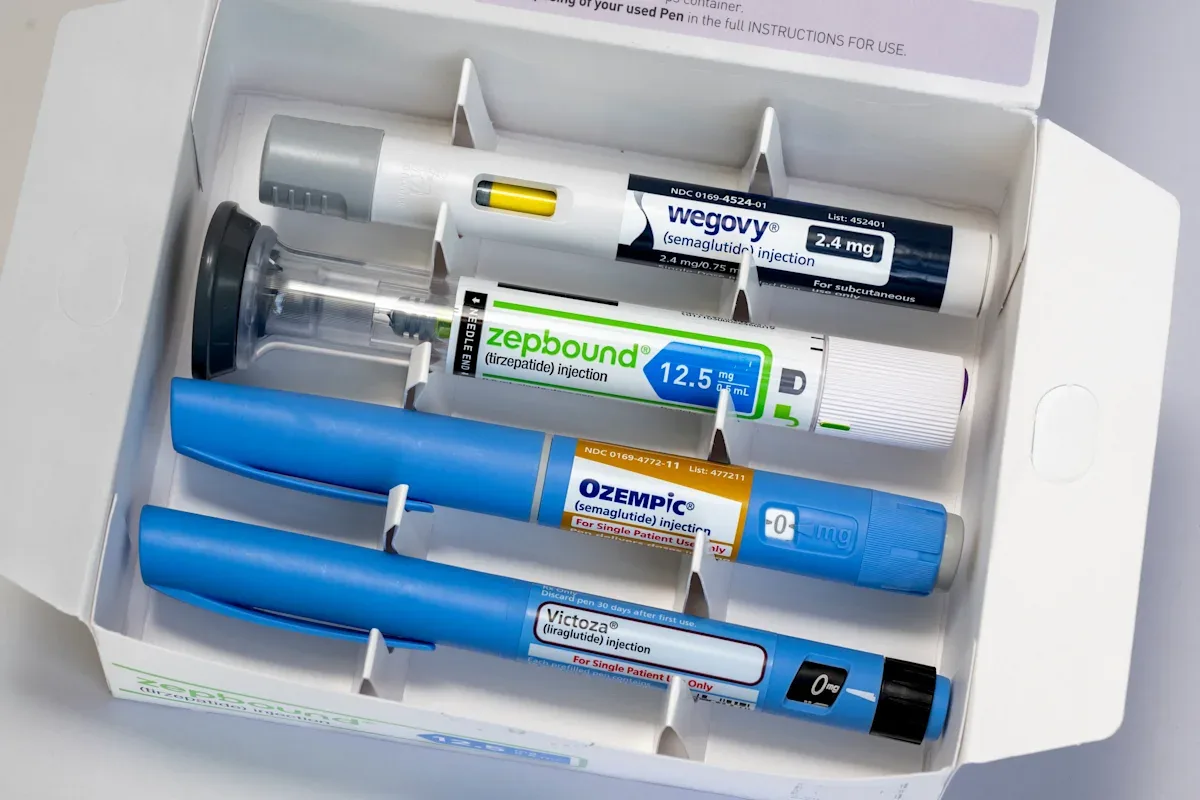
Among the most prominent GLP-1 medications are semaglutide and tirzepatide. Semaglutide is available under brand names like Ozempic (for type 2 diabetes) and Wegovy (for chronic weight management), and Rybelsus (an oral formulation for type 2 diabetes). It has shown remarkable efficacy in lowering blood sugar and promoting substantial weight loss. Tirzepatide, marketed as Mounjaro (for type 2 diabetes) and Zepbound (for chronic weight management), is a dual GIP and GLP-1 receptor agonist. This dual action means it targets two key incretin hormones, leading to even more potent effects on blood glucose control and weight reduction compared to GLP-1 agonists alone. Both medications are typically administered via injection, with varying dosing schedules depending on the specific drug and treatment goal.
Precision tracking for your journey
Join thousands using Shotlee to accurately track GLP-1 medications and side effects.
📱 Get the Shotlee App
Track your GLP-1 medications, peptides, and health metrics on the go with our mobile app!
| Medication | Primary Indication(s) | Mechanism | Common Brand Names |
|---|---|---|---|
| Semaglutide | Type 2 Diabetes, Chronic Weight Management | GLP-1 Receptor Agonist | Ozempic, Wegovy, Rybelsus |
| Tirzepatide | Type 2 Diabetes, Chronic Weight Management | GIP and GLP-1 Receptor Agonist | Mounjaro, Zepbound |
What is MAHA (Maximum Healthspan Aging)?
The concept of MAHA, or Maximum Healthspan Aging, represents a paradigm shift in how we view aging. Instead of focusing solely on extending lifespan, MAHA emphasizes maximizing the period of life spent in good health, vitality, and functional independence. It's about adding life to years, not just years to life. This approach recognizes that chronological age is just a number, and what truly matters is biological age and the quality of one's health throughout the aging process. MAHA involves a proactive and holistic strategy that integrates cutting-edge medical interventions, personalized lifestyle choices, and continuous health monitoring to prevent or delay the onset of age-related diseases and functional decline.
Strategies for Achieving Maximum Healthspan
Achieving MAHA involves a multi-pronged approach that addresses various aspects of health. Key strategies include:
- Personalized Nutrition: Tailoring dietary intake to individual metabolic needs, genetic predispositions, and health goals, often incorporating principles of intermittent fasting or specific macronutrient ratios.
- Regular Exercise: Engaging in a balanced fitness regimen that includes cardiovascular training, strength training, flexibility, and balance exercises to maintain muscle mass, bone density, and cardiovascular health.
- Optimized Sleep: Prioritizing consistent, high-quality sleep, which is crucial for cellular repair, hormonal balance, and cognitive function.
- Stress Management: Implementing techniques such as mindfulness, meditation, or yoga to mitigate the detrimental effects of chronic stress on the body.
- Advanced Health Monitoring: Utilizing tools and technologies for continuous tracking of vital signs, biomarkers, and physiological responses to interventions. This is where platforms like Shotlee can be invaluable, helping individuals log symptoms, track medication adherence, and monitor key health metrics over time.
- Targeted Therapies: Exploring evidence-based interventions, including peptide therapies and GLP-1 receptor agonists, under medical supervision to address specific health challenges or optimize physiological functions.
Integrating New Wellness Tools with Shotlee
The rapid advancements in peptide therapy, GLP-1 medications, and the broader MAHA philosophy necessitate sophisticated tools for managing one's health journey. This is where digital health platforms like Shotlee become essential. For individuals undergoing treatment with semaglutide, tirzepatide, or exploring peptide therapies, meticulously tracking key data points is paramount. Shotlee can help users record medication dosages, injection sites, and timing, ensuring adherence to prescribed regimens. Furthermore, it allows for the logging of dietary intake, exercise routines, sleep patterns, and subjective well-being, providing a comprehensive overview of lifestyle factors influencing treatment outcomes.
By centralizing this information, Shotlee empowers users and their healthcare providers to identify trends, assess the effectiveness of different interventions, and make informed adjustments to treatment plans. For example, a user might notice a correlation between certain foods and their energy levels, or track how their weight loss progresses alongside their exercise consistency. This data-driven approach is fundamental to the principles of MAHA, enabling a personalized and adaptive strategy for achieving maximum healthspan. The ability to monitor symptoms, side effects, and overall progress in one accessible place can significantly enhance the efficacy and safety of these advanced wellness treatments.
Practical Takeaways for Your Wellness Journey
Embarking on a journey that incorporates advanced wellness strategies requires a proactive and informed approach. Here are some practical steps:
- Consult Healthcare Professionals: Always discuss any new therapies, including peptides and GLP-1 medications, with your doctor. They can assess your individual needs, potential risks, and benefits.
- Prioritize Lifestyle Foundations: Remember that even the most advanced treatments are most effective when supported by a healthy diet, regular exercise, adequate sleep, and stress management.
- Embrace Data Tracking: Utilize tools like Shotlee to monitor your progress, adherence, and any changes in your well-being. This data is invaluable for optimizing your treatment plan.
- Stay Informed: The fields of peptide therapy and GLP-1 research are constantly evolving. Stay curious and informed about new developments from reputable sources.
- Focus on Healthspan: Shift your focus from merely extending life to enhancing the quality of your life at every stage.
Conclusion
The convergence of peptide therapies, GLP-1 receptor agonists like semaglutide and tirzepatide, and the philosophy of Maximum Healthspan Aging (MAHA) heralds a transformative era in personal health and longevity. These innovations offer unprecedented opportunities for individuals to take control of their metabolic health, manage weight effectively, and optimize their overall well-being for a longer, healthier life. By understanding the science behind these advancements and integrating them with a holistic approach to lifestyle and continuous health monitoring, we can move towards a future where aging is not just about survival, but about thriving. Tools like Shotlee play a critical role in this journey, providing the data and insights needed to navigate these complex yet exciting new frontiers in wellness.