
The Challenge of Maintaining Weight Loss After GLP-1 Therapy
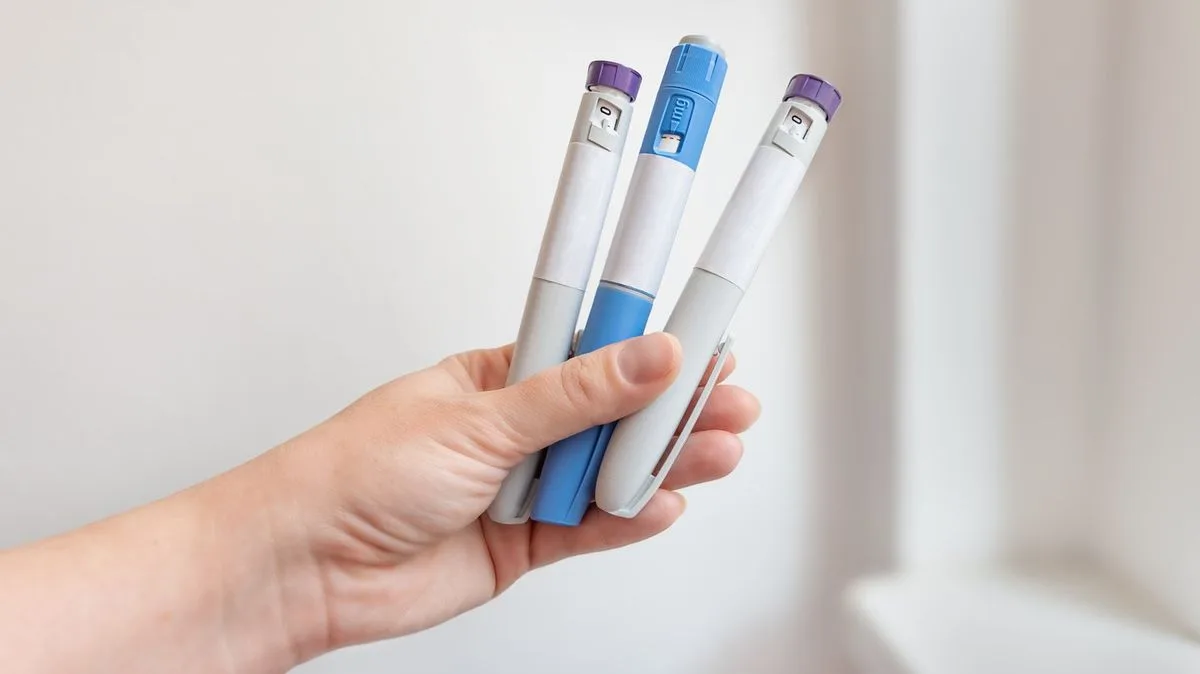
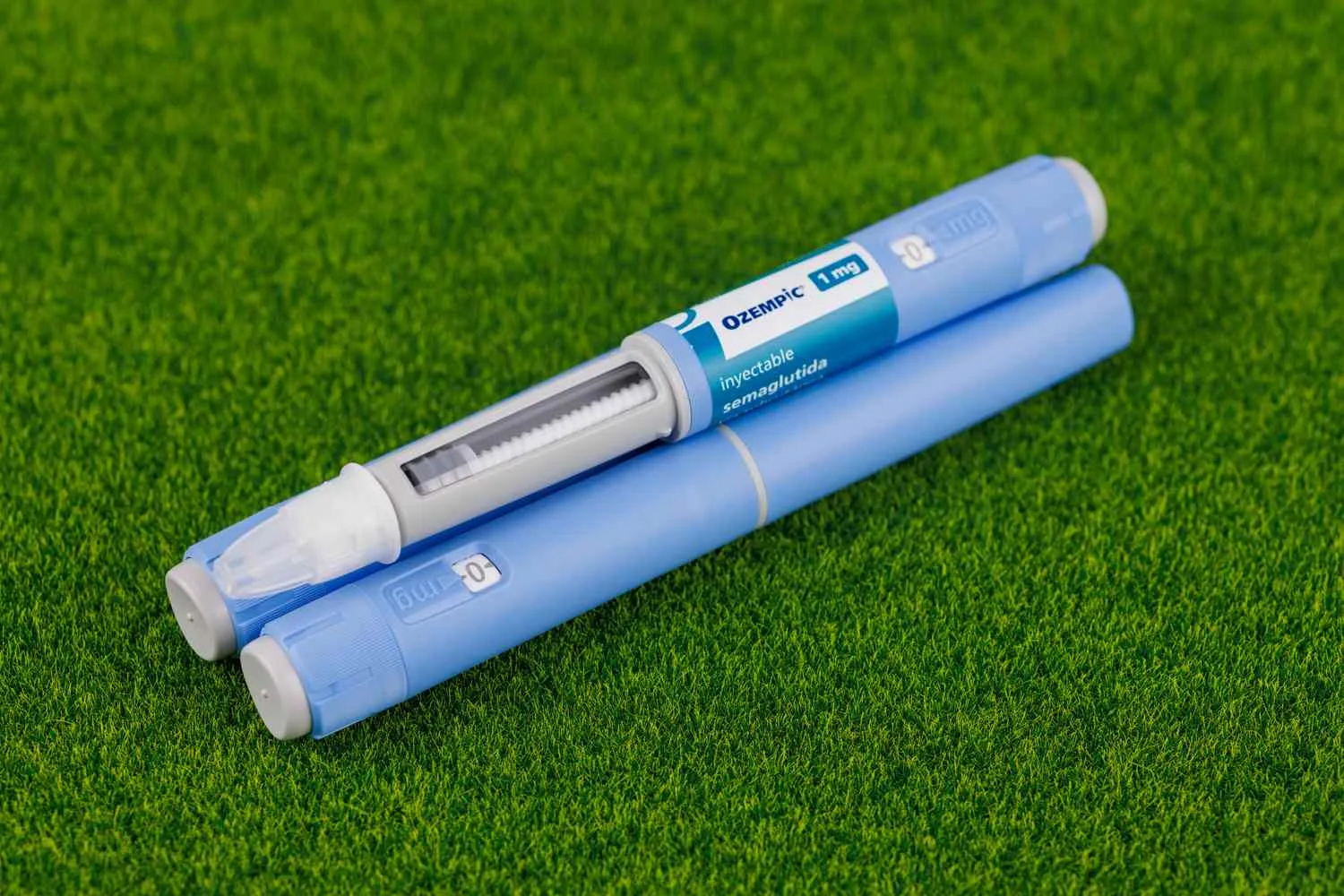
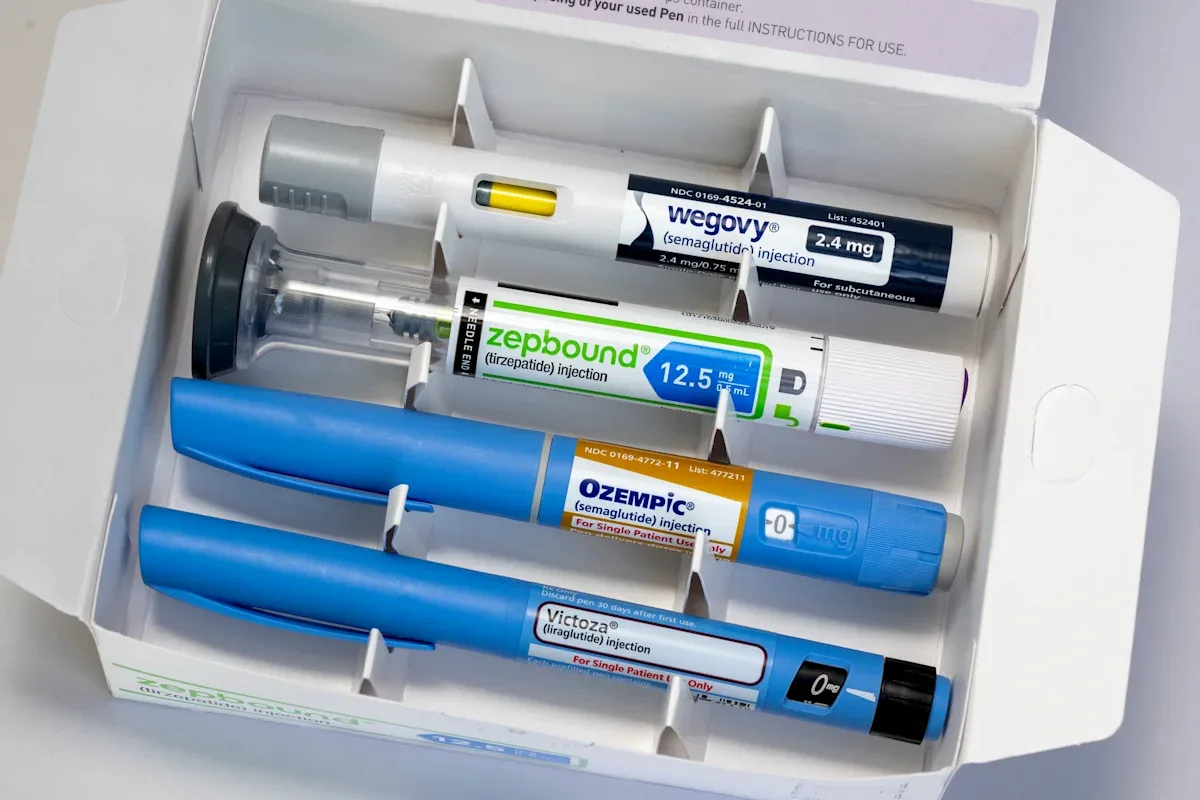
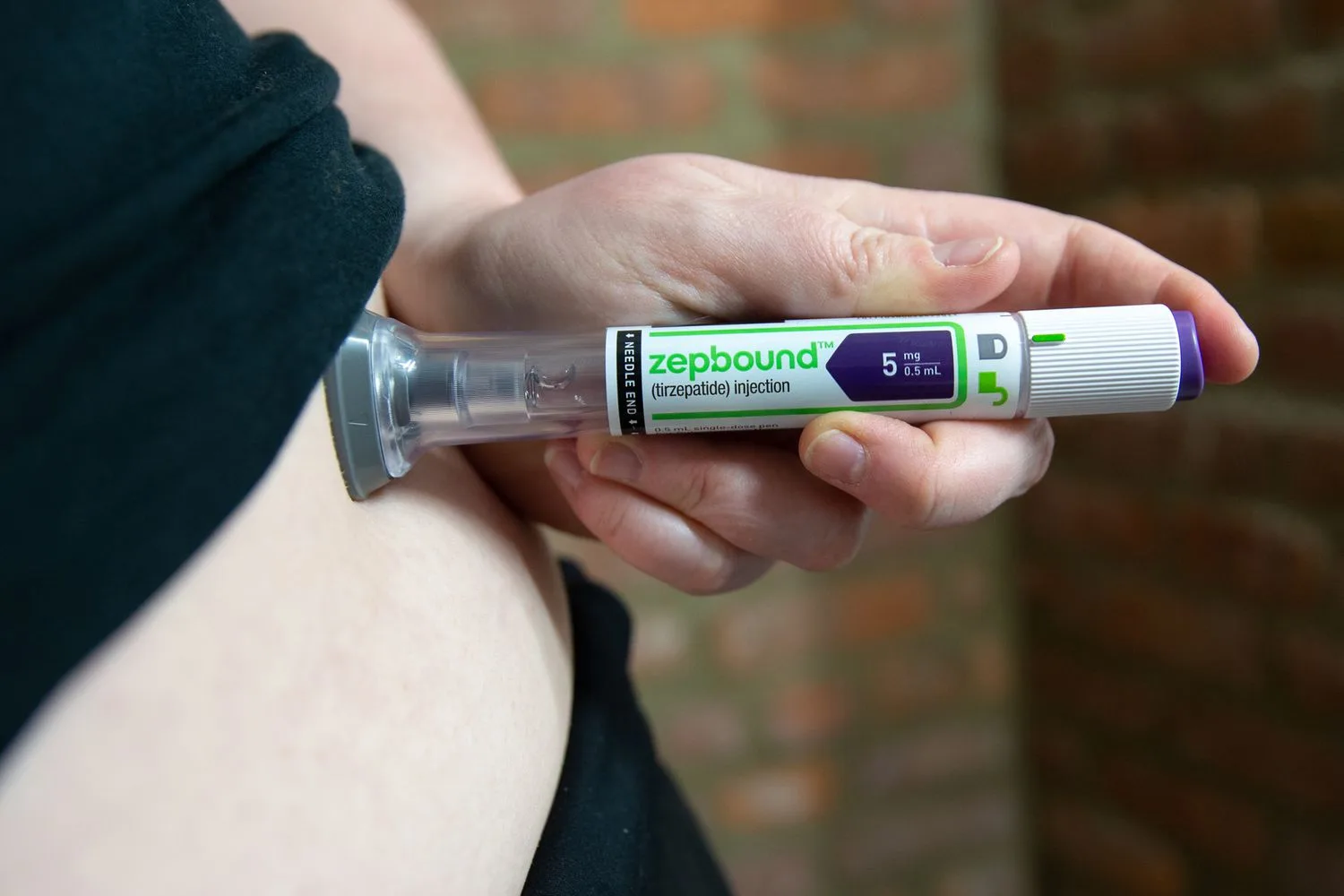
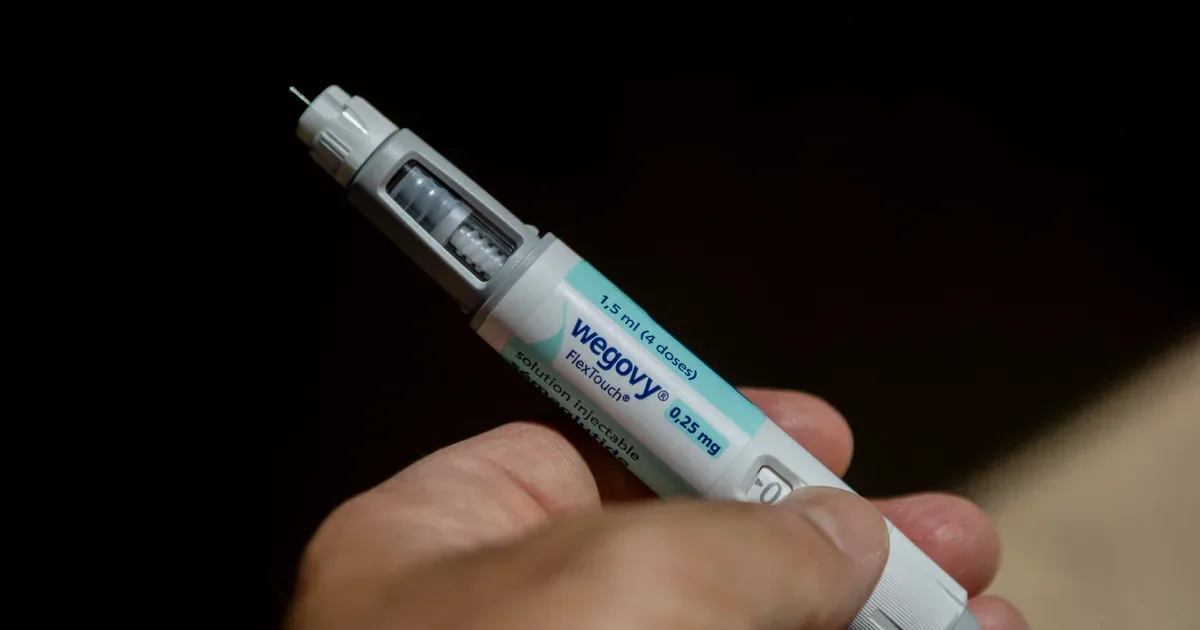
For millions, GLP-1 receptor agonists, including popular medications like semaglutide (Ozempic, Wegovy) and tirzepatide (Mounjaro, Zepbound), have been a transformative tool for weight loss and managing conditions like type 2 diabetes. These drugs work by mimicking gut hormones that regulate appetite, promote satiety, and improve blood sugar control, leading to significant reductions in body weight for many users.
However, a critical question looms large for individuals who have achieved their weight loss goals with these powerful medications: What happens when treatment stops? The reality, as highlighted by numerous studies and patient experiences, is that weight regain can be rapid and substantial. One study indicated that individuals often return to their pre-treatment weight within about 18 months of discontinuing GLP-1s. Another found that weight is regained approximately four times faster after stopping these medications compared to discontinuing traditional diet and exercise programs.
This phenomenon presents a significant hurdle in the long-term management of obesity. Dr. Donna Sullivan, a leading researcher in this field, describes the issue as a "huge problem of weight regain after stopping GLP-1 medications" and an "urgent unmet medical need." She emphasizes that "durable weight loss maintenance is the holy grail of obesity treatment." This underscores the critical need for strategies that can help individuals sustain their weight loss beyond the duration of pharmacological intervention.
Introducing Duodenal Mucosal Resurfacing (DMR)
In the pursuit of this "holy grail," a groundbreaking experimental procedure called duodenal mucosal resurfacing (DMR) is emerging as a potential game-changer. This minimally invasive outpatient procedure is designed to address the physiological mechanisms that may contribute to weight regain after GLP-1 therapy is discontinued.
The procedure involves guiding a flexible endoscope, equipped with a specialized camera, through the patient's mouth, down the esophagus, and into the stomach and duodenum. The duodenum, the first section of the small intestine, is a crucial site for the production of key gut hormones that play a vital role in appetite regulation, satiety, and metabolic signaling. GLP-1 medications work by mimicking the action of these hormones.
During DMR, targeted heat is applied to gently ablate, or burn, the inner lining of the duodenum. The rationale behind this approach stems from the understanding that long-term dietary habits, characterized by high-fat and high-sugar intake, can disrupt the normal function and cellular composition of the duodenal lining. This dysfunction can impair the gut's ability to sense food, absorb nutrients effectively, and send accurate metabolic signals to the brain, liver, and pancreas.
Dr. Sullivan explains that DMR aims to "restore normal function of the duodenum" and essentially "reset" the gut's metabolic signaling pathways. By rejuvenating the duodenal lining, the procedure seeks to re-establish the healthy communication necessary for sustained metabolic health and appetite control.
Promising Early Results from a Clinical Study
Preliminary findings from a recent study, set to be presented at Digestive Diseases Week 2026, offer encouraging evidence for the efficacy of DMR in preventing weight regain. The research enrolled 45 patients who had previously achieved substantial weight loss—averaging about 15% of their body weight, or roughly 40 pounds—using tirzepatide before discontinuing the medication.
Participants were divided into two groups. Twenty-six individuals underwent the experimental DMR procedure, while the remaining participants received a sham procedure, serving as a control group for comparison. The DMR procedure was performed one week after participants stopped taking tirzepatide.
The results were notably positive:
Precision tracking for your journey
Join thousands using Shotlee to accurately track GLP-1 medications and side effects.
📱 Get the Shotlee App
Track your GLP-1 medications, peptides, and health metrics on the go with our mobile app!
- Weight Regain: Patients who underwent the DMR procedure regained significantly less weight compared to the control group. On average, the DMR group regained just seven pounds, maintaining over 80% of their initial weight loss. In contrast, the control group regained approximately double that amount.
- Craving Reduction: Beyond weight maintenance, participants in the DMR group also reported a reduction in cravings for sweets, as assessed through questionnaires.
- Dose-Response and Durability: Dr. Sullivan highlighted that the benefits of DMR appeared to increase over time rather than diminish, and that the treatment exhibited a dose-response relationship, similar to how medications function. This suggests that the procedure is targeting the correct biological mechanisms.
Crucially, no serious complications were reported during the study, and patients experienced minimal recovery time, with most able to return to their daily routines within about a day after the procedure.
The Science Behind DMR: Targeting Gut Hormones and Signaling
The duodenum's role in weight regulation is multifaceted. It's a hub for the release of various gut hormones, including GLP-1, GIP (glucose-dependent insulinotropic polypeptide), and CCK (cholecystokinin). These hormones are integral to the complex interplay between the gut and the brain, influencing:
- Appetite and Satiety: Signaling to the brain when to start and stop eating.
- Gastric Emptying: Controlling how quickly food leaves the stomach.
- Insulin Secretion: Regulating blood sugar levels.
- Nutrient Sensing: Detecting the presence of carbohydrates, fats, and proteins.
When the duodenal lining is compromised by chronic unhealthy eating patterns, these signaling pathways can become dysregulated. This can lead to a reduced sensitivity to satiety signals, increased hunger, and a propensity for cravings, making weight maintenance difficult even after losing weight.
DMR intervenes by essentially ablating the damaged or dysfunctional superficial layers of the duodenal mucosa. This process is believed to stimulate a regenerative response, leading to the growth of new, healthier tissue. This regenerated lining may then be better equipped to produce and respond to gut hormones, thereby restoring more effective metabolic signaling and potentially mitigating the weight regain observed after GLP-1 cessation.
Weighing the Risks and Benefits of Weight Management Strategies
The implications of effective weight management extend far beyond aesthetics. Obesity is a complex chronic disease linked to a multitude of serious health complications, including:
- Type 2 diabetes
- Heart disease and hypertension
- Stroke
- Fatty liver disease
- Sleep apnea
- Osteoarthritis
- Certain types of cancer
These conditions not only reduce quality of life but also significantly shorten life expectancy. In the United States, approximately 40% of adults are considered obese, with projections indicating this number could rise to over 65% by 2050 if current trends continue without effective interventions. The societal and individual costs associated with obesity are immense, driving higher healthcare expenditures and impacting overall public health.
While GLP-1 medications have offered a powerful new avenue for weight loss, the challenge of long-term maintenance remains. Procedures like DMR, if proven safe and effective in larger trials, could offer a novel adjunctive therapy. The prospect of a procedure that can "reset" the gut's metabolic signaling could be invaluable for individuals who have achieved significant weight loss and wish to sustain their results, potentially reducing the reliance on long-term medication or mitigating the rapid regain that often follows its discontinuation.
Practical Takeaways and Future Directions
The development of DMR represents a significant step forward in the quest for sustainable weight management. While still experimental, the early results are highly promising:
- Addressing a Key Problem: DMR directly targets the issue of weight regain after stopping GLP-1 medications, a major concern for many patients.
- Minimally Invasive: The procedure is outpatient and requires minimal recovery time, making it a potentially convenient option.
- Promising Efficacy: Early data suggest it can help maintain a substantial portion of lost weight and reduce cravings.
- Future Potential: Researchers are exploring its applicability for weight maintenance after other weight loss methods, such as traditional dieting.
For individuals using GLP-1s, it's important to discuss any concerns about weight regain with their healthcare provider. While DMR is not yet widely available, its development signals a future where more comprehensive solutions for long-term weight management may exist. Tracking your progress, including weight, symptoms, and medication adherence, can be crucial for informed discussions with your doctor. Tools like Shotlee can help you meticulously record and analyze this health data, providing valuable insights for your treatment journey.
Conclusion
The journey to achieving and maintaining a healthy weight is complex. GLP-1 medications have revolutionized treatment for many, but the challenge of preventing weight regain after cessation remains a significant hurdle. The experimental duodenal mucosal resurfacing (DMR) procedure offers a beacon of hope, demonstrating in early studies the potential to restore healthy gut signaling and help individuals sustain their weight loss. As research progresses, DMR could become a vital tool in the comprehensive management of obesity, complementing pharmacological and lifestyle interventions to promote long-term health and well-being.