
The Rise of GLP-1 Medications: Beyond Diabetes Treatment
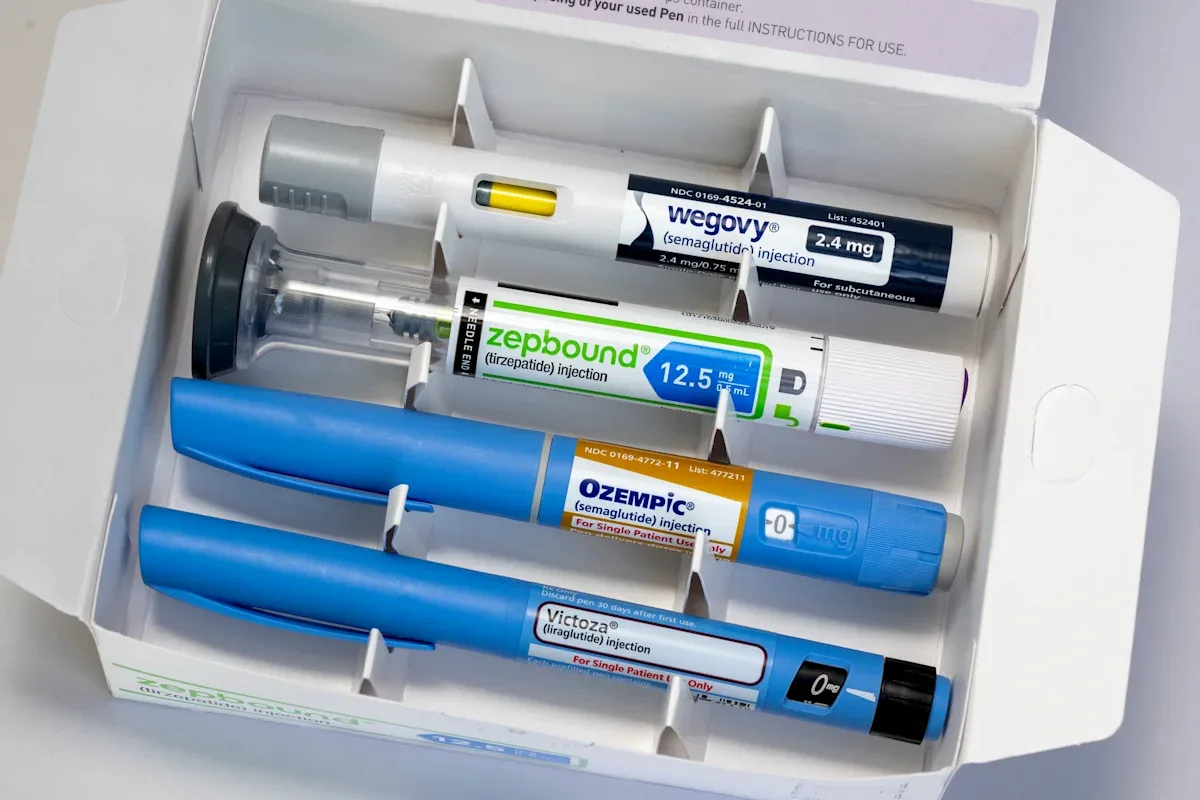
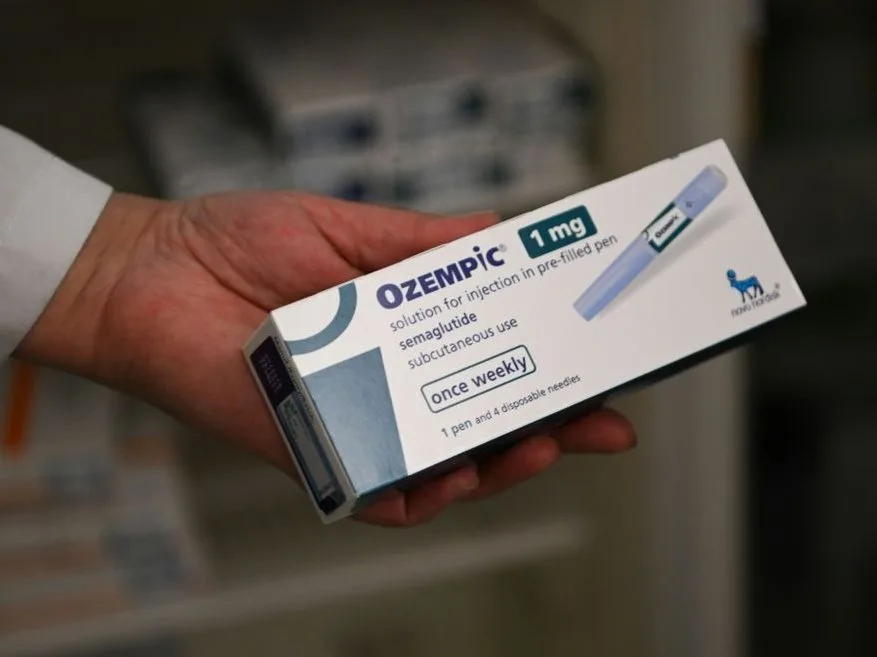
Originally developed to manage type 2 diabetes, glucagon-like peptide-1 (GLP-1) receptor agonists have rapidly transcended their initial therapeutic purpose. Medications such as semaglutide (marketed as Ozempic for diabetes and Wegovy for weight loss) and tirzepatide (marketed as Mounjaro for diabetes and Zepbound for weight loss) are now recognized as significant disruptors, not just within the healthcare sector, but across the broader economy. Their profound impact on appetite regulation and subsequent weight loss has positioned them as a consequential force reshaping consumer behavior and, by extension, Canada's vast agri-food industry.
These drugs are no longer confined to a niche medical audience. Instead, they represent a significant shift towards mainstream adoption, influencing millions of Canadians and creating what can be described as a substantial demand shock. This evolution signifies a pivotal moment, moving beyond a simple healthcare story to one that has far-reaching economic and societal implications.
Projected Adoption and Economic Impact
Estimates suggest a dramatic increase in the use of GLP-1 medications in Canada. Projections indicate that by the end of the current year, over two million Canadians could be utilizing these drugs, with the primary indication being weight loss. More recent data points to an even faster adoption rate, with usage already approaching 8% of the adult population, which translates to roughly three million individuals. This represents a significant surge from the approximately 4% to 5% observed in late 2025, effectively doubling usage in just over a year.
This rapid escalation in adoption has profound economic ramifications. As more Canadians embrace these therapies for weight management, their dietary habits and subsequent spending patterns are undergoing a noticeable transformation. This creates a ripple effect throughout the food supply chain, influencing everything from agricultural production to retail sales.
Consumer Behavior Shifts Driven by GLP-1 Therapies
The core mechanism behind the widespread impact of GLP-1 drugs lies in their ability to regulate appetite and promote satiety. Emerging consumer data consistently show that individuals undergoing GLP-1 therapy experience a significant reduction in caloric intake. This reduction often surpasses 20% of their usual consumption within months of initiating treatment.
This decreased food intake directly translates into altered spending habits. Studies indicate that individuals on these medications tend to reduce their grocery spending by approximately 5% within the same timeframe. This shift is not just about consuming less; it's about a fundamental change in dietary patterns, potentially leading to a decreased demand for certain food categories and an increased demand for others that align with a more controlled caloric intake. For individuals managing their health journey, tracking these changes can be invaluable. Tools like Shotlee can help users meticulously record their food intake, monitor symptom changes, and log medication doses, providing a comprehensive overview of their progress and helping them understand the real-world impact of their treatment.
Implications for Canada's Agri-Food Economy
The structural force reshaping consumer behavior inevitably impacts Canada's agri-food economy. A widespread reduction in overall food consumption, particularly in calorie-dense items, can lead to significant shifts in demand for various agricultural products. This could affect producers of grains, meats, dairy, and processed foods, potentially requiring adjustments in production levels and product development.
Precision tracking for your journey
Join thousands using Shotlee to accurately track GLP-1 medications and side effects.
📱 Get the Shotlee App
Track your GLP-1 medications, peptides, and health metrics on the go with our mobile app!
Potential Changes in Demand
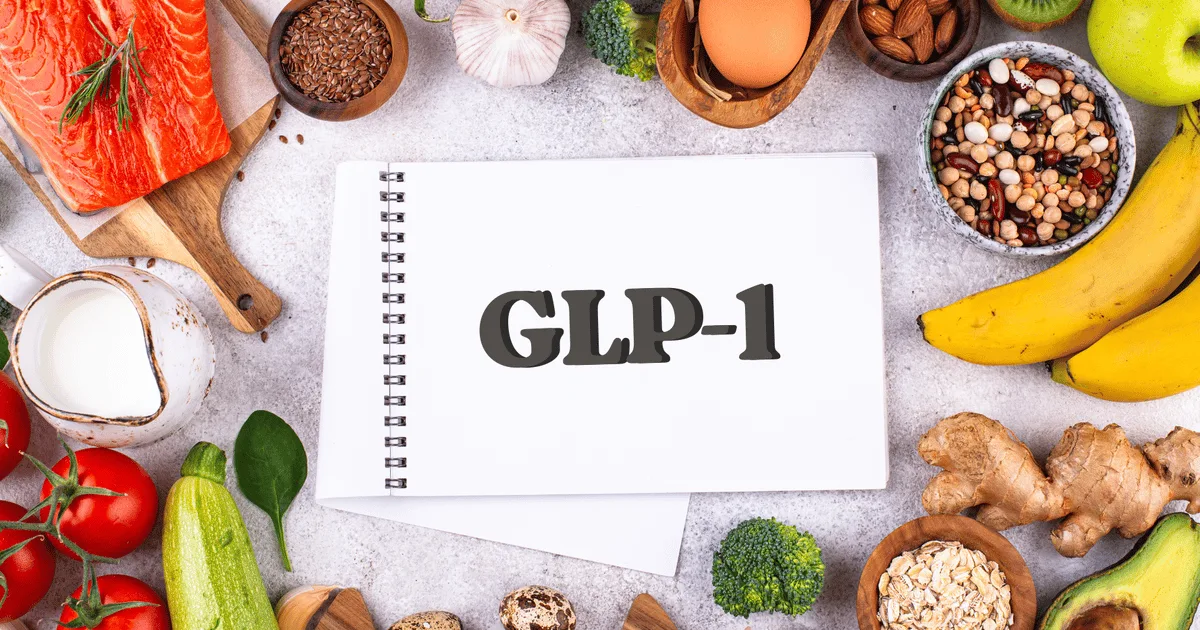
- Reduced Demand for High-Calorie Foods: Products high in sugar, fat, and refined carbohydrates may see a decrease in consumption as individuals on GLP-1 therapies prioritize nutrient-dense, lower-calorie options.
- Increased Demand for Lean Proteins and Vegetables: A focus on satiety and nutrient intake could drive greater demand for lean meats, poultry, fish, and a wider variety of fruits and vegetables.
- Impact on Processed Foods: The convenience of processed foods might be less appealing if they do not align with stricter caloric goals, potentially leading to a decline in their market share.
- Shift in Portion Sizes: Even for preferred foods, the overall quantity consumed will likely decrease, influencing packaging and product sizing strategies.
The Future of Food Retail and Production
The agri-food sector will likely need to adapt to these evolving consumer preferences. This could involve:
- Product Innovation: Developing and marketing new products that are lower in calories, higher in protein and fiber, and specifically cater to the needs of individuals managing their weight.
- Marketing Strategies: Shifting marketing messages to emphasize health benefits, satiety, and nutritional value rather than simply taste or indulgence.
- Supply Chain Adjustments: Rethinking agricultural output and food manufacturing processes to align with projected demand shifts.
The availability of these medications at potentially lower costs in the future, as suggested by the original article, could further accelerate these trends, making the impact even more pronounced.
Navigating the GLP-1 Era: A Practical Guide
For individuals embarking on a GLP-1 therapy journey, understanding the broader implications and making informed choices is crucial. This journey is not solely about medication; it's about adopting a healthier lifestyle supported by informed decisions.
Key Considerations for Patients
- Consult Your Healthcare Provider: Always discuss any concerns or changes in diet and lifestyle with your doctor or a registered dietitian.
- Focus on Nutrient Density: Prioritize whole, unprocessed foods that provide essential vitamins and minerals while keeping calorie counts in check.
- Hydration is Key: Ensure adequate water intake, as it plays a vital role in metabolism and overall health.
- Mindful Eating: Pay attention to hunger and fullness cues, even with reduced appetite, to foster a healthier relationship with food.
- Monitor Your Progress: Keep track of your food intake, physical activity, weight changes, and any side effects. Tools like Shotlee can be instrumental in this process, offering a centralized platform for logging vital health data and tracking your journey effectively.
The Role of Technology in Health Management
In an era of transformative medical treatments like GLP-1 therapies, leveraging technology can significantly enhance patient outcomes. Digital health platforms are becoming indispensable for:
- Symptom Tracking: Documenting any gastrointestinal discomfort, nausea, or other side effects.
- Dose Management: Ensuring accurate and timely administration of medication.
- Nutritional Logging: Recording meals and snacks to understand caloric intake and dietary patterns.
- Activity Monitoring: Integrating exercise data to complement weight management efforts.
By providing a structured way to record and analyze this information, these tools empower individuals and their healthcare providers to make data-driven decisions, optimizing the therapeutic benefits and managing potential challenges.
Looking Ahead: The Evolving Landscape
The widespread adoption of GLP-1 medications marks a significant turning point for both public health and the economy. As these therapies become more accessible and their usage continues to climb, the ripple effects will become increasingly apparent across various sectors. The agri-food industry, in particular, faces a period of adaptation and innovation. Consumers, empowered by new treatment options, are reshaping their dietary habits and spending patterns. This dynamic interplay between medical advancements, consumer behavior, and economic structures will continue to evolve, making it essential for all stakeholders to stay informed and prepared for the changes ahead.
The journey with GLP-1 medications is multifaceted, extending beyond the clinical setting to influence our daily lives and the very fabric of our food system. By embracing a holistic approach that combines medical guidance, mindful lifestyle choices, and the support of innovative health tracking tools, individuals can navigate this new era with confidence and achieve their health goals.