
The Shifting Landscape of Body Image and Weight Management
In recent years, the conversation around body image and weight management has been a complex and evolving one. For a significant period, a powerful movement advocating for body positivity, inclusivity, and the celebration of diverse body shapes and sizes gained considerable momentum. This era encouraged individuals to embrace their unique forms, fostering a sense of self-acceptance regardless of societal beauty standards. However, the recent surge in the popularity of weight loss medications, particularly GLP-1 receptor agonists, has led some prominent figures to express concerns that this pendulum might be swinging back, potentially undermining years of progress in body acceptance.
Ashley Graham's Perspective on GLP-1 Medications
Ashley Graham, a globally recognized plus-size model and a vocal advocate for body diversity, has recently shared her candid thoughts on the increasing prevalence of weight loss drugs. Speaking in an interview with Marie Claire, Graham articulated her feelings of disappointment, describing the trend as a "smack in the face" to the body positivity movement and the women who have found their voice in advocating for self-love and acceptance.
Graham, known for her work on runways, magazine covers, and in music videos, has consistently championed the idea that beauty comes in all forms. She recalled a time when the focus was on celebrating women's bodies, irrespective of their size. "There was a pendulum that swung that was so body acceptance, positivity, everybody be who they want to be. And now it's going back this whole opposite way that feels like a smack in the face to the women who have felt like they've had a voice," she stated.
Understanding GLP-1 Receptor Agonists
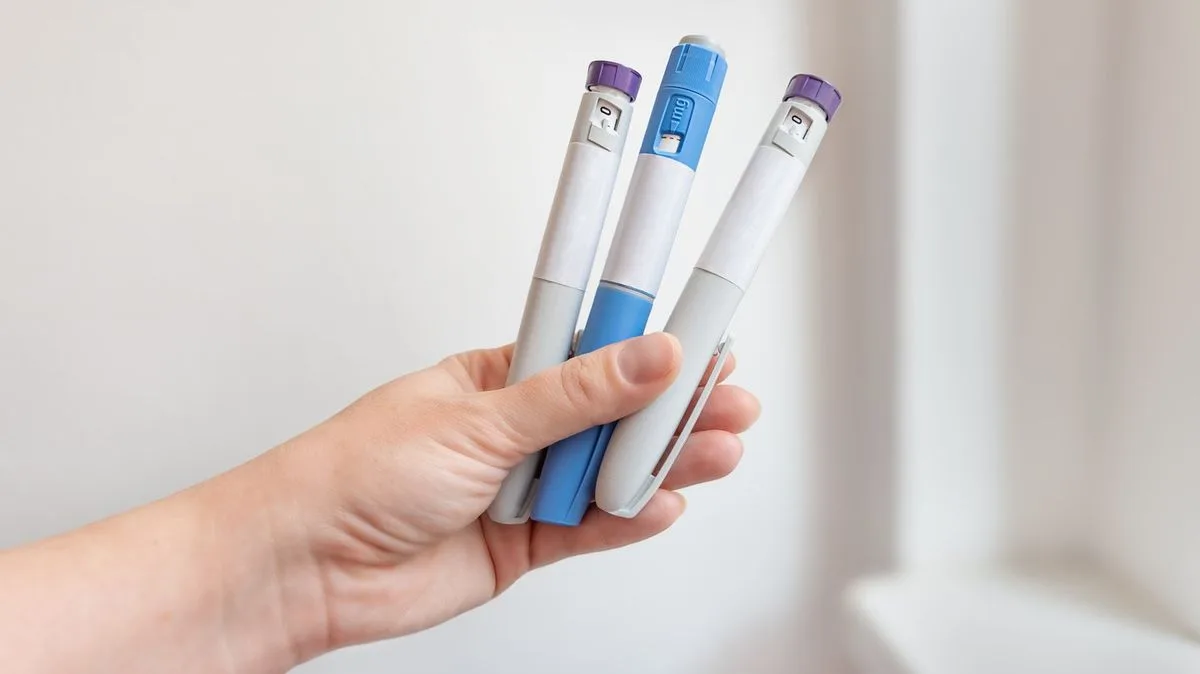
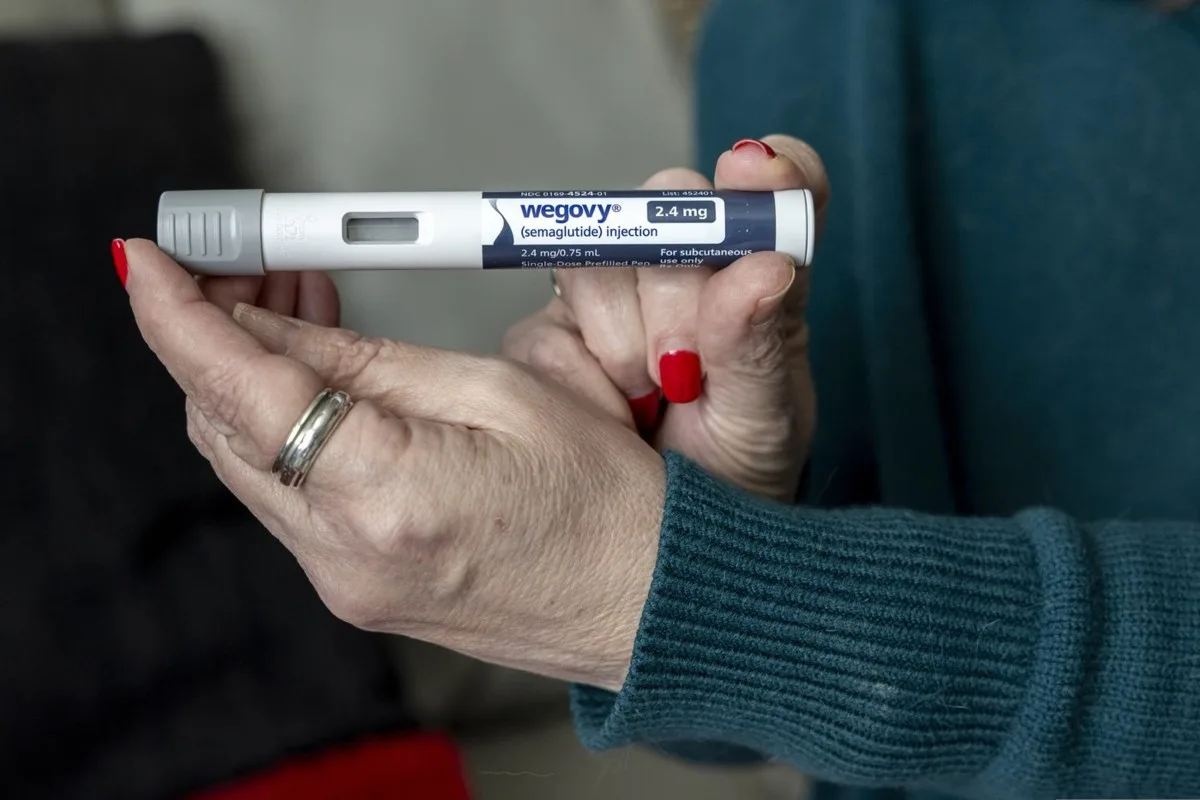
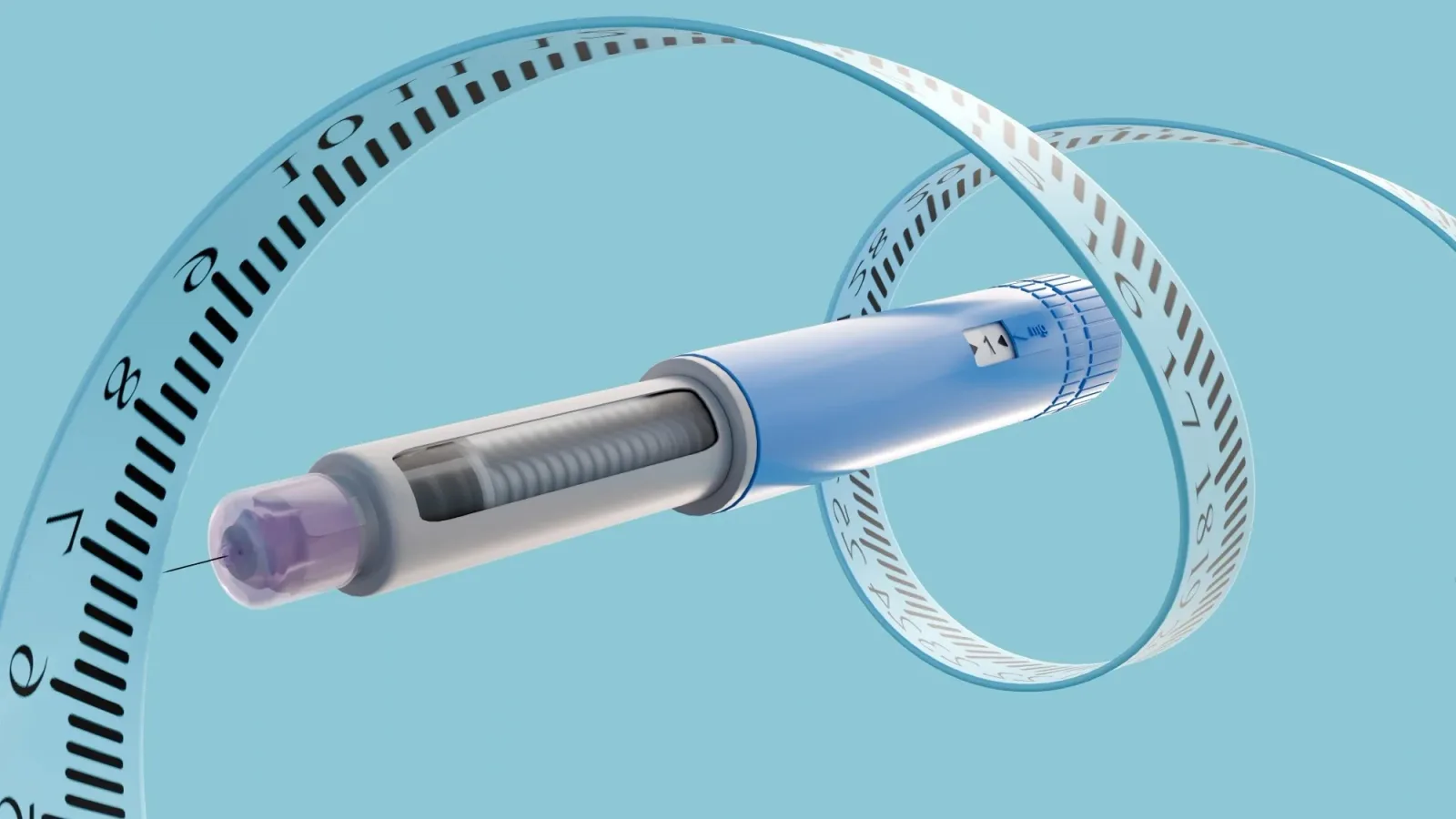
The medications Graham is referring to are primarily GLP-1 receptor agonists, a class of drugs that have gained significant attention for their efficacy in weight loss. These medications, which include popular brands like Ozempic and Wegovy (semaglutide) and Mounjaro (tirzepatide), were initially developed for managing type 2 diabetes. They work by mimicking the action of a natural hormone called glucagon-like peptide-1 (GLP-1), which helps regulate blood sugar levels, slows down gastric emptying, and promotes a feeling of fullness, thereby reducing appetite and leading to weight loss.
While these drugs offer a powerful tool for individuals struggling with obesity and related health conditions, their widespread use for aesthetic weight loss has sparked debate. The ULC reported that 1.6 million adults in the UK have used GLP-1 drugs for weight reduction, highlighting the scale of this trend.
The Impact on Body Positivity and Inclusivity
Graham views the current enthusiasm for GLP-1s as a temporary trend rather than a permanent shift. She expressed optimism that these medications are unlikely to completely erase the presence and visibility of plus-size women. "I know that there are and there's gonna still be women who are considered plus size forever. This drug isn't going to wipe out a whole statistic of women," she asserted. Her stance emphasizes the enduring presence and importance of diverse body types in society.
Precision tracking for your journey
Join thousands using Shotlee to accurately track GLP-1 medications and side effects.
📱 Get the Shotlee App
Track your GLP-1 medications, peptides, and health metrics on the go with our mobile app!
Despite her concerns about the direction the conversation is taking, Graham remains committed to her advocacy. She highlighted the continued efforts of many women who are actively promoting body positivity and challenging conventional beauty standards. "And to me, that's the coolest part about all of this," she remarked, referring to the younger generation who, influenced by social media, are now empowered to champion self-acceptance. "Seeing that these girls, who were raised on social media at such a young age are now coming in and they have a platform to say to the younger generation, 'Be yourself, be who you want to be. If you have cellulite, who cares?'"
Advocating for All Women
Graham's advocacy extends beyond just celebrating different body sizes. She stresses the importance of ensuring that women of all shapes, sizes, and backgrounds have access to clothing that fits them properly and that they can feel confident in themselves. She believes that confidence is not exclusive to any particular body type. "It's incredibly important to continue to advocate for women of all shapes, all sizes, and all backgrounds to have clothes that fit...to have people who don't have confidence, have confidence in themselves. I also don't think that my community is just curvy women. I think it's all kinds of women because, really, confidence at the end of the day, it doesn't discriminate," she explained.
Navigating the Future of Weight Management and Self-Esteem
The rise of GLP-1 medications presents a complex challenge for the ongoing dialogue about body image. On one hand, these drugs offer a medical solution for individuals facing significant health risks associated with obesity, and for many, they represent a breakthrough in managing their weight and improving their health markers. For those using these medications under medical supervision for conditions like type 2 diabetes or obesity, they can be life-changing. Tools like Shotlee can be invaluable for individuals on these journeys, helping them to meticulously track their doses, monitor weight changes, manage side effects, and log their overall health progress, providing crucial data for their healthcare providers.
On the other hand, the broader societal implications of their widespread use, particularly when divorced from medical necessity, are a cause for concern for advocates like Graham. The fear is that the focus on rapid, medication-induced weight loss could inadvertently reinforce the idea that certain body types are inherently less desirable, potentially leading to increased body dissatisfaction and a retreat from the principles of body acceptance and diversity.
The conversation around weight, health, and self-esteem is multifaceted. It requires a balanced approach that acknowledges the medical benefits of advancements in pharmacological treatments while also upholding the importance of self-love, body inclusivity, and mental well-being for everyone. The goal is to foster an environment where individuals can make informed choices about their health and bodies, supported by a society that celebrates diversity and promotes genuine confidence.
Practical Takeaways
- Consult Healthcare Professionals: If considering GLP-1 medications for weight management, always consult with a doctor or qualified healthcare provider to understand the risks, benefits, and suitability for your individual health needs.
- Embrace Body Positivity: Continue to champion and practice body positivity, recognizing that beauty and worth are not determined by size or weight.
- Focus on Holistic Health: Weight management is just one aspect of overall health. Prioritize mental well-being, physical activity, and balanced nutrition.
- Track Your Progress: If using weight loss medications or pursuing lifestyle changes, consider using tools like Shotlee to monitor your journey, track doses, and log health data for better insights.
Conclusion
Ashley Graham's critique of the rising popularity of weight loss drugs like semaglutide and tirzepatide highlights a critical tension between medical advancements and the ongoing fight for body acceptance. While GLP-1s offer significant therapeutic potential for many, their pervasive use raises valid concerns about their impact on societal perceptions of body diversity. As the conversation continues, it is essential to balance the pursuit of health with the unwavering commitment to self-love and the celebration of all body types, ensuring that progress in body positivity is not reversed.