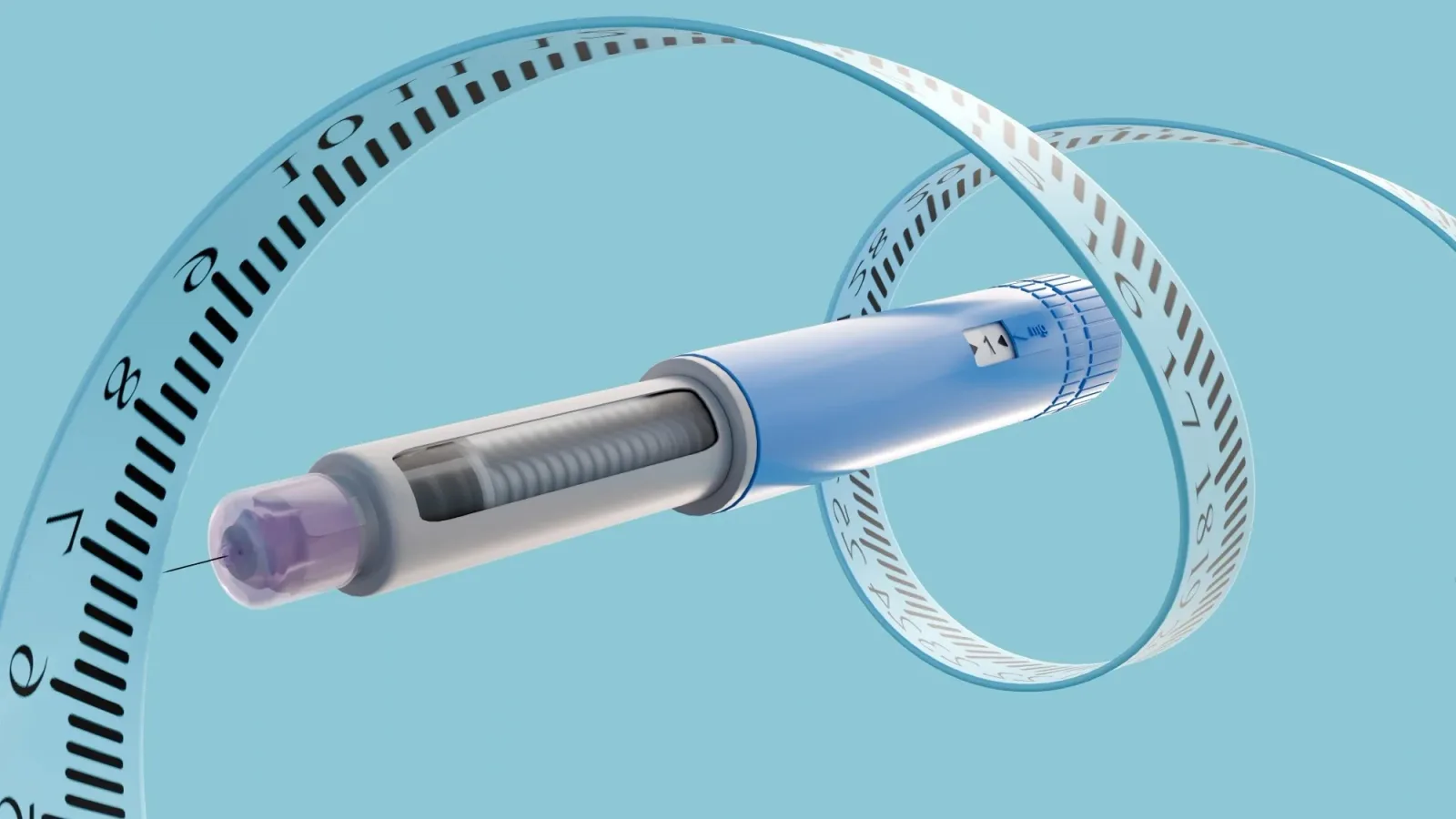

The Natural Power of GLP-1: More Than Just a Prescription
In recent years, the spotlight has intensely focused on GLP-1 receptor agonists – medications like Ozempic, Wegovy, Mounjaro, and Zepbound – for their remarkable effects on weight loss and blood sugar management. These drugs mimic a natural hormone produced by your body called glucagon-like peptide-1 (GLP-1).
But here's a crucial detail often overlooked: GLP-1 isn't a foreign substance. Your own gut produces it every time you consume food. This naturally occurring hormone plays a vital role in regulating appetite, slowing digestion, and signaling to your brain when you've had enough to eat. The critical question, then, isn't whether your body can produce GLP-1, but rather how effectively it's doing so.
Emerging research suggests that your dietary choices can significantly influence your body's natural GLP-1 production, offering a pathway to enhanced appetite control and metabolic health without the need for prescriptions. This article explores the science behind this natural approach and highlights the specific dietary components that can help you harness your body's own GLP-1 power.
The Science of Soluble Fiber: Your Gut's GLP-1 Catalyst
Not all dietary fibers are created equal when it comes to stimulating GLP-1. The real star of the show is soluble fiber. Unlike insoluble fiber, which primarily adds bulk and aids in regular bowel movements, soluble fiber dissolves in water to form a viscous, gel-like substance within your digestive tract.
This gel-like consistency is the key to its metabolic benefits. It acts as a natural brake on digestion, slowing down the rate at which food empties from your stomach. This slower gastric emptying leads to a more gradual rise in blood sugar levels after meals, preventing sharp spikes and subsequent energy crashes. Crucially, this prolonged presence of food in the gut provides your enteroendocrine cells with more time and opportunity to release GLP-1.
Once released, GLP-1 travels to the brain, where it signals satiety, helping you feel fuller for longer. It also influences insulin secretion and can help reduce appetite, making it a powerful ally in weight management and overall metabolic well-being.
Top Food Sources for Boosting Natural GLP-1
Incorporating the right types of fiber into your daily diet is a practical and effective way to support your body's natural GLP-1 production. Here are some of the most potent food sources:
- Buckwheat, Oats, and Barley: These grains are rich in beta-glucan, a well-researched soluble fiber known for its significant GLP-1 activating properties. A warm bowl of oatmeal or buckwheat porridge in the morning can kickstart your metabolism and promote sustained fullness. (Note: Individuals with gluten sensitivities should opt for certified gluten-free oats and buckwheat.)
- Apples, Citrus Fruits, and Carrots: These fruits and vegetables are excellent sources of pectin, another highly effective soluble fiber. Pectin forms a particularly viscous gel in the digestive system, which not only slows glucose absorption but also significantly extends feelings of satiety, helping to curb cravings between meals.
- Beans, Lentils, and Chickpeas: Legumes are fiber powerhouses, boasting a substantial amount of soluble fiber alongside plant-based protein. This powerful combination makes them exceptionally effective at triggering GLP-1 release and promoting lasting fullness for several hours after consumption.
- Flaxseeds and Chia Seeds: Both of these tiny seeds are remarkable for their ability to form a thick gel when exposed to liquid. For optimal benefits, be sure to soak chia seeds in water before consuming and use ground flaxseeds, as they are more easily digestible. Adding them to yogurt, smoothies, or oatmeal is an easy way to boost your daily fiber intake and support GLP-1 production.
- Onions, Garlic, and Leeks: These alliums contain inulin, a type of prebiotic fiber. Inulin acts as food for beneficial gut bacteria, which in turn produce short-chain fatty acids (SCFAs). SCFAs are known to stimulate the release of GLP-1, further enhancing your body's natural signaling pathways.
Clinical Insights: The Impact of Soluble Fiber on GLP-1 and Satiety
The link between soluble fiber and enhanced GLP-1 activity is not just theoretical; it's backed by scientific study. A notable clinical trial, published in a reputable scientific journal, investigated the effects of a concentrated soluble fiber complex, primarily derived from pectin, on healthy adults.
Precision tracking for your journey
Join thousands using Shotlee to accurately track GLP-1 medications and side effects.
📱 Get the Shotlee App
Track your GLP-1 medications, peptides, and health metrics on the go with our mobile app!
The study design was straightforward: participants consumed the fiber supplement before meals. The results were compelling. Researchers observed a significant spike in GLP-1 levels precisely at mealtime, which is when the body most benefits from appetite-regulating signals. This surge in GLP-1 was associated with a marked reduction in hunger, with participants reporting feeling less hungry for up to three and a half hours post-meal.
Furthermore, the study noted a reduced desire to snack or eat larger portions. The participants also exhibited measurably lower post-meal blood sugar levels, indicating a more stable energy profile throughout the day and fewer instances of the dreaded afternoon slump. This research underscores the direct impact that targeted dietary interventions can have on hormonal responses related to appetite and metabolic regulation.
| Outcome Measured | Effect of Soluble Fiber Supplementation |
|---|---|
| GLP-1 Levels | Significant spike at mealtime |
| Hunger Levels | Reduced for up to 3.5 hours post-meal |
| Desire to Snack/Overeat | Decreased |
| Post-Meal Blood Sugar | Measurably lower and more stable |
Integrating Fiber for Sustainable Health
The takeaway from this research is empowering: GLP-1 is not an external agent you need to inject; it's an intrinsic part of your body's sophisticated internal systems. Your diet, particularly the inclusion of specific soluble fibers, directly influences how much of this vital hormone your body produces and utilizes.
By consciously choosing foods rich in soluble fiber, you are essentially providing your body's built-in appetite regulation system with the optimal fuel it needs to function effectively. This approach not only supports weight management but also contributes to more stable energy levels and a healthier relationship with food.
For individuals actively managing their health, tracking food intake, and monitoring symptoms or doses related to health conditions, tools like Shotlee can be invaluable. By logging your meals and observing how different fiber-rich foods impact your satiety and energy levels, you can gain personalized insights into what works best for your unique physiology.
Conclusion: Fueling Your Body's Natural Appetite Control
While GLP-1 medications have revolutionized treatment for certain conditions, understanding and leveraging your body's natural GLP-1 production offers a powerful, accessible, and sustainable approach to health and wellness. The science is clear: soluble fiber is a potent natural stimulant for this crucial hormone.
By prioritizing foods like oats, beans, apples, and seeds, you can actively enhance your body's ability to regulate appetite, manage blood sugar, and feel fuller for longer. This dietary strategy empowers you to work with your body's innate mechanisms, fostering a deeper connection to your health and well-being. Embrace the power of fiber and unlock the full potential of your body's natural fat-burning and appetite-controlling hormone.
Disclaimer: This article is intended for informational purposes only and does not constitute medical advice. Always consult with a qualified healthcare provider before making any changes to your diet, exercise routine, or health management plan. The research referenced, while peer-reviewed, may represent findings from smaller studies, and larger clinical trials may be necessary for definitive conclusions.