
The Peptide Phenomenon: Separating Fact from Viral Hype
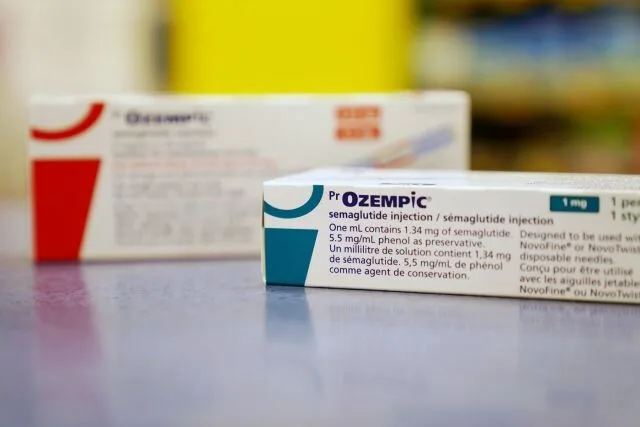
In the current wellness landscape, few molecules generate as much buzz as peptides. Whether you are scrolling through social media feeds promoting glowing skin or reading about breakthrough weight loss medications, the term “peptide” is inescapable. From the well-known GLP-1 receptor agonists like semaglutide (Ozempic, Wegovy) and tirzepatide (Mounjaro) driving significant conversations around obesity treatment, to topical copper peptides promising youthful skin, these compounds are positioned as powerful enhancers of bodily function.
But what exactly are peptides, and do they live up to the hype? For many navigating midlife health challenges, the allure of a targeted solution is strong. However, as with any rapidly trending health intervention, a clear, medically grounded understanding is essential. We delve into the science, the applications, and the crucial safety considerations surrounding peptide therapy, guided by expert clinical insight.
What Are Peptides? A Biological Primer
At their core, peptides are short chains of amino acids—the building blocks of protein. They function as crucial signaling molecules within the body. Think of them as messengers that amplify the work your body is already designed to do, directing specific processes to occur more intensely or efficiently.
Familiar Peptides You Already Know
The concept of peptides isn't new; many essential biological compounds fall into this category:
- Insulin: Perhaps the most famous peptide, insulin signals cells to absorb glucose from the bloodstream, managing blood sugar and facilitating energy storage.
- GLP-1 Receptor Agonists: Medications like Ozempic and Wegovy contain synthetic versions of the Glucagon-Like Peptide-1 hormone. These peptides enhance natural GLP-1 action, stimulating insulin secretion, slowing gastric emptying, and crucially, signaling satiety (fullness) to the brain, which aids in significant weight loss.
- GHK-Cu (Copper Peptides): Popular in dermatology, these signal the body to promote collagen production, aid in wound healing, and improve overall skin integrity.
Peptides in Modern Medicine: Weight Management and Beyond
The most significant current application of injectable peptides centers around metabolic health. GLP-1 therapies have revolutionized the treatment landscape for Type 2 diabetes and chronic weight management. These medications work by mimicking the body’s natural hormones, offering powerful appetite suppression and improved glycemic control.
The Role of GLP-1s in Health Tracking
For individuals utilizing GLP-1 medications for weight loss, consistent health tracking is vital. While these medications offer substantial benefits, managing side effects, monitoring glucose levels, and tracking progress are key components of successful treatment. Tools that allow patients to log doses, track dietary changes, and record subjective feelings of fullness or nausea—like platforms utilized by Shotlee—can provide clinicians with the necessary data to optimize therapy.
Peptides vs. Hormones: A Midlife Context
In discussions surrounding perimenopause and menopause, peptides often arise in conjunction with hormone replacement therapy (HRT). Experts note that certain peptides can synergize well with estradiol-based HRT, potentially boosting symptom relief. However, the consensus among experienced practitioners is clear: foundational health issues, such as stabilizing hormone levels, should be addressed before introducing complex peptide stacks.
Navigating the Risks: Safety and Sourcing
While the potential benefits of peptides are clear, the market is saturated with non-vetted sources, creating significant safety hazards. A primary concern raised by clinicians is the origin and quality control of these substances.
The Danger of Unregulated Sources
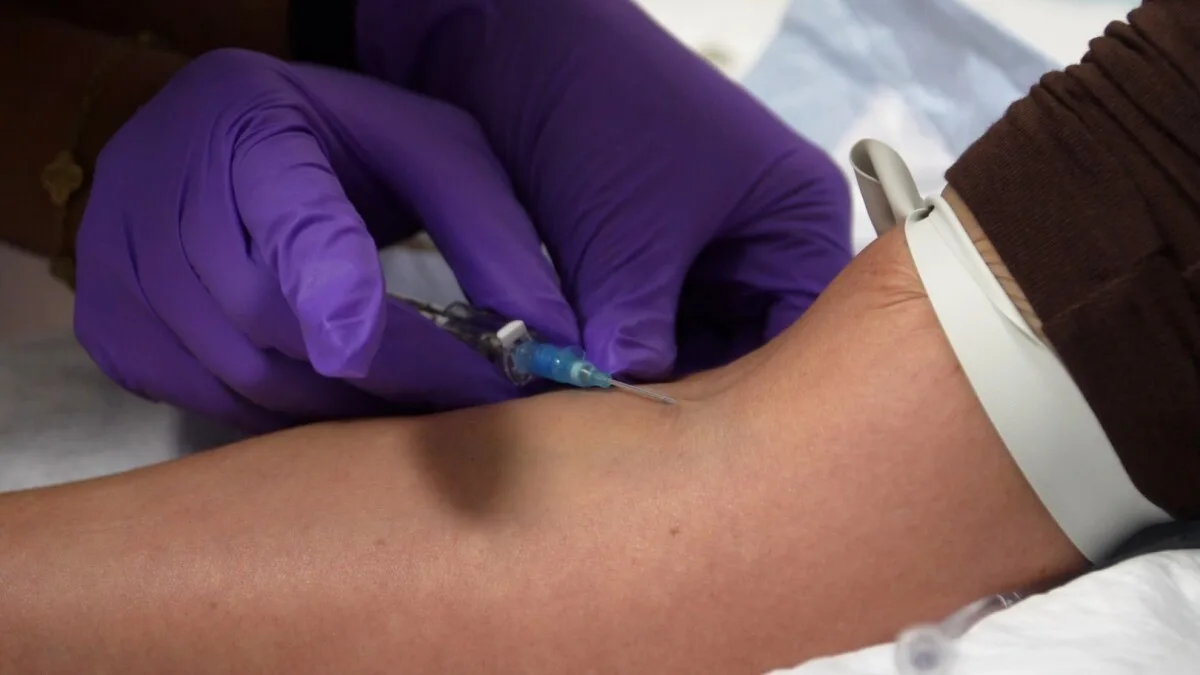
Peptides are available through various routes: topical serums, oral supplements, and injectables. The critical distinction lies between prescription-grade medication and 'research-use-only' compounds obtained online.
Precision tracking for your journey
Join thousands using Shotlee to accurately track GLP-1 medications and side effects.
📱 Get the Shotlee App
Track your GLP-1 medications, peptides, and health metrics on the go with our mobile app!
It is super important that nobody gets these peptides from a website that says 'add to cart,' where you can get these delivered to your door without a prescription. These products have not gone through rigorous safety testing processes.
Working with a licensed clinician who can assess your full medical history, determine the appropriate peptide, and ensure the prescription is filled by a regulated, licensed pharmacy is non-negotiable. Unregulated sources pose risks ranging from contamination to incorrect dosing, which can lead to unpredictable and potentially harmful outcomes.
Topical vs. Injectable: The Data Gap
Consumers often assume that if a topical peptide (like GHK-cu for skin) is beneficial, an injectable version must be exponentially better. This is a dangerous assumption. While topical GHK-cu has reasonable clinical data supporting its use for collagen building, injectable forms can alter gene expression, a mechanism for which long-term, randomized control trial data simply does not yet exist. Therefore, many experts caution against using injectable forms of cosmetic peptides until more robust safety profiles are established.
The 'Stacking' Trend and Cycling Protocols
Social media often promotes the idea of 'stacking'—using a combination of multiple injectable peptides simultaneously as part of a longevity or bio-hacking routine. Clinicians often view this as overly aggressive and unnecessary for the average patient.
Potential Risks of Unmonitored Peptide Use
Peptides that influence cellular growth and blood flow, while beneficial in targeted scenarios, carry systemic risks, especially for individuals with underlying conditions. For example, compounds that promote cell division could theoretically accelerate the growth of pre-cancerous cells in susceptible individuals. This underscores why long-term, continuous use without medical oversight is discouraged.
Effective peptide use is often cyclical. Peptides are typically administered for a specific therapeutic reason and then discontinued, allowing the body time to recover or regenerate. This cycling approach minimizes long-term dependency and potential side effects.
Key Considerations for Peptide Therapy Adoption
| Factor | Topical Peptides (e.g., Copper) | Injectable Peptides (e.g., GLP-1s) |
|---|---|---|
| Primary Use | Skin quality, collagen support | Weight management, Type 2 Diabetes |
| Data Availability | Good data for topical efficacy | Robust FDA-approved data for specific indications |
| Sourcing Requirement | Over-the-counter or prescription strength | Strictly prescription required from licensed pharmacy |
| Risk Profile | Generally low; localized effects | Systemic effects; requires ongoing monitoring |
Practical Takeaways for the Informed Patient
The conversation around peptides, much like the earlier discourse surrounding HRT, is often polarized. They are neither miracle cures nor inherently dangerous substances. Their utility depends entirely on the specific molecule, the indication, the dosage, and the oversight.
If you are considering any form of peptide therapy, whether for weight loss with semaglutide or for skin health, remember these fundamental steps:
- Prioritize Basics: Ensure foundational health pillars—sleep, nutrition, and consistent exercise—are optimized. Peptides amplify existing efforts; they don't replace them.
- Consult Vetted Experts: Only work with a licensed clinician knowledgeable about peptide mechanisms and monitoring requirements.
- Demand Legitimacy: Ensure all prescriptions are filled via regulated, licensed pharmaceutical channels, never from non-prescription online vendors.
Conclusion: Nuance Over Noise
Peptides represent a dynamic and powerful class of therapeutic tools. From managing complex metabolic conditions with GLP-1s to enhancing cellular repair, their role in future healthcare is undeniable. However, the current environment—fueled by viral marketing and vulnerability during life transitions like midlife—demands a more nuanced approach. As clinicians advocate for fair, honest conversations, patients must seek depth over simplicity. Understanding the specific mechanism, the required monitoring, and the source of your treatment is the only way to harness the genuine potential of peptide therapy safely.